Viral Hooks
Trending short videosExplaining a neighborhood's controversial name
L

@lovecertt

Instagram · Graphic Yap
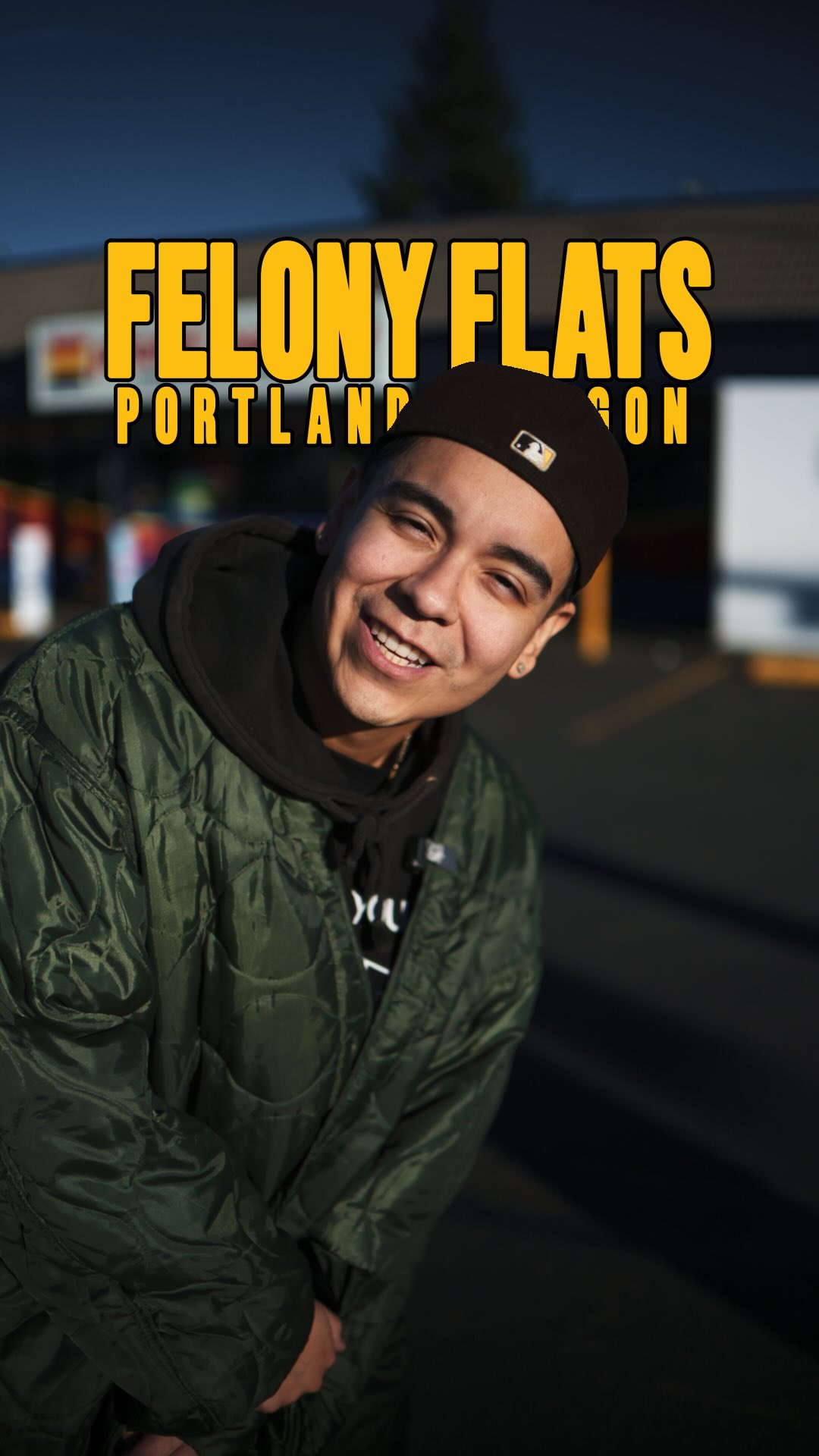
@lovecertt Let’s talk about Felony Flats … this is the Portland I grew up in. Raised on 83rd, right off Flavel. On the surface, people see crime, cheap rent, n the lil grimy reputation people love to tell stories about … but underneath there’s a lot of history. See Portland was designed to be white, n places like Felony Flats became home to the families no one else wanted. Black families, immigrants, all trying to live where the city didn’t bother investing. The city says they’re working on it, but all I’m seeing are little hipster bars n overpriced apartments. Portland is still around 77% white, one of the whitest cities in America, n that explains why pockets of neighborhoods like this exist. Resources, opportunities, even basic attention were rarely shared, shaping how kids like me grew up. You either learned to fit in with all the white kids or you felt invisible. Felony Flats became a place where people made life happen anyway, ‘cause complaining ain’t gon help nothing. Families, small businesses, the streets, man that’s where the heart is. Even if the city doesn’t care. It’s a neighborhood shaped by neglect but ALIVE because of the people who stayed. My family never left n man, I love it here. I just want to see it grow, n I think without being honest about it, Portland just gon keep tryna be Portlandia. We need to make the city care, n if we just pretend like it’s cool, the city’s gon run with that. Anyway, heavy way to start the new year, my bad lol I do that sometimes. Just needed to get it off my chest. Hope all of you have a beautiful new year n reach all your goals. OH & thank you to that nice Indian Uber driver for motivating me to make this video. Sorry you had such a bad experience in the city. She was way too nice to have to experience that. Anyway, love 🖤
View original on Instagram

The edit1 shot · 2 text
Shots Text

Performance

Views
73.8K
Likes
4.5K
Comments
295
Engagement
6.5%
Outlier
1.7×

Video #15511 · Graphic Yap

Explaining a neighborhood's controversial namefrom @lovecertt

[01]

Overview

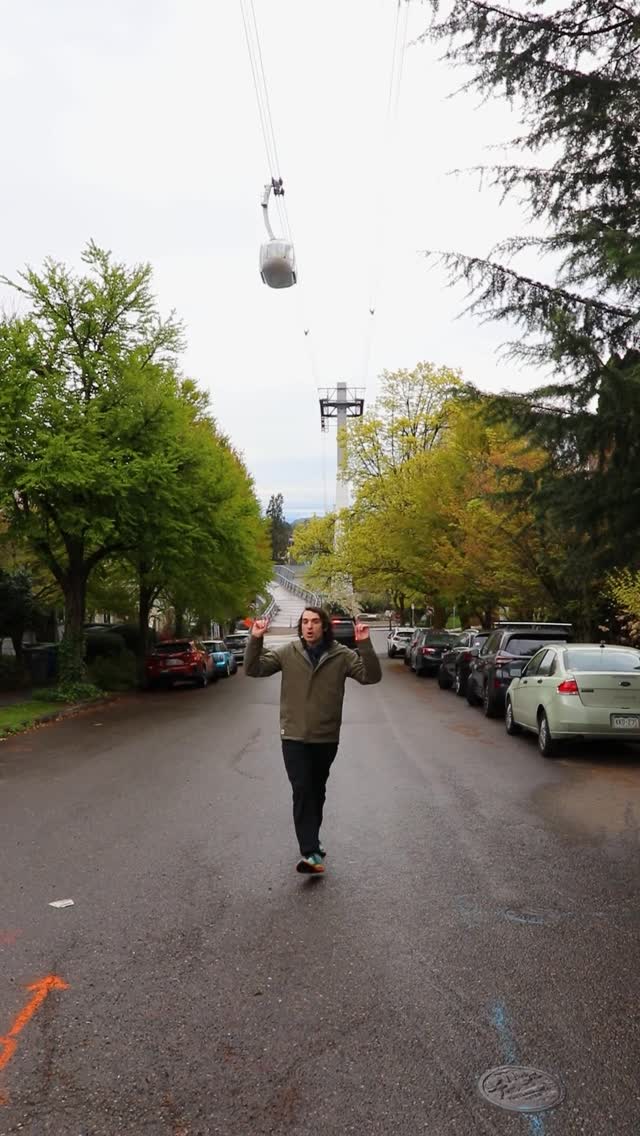
The creator stands in a parking lot and delivers a monologue about the history of his Portland neighborhood, 'Felony Flats.' He begins by explaining Oregon's historical black exclusion laws and the city's design as a white space. He then discusses his complex feelings about the neighborhood's nickname, acknowledging the sense of identity it provides while critiquing the systemic neglect by the city that created the conditions for such a name to exist and persist.

[02]

Simple outline

  1. 1State a shocking historical fact
  2. 2Connect history to a modern problem
  3. 3Acknowledge the counter-argument
  4. 4Reframe the problem with deeper context
  5. 5Deliver a systemic critique

[03]

Related videos

[04]

Classification

Concepts
Origin StoryVulnerable MonologueCultural Rant
Elements
Title Text HookImage Overlay

[05]

Hook analysis

What stops the scroll in the first 3 seconds

Title hook · 35%

FELONY FLATS PORTLAND, OREGON

Verbal hook · 50%

Hundred years ago, it was illegal for black people to live in Portland.

Visual hook · 15%

The creator looks up and makes direct eye contact with the camera with a slight smile, establishing an immediate personal connection. The shallow depth of field and evening lighting create a cinematic and intimate mood.

[07]

Hook and payoff

The promise the opener makes, and how the video pays it back

Hook

A provocative title card followed by a surprising or shocking historical fact that immediately challenges the viewer's assumptions about a place or concept.

Payoff

A concise, poignant concluding statement that summarizes the unresolved consequence of the systemic failure, leaving the audience with a powerful thought to contemplate.

[08]

Narrative framework

The structural pattern this video runs on

Framework

The Nuanced Historian

To deconstruct a commonly held belief or name by revealing its problematic historical origins, while still acknowledging the personal or community identity attached to it, ultimately blaming systemic forces rather than individuals.

  1. 1

    The Foundational Contradiction

    Juxtaposes a shocking historical reality with a commonly held modern perception, creating immediate cognitive dissonance and establishing the core tension.

  2. 2

    The Personal Mandate

    Establishes the narrator's authority and personal stake in the topic, explaining why their unique perspective is essential to the conversation.

  3. 3

    The Problematic Subject

    Introduces the specific subject of critique (e.g., a name, a tradition, a symbol) that embodies the historical contradiction.

  4. 4

    The Empathetic Concession

    Acknowledges and validates the positive aspects or opposing viewpoints associated with the subject, building trust and demonstrating a nuanced understanding.

  5. 5

    The Personal Embrace

    Articulates a personal connection to the subject, demonstrating appreciation for it despite its flaws, which strengthens the credibility of the coming critique.

  6. 6

    The Historical Pivot

    Reframes the central conflict, arguing that the issue is not the subject itself, but the historical process of neglect or injustice that created it.

  7. 7

    The Systemic Indictment

    Shifts the blame from individuals or the community to a larger system or institution that failed to act or actively caused the problem.

Themes

  • Social justice
  • Local identity
  • Racial history
  • Urban neglect
  • Personal narrative

Techniques

  • Monologue delivery
  • Direct address
  • Historical context setting

Post caption

Let’s talk about Felony Flats … this is the Portland I grew up in. Raised on 83rd, right off Flavel. On the surface, people see crime, cheap rent, n the lil grimy reputation people love to tell stories about … but underneath there’s a lot of history. See Portland was designed to be white, n places like Felony Flats became home to the families no one else wanted. Black families, immigrants, all trying to live where the city didn’t bother investing. The city says they’re working on it, but all I’m seeing are little hipster bars n overpriced apartments. Portland is still around 77% white, one of the whitest cities in America, n that explains why pockets of neighborhoods like this exist. Resources, opportunities, even basic attention were rarely shared, shaping how kids like me grew up. You either learned to fit in with all the white kids or you felt invisible. Felony Flats became a place where people made life happen anyway, ‘cause complaining ain’t gon help nothing. Families, small businesses, the streets, man that’s where the heart is. Even if the city doesn’t care. It’s a neighborhood shaped by neglect but ALIVE because of the people who stayed. My family never left n man, I love it here. I just want to see it grow, n I think without being honest about it, Portland just gon keep tryna be Portlandia. We need to make the city care, n if we just pretend like it’s cool, the city’s gon run with that. Anyway, heavy way to start the new year, my bad lol I do that sometimes. Just needed to get it off my chest. Hope all of you have a beautiful new year n reach all your goals. OH & thank you to that nice Indian Uber driver for motivating me to make this video. Sorry you had such a bad experience in the city. She was way too nice to have to experience that. Anyway, love 🖤
Text overlays

  • title · beginning

    FELONY FLATS PORTLAND, OREGON

  • informational · beginning

    The Oregon black exclusion laws were attempts to prevent black people from settling within the borders of the settlement and eventual U.S. state of Oregon. The first such law took effect in 1844, when the Provisional Government of Oregon voted to exclude black settlers from Oregon's borders. The law authorized a punishment for any black settler remaining in the territory to be whipped with 'not less than twenty nor more than thirty-nine stripes' for every six months they remained.[1] Additional laws aimed at African Americans entering Oregon were ratified in 1849 and 1857.[2] The 1857 law was not repealed until 1926.[3] The laws, born of a pro-slavery and anti-black climate,[4] were often justified as a reaction to fears of black people instigating Native American uprisings.[5]

Transcript

Hundred years ago, it was illegal for black people to live in Portland. And Mexicans weren't really wanted here unless it was for, cheap labor. See, Portland's really proud of being progressive. The city was designed to be white, and because of that, it's still very white. That's why I think it's important for people that look like us to speak about our experience growing no. To show that there's more to Portland than what you see on the surface. So when the working class neighborhood that I grew up in gets called Felony Flats, man, I'm sorry, but that name has never really been called to me. I get why people love it. There's personality to it. Being able to put a name on it kinda gives you something to rep, you no. And that's beautiful. Right? Like, this neighborhood made me, like, it gave me the character I have. I wouldn't be who I am without felony flats. My issue is more with the history of the neighborhood. Like, it wasn't always felony flats. It turned into that. And the city had a chance to change it into something else, and they didn't. So the name stuck.

Explaining a neighborhood's controversial name | Viral Hooks