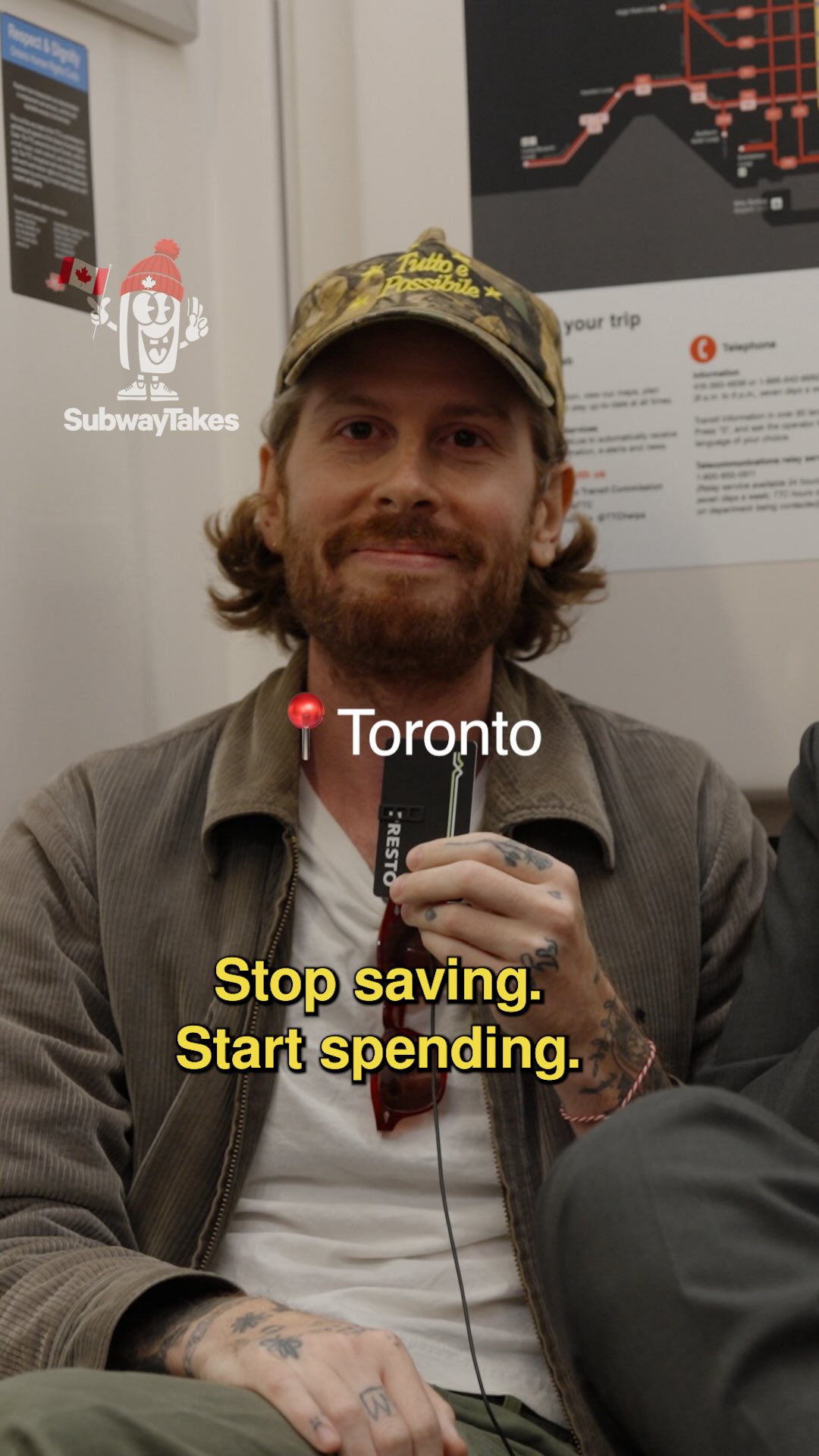
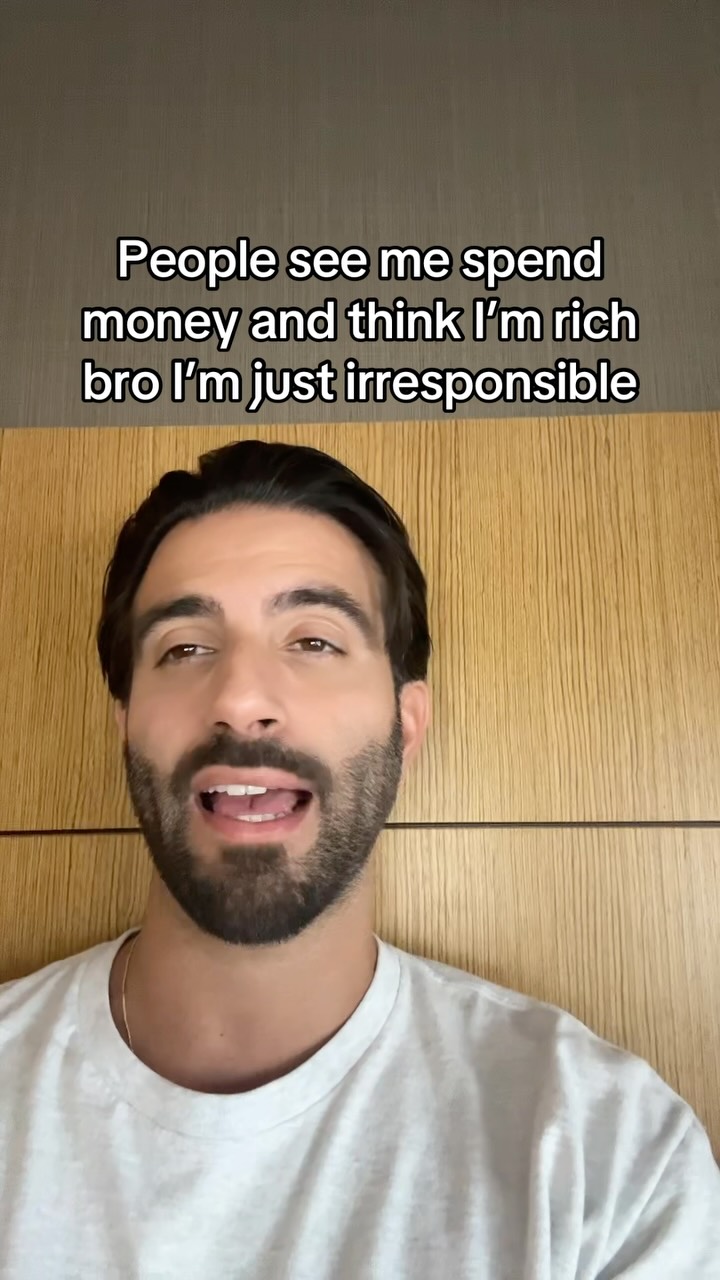
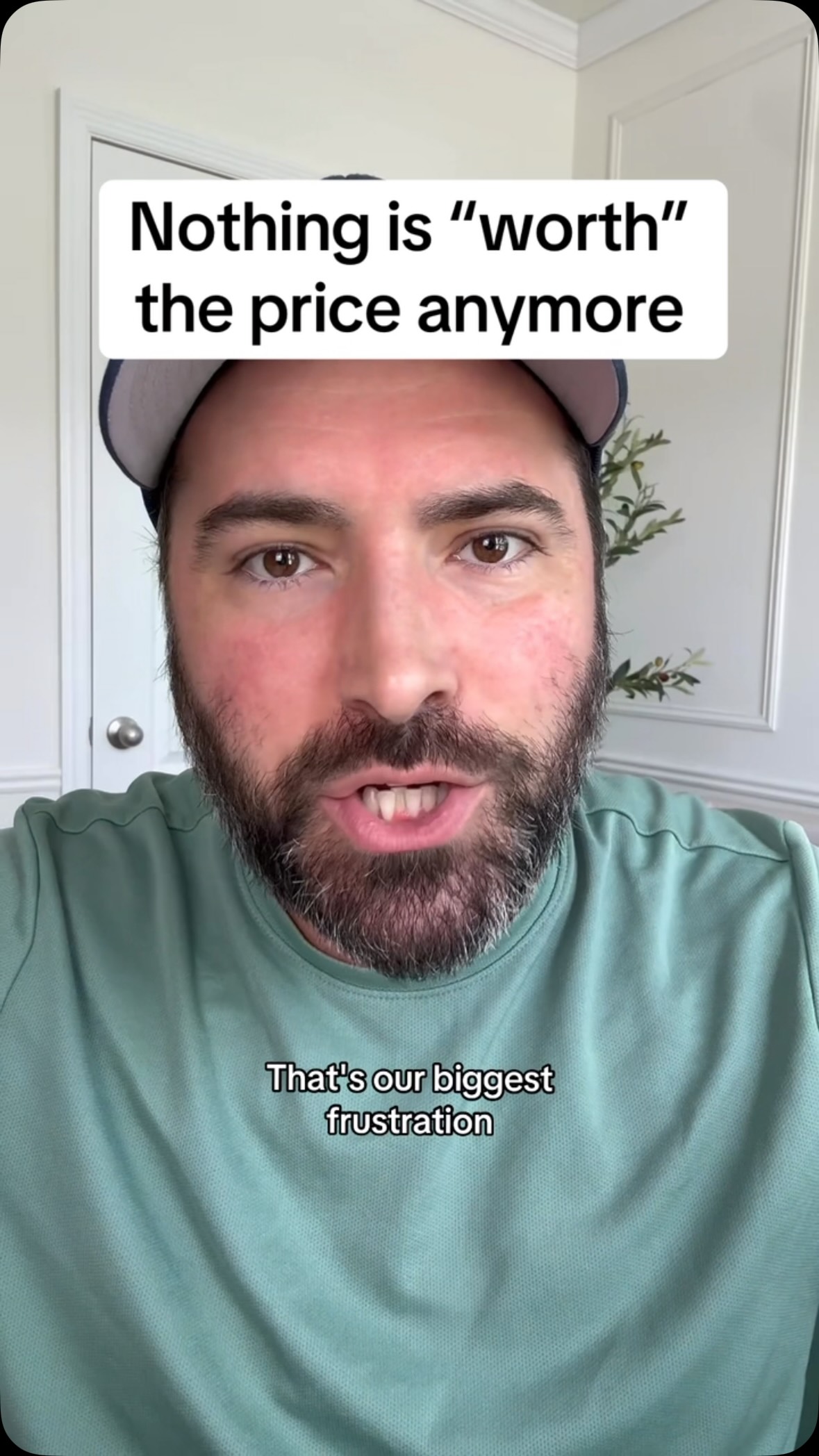
A debate format where one person champions a controversial or seemingly irresponsible lifestyle choice. The narrative satisfaction comes from confirming they genuinely live by that code, despite the predictable negative consequences, which are revealed at the end.
- 1
The Hard Disagreement
A second participant instantly and completely rejects the initial thesis, establishing the two opposing sides of the debate and creating immediate narrative tension.
- 2
The Carpe Diem Defense
The protagonist defends their controversial thesis with a broad, existential philosophy (e.g., 'life is short,' 'the future is uncertain'), framing their choice as a rational response to an unpredictable world.
- 3
The Pragmatic Inversion
The antagonist co-opts the protagonist's philosophical justification to argue for the exact opposite conclusion, demonstrating the logical flaw or alternative interpretation of the premise.
- 4
The Slogan Showdown
The core arguments are simplified into repetitive, memorable slogans, escalating the absurdity and commitment of the protagonist's position while adding a layer of humor.
- 5
The Relatable Anchor
The abstract philosophical debate is grounded in a concrete, everyday example (like the price of coffee), making the stakes tangible and relatable for the audience.
- 6
The Reasonable Compromise
The antagonist attempts to de-escalate by offering a moderate, common-sense middle ground, which serves to highlight the protagonist's extremism when they inevitably reject it.
- 7
The Altruistic Deflection
The protagonist rejects the compromise with a surprising and morally elevated justification (e.g., giving money away), twisting the logic to further support their original, seemingly selfish thesis.
- 8
The Consequence Probe
The interviewer pivots the conversation from abstract philosophy to the direct, personal, and predictable negative consequences of the protagonist's stated lifestyle, asking the question the audience is thinking.