@fmsmith319
Instagram · Yap


@fmsmith319
Instagram · Yap
Performance
Video #48712 · Yap
[01]
The creator explains his theory on why entertainment venues are packed despite widespread financial struggles. He argues it's a combination of the top 10% of earners driving half of all spending, and the rest of the population choosing immediate gratification because long-term financial goals like paying off debt or saving for a house feel unattainable.
[02]
[03]
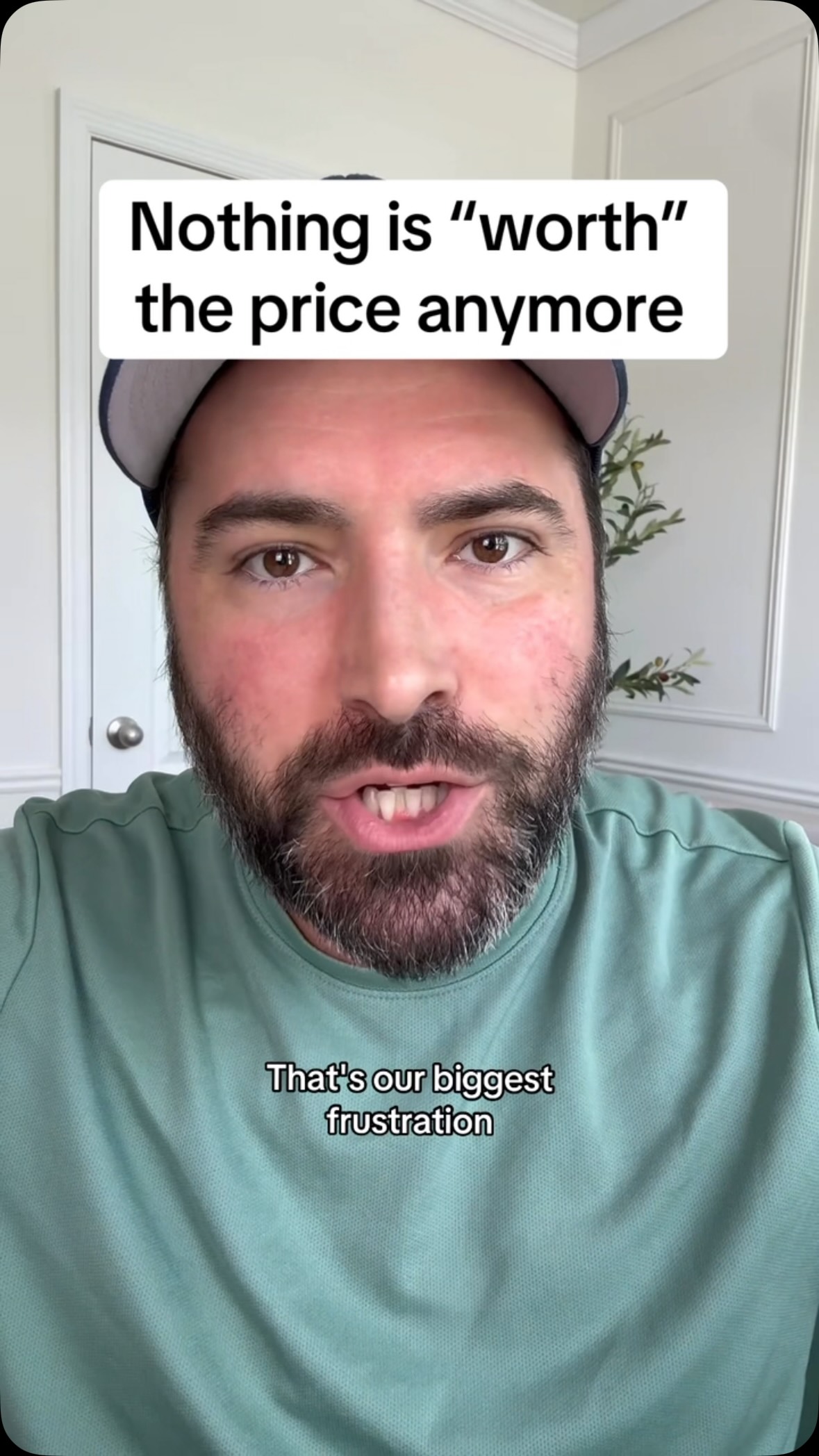 854.3KRant about why nothing is worth the price@fmsmith319 · Cultural Rant
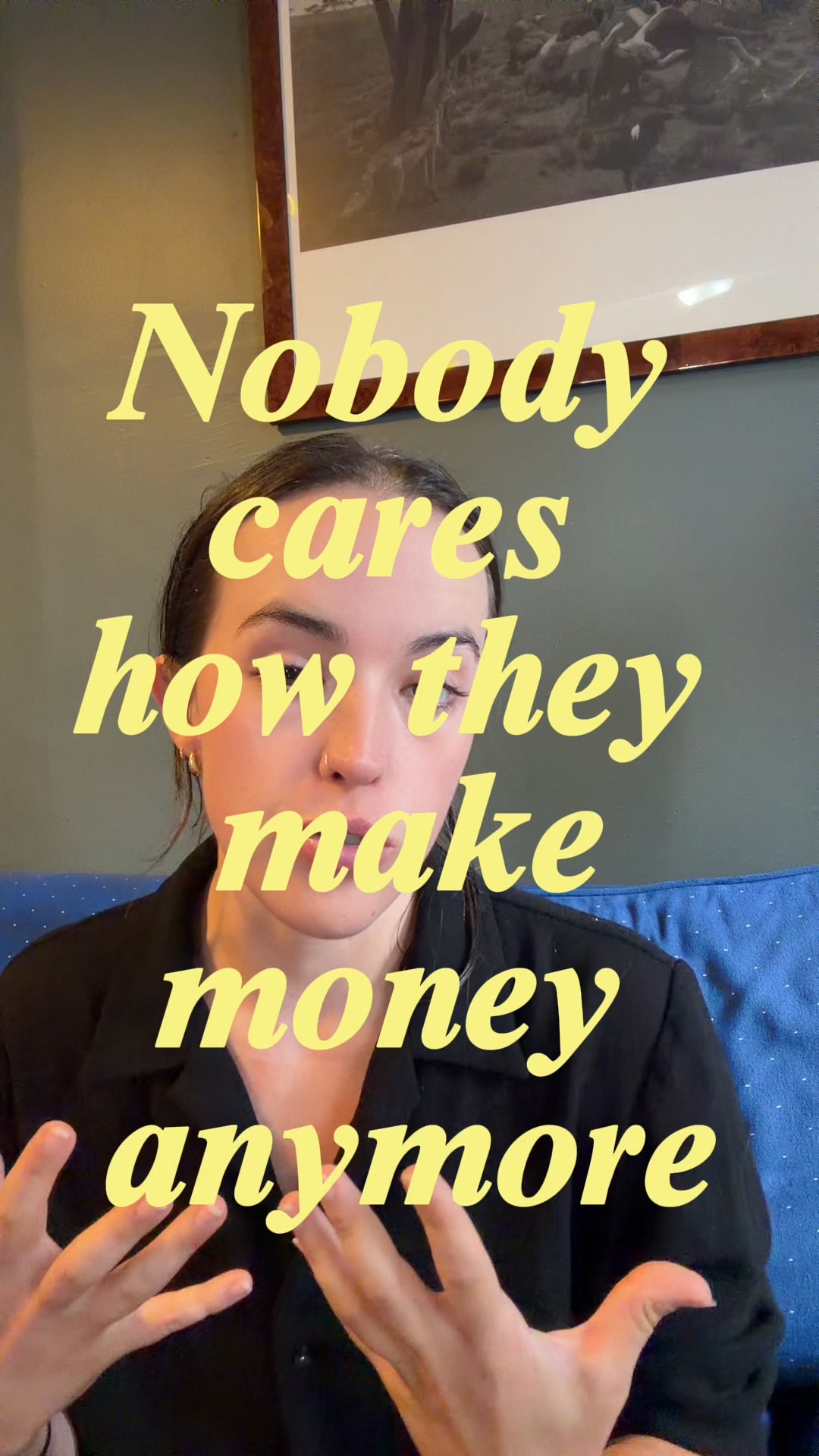 189.9KExplaining the modern work crisis@yourbrain_onmoney · Breakdown
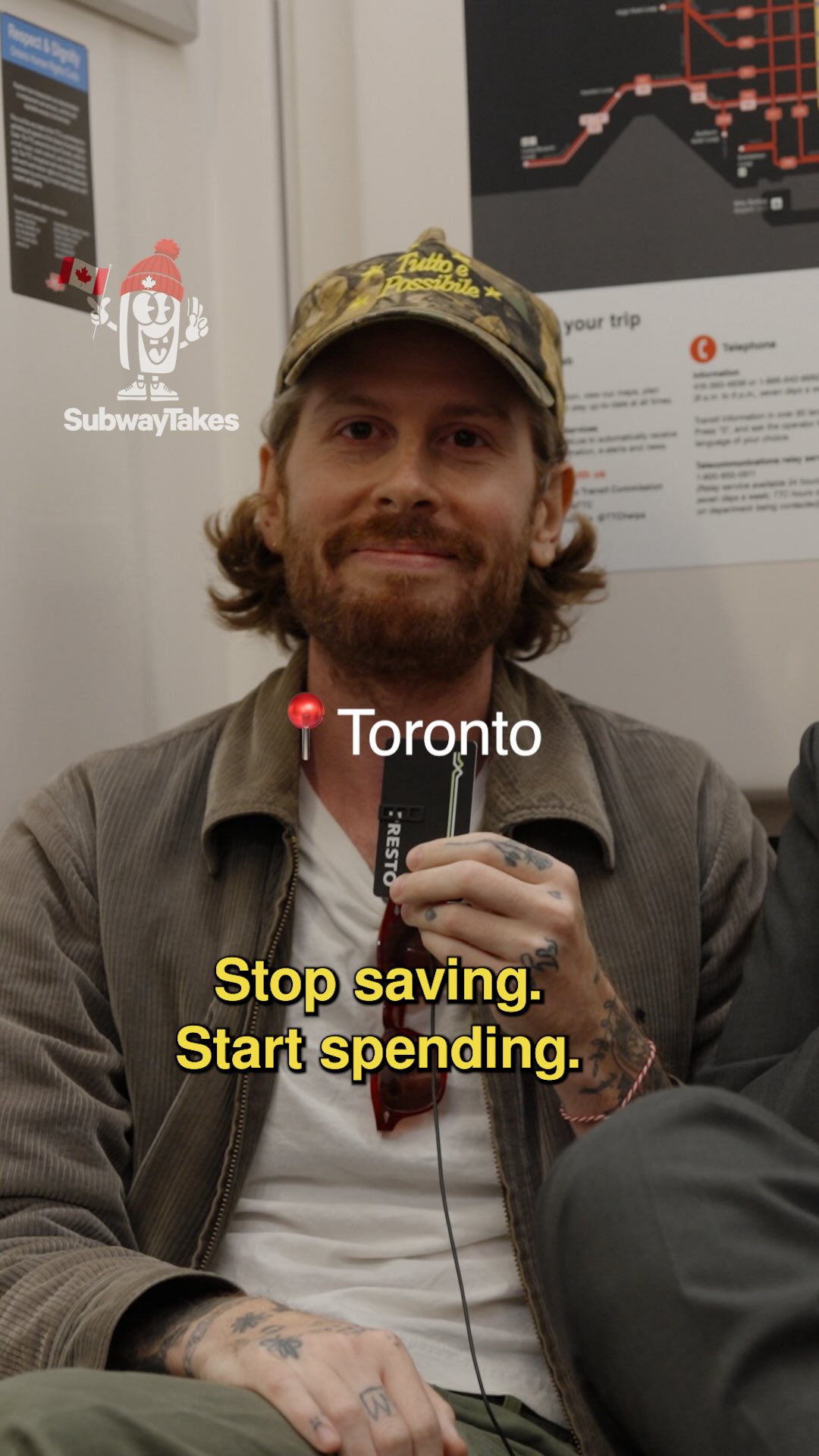 1.3MSubway debate on saving vs spending@subwaytakes · Debate
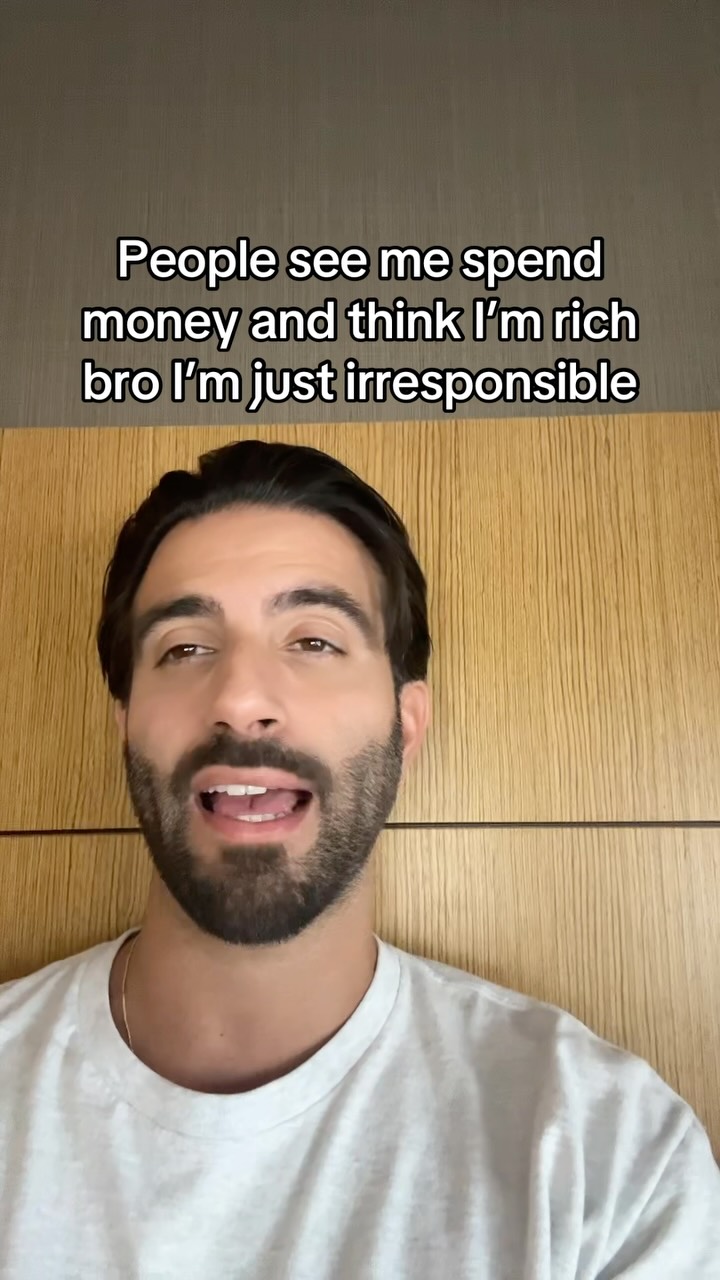 1.7M4.1×Comedic monologue on financial irresponsibility@davi87dp · Storytime
 4.9M413.6×Explaining the high-leverage career mindset@thejaunt_ · Opportunity Explainer
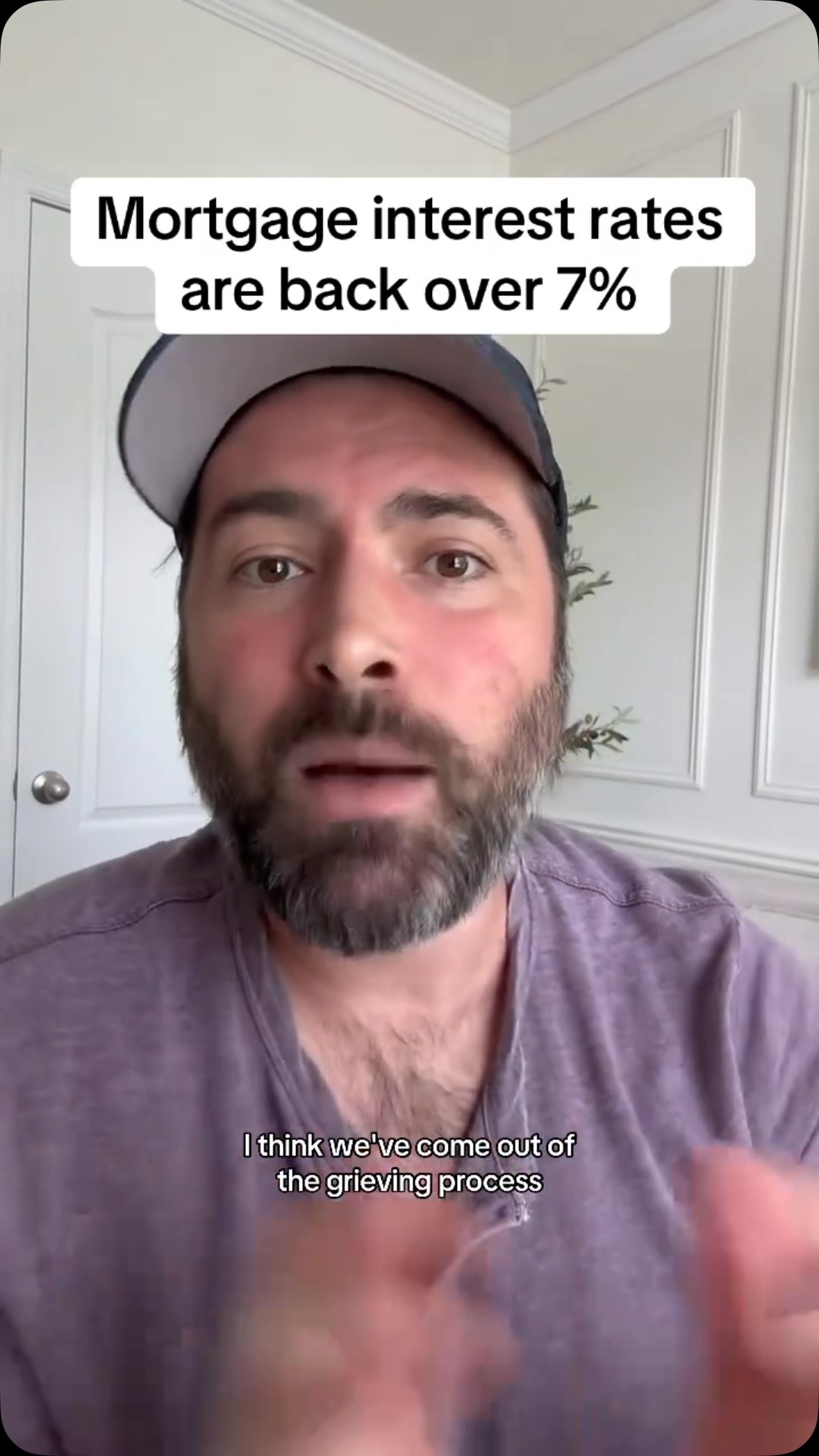 274K1.4×Creator rants on housing market@fmsmith319 · Cultural Rant
 672.8K9.3×Sociology theory explained with B-roll@maisonrickie · Breakdown
 10.4M31.7×Overheard quote sparks social commentary@gstaadguy · Anecdotal Philosophy
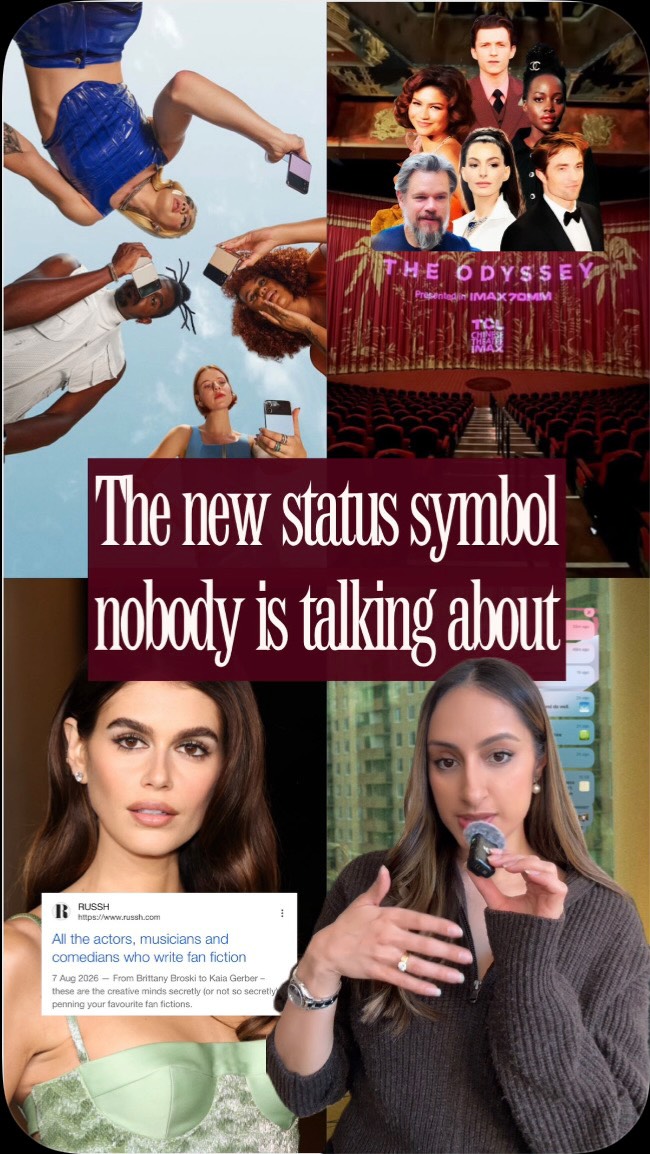 296.8K59.3×Explains attention as a class issue@ashi.branding · Breakdown
 1.6M5.2×Creator gives direct travel advice@cbwritescopy · Hot Take
 149.1K1.7×Anecdote explains a success mindset@benhbader · Anecdotal Philosophy
 363.9K1.9×Creator reacts to money and depression@santacruzpaleo · Reaction
[04]
[05]
What stops the scroll in the first 3 seconds
Title hook
“If everyone is so broke, why are restaurants, bars, concerts, ballgames always packed?”
Verbal hook
If everybody so broke, why are the restaurants, bars, concerts and ball games always packed?
Visual hook
A man looks directly into the camera with an engaging expression, using a pointed finger gesture to emphasize the central question presented in the large text overlay.
[07]
The promise the opener makes, and how the video pays it back
Hook
Pose a common, paradoxical question that creates a knowledge gap and promises a satisfying explanation, displayed both as on-screen text and spoken narration.
Payoff
Deliver the 'aha' moment by framing the paradoxical behavior not as a flaw, but as a rational choice given the circumstances. This validates the audience's feelings and provides a sense of clarity.
[08]
The structural pattern this video runs on
Framework
The Paradox Resolution
Pose a widely observed, counter-intuitive phenomenon. First, provide a simple, data-driven explanation that only partially solves the puzzle. Then, pivot to a deeper, more relatable psychological explanation for the majority, leading to an 'aha' moment of understanding human behavior.
The Surface-Level Answer
Provide a straightforward, statistical explanation that addresses one segment of the issue but feels incomplete. A visual aid is used as 'proof' to build credibility.
The Relatability Pivot
Explicitly shift the focus from the first group to the 'rest of us,' creating a direct, empathetic connection with the majority of the audience by asking 'But what about...?'
The Core Dilemma Setup
Detail the specific constraints (time, money) and competing priorities faced by the target audience, building empathy and setting the stage for the core conflict.
The Psychological Impasse
Explain why the conventional path or long-term goals feel overwhelming and futile given the limited resources, highlighting the emotional and logical roadblock.
The Behavioral Revelation
Unveil the core thesis by explaining the counter-intuitive action (the paradox from the hook) as a logical or emotional response to the previously established impasse, framing it as a choice for short-term gratification.
title · beginning
“If everyone is so broke, why are restaurants, bars, concerts, ballgames always packed?”
informational · beginning
The top 10% of earners drive nearly half of all consumer spending. Is our economy too dependent on the wealthy?