@annie.sarnblad
Instagram · Talking Head Edit
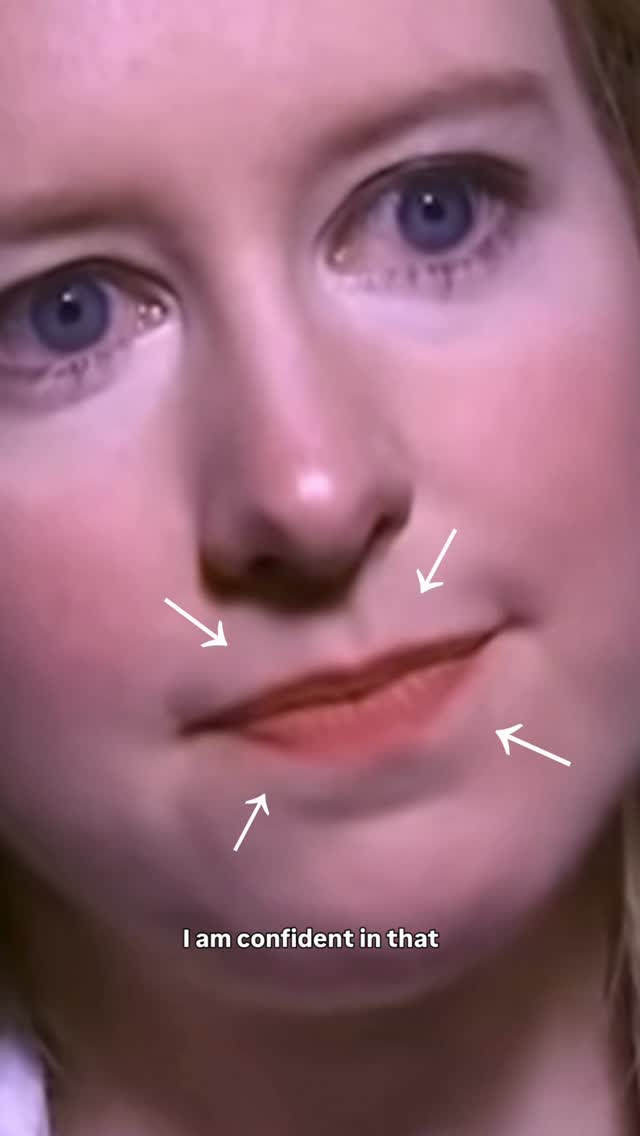
@annie.sarnblad Revisiting this @cnn interview from 2016! @drsanjaygupta #Elizabethholmes #microexpressions #facialexpressions #liedetection #cnn

@annie.sarnblad
Instagram · Talking Head Edit
@annie.sarnblad Revisiting this @cnn interview from 2016! @drsanjaygupta #Elizabethholmes #microexpressions #facialexpressions #liedetection #cnn
Performance
Video #49494 · Talking Head Edit
[01]
The creator, an anthropologist, analyzes a 2016 CNN interview clip of Elizabeth Holmes to demonstrate how microexpressions can reveal deception. She points out a microexpression of anger in Holmes's response, explains the universal theory behind microexpressions as involuntary indicators of true emotion, and concludes that this emotional mismatch is a key sign of lying, summarizing the Elizabeth Holmes case.
[02]
[03]
 428K1.4×Expert breaks down deception tells@annie.sarnblad · Case Study Breakdown
 206.9K7×Satirical commentary on tech fraud@realdanyang · Hot Take
 119.7KExpert uses news to warn@guacandpico · Trendjacking
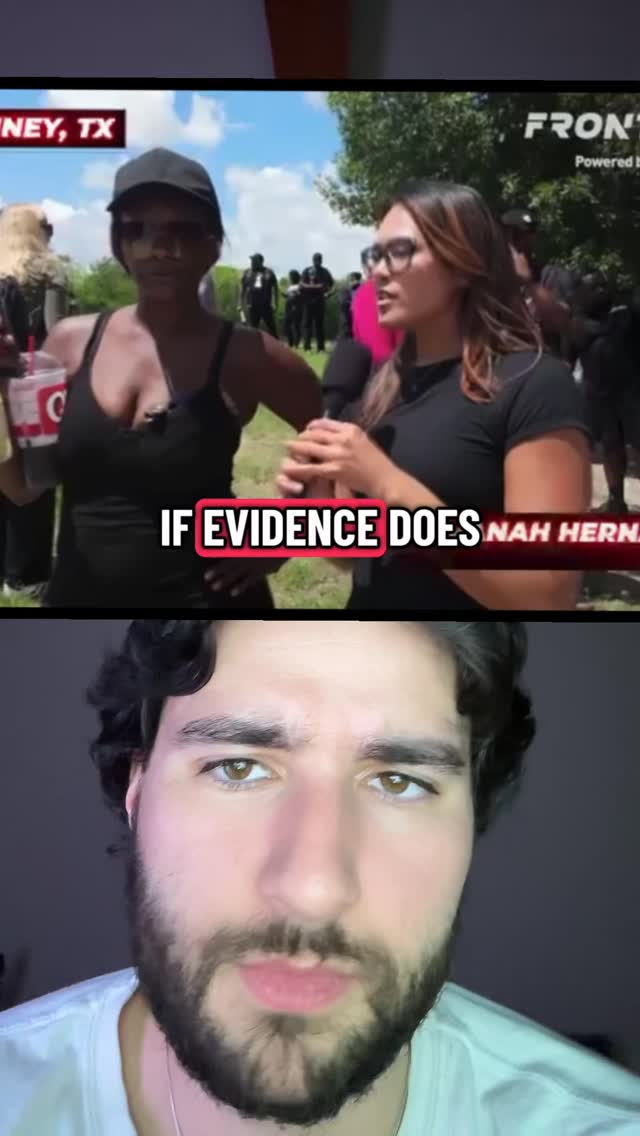 275.9K9.6×Man's racist rant over interview@womp_tomp · Reaction
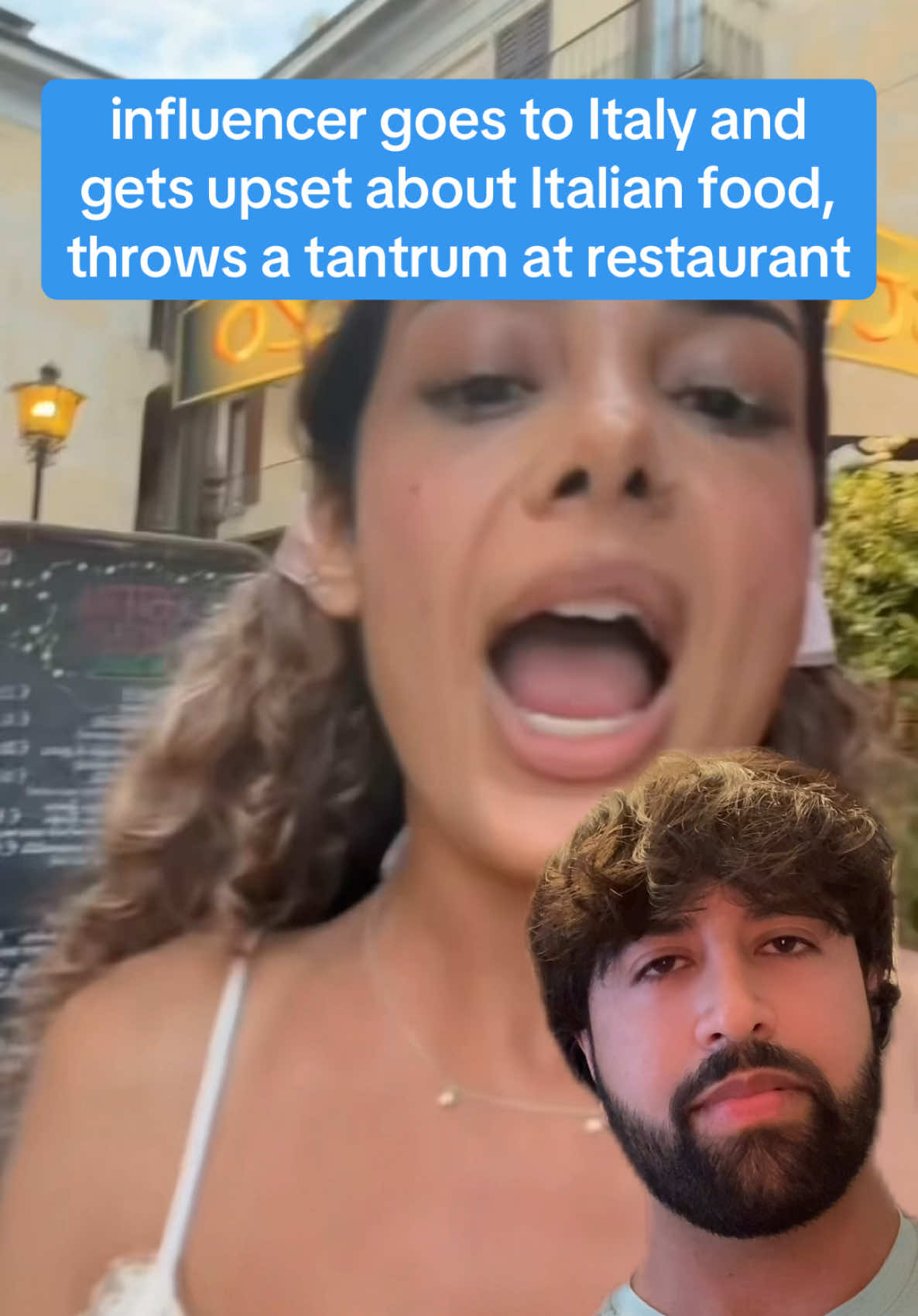 6M2.7×Creator breaks down influencer meltdown@daadisnacks · Breakdown
 212.4K6.5×Creator rants during makeup routine@jovkhann · Storytime
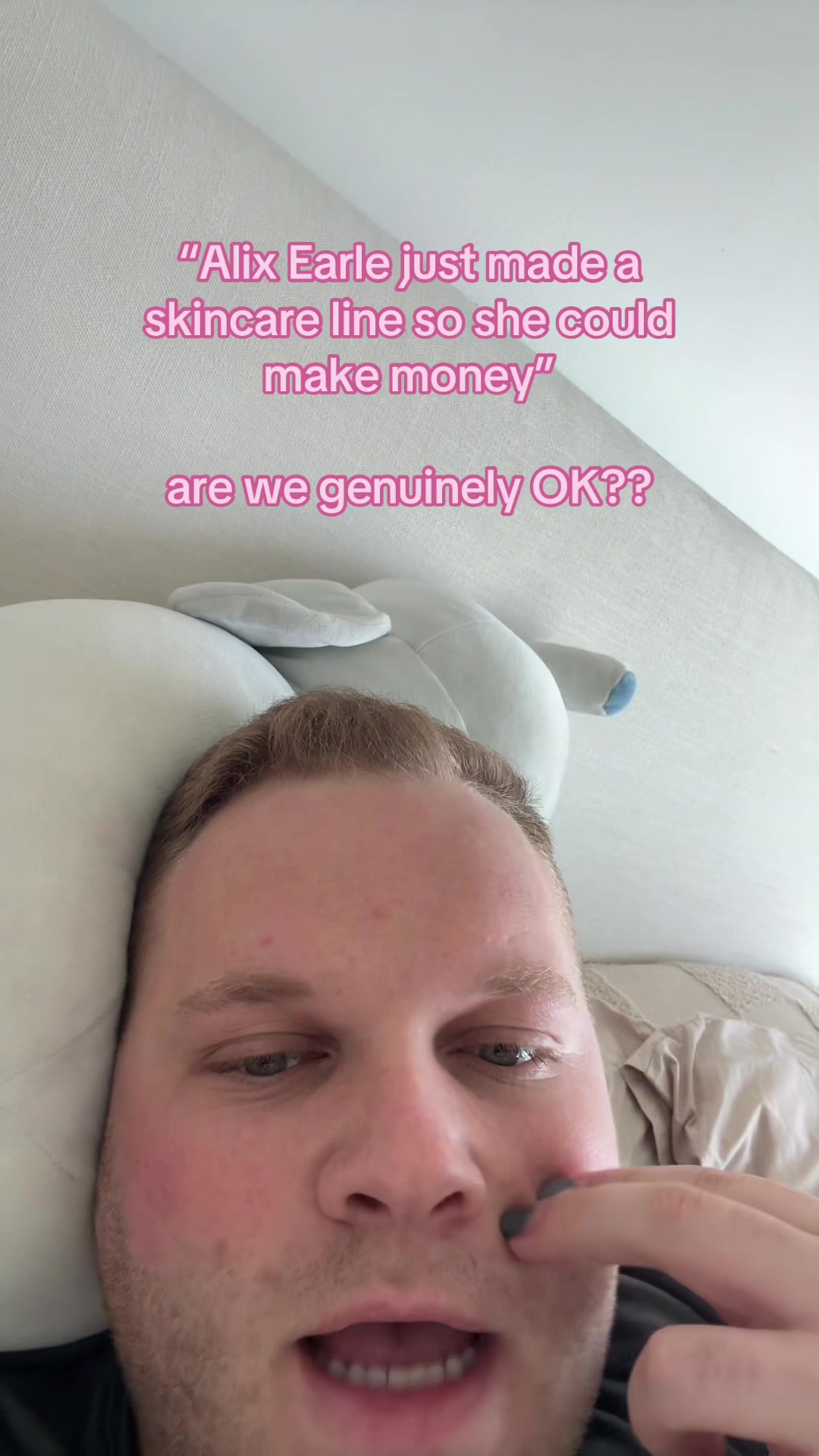 1.8M26.9×Casual rant defending influencer brand@bran__flakezz · Cultural Rant
 644.4KStreet interview about career path@streetsalaryclub · Street Interview
 2.7M4.6×Satirical red carpet interview joke@julia.dicesare · Skit
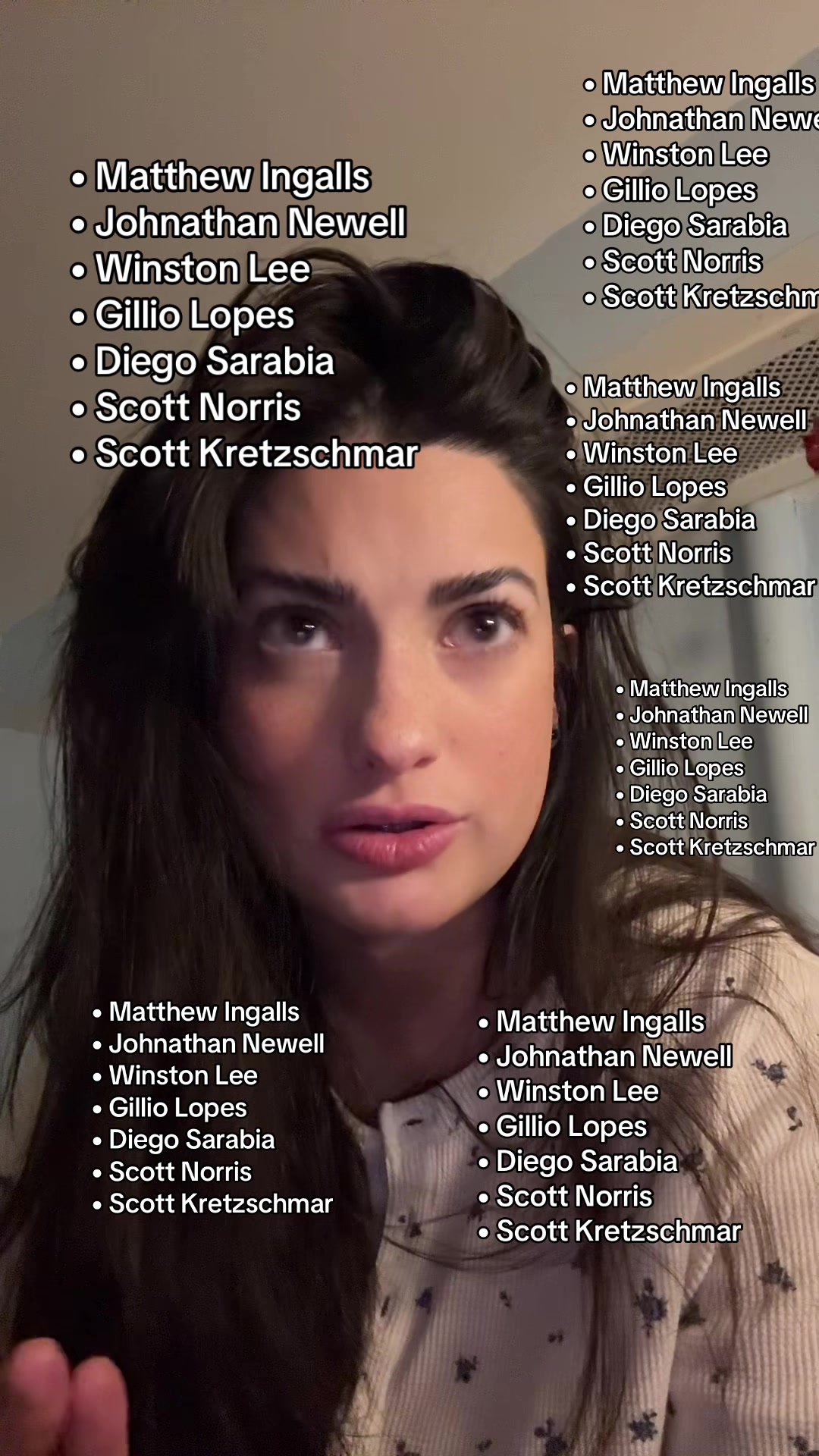 332K395.2×Direct commentary with name list@guacandpico · Trendjacking
 712.1KTalking head cultural critique rant@swaggylaggygolfdaddy · Cultural Rant
 175.7K33.7×Raw selfie video sharing opinion@life.withkeri · Hot Take
[04]
[05]
What stops the scroll in the first 3 seconds
Title hook
Microexpression Analysis:
Verbal hook
Does it work?
Visual hook
The video opens on an intense close-up of an interviewer's wide-eyed, expressive face, immediately followed by a close-up of Elizabeth Holmes, creating human interest and intrigue.
[07]
The promise the opener makes, and how the video pays it back
Hook
A high-stakes, direct question-and-answer clip is shown, creating immediate intrigue about the veracity of the subject's response. A text overlay frames the video's central analytical question.
Payoff
A concise summary statement is delivered, followed by the narrator stating their credentials. This acts as a final stamp of authority, retroactively validating the entire analysis and satisfying the viewer's desire for expert insight.
[08]
The structural pattern this video runs on
Framework
The Expert Deconstruction
Present a piece of seemingly normal or ambiguous evidence, then use expert knowledge to deconstruct it, revealing a hidden truth and teaching the viewer the principle behind the discovery.
The Viewer's Challenge
The narrator poses a direct question to the audience, inviting them to become an active participant in analyzing a specific detail of the subject's behavior.
The Expert's Thesis
A definitive claim is made about the hidden meaning behind the subject's behavior, linking a specific physical action to a specific internal state (e.g., lying, anger).
The Guided Re-examination
The initial evidence clip is replayed, but now augmented with visual aids (arrows, slow-motion) that guide the viewer's eye to the exact proof of the thesis.
The Universal Demonstration
The narrator shifts from the specific case to a general principle, demonstrating the physical expression on their own face to make the concept concrete and universally relatable.
The Theoretical Foundation
The narrator explains the 'science' or rules that govern the principle (e.g., 'hardwired,' 'universal'), establishing the logic and bolstering their authority.
The Detection Rule
A specific rule for applying the theory is stated, explaining how to interpret the evidence in a particular context (e.g., looking for a 'mismatch' between words and actions).
The Contextual Verdict
The narrator applies the rule to the specific case, explaining why the observed behavior is out of context for the situation, thus confirming the initial thesis of deception.
Revisiting this @cnn interview from 2016! @drsanjaygupta #Elizabethholmes #microexpressions #facialexpressions #liedetection #cnn
title · beginning
Microexpression Analysis:
informational · beginning
Do you see that tiny microexpression every time she lies?
informational · beginning
Watch how she tightens her mouth in anger
Does it work? Yes. You're confident in that? I am confident in that. What's going on with her mouth? Do you see that tiny micro expression every time she lies? Watch how she tightens her mouth in anger. Does it work? Yes. You're confident in that? I am confident in that. When we're angry, we clench our lips. With microexpressions, we're looking where the body doesn't believe the worse, because microexpressions leak the truth. Micro expressions are universal, they are hardwired into our bodies, and they precede the thought process. So regardless of culture, ethnicity, gender, age, geographic location, socialization, all humans make the same micro expressions. So specifically, in lie detection, we are looking for the mismatch between the micro expressions and the words. So anger would normally be out of context when somebody's asking you if a device that you've invented worse, and that's Elizabeth Holmes in a nutshell. I'm Annie Sonblad, I'm an anthropologist, I've lived in nine countries, studied eight languages, and I teach micro expressions.