@nielshoven_
TikTok · Speaker address
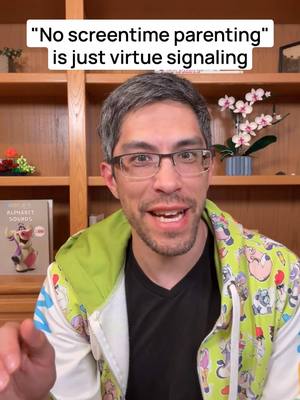
@nielshoven_ is there anyone else who agrees? #earlychildhoodeducation #screentime #modernparenting

@nielshoven_
TikTok · Speaker address
@nielshoven_ is there anyone else who agrees? #earlychildhoodeducation #screentime #modernparenting
Performance
Video #5600 · Speaker address
[01]
The creator presents the controversial opinion that "no screen time parenting" is virtue signaling. He argues that technology is a powerful and effective tool, using analogies like fire to illustrate that its value depends on how it's used. He deconstructs the term "screen time" into passive consumption, active learning, and creative production, concluding that only the first is bad and that the content on the screen is what truly matters.
[02]
[03]
 694.1K26.9×Explaining Thoreau's technology critique@var.aunevik · Anecdotal Philosophy
 837.3K63.5×Voiceover story with B-roll clips@bensantos508 · Vulnerable Monologue
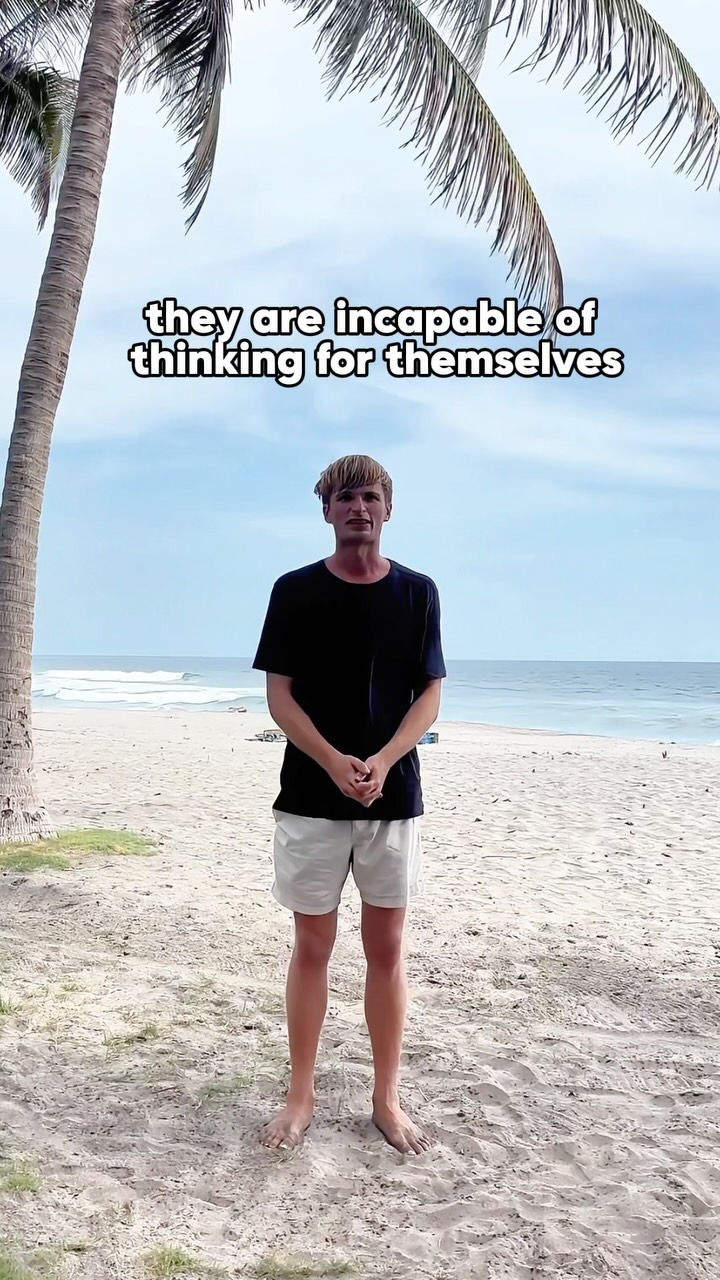 267.2K34.9×Creator explains why people are brainwashed@holistic.grenade · Hot Take
 1.4M29×Parenting philosophy over lifestyle montage@immerse.inearth · Motivational Mantra
 1M55.6×Monologue over B-roll montage@wearecalamity_ · Cultural Rant
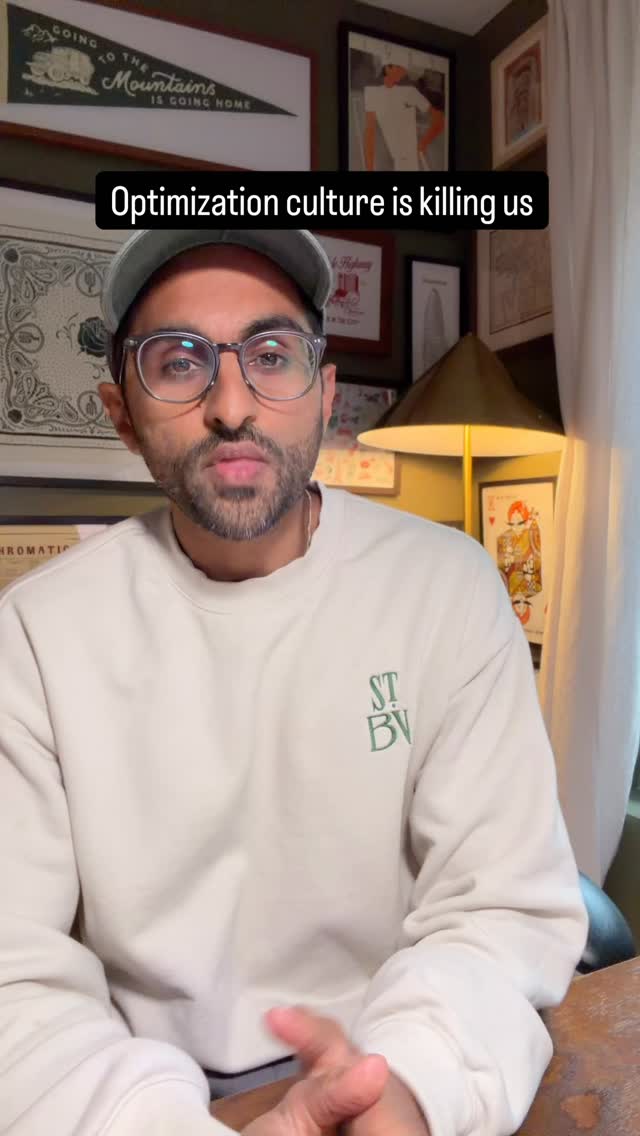 8.1M481.1×Critiquing optimization culture with evidence@shwinnabegobrand · Cultural Rant
 10.4M67.7×Explaining generational IQ drop causes@rony · Breakdown
 249.8K31.4×Direct monologue about material attachment@sensei.nick · Anecdotal Philosophy
 695.7KCinematic monologue on future of work@rpn · Hot Take
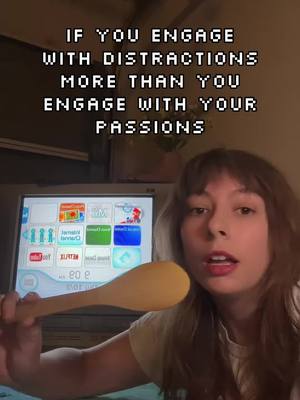 1.5M22.4×Motivational speech with wooden spoon@massivemouse · Relatable One Shot
 6.8M426.1×Philosophical monologue over aesthetic B-roll@wearecalamity_ · Brand Manifesto
 759.8K1.9×Comedic rant on porn addiction@rexxliferaj · Cultural Rant
[04]
[05]
What stops the scroll in the first 3 seconds
Title hook · 55%
"No screentime parenting" is just virtue signaling
Verbal hook · 40%
At this point, no screen time parenting is just virtue signaling.
Visual hook · 5%
A man in a brightly colored, cartoon-patterned jacket speaks directly to the camera with expressive hand gestures, creating a visual contrast with the professional bookshelf background.
[07]
The promise the opener makes, and how the video pays it back
Hook
A bold, text-on-screen declaration that directly challenges a commonly held belief, accusing its proponents of a negative social behavior (e.g., virtue signaling).
Payoff
Elevates the stakes by framing the subject in a grand, historical context, then concludes by reframing the debate as a direct, empowering choice for the viewer, challenging them to harness the subject's power.
[08]
The structural pattern this video runs on
Framework
The Contrarian Reframe
To deconstruct a popular but oversimplified belief by reframing its core concept, using an analogy to prove the new perspective, and concluding with an empowering challenge to the audience.
The False Dichotomy
Presents the audience with two choices: one that caricatures the opposing viewpoint as impractical and elitist, and another that presents the speaker's view as modern, efficient, and rational.
The Foundational Reframe
Pivots the entire argument by redefining the central subject not as inherently 'good' or 'bad,' but as a neutral, 'powerful' tool whose value depends on its use.
The Universal Analogy
Introduces a simple, universally understood analogy (like fire, water, or a tool) to illustrate the 'powerful, not bad' principle, making the abstract reframe feel concrete and intuitive.
The Specific Application
Applies the analogy directly back to the original topic, presenting both a negative and a positive outcome to prove the tool's neutrality and power.
The Semantic Deconstruction
Takes a catch-all term used by the opposition and breaks it down into distinct components, then identifies only one component as negative, thereby validating the others and exposing the oversimplification of the opposing view.
is there anyone else who agrees? #earlychildhoodeducation #screentime #modernparenting
title · throughout
"No screentime parenting" is just virtue signaling
At this point, no screen time parenting is just virtue signaling. You can buy some overpriced wooden blocks to make yourself feel superior or you can accept that new technology is more effective, more efficient, and more useful in a broader variety of environments. What the no screen time people don't realize is that screens aren't bad, they're powerful. Fire can burn down forests, but it can also cook our food. Screens can turn kids into cocomelon addicts, but they can also teach three year olds to read. Screen time is a catch all phrase that lumps together passive consumption, active learning, and creative production. Only one of these three things is bad. Screens aren't bad for kids. It's what's on the screen that matters. We have the most powerful devices in the history of humanity at our fingertips. And screens versus no screens is really just asking, do you want to harness that power for your child or not?