@frontoffice.co
TikTok · Talking Head Edit

@frontoffice.co Thinkibg anout bomber jackets and ‘bomber jacket thinking’ #bomberjacket #fashion #fashiontiktok #leatherjacket #fashiondesigner

@frontoffice.co
TikTok · Talking Head Edit
@frontoffice.co Thinkibg anout bomber jackets and ‘bomber jacket thinking’ #bomberjacket #fashion #fashiontiktok #leatherjacket #fashiondesigner
Performance
Video #6713 · Talking Head Edit
[01]
The creator explains the functional origins of the bomber jacket's distinct silhouette, tracing its development from the practical needs of WWI and WWII pilots for warmth and mobility in uninsulated cockpits. He contrasts historical materials like leather with modern stretchy fabrics, demonstrating how the jacket's oversized arms and short torso were design solutions for movement and comfort. The creator then connects these historical design principles to modern aesthetics and explains how his own design studio applies this 'bomber jacket thinking' to contemporary garments.
[02]
[03]
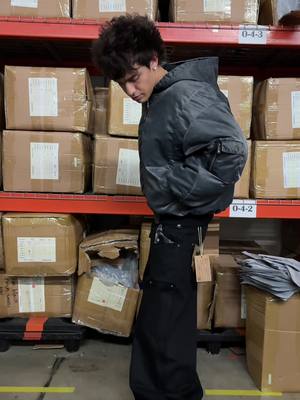 562K4.6×Warehouse product modeling showcase@ditch.la · Product Showcase
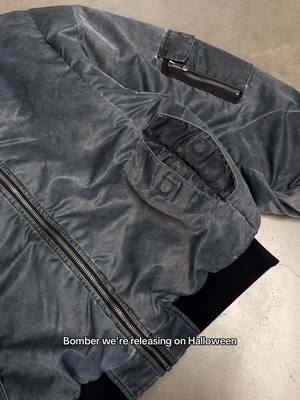 311.1K3.1×Aesthetic teaser for new bomber@ditch.la · Product Showcase
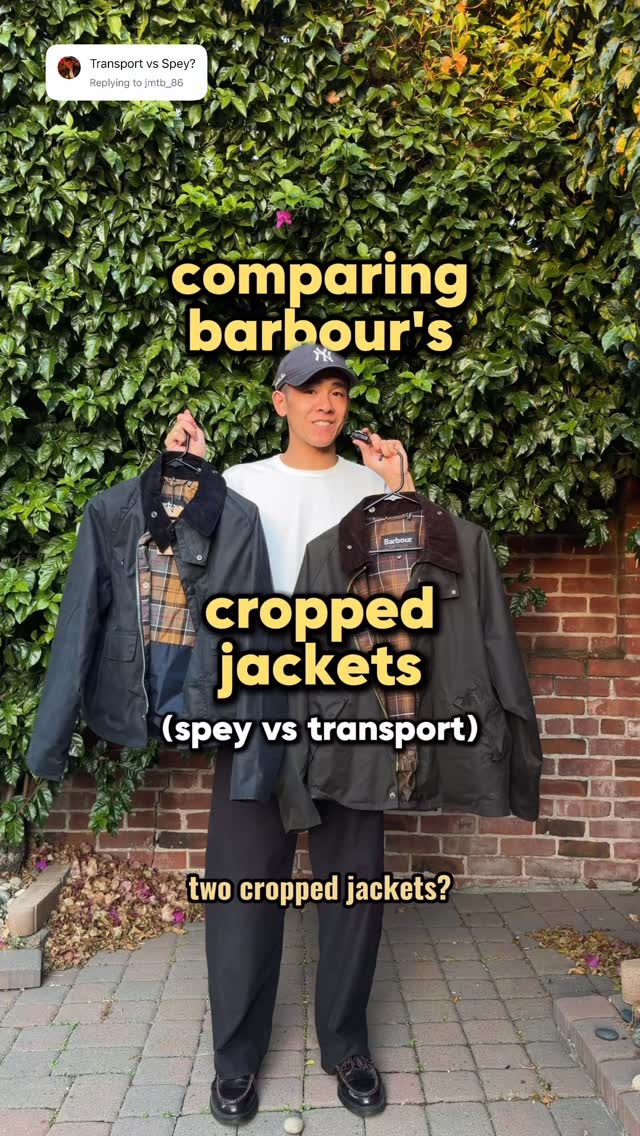 713.7K4.8×Comparing two similar jacket styles@andrewpolo_ · Breakdown
 611.8KCreator shows and tries on jacket@devinmichaels_ · Show and Tell
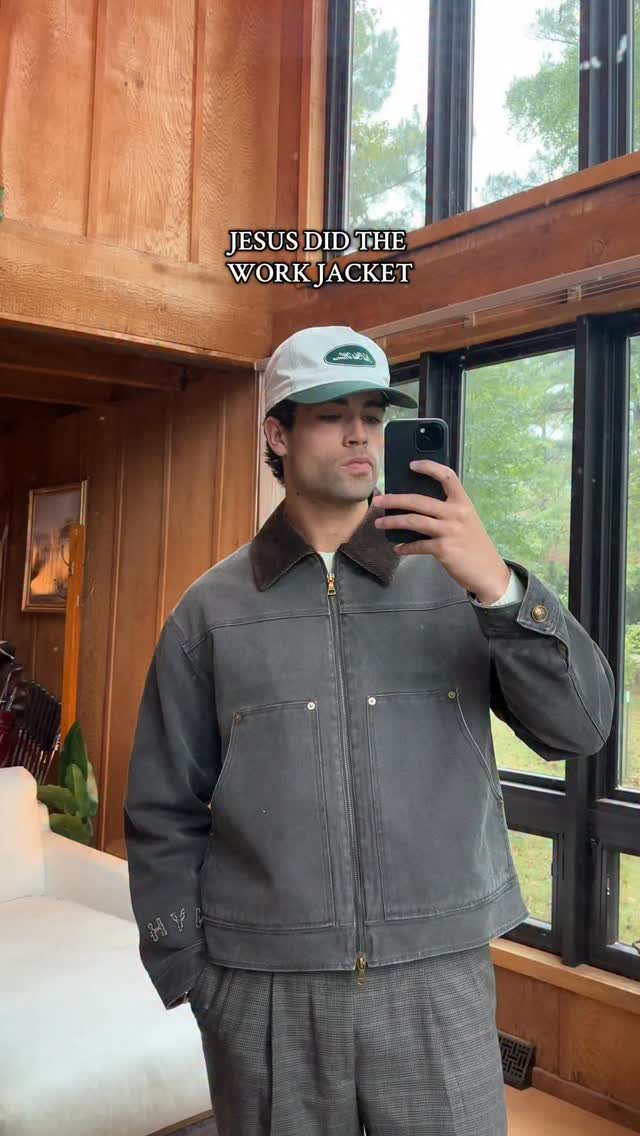 144.6K2.3×Aesthetic product montage with music@iamnotyethome · Product Showcase
 502.4KJacket design process start to finish@m.iles · Evolution Showcase
 2.2MDemonstrating techwear clothing features@techweargiant · Product Demo
 3.9M3637.7×Founder tells story of brand@maximilien_perez · Origin Story
 683K1.9×Product showcase as personal renewal@ditch.la · Vibe Showcase
 377.9KDisassembled jacket product reveal@ditch.la · Product Showcase
 172.6K1.1×Rapid showcase of jacket features@midnightspecial_ · Product Showcase
 79.3KHow to style a long overcoat multiple ways for fall and winter@percival_menswear · Product Showcase
[04]
[05]
What stops the scroll in the first 3 seconds
Verbal hook · 35%
Let's talk about bomber jackets.
Visual hook · 65%
A split screen showing the speaker on top and an iconic pop culture image from the movie Top Gun on the bottom, immediately establishing the topic with a recognizable visual reference.
[06]
Steal this for your own video
Use a split screen: show yourself speaking in the top half and a recognizable tied to in the bottom half, then explain the hidden reason behind its .
[07]
The promise the opener makes, and how the video pays it back
Hook
Immediately presents a familiar object and its distinct characteristics, then poses a direct 'why' question about those characteristics, creating a strong curiosity gap.
Payoff
Pivots from historical analysis to a broader, transferable philosophy. The creator coins a memorable term for this 'thinking' and demonstrates how they are applying this core principle to their own modern work, seamlessly integrating a product showcase as proof of concept.
[08]
The structural pattern this video runs on
Framework
The Functional Origin Story
Deconstructing a familiar object's design by tracing it back to its original functional purpose, then reframing that purpose as a modern design philosophy to be applied to new creations.
The Problem Origin Story
Establishes the historical context and the extreme environmental/functional problem the object was originally designed to solve.
The Era's Constraints
Details the technological and material limitations of the time, intensifying the difficulty of the original problem.
The Central Design Conflict
Articulates the core tension between two opposing needs that the design had to reconcile (e.g., protection vs. mobility).
The Modern Contrast Case
Introduces a contemporary object that solves a similar problem with modern technology, making the historical challenge more tangible and understandable by comparison.
The Ingenious Historical Solution
Reveals how the object's specific, peculiar features were a clever and direct solution to the central design conflict, providing the main 'aha!' moment.
The Functional Evolution
Shows how the design was further refined by incorporating principles from other functional objects, adding a layer of depth to its intelligence.
The Function-to-Form Bridge
Explicitly connects the original functional requirements to the object's current aesthetic appeal, explaining how utility became style.
Thinkibg anout bomber jackets and ‘bomber jacket thinking’ #bomberjacket #fashion #fashiontiktok #leatherjacket #fashiondesigner
contextual · end
sports-coded
contextual · end
An intriguing design
Let's talk about bomber jackets. Wide in the body, oversized in the arms, short in the worse, we all know what bomber jackets look like. But why do they look like that? Like what has this good to do with flying a plane? So bomber jackets were first developed in World War I worst high flying pilots. And the higher you no, the colder it gets. When we fly in planes, it's not very cold because there's insulation in a modern airplane. In World War two, minimal insulation. In World War one, no roof. And back then, there's no synthetic materials. There's no polyester fill. So we're talking about heavy leather, sheepskin, wool. Instead of insulating the plane, they insulate the pilot. And that gives you a problem because as a pilot who's flying for their life, you need mobility, you need agility to fly a plane. So this is a modern track jacket. It gives you mobility because of a synthetic stretchy fabric. And also it's constructed of a raglan sleeve, which gives you a lot of mobility in the arm. But in the nineteen tier, they need to solve that same problem. So they figure out by widening the body and by making the arms oversized, you get a lot of movement within the jacket. And the bomber jackets are short, so that it's comfortable sitting down for long periods of tier. And that helps with mobility. And as World War two stretches on, you get different variants of the jacket. Like design principles from hunting jackets start getting incorporated. There's this really special construction called an action back or a bi swing, and that's a pleat in the shoulder that gives you extra movement. It's really ideal for outstretched arms. So those functional demands of being a pilot give you the shape that we see now as being aesthetic. So right now, we're just a small studio. We can't afford leather jacket development. It's not so much about bomber jackets. It's about bomber jacket thinking. So in the track jacket that we're developing for next year, instead of a raglan sleeve, which is very sports coded, what if we use an action bad? Would that make for kind of intriguing design? Rank similarly, when we develop a light jacket for spring, how do we give a casual jacket the same mobility, the same functionality as a sports jacket? Like we can take silhouettes, we can take designs from historical bombers. No instead of leather, instead of fleece, we look to bombers that were flown in the tropics in the Pacific Theater. But by the time we're ready, we would have applied this bomber jacket thinking in '7 other designs, and I think we'll be ready.