@duolingo
TikTok · Skit
@duolingo do your lesson and get ALL the tea.

@duolingo
TikTok · Skit
@duolingo do your lesson and get ALL the tea.
Performance
Video #8160 · Skit
[01]
The video presents a Duolingo lesson as a comedic skit where a child, Junior, tells his parent he wants to be a lion trainer just like them. The parent is confused until Junior reveals he found leather pants and whips in their closet, leading to a humorous and suggestive misunderstanding.
[02]
[03]
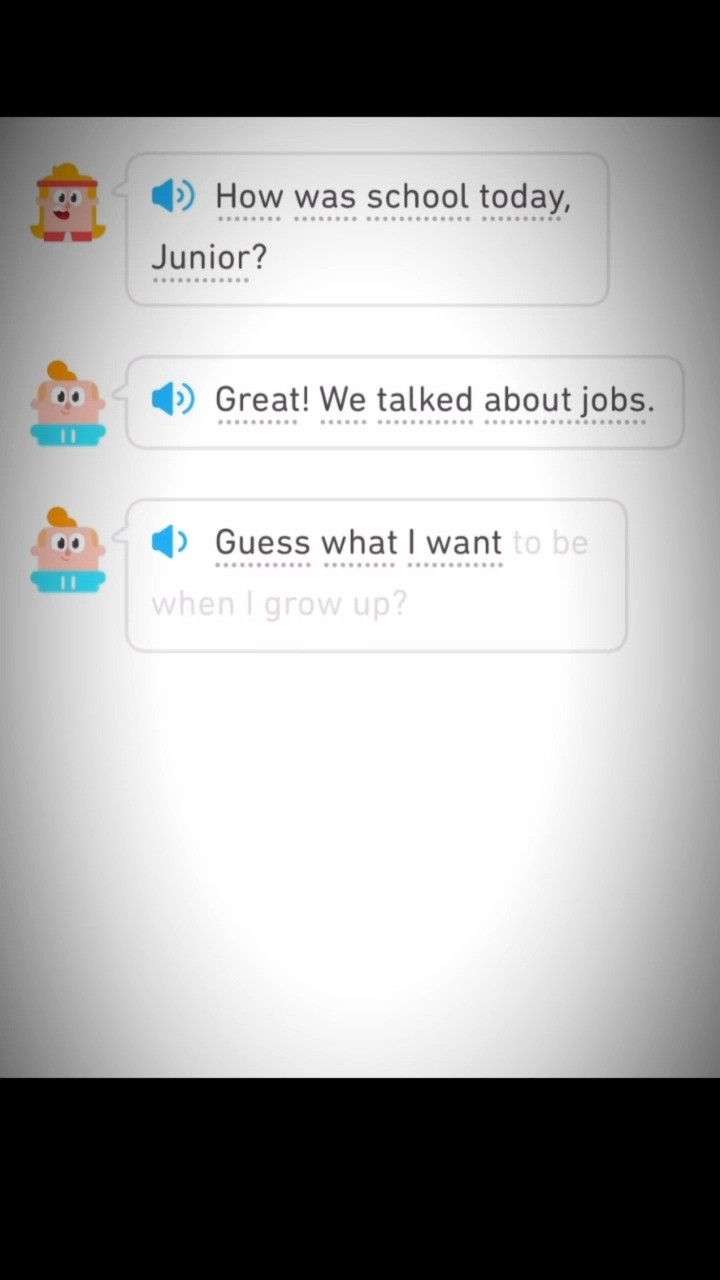 2.4MApp conversation with surprise ending@duolingo · Expectation vs. Reality
 7.4M56.8×Animated Duolingo owl classroom skit@duolingo · Skit
 4.1M28.6×Brand character gaming language skit@duolingo · Relatable Skit
 3MThreatening Duolingo owl meme skit@duolingo · Skit
 5.6M3.7×Marketing asks legal absurd questions@duolingo · Skit
 7M5.5×Duolingo mascot in anime episode@duolingo · Social Show
 4M28.9×Animated skit parodying Duolingo app@duolingo · Skit
 10.8M8.7×Brand mascot in menacing meme@duolingo · Character Gag
 6.8M9.2×Brand mascots in fake drama@scrubdaddy · Brand Manifesto
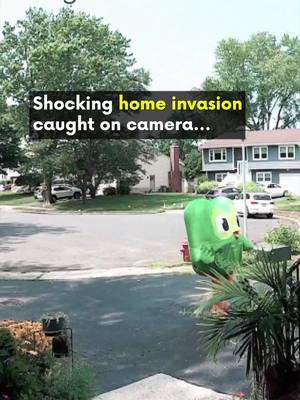 534.8KBrand mascot home invasion skit@duolingo · Relatable Scenario
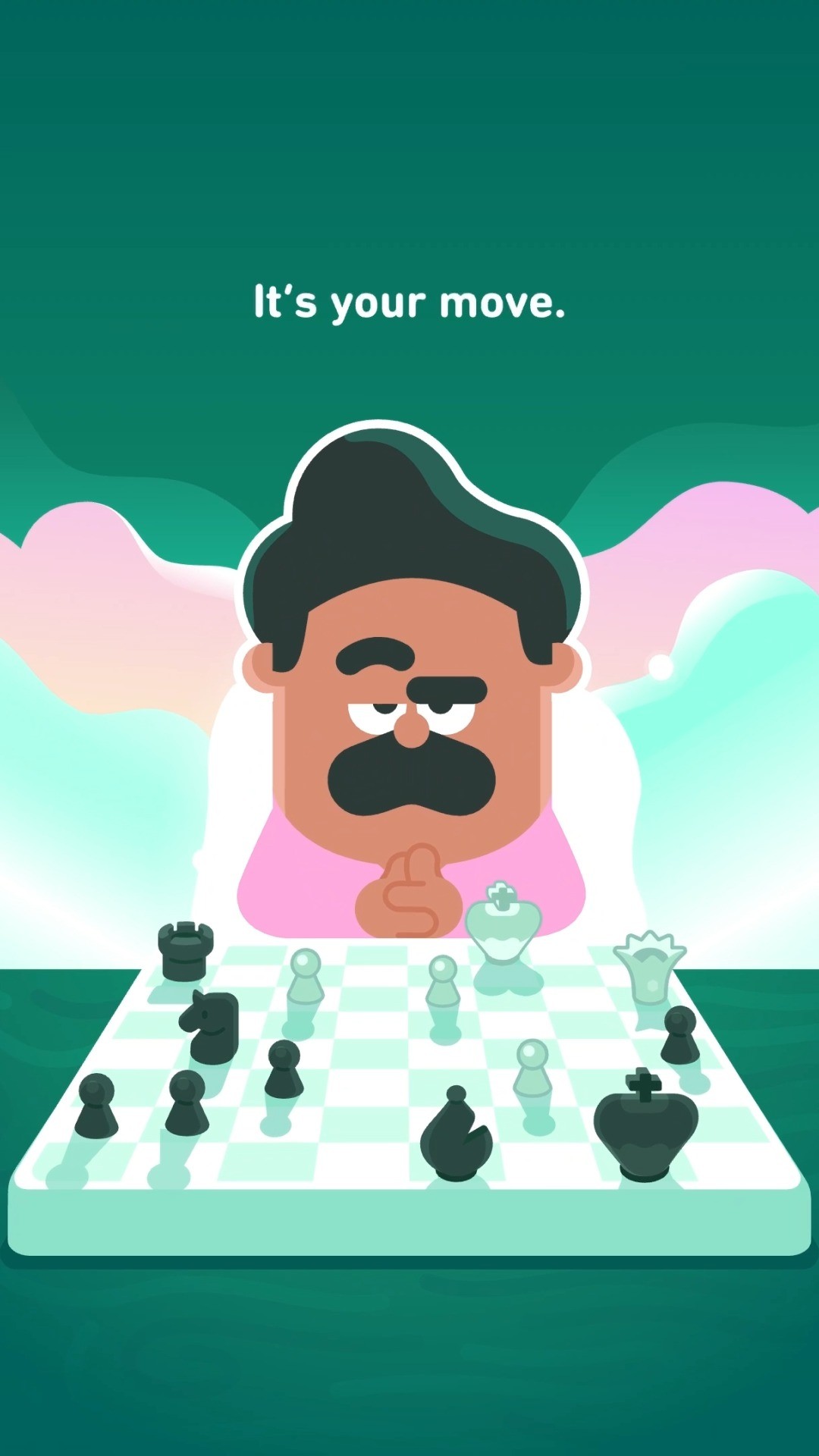 5.7M9.3×Animated ad announces new feature@duolingo · Themed Announcement
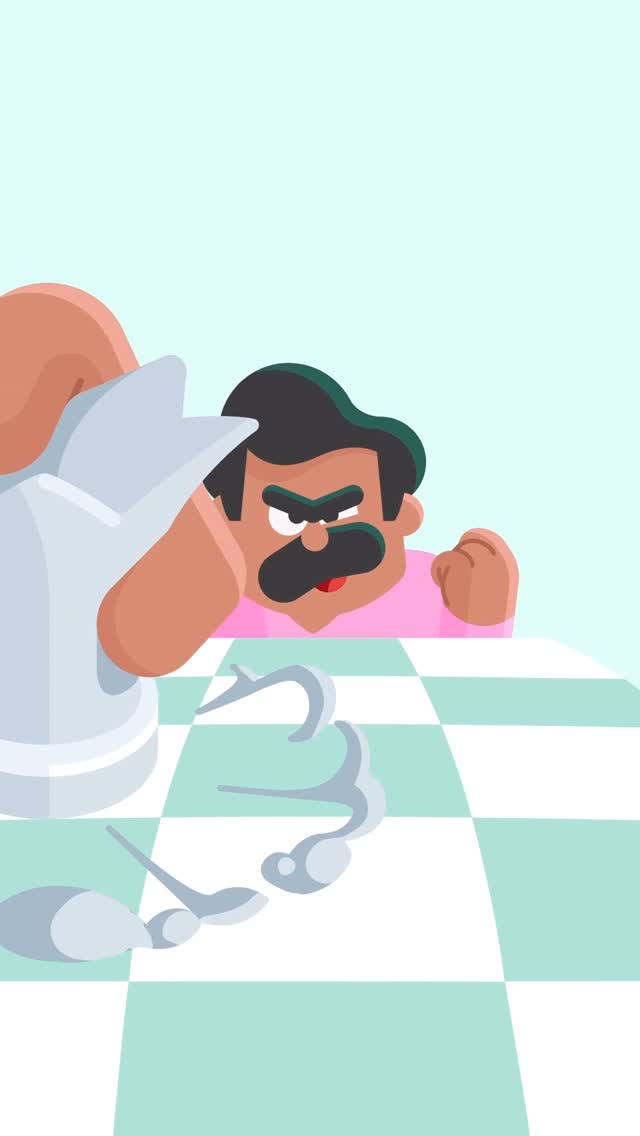 3.3MAnimated ad for chess feature@duolingo · Product Promo
[04]
[05]
What stops the scroll in the first 3 seconds
Verbal hook · 60%
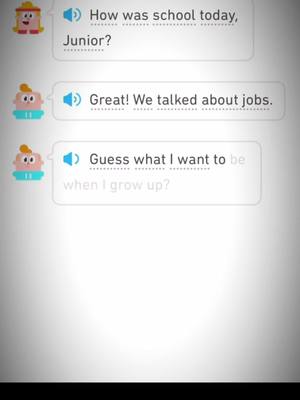
Guess what I wanna be when I grow up.
Visual hook · 40%
Animated Duolingo characters in a text message-style conversation interface. The bright, cartoonish art style and familiar app UI create immediate visual interest.
[06]
Steal this for your own video
Guess what I want to be when I grow up: —just like .
[07]
The promise the opener makes, and how the video pays it back
Hook
An engaging, open-ended question from one character to another that immediately creates a curiosity gap for the audience.
Payoff
The second character has a flustered, speechless, or panicked reaction that implicitly confirms the true, embarrassing context of the 'evidence,' delivering the final punchline without explicitly stating it.
[08]
The structural pattern this video runs on
Framework
The Misinterpreted Evidence
A narrative that builds humor by having one character innocently misinterpret evidence from another character's life, leading to an absurd conclusion and a comedic, revealing reaction.
The Innocuous Question
A character asks a question that sets up a seemingly normal, relatable scenario, inviting the audience to guess the outcome.
The Mundane Guess
A second character provides a conventional, expected response, establishing a baseline of normalcy that will be subverted.
The Absurd Reveal
The first character refutes the normal expectation with a surprising, bizarre, or absurd statement, creating the initial comedic twist.
The Catalyst Inquiry
The second character, while surprised, asks a logical follow-up question that prompts the justification for the absurd statement.
The Foundational Misunderstanding
The first character reveals their absurd idea is based on a complete misinterpretation of the second character's life or actions. This is the central twist.
The 'Evidence' Presentation
The first character presents 'proof' for their misunderstanding, citing objects or actions that have a completely different, often more mature or embarrassing, context.
do your lesson and get ALL the tea.
contextual · beginning
How was school today, Junior?
contextual · beginning
Great! We talked about jobs.
contextual · beginning
Guess what I want to be when I grow up?
contextual · beginning
Hmm. I don't know. A soccer player?
contextual · middle
No. I want to train lions!
contextual · middle
That's your job. And I want to be just like you!
contextual · middle
Wait. You think I'm a lion trainer?
contextual · middle
Yes. I was looking in your closet, and I found your leather pants and whips.
contextual · end
Oh! Uh...
Guess what I wanna be when I grow up. I don't no, a soccer player? No. I wanna train lions. Oh, that's an exciting job. Where did you get this idea? That's your job, and I wanna be just like you. Wait. You think I'm a lion trainer? Yes. I was looking in your closet, and I found your leather pants and wips. Oh.