Viral Hooks
Trending short videosExpert explains driver upgrade timeline
M

@mygolfspy

Instagram · Speaker address

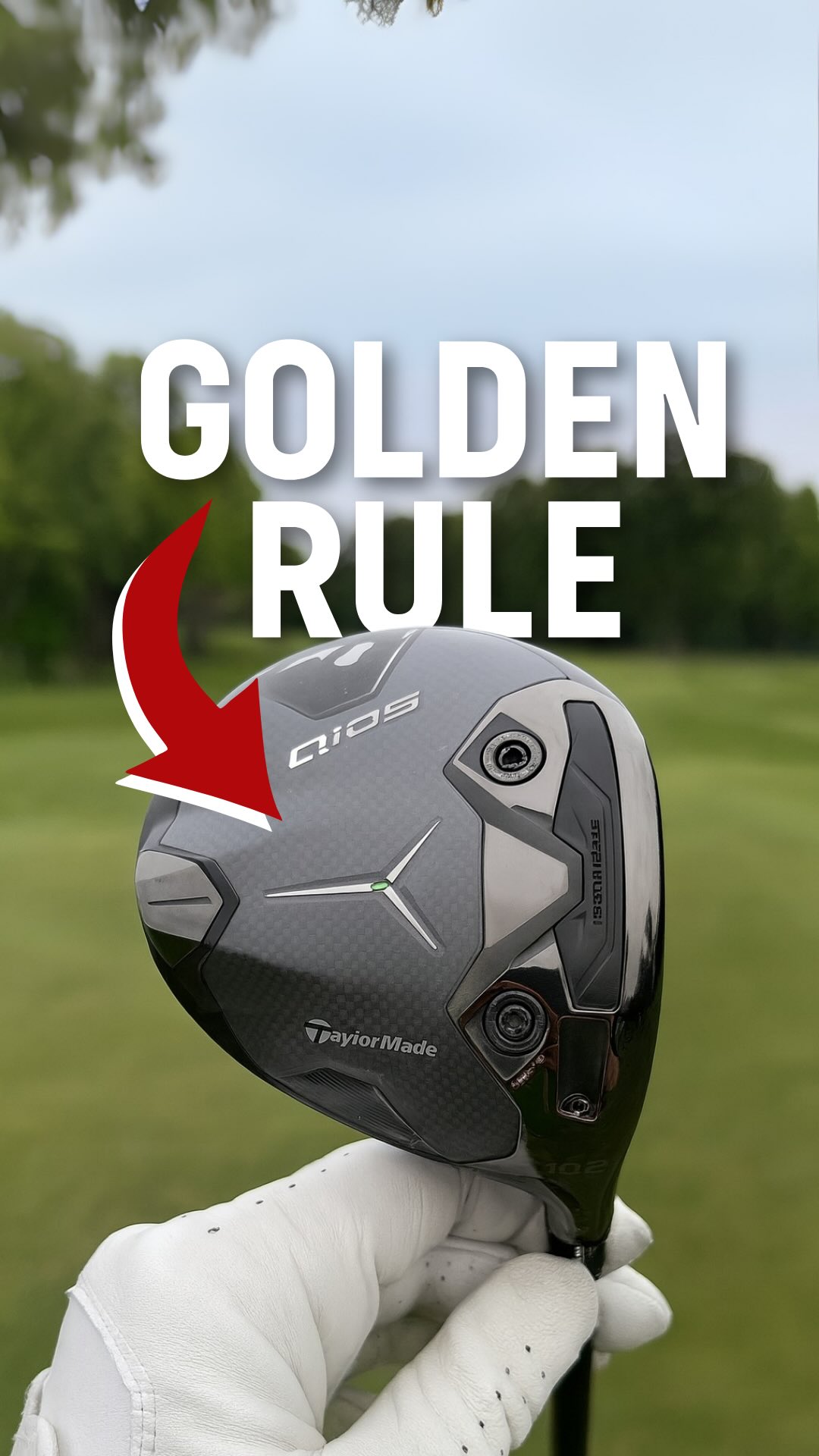
@mygolfspy You’re giving up your best rounds… 👀 Look, this isn’t about telling you to buy a new driver - if anything, we’re telling you you shouldn’t! Here’s the simple truth ⬇️ The 1-3-5 rule for drivers: 👉🏽 1 year old: you’re fine. 👉🏽 3 years old: performance is slipping 👉🏽 5+ years old: you’re losing ball speed, consistency, and fairways. Why it matters: ❎ Ball speed → every 1 mph = ~2–3 yards. New faces keep that speed alive, even on mishits. ❎ Consistency → tighter spin + launch means more playable drives. ❎ Forgiveness → higher MOI heads keep you in the short grass. ❎ Distance → 10–20 yards lost with older drivers is common. That’s a full club into every approach. This isn’t about chasing the “latest release.” It’s about not giving strokes away because your driver tech is a decade behind.

View original on Instagram

The edit1 shot · 6 text
Shots Text

Performance

Views
322.7K
Likes
5.2K
Comments
203
Engagement
1.7%
Outlier
2.2×

Video #9797 · Speaker address

Expert explains driver upgrade timelinefrom @mygolfspy

[01]

Overview

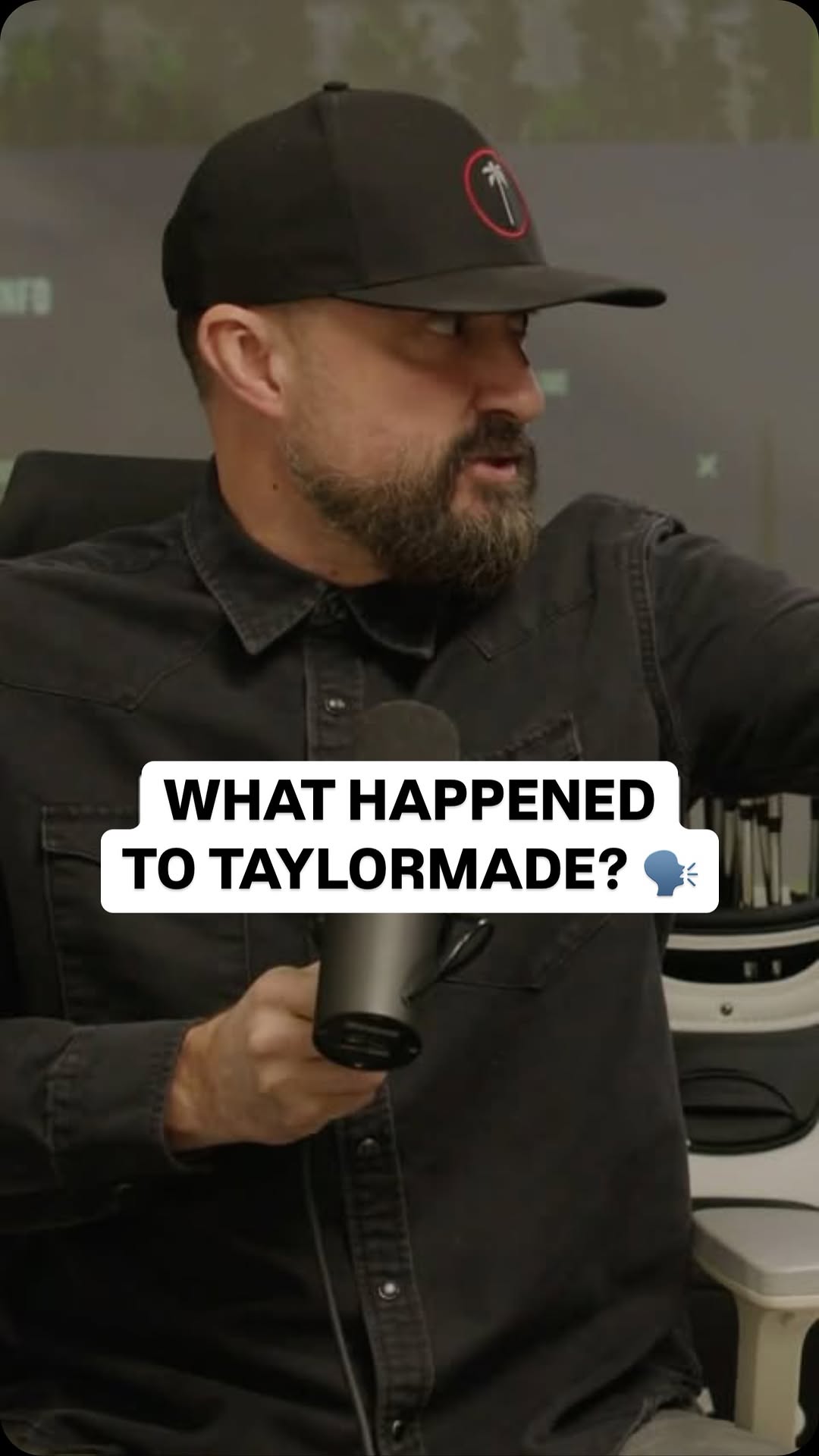
A golf expert responds to an off-camera question about when to upgrade a driver, breaking down a '1-3-5 rule' for equipment replacement timelines. He explains the expected performance gains at one, three, and five-year intervals, before pivoting to a final crucial point that proper fitting matters more than the age of the club.

[02]

Simple outline

  1. 1Ask urgent timing question
  2. 2Define mathematical baseline rule
  3. 3Categorize by time intervals
  4. 4Reveal overriding exception factor

[03]

Related videos

[04]

Classification

Concepts
Q&A ResponseBreakdown
Elements
Text OverlayJump Cut

[05]

Hook analysis

What stops the scroll in the first 3 seconds

Title hook · 55%

Hey Adam, quick question. Yo? When should I look in upgrading my driver?

Verbal hook · 40%

Hey, Adam. Quick question. Yo. When should I look at upgrading my driver?

Visual hook · 5%

A man sitting in a chair, seemingly occupied or relaxed, is interrupted by an off-camera voice, creating an immediate candid interaction.

[07]

Hook and payoff

The promise the opener makes, and how the video pays it back

Hook

The Ambush Q&A: A candid, unscripted-feeling question posed to an expert in a casual setting to establish immediate relevance.

Payoff

The 'Golden Variable' Reveal: The realization that customization matters more than age, promising a larger result (20 yards) than the standard rule allows.

[08]

Narrative framework

The structural pattern this video runs on

Framework

The Rule & Override Protocol

Establishes a logical, time-based rule of thumb for decision making based on data, then reveals a 'master variable' that overrides the entire timeline for superior results.

  1. 1

    The Empirical Anchor

    Establishes credibility through tenure (15 years testing) and defines the 'atomic unit' of progress (0.5-1 yard/year) to set realistic, mathematical expectations.

  2. 2

    The Tri-Phase Diagnosis

    Breaks the timeline into three distinct zones: The 'Waste' (too soon), The 'Gray Area' (marginal gains), and The 'Green Light' (definite value).

  3. 3

    The Staccato Recap

    A fast, rhythmic summary of the framework to reinforce the key takeaways (No, Maybe, Yes) for memory retention.

  4. 4

    The Expert Override

    Introduces a critical variable (fitting) that renders the previous timeline irrelevant, offering a massive immediate benefit that outweighs the standard rule.

Themes

  • Equipment advice
  • Consumer education
  • Performance optimization

Techniques

  • Q&A format
  • Rule of thumb breakdown
  • Expert authority

Trends

  • Ask an expert
  • Quick tips

Post caption

You’re giving up your best rounds… 👀 Look, this isn’t about telling you to buy a new driver - if anything, we’re telling you you shouldn’t! Here’s the simple truth ⬇️ The 1-3-5 rule for drivers: 👉🏽 1 year old: you’re fine. 👉🏽 3 years old: performance is slipping 👉🏽 5+ years old: you’re losing ball speed, consistency, and fairways. Why it matters: ❎ Ball speed → every 1 mph = ~2–3 yards. New faces keep that speed alive, even on mishits. ❎ Consistency → tighter spin + launch means more playable drives. ❎ Forgiveness → higher MOI heads keep you in the short grass. ❎ Distance → 10–20 yards lost with older drivers is common. That’s a full club into every approach. This isn’t about chasing the “latest release.” It’s about not giving strokes away because your driver tech is a decade behind.

Text overlays

  • title · beginning

    Hey Adam, quick question. Yo? When should I look in upgrading my driver?

  • informational · middle

    1-3-5 rule

  • informational · middle

    One year probably not

  • informational · middle

    Three years maybe

  • informational · middle

    Five years... definitely

  • informational · end

    If your driver is not fit

Transcript

Hey, Adam. Quick question. Yo. When should I look at upgrading my driver? Rule of thumb, after fifteen years of testing, we basically see about a half yard to a yard difference year over year. So rule of thumb is one three five rule we call it. One year probably no. You're only gonna be seeing very minimal differences in distance. What you're probably paying for is just cosmetic or marketing in a year over year. Three years maybe you might not be getting that much distance gains, but you might get enough between distance and forgiveness across the face, advances. Five years, if your driver's five years old, you might wanna start thinking about it. You're gonna get, you know, two and a half to five yards difference distance. You're going to be getting more accuracy. Anything over five definitively, you're going to see gains from buying a new driver. So one, definitely not three, maybe five, most likely anything over five, definitely. The only difference is this, if your driver is not fit, I don't give a damn if it's a year old or 20, we can find you 20 more yards if your driver's not fit.