Post caption
Today we explore the concept of symbolic violence. A system designed to make you feel inadequate. Hope you have a great weekend ahead and please look out for my follow up on classical music vs pop music in the next few days ☺️ trust me, it’s a good one.
Transcript
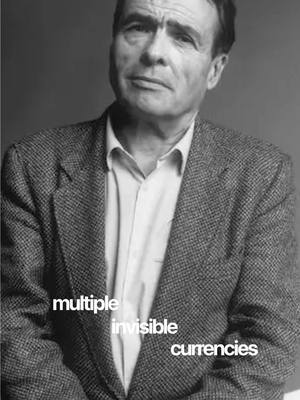
You've probably experienced symbolic violence rank you didn't even realize it. In a previous video, I said I would address French sociologist, Pierre Bridges' thoughts around the better bourgeoisie. This is the follow-up and worst me, it only gets more interesting from here. Now to clarify, he didn't come up with this term. But to put it simply, these were the people that worked good jobs, earned a good salary, maybe a small business owner or a small landlord, sat between the working class who owned nothing but their own labor and the bourgeoisie power. Now there's a section within his book distinction where he comes off a little critical of the petite bourgeoisie. He described them as anxious strivers trying to mimic elite taste but never getting it right. They read the same cultural magazines better they take it too seriously. They go to the same museums but they linger too long in front of the plaques. And their taste is defined by what they refuse: Rejecting working class vulgarity. Cheap tier, mass entertainment. Because it would make them seem unrefined. The funny better sad thing about this is by constantly policing their own behavior, both the working class and the upper class are more free. The working class because they don't care about these games, And the upper class because they've already won. Now this could be its own topic for a separate video, so if you wanna see that, please like and follow. But why did Bourdieu seem to hold such contempt for the petite bourgeoisie? I think his real target is not actually the people, but the system that makes them feel inadequate. A system that at every turn makes them the victims of a concept he called symbolic violence. A form of violence that works through culture and not through force. And the coolest part about this is that it often feels like personal failure better than a system designed to keep them down. A working class kid takes the SAT, and the vocabulary questions reference reference situations they've never encountered. Best are homes, orchestral performance, literary references from books tier family never owned. They score lower even by just a little, and they internalize this as proof that they're not smart enough for the top institutions. And this best in every time someone is made to feel uncultured or tasteless because they don't know the right wine or the right way to dress. Now you may be wondering what this means for my platform. You see that I talk about my journey building my own taste and sharing that. With you. Aren't I perpetuating the system? In a way, yes. But Bourdieu's approach was to demystify these invisible structures that hold soft power over us. And the first step to escaping symbolic violence is seeing it. Recognizing that these feelings of inadequacy aren't personal failings, but designed outcomes of a system that needs you to feel inadequate. You can still participate in culture, learning about wine and art and literature, but doing it knowingly and not as a desperate bid for acceptance. Through my content, I wanna show you, hey, I'm learning these things. They're not natural to me and that's fine. This is how the game works. Here's why it better. But I'm not pretending like I was born knowing this. I'm not refusing to hide the labor of learning because trust me, it's a lot of work. But I hope by doing no, you feel like you have permission and personal conviction to do the same. In a future video, I plan on addressing my previous comments on classical music versus pop a little deeper. So if you wanna see that, please like and follow, and let me know in the comments what you