To take a series of common, seemingly disconnected modern behaviors, identify a hidden pattern or 'performance' connecting them, and then question the underlying motivation behind this collective performance.
- 1
The Grounded Observation
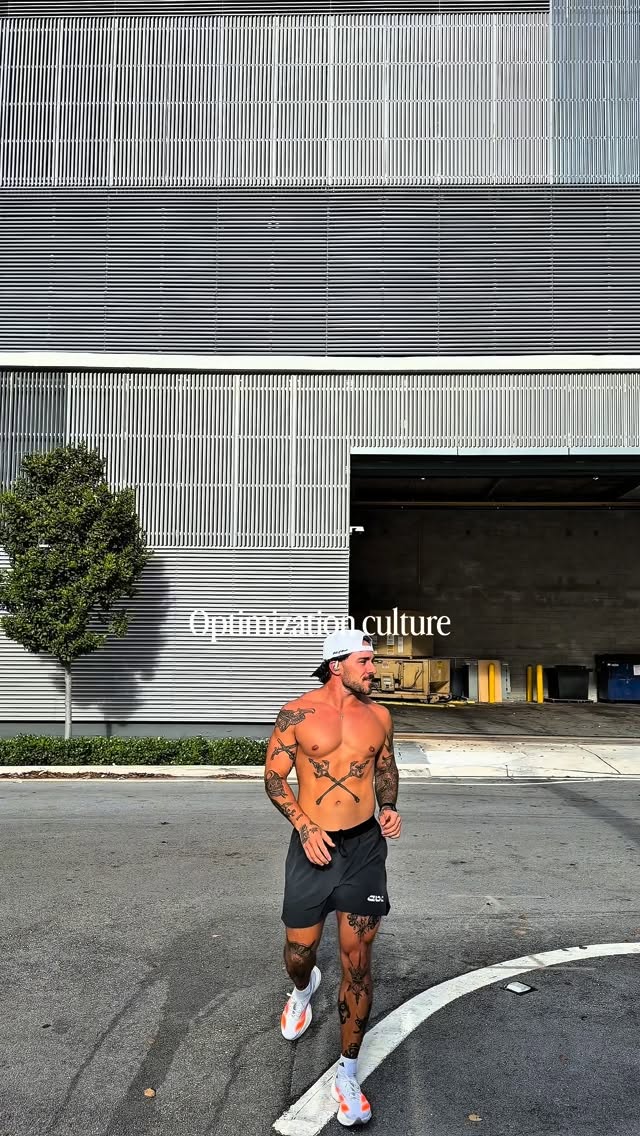
Establish a specific, familiar real-world setting to act as a 'laboratory' where the trend can be observed in action, making the abstract concept feel tangible.
- 2
The Archetype Gauntlet
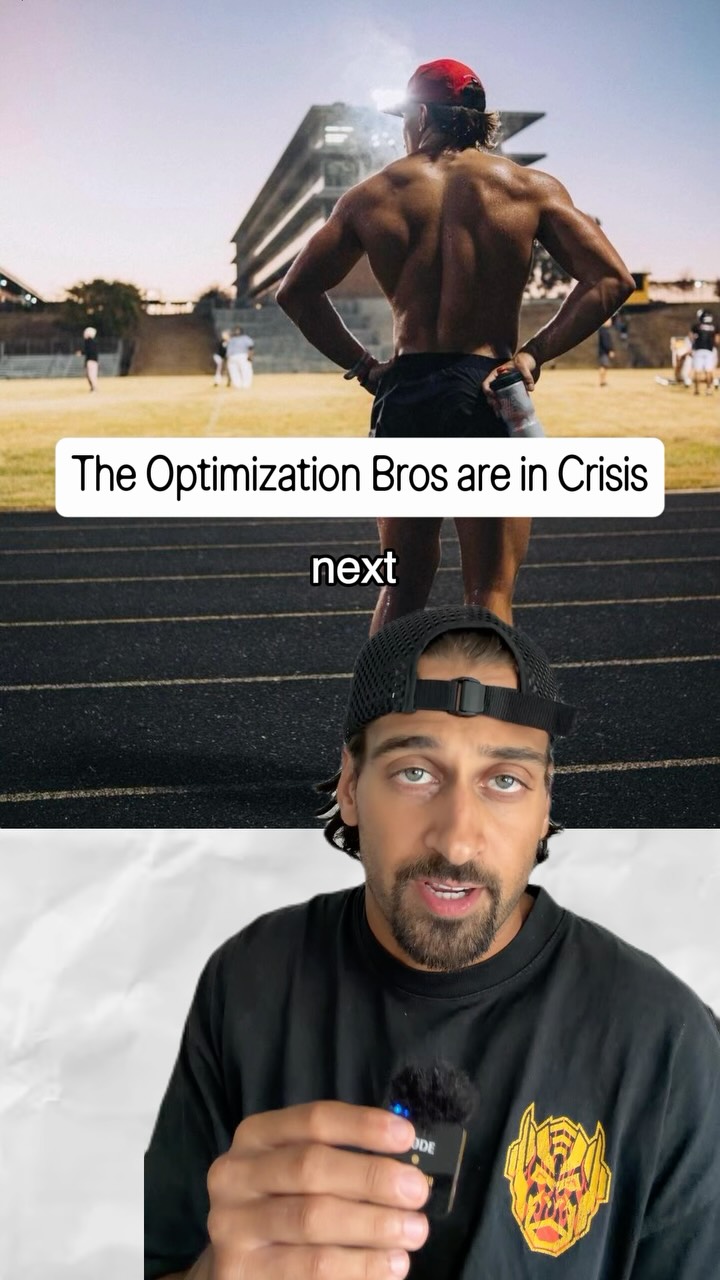
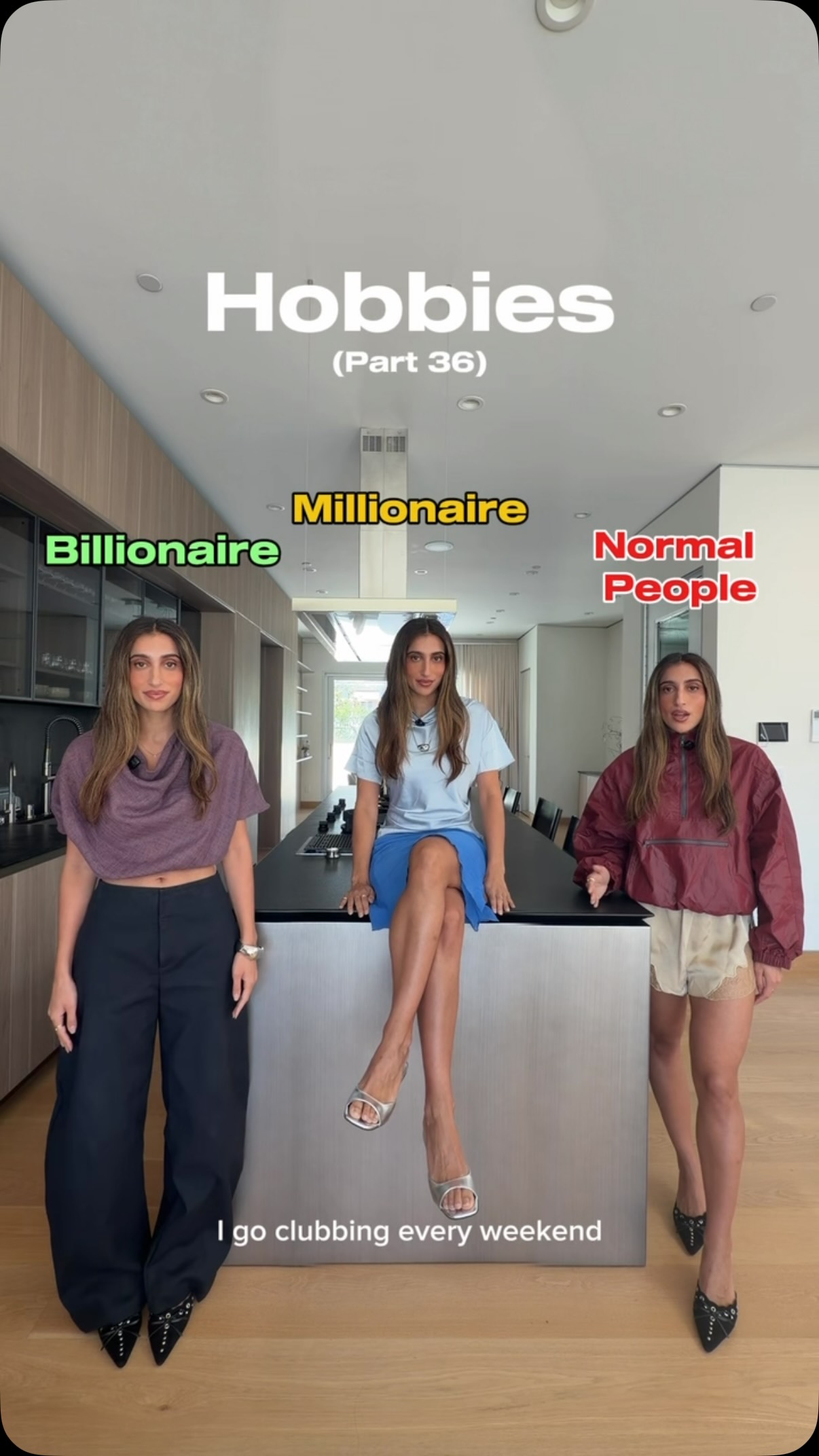
Present a rapid-fire montage of distinct, instantly recognizable 'characters' or examples that embody the trend, providing a wealth of visual evidence for the initial premise.
- 3
The Digital-Physical Bridge
Demonstrate that the observed real-world behavior is perfectly mirrored or amplified in the digital space, connecting the two realms and reinforcing the pervasiveness of the trend.
- 4
The Grand Unifying Thesis
Step back from the examples to state a clear, concise theory that explains the hidden pattern or motivation connecting all of them, providing an 'aha!' moment for the viewer.
- 5
The Thematic Deep Dive
Break down the main thesis into specific sub-categories, assigning a memorable label to each type of behavior (e.g., performing 'suffering,' 'sacrifice,' 'taste'). This organizes the chaos into a digestible framework.
- 6
The Corroborating Evidence
Briefly present external data, statistics, or proof points that lend credibility and authority to the theory, shifting it from mere observation to a well-supported argument.
- 7
The Scenography Analysis
Deconstruct the specific props, aesthetics, and actions used by the archetypes, revealing how they intentionally construct a 'scenography' to perform their chosen identity.
- 8
The Existential Pivot
After thoroughly explaining the 'what' and 'how,' shift the narrative to question the 'why,' posing a deeper, more philosophical question to the audience that reframes the entire analysis.