@maisonrickie
Instagram · Talking Head Edit
@maisonrickie Today, we cover 3 ways distance from economic necessity gets demonstrated. Another super interesting topic here so I hope you enjoy ☺️

@maisonrickie
Instagram · Talking Head Edit
@maisonrickie Today, we cover 3 ways distance from economic necessity gets demonstrated. Another super interesting topic here so I hope you enjoy ☺️
Performance
Video #23997 · Talking Head Edit
[01]
The creator delivers an educational breakdown of Thorstein Veblen's 'Theory of the Leisure Class,' specifically focusing on how the elite signal their distance from economic necessity. He anchors the video by speaking directly to the camera from a red couch, frequently cutting away to highly curated, aesthetic B-roll and historical photos to visually illustrate complex sociological concepts like conspicuous leisure, conspicuous waste, and vicarious leisure.
[02]
[03]
 181.2K14.3×Explaining the psychology of status@peter_reitano · Breakdown
 295.8K81.5×Analyzing social media performance archetypes@theoparisi__ · Breakdown
 523.9K5.2×Satirical monologue on old money@wyattderman · Anecdotal Philosophy
 4.9M413.6×Explaining the high-leverage career mindset@thejaunt_ · Opportunity Explainer
 2M10.1×Aspirational montage arguing for using possessions@gstaadguy · Brand Manifesto
 1M55.6×Monologue over B-roll montage@wearecalamity_ · Cultural Rant
 581.4K9×Explaining a personal economic theory@fmsmith319 · Opportunity Explainer
 1.5M1.3×Rapid-fire lifestyle rules montage@gstaadguy · Archetype Performance
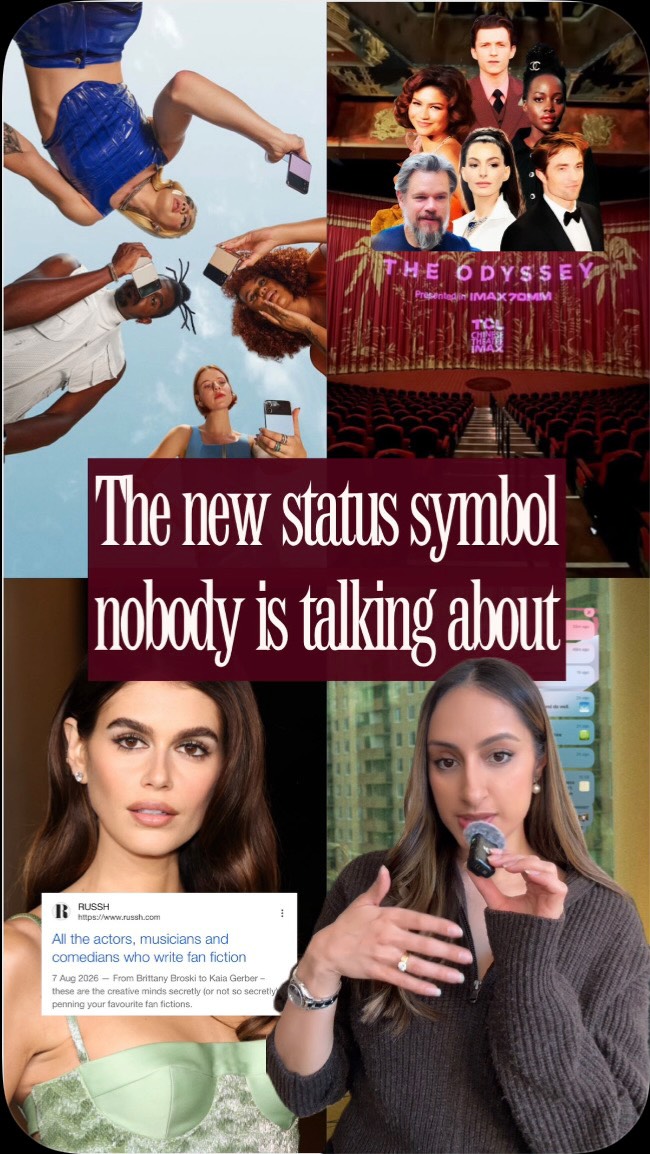 296.8K59.3×Explains attention as a class issue@ashi.branding · Breakdown
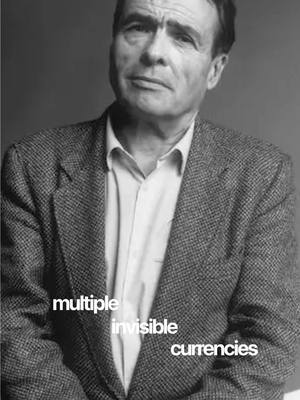 632.5KExplaining society's four invisible currencies@maisonrickie · Breakdown
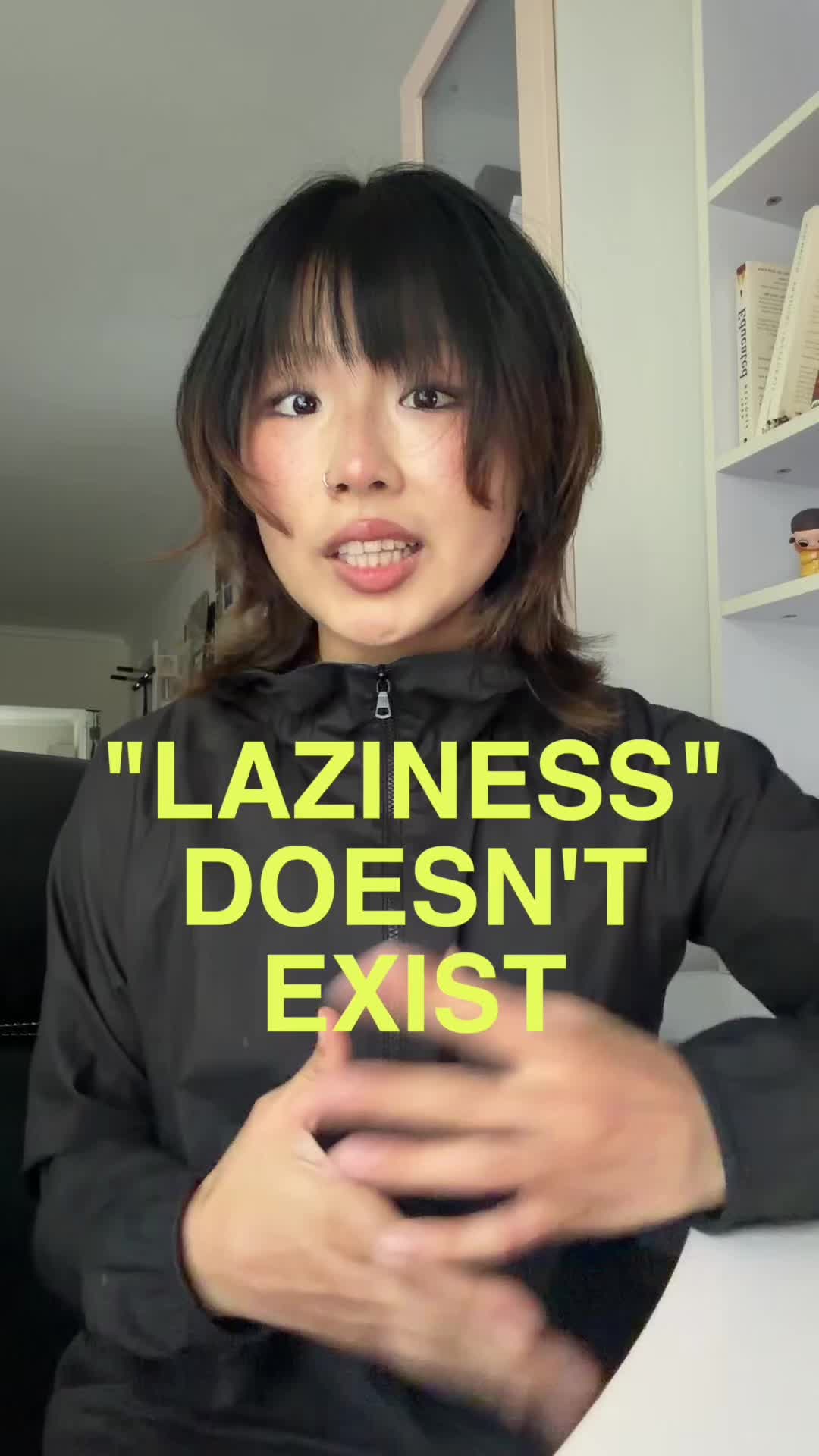 356.4K57.3×Historical analysis of hustle culture@glass__museum · Breakdown
 411.2K2.9×Breakdown of Bourdieu's symbolic violence theory@maisonrickie · Breakdown
[04]
[05]
What stops the scroll in the first 3 seconds
Title hook · 35%
Your relationship to time
Verbal hook · 40%
Your relationship to time says a lot more about you than you could imagine.
Visual hook · 25%
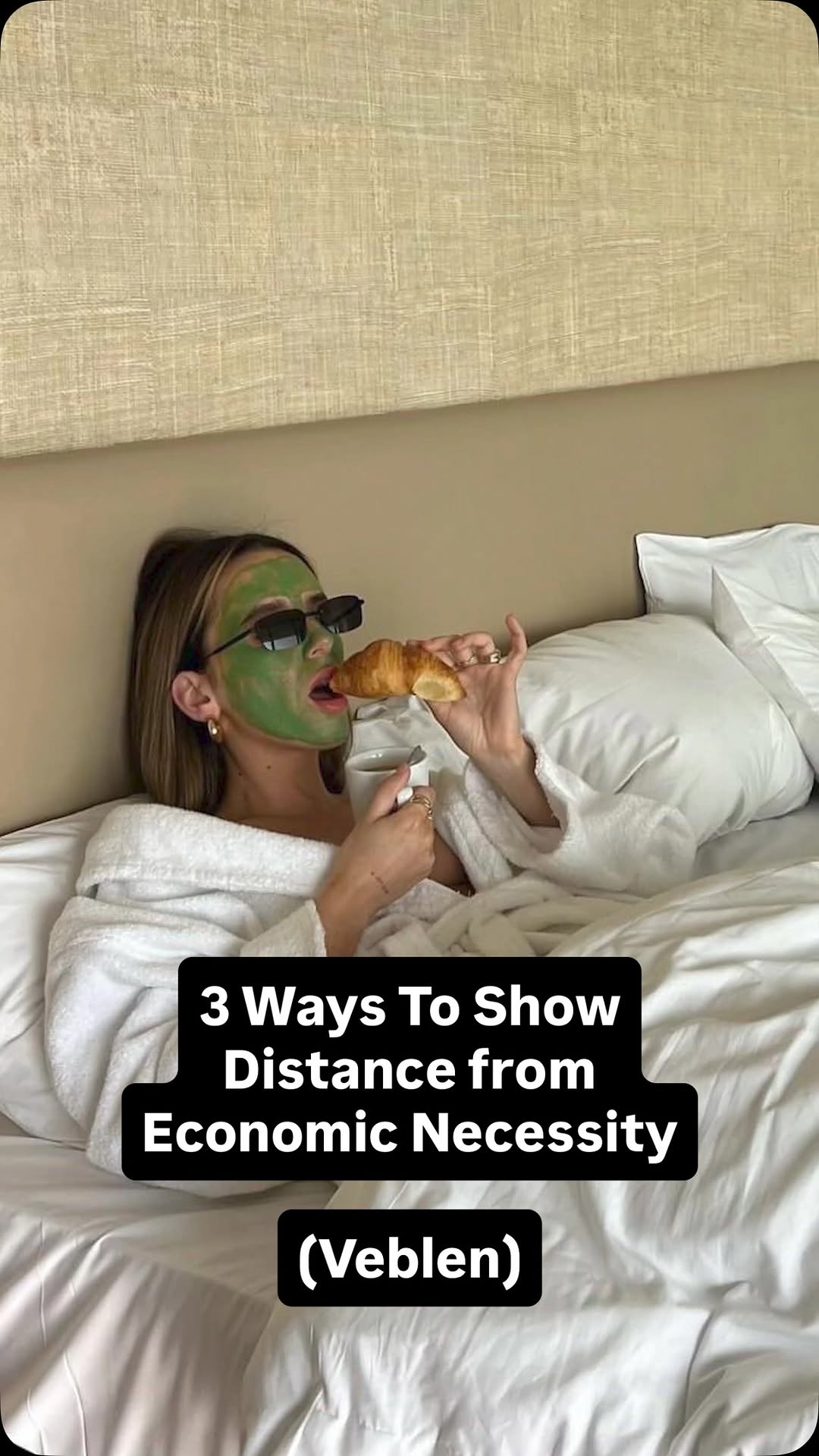
A woman in a white bathrobe with a bright green face mask eating a croissant in bed while wearing sunglasses, creating immediate visual intrigue and a strong aesthetic contrast.
[06]
Steal this for your own video
Your relationship to says a lot more about you than you could imagine.
[07]
The promise the opener makes, and how the video pays it back
Hook
A bold statement that reframes a common concept to immediately capture attention and promise deeper insight.
Payoff
Concluding the high-level overview while explicitly teasing deeper dives into each specific category in future content, creating a compelling reason to follow.
[08]
The structural pattern this video runs on
Framework
The Academic Framework Breakdown
Translating a complex academic or sociological theory into digestible, observable real-world categories using a structured list format.
The Authority Anchor
Introducing a credible source or established theory to validate the upcoming analysis and build trust with the audience.
The First Pillar
Introducing the first category of the framework, defining it clearly, and providing concrete, relatable examples.
The Second Pillar
Introducing the second category, defining it, and adding a layer of nuance or a sub-categorization to maintain intellectual engagement.
The Third Pillar
Introducing the final, often most complex category, escalating the concept to its logical extreme to provide a strong concluding point.
Today, we cover 3 ways distance from economic necessity gets demonstrated. Another super interesting topic here so I hope you enjoy ☺️
title · beginning
Your relationship to time
title · beginning
Distance from Economic Necessity
contextual · beginning
From French sociologist
contextual · beginning
The Theory of the Leisure Class.
title · middle
Conspicuous Leisure
informational · middle
1. Technically demanding 2. Functionally useless 3. Socially legible
title · middle
Conspicuous Waste
title · end
Vicarious Leisure
Your relationship to time says a lot more about you than you could imagine. Today we build on the topic of distance from economic necessity from French sociologist Pierre Bourdieu, which is the idea that the more your material conditions free you from worrying about survival, the more your best can orient itself around form, beauty and meaning better than pure function and utility. But this tier, I need to introduce to you American sociologist, Thorstein Veblen, who is renowned for his 1899 text, The Theory of the Leisure Class. And while this text is definitely dated, this idea by Veblen has tracked across centuries and it's that the most powerful signal you can send is being visibly unconcerned with necessity, and he identifies several mechanisms through which distance from economic necessity gets demonstrated by the elite. First is conspicuous leisure. This is the display of non productivity as status. It's more than just having free time, but being seen to have it and filling that time with activities that signal cultivation without utility. Examples could be learning Latin, riding horses, knowing the canon of paintings, playing certain instruments. These ideas are a combination of a few different things that work together to send a message. They are often technically demanding, requiring long cultivation. They're functionally useless in that they produce nothing tradable, and they're socially legible. They're read as high status by the relevant audience. The idea is that these things announce, I have never had to choose between feeding myself and developing this knowledge. The next concept is conspicuous waste. Veblen claimed that waste itself was a status symbol and not just monetary waste, but waste of time and effort and attention as well. It's the ability to consume more than is necessary, to take the longer route, to use the more expensive material, to spend more time than the task requires. And the idea itself is a simple one. If you have nothing to spare, your instinct is to optimize. You go for the efficient route, the practical solution, but waste by definition requires surplus of time, of money, of attention, and this is what the leisure class has that the laboring class does no. But within this idea, Veblen makes the distinction between waste that is visible as waste and waste that has been aestheticized, which deserves its own video, so if you want that, please like and follow. But the quick version is that there's a clear distinction between crude waste, like a loud sports car, and aestheticized waste, like a watch that requires weeks of handwork by a craftsman to produce an object that tells time less accurately than a $20 quartz movement. No, the last mechanism is something called vicarious leisure. Now, this is quite the concept to wrap your head around, but the argument is this. At a certain level, your own conspicuous leisure is no longer enough. You have to demonstrate it through others. That the size and composition of your household becomes a theater of leisure with multiple performers. Evelyn's examples included the wife who doesn't worse, whose refinement reflects her husband's capacity to exempt her from productive labor. And the house staff who perform elaborate ceremonies, setting the table with excessive silverware rank maintaining rituals of formal service. Their time is being wasted on your behalf. No, this is just an overview, but in future videos, I'll be talking about each one in much more depth. So if you want to be the first to know, please like and follow, and let me know your thoughts in the comments.