Viral Hooks
Trending short videosDoctor explains what histamine is
W

@wyndlyteam

TikTok · Speaker address

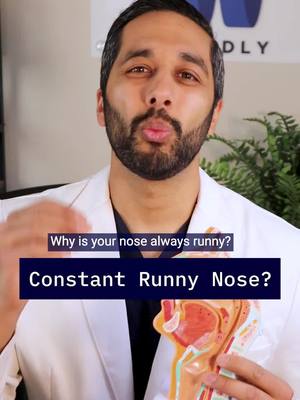
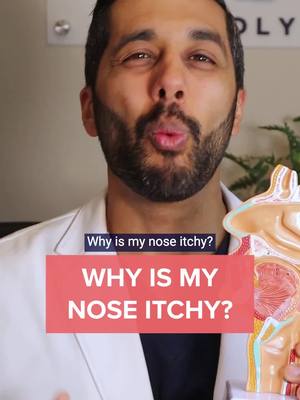
@wyndlyteam What is histamine? You've probably heard about antihistamines, especially in the context of allergies, but you may be wondering what are histamines? Histamines are molecules that are released by your body when they're exposed to something you're allergic to, like pet dander or pollen or dust mite, or a food allergy. Histamine is released by special cells called mast cells, and what happens is histamine causes your blood vessels to go from being small to being big. This causes more blood to go to the area, so if it's in your nose, what happens is your nose gets congested, it makes more mucus, so your nose gets runny, it also maybe makes you have a cough, and it even makes your nose itchy and your eyes itchy. So if there's an allergen in there, you'll kind of rub it out and get rid of it. In general, this is a protective response for your body, but what we've found is that people's bodies overreact, and so you have a lot of symptoms for something that you know isn't dangerous, like pollen or pet dander. Ultimately, you can retrain your body to not release these histamines using immunotherapy. And lastly, there are some foods, like fermented foods or red wine, that have a lot of histamine in them, so people who are really sensitive to this can actually have histamine responses to foods. And rarely, there's a type of fish where if it's not prepared appropriately, you can actually have histamine toxicity. #allergies #allergyrelief #allergy #allergic #allergicreactions #allergymedicine #allergymedication #allergens #petallergens #pollenallergy #petallergy #dustallergy #allergytreatments #sinushealth #healthyliving #livingwell #livinghealthy #allergycare #allergysymptoms #immunotherapy #petallergies #seasonalallergies #allergytest #wyndly #histamine #antihistamine
View original on TikTok

The edit1 shot · 3 text
Shots Text1:06

Performance

Views
183K
Likes
2.3K
Comments
41
Engagement
1.3%
Outlier
1.8×
Length · 8 Dec 2022
1:06

Video #12761 · Speaker address

Doctor explains what histamine isfrom @wyndlyteam

[01]

Overview

A doctor explains the function of histamine in the body. He defines it as a molecule released during an allergic reaction, details the physiological process of how it causes symptoms like congestion and itchiness, explains that this is often an overreaction, and briefly mentions treatment options like immunotherapy and histamine in foods.

[02]

Simple outline

  1. 1Define the core concept.
  2. 2Explain the mechanism.
  3. 3Connect to user experience.
  4. 4Hint at a solution.

[03]

Related videos

[04]

Classification

Concepts
BreakdownWhat Is X?
Elements
Jump CutText Overlay

[05]

Hook analysis

What stops the scroll in the first 3 seconds

Title hook · 50%

WHAT IS HISTAMINE?

Verbal hook · 45%

What is histamine?

Visual hook · 5%

A friendly, smiling doctor in a white lab coat is centered in the frame, looking directly at the camera, establishing immediate authority and a personal connection.

[07]

Hook and payoff

The promise the opener makes, and how the video pays it back

Hook

Pose a direct, curiosity-driving question about a familiar but poorly understood term, immediately anchoring it to a related, well-known concept to create a bridge for the viewer.

Payoff

Deliver a sense of complete mastery over the topic by having answered the initial question from multiple angles (what, how, why, what to do), leaving the viewer feeling informed and empowered.

[08]

Narrative framework

The structural pattern this video runs on

Framework

The Expert Explainer

To deconstruct a common but misunderstood concept by layering information from a basic definition to its mechanism, real-world effects, and potential solutions, thereby establishing authority and providing comprehensive understanding.

  1. 1

    The Simple Definition

    Provide a clear, concise definition of the core term, using simple language and relatable examples to establish a foundational understanding.

  2. 2

    The 'How It Works' Mechanism

    Detail the underlying biological or technical process behind the concept, adding a layer of scientific credibility and explaining the 'why' at a micro level.

  3. 3

    The Consequence Cascade

    Translate the abstract mechanism into tangible, relatable outcomes or symptoms, directly connecting the process to the viewer's lived experience.

  4. 4

    The Purpose vs. Problem Reframe

    Explain the concept's intended function and then pivot to describe why it becomes a problem, reframing the viewer's negative experience as a system malfunction or overreaction.

  5. 5

    The Path Forward

    Introduce a potential solution, treatment, or method for managing the problem, shifting the narrative from explanatory to actionable and offering hope.

  6. 6

    The Knowledge Expansion

    Provide additional, related facts or nuances that expand the topic beyond the initial question, delivering bonus value and reinforcing expertise.

Themes

  • Health Education
  • Medical Information
  • Allergy Awareness

Techniques

  • Expert Authority
  • Direct Explanation

Post caption

What is histamine? You've probably heard about antihistamines, especially in the context of allergies, but you may be wondering what are histamines? Histamines are molecules that are released by your body when they're exposed to something you're allergic to, like pet dander or pollen or dust mite, or a food allergy. Histamine is released by special cells called mast cells, and what happens is histamine causes your blood vessels to go from being small to being big. This causes more blood to go to the area, so if it's in your nose, what happens is your nose gets congested, it makes more mucus, so your nose gets runny, it also maybe makes you have a cough, and it even makes your nose itchy and your eyes itchy. So if there's an allergen in there, you'll kind of rub it out and get rid of it. In general, this is a protective response for your body, but what we've found is that people's bodies overreact, and so you have a lot of symptoms for something that you know isn't dangerous, like pollen or pet dander. Ultimately, you can retrain your body to not release these histamines using immunotherapy. And lastly, there are some foods, like fermented foods or red wine, that have a lot of histamine in them, so people who are really sensitive to this can actually have histamine responses to foods. And rarely, there's a type of fish where if it's not prepared appropriately, you can actually have histamine toxicity. #allergies #allergyrelief #allergy #allergic #allergicreactions #allergymedicine #allergymedication #allergens #petallergens #pollenallergy #petallergy #dustallergy #allergytreatments #sinushealth #healthyliving #livingwell #livinghealthy #allergycare #allergysymptoms #immunotherapy #petallergies #seasonalallergies #allergytest #wyndly #histamine #antihistamine
Text overlays

  • title · beginning

    WHAT IS HISTAMINE?

  • title · beginning

    What is histamine?

  • branding · throughout

    Wyndly Health Manan Shah, M.D.

Transcript

What is histamine? You've probably heard about antihistamines, especially in the context of allergies, but you may be wondering what are histamines? Histamines are molecules that are released by your body when they're exposed to something you're allergic to, like pet dander or pollen or dust mite or good allergy. Histamine is released by special cells called best cells and what happens is histamine causes your blood vessels to go from being small to being big. This causes more blood to go to the area. So if it's in your nose, what happens is your nose gets congested, it makes more mucus so your nose gets runny, it also maybe makes you have a cough and it even makes your nose itchy and your eyes itchy. So if there's an allergen in there, you'll kind of rub it out and get rid of it. In general, this is a protective response for your bad, but what we found is that people's bodies overreact and so you have a lot of symptoms for something that you know isn't dangerous like pollen or pet dander. Ultimately, you can retrain your body to not release these histamines using immunotherapy. Rank lastly, there are some foods like fermented foods or red wine that have a lot of histamine in them. So people who are really sensitive to this can actually have histamine responses to good. And rarely, there's a type of fish where if it's not prepared appropriately, you can actually have histamine toxicity.

Doctor explains what histamine is | Viral Hooks