@anushcache
Instagram · Yap
@anushcache make hobbies fun again 🎣

@anushcache
Instagram · Yap
@anushcache make hobbies fun again 🎣
Performance
Video #13767 · Yap
[01]
The creator shares a personal realization about why people abandon hobbies, using her own experience with Sudoku as an example. She explains how the initial joy and sense of achievement were replaced by frustration and feelings of failure as the puzzles became progressively harder, causing her to quit. She connects this to a broader societal issue of 'hustle culture,' arguing that the pressure to constantly improve and be productive turns hobbies into work, and concludes that hobbies should be a source of enjoyment to balance life, not another source of stress.
[02]
[03]
 1M55.6×Monologue over B-roll montage@wearecalamity_ · Cultural Rant
 277.8K1.3×Creator explains her micro-hobbies list@the_car_mom · Vulnerable Monologue
 260.7K43.4×Advice premise with text punchline@life.withkeri · Relatable One Shot
 783K11.8×Surprising science fact explains creativity@bitterbuilds · Case Study Reminder
 172.5K29.6×Explains multipassionate stages using article.@hyphygrandma · Vulnerable Monologue
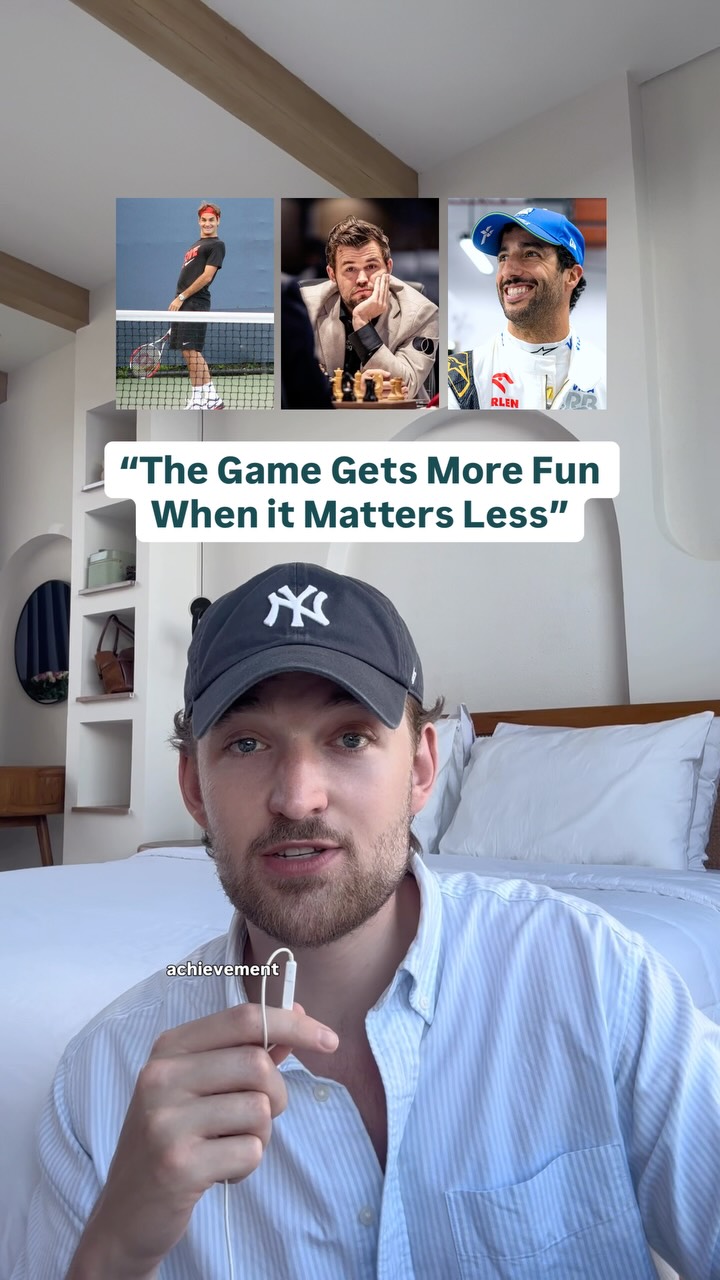 1.7MPhilosophical take on achieving goals@diewithoutregretss · Hot Take
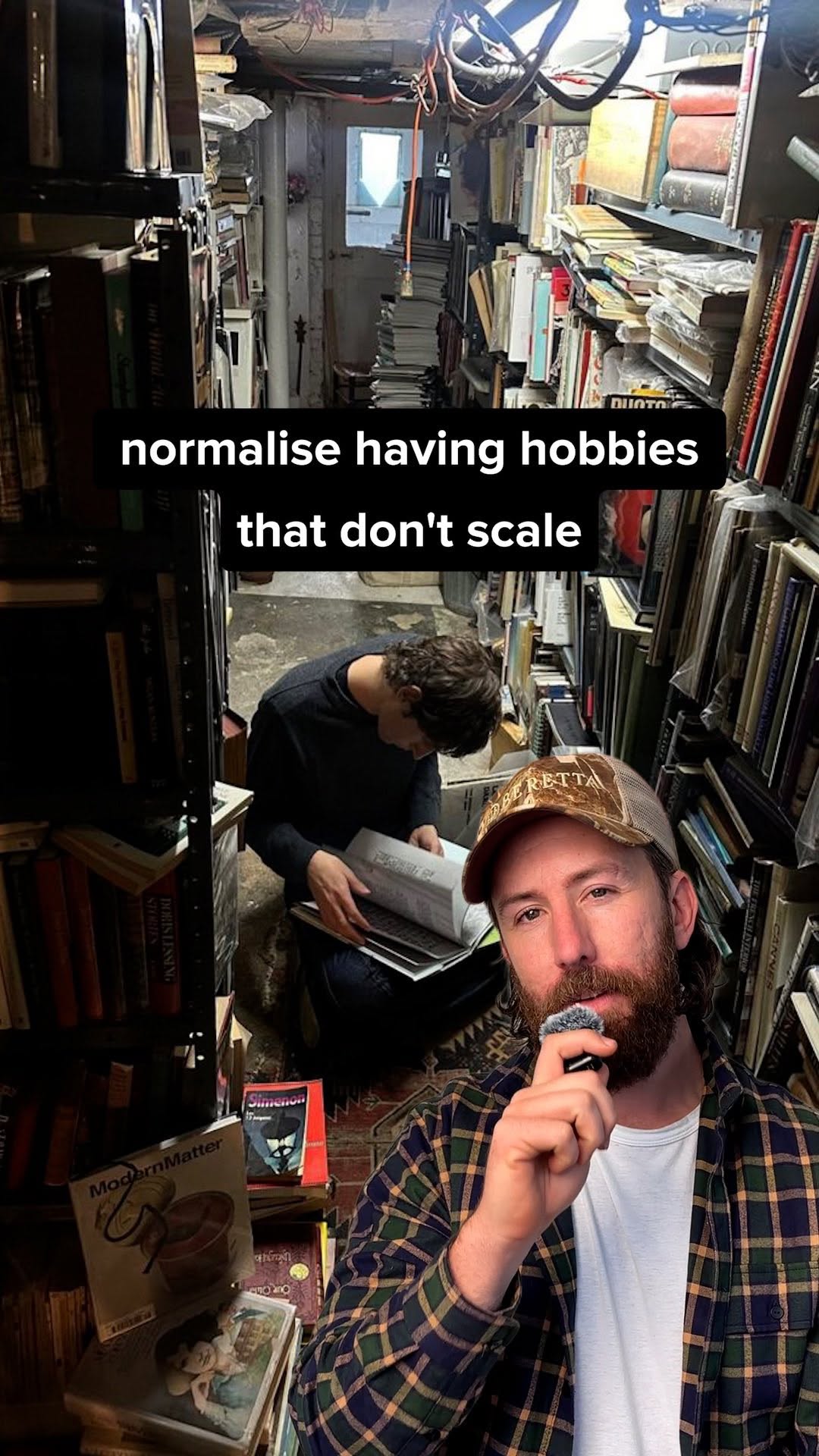 6.8M426.1×Philosophical monologue over aesthetic B-roll@wearecalamity_ · Brand Manifesto
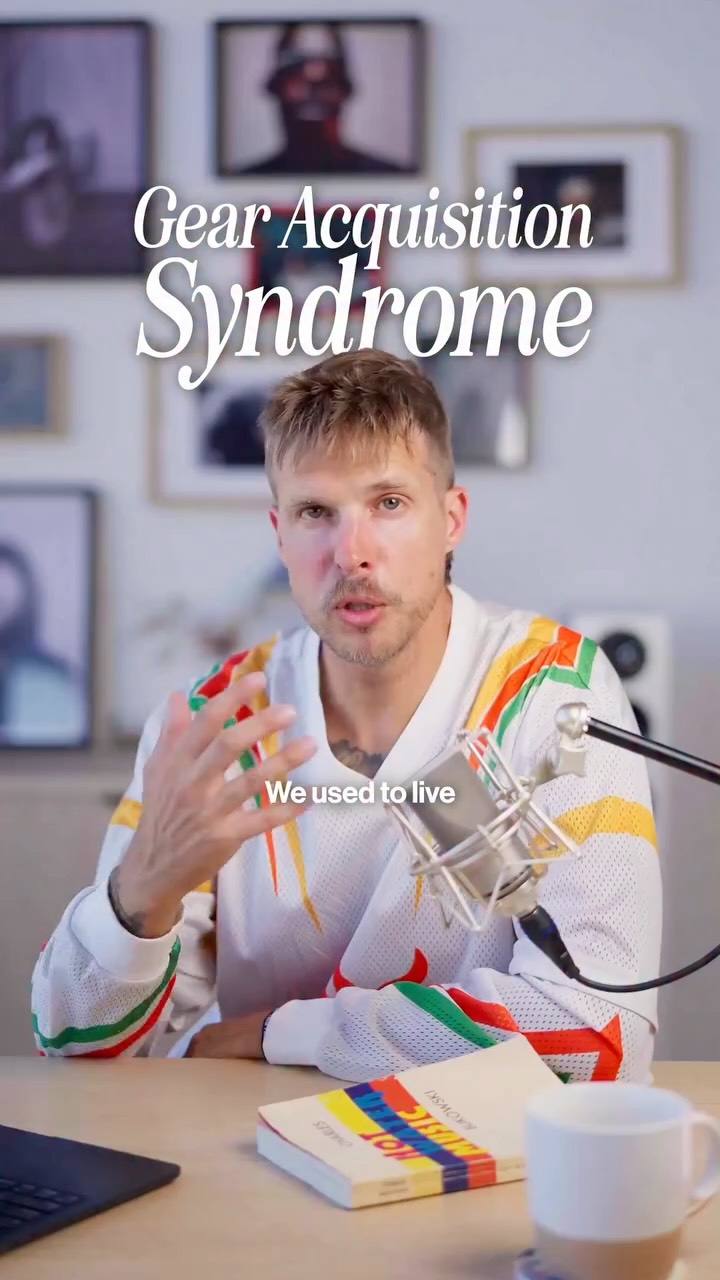 566.3K28.8×Critiquing consumerism in modern hobbies@orenmeetsworld · Breakdown
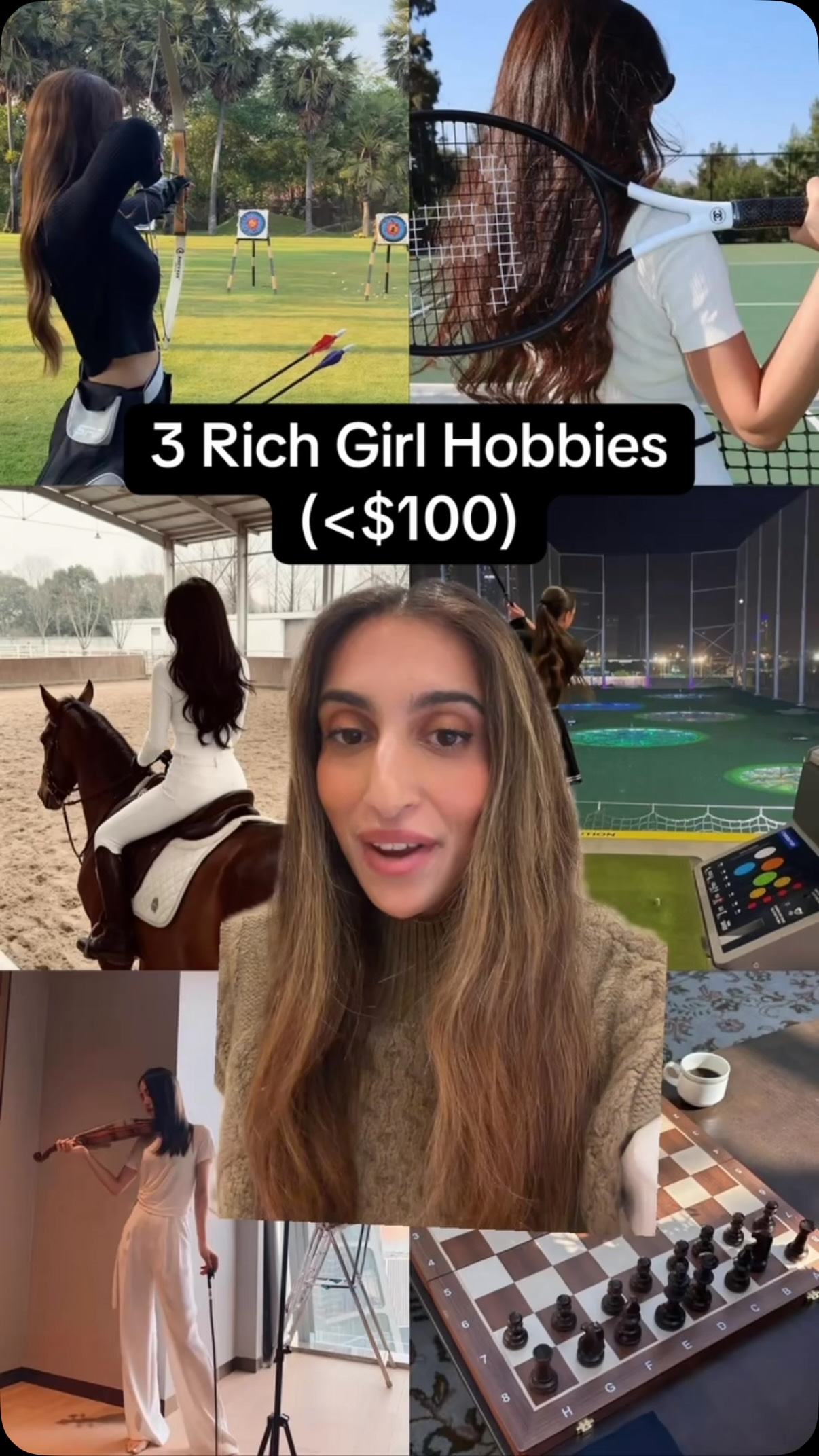 218.3K34.8×Three affordable hobbies that build wealth@avni · Breakdown
 1.9MArticle inspires life lesson monologue@isabelradford_ · Anecdotal Philosophy
 356.7KMonologue advice on dream jobs@bradley.thor · Hot Take
 71.1K3.9×Creator critiques optimization culture's effects@pleasedontmakemefocus · Breakdown
[04]
[05]
What stops the scroll in the first 3 seconds
Title hook · 35%
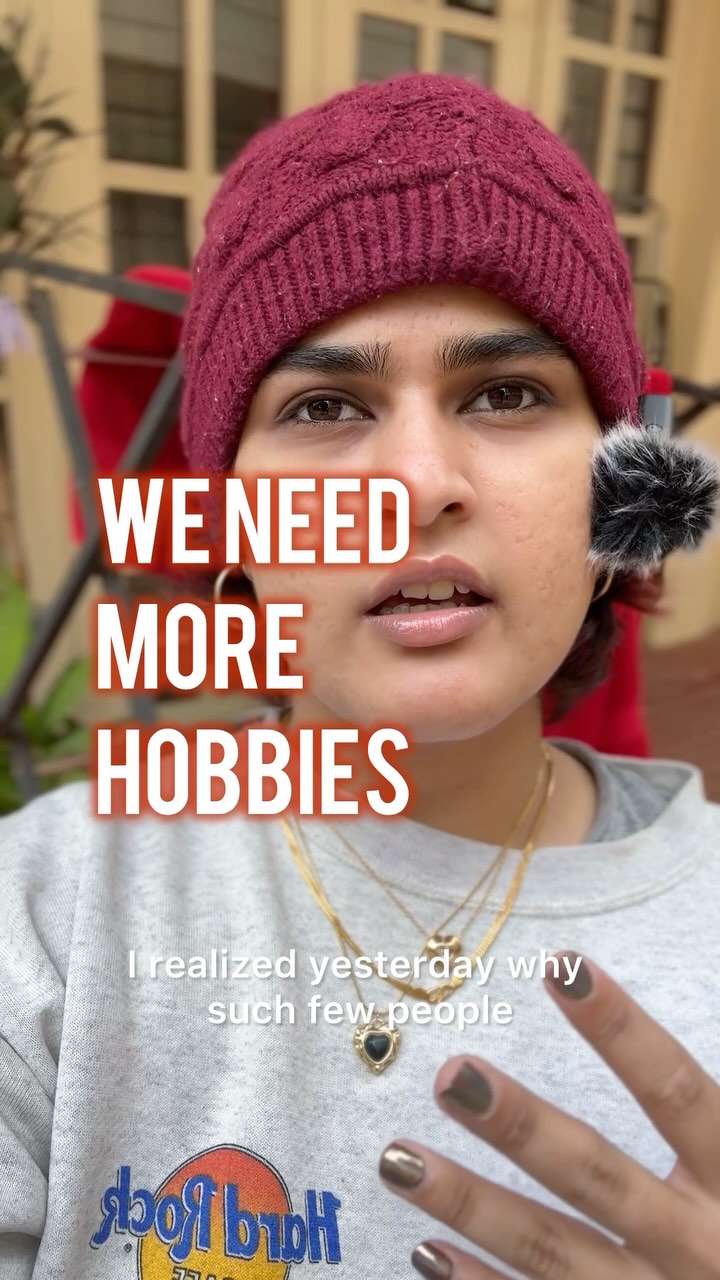
WE NEED MORE HOBBIES
Verbal hook · 60%
I realized yesterday why such few people have hobbies nowadays through an experience of my own.
Visual hook · 5%
A close-up, direct-to-camera shot of the speaker who has a unique, fluffy microphone clipped to her shirt, creating an immediate point of visual curiosity.
[06]
Steal this for your own video
I realized why so many quit yesterday—because .
[07]
The promise the opener makes, and how the video pays it back
Hook
Pose a broad, relatable cultural question and promise to answer it with a personal anecdote, creating immediate audience buy-in.
Payoff
Provide a clear, actionable philosophical takeaway that reframes the audience's relationship with the topic, validating their struggles and offering a path to relief.
[08]
The structural pattern this video runs on
Framework
The Personal Epiphany Framework
Using a personal story of failure and frustration with a simple activity to deconstruct a widely accepted but toxic cultural mindset, culminating in a clarifying epiphany that redefines the activity's purpose.
The Ideal State
Establish the initial, pure enjoyment of an activity, defining its ideal state and setting an emotional baseline for the story.
The Corruption Arc
Detail how the activity was corrupted by escalating external pressures and performance expectations, leading to frustration, feelings of inadequacy, and eventual abandonment.
The Confrontation with the Critic
Narrate a specific moment that triggers a confrontation with an internalized, critical voice, articulating the toxic belief that the activity must be a struggle to be valid.
The Redefining Epiphany
Deliver the core realization by drawing a sharp, definitive line between the activity's corrupted form (work/struggle) and its true purpose (joy/balance).
The Universal Diagnosis
Expand the personal insight into a universal cultural critique, naming the external 'villain' (e.g., 'hustle culture') and explaining how it has distorted everyone's perception.
make hobbies fun again 🎣
title · beginning
WE NEED MORE HOBBIES
I realized yesterday why such few people have hobbies nowadays through an experience of my own. So I started doing Sudoku last year because I like doing something on paper and not on a screen. And I enjoyed the process of doing sudoku, and I felt a sense of achievement when I finished it. Like, yes. You're so cool and smart for doing that, which is a hobby. You do something for fun and you feel good about yourself. And then every Sudoku book I would buy would start with easy puzzles and get to, like, super, super difficult puzzles at the end. And what ended up happening is that instead of spending, like, ten, fifteen minutes enjoying doing a Sudoku, I best twenty five, thirty minutes not being able to solve it and feeling like a failure and being like, you're so stupid. You're not able to do this at all. And so I just stopped playing Sudoku. Until yesterday, I was at a bookstore, and I saw this Sudoku good, very easy. And I thought, man, I miss Sudoku. I wish I could just do easy Sudokos. And I was like, no. You can't. You need to do the difficult ones. Otherwise, you are stupid and not working hard enough. But that's not what a hobby is. That's what work is. I think because in life, if you wanna achieve something, you have to kind of suffer and sacrifice. We've all gotten so used to it that we've forgotten that not everything is work. The point of hobbies is to do something that is enjoyable and that makes you feel good about yourself, not something that makes you suffer. And I think it's that hustle, Ghahain said, that has made us lose the plot on why we should do hobbies. We should do it to balance out all the hard work we do, not to add to it.