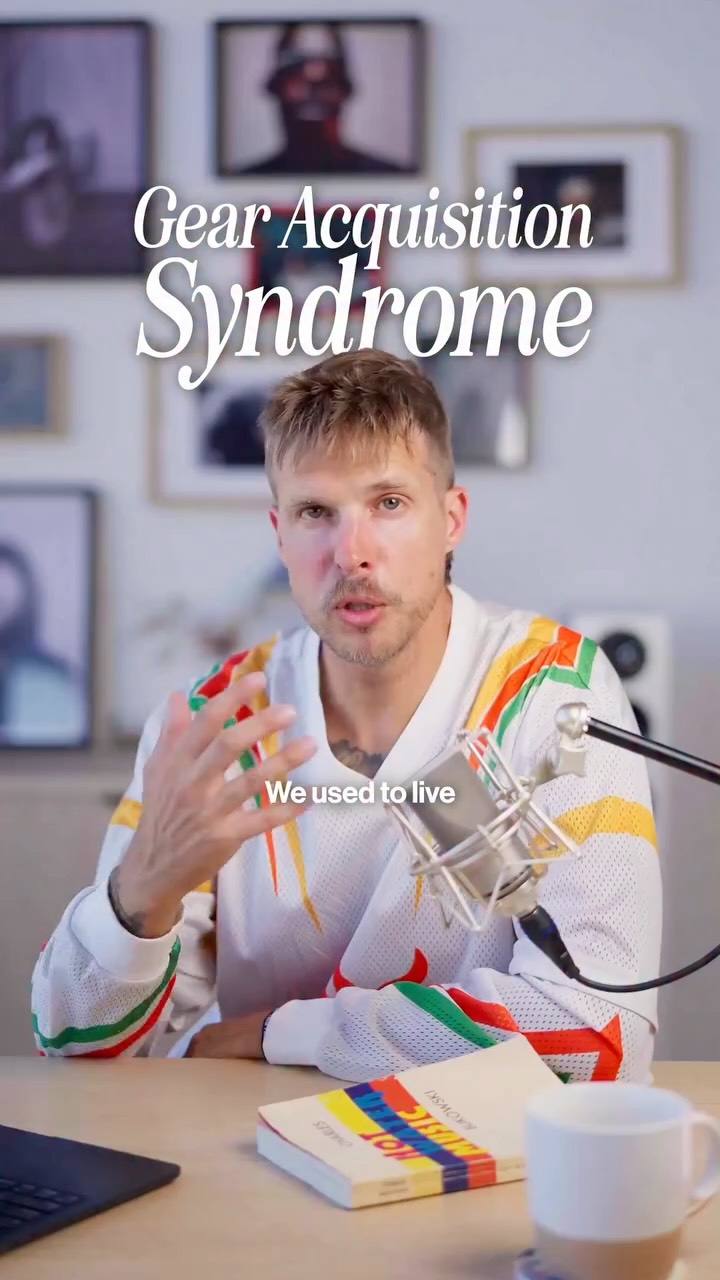
To identify a common but unnamed modern behavior, give it a formal name, deconstruct its psychological and commercial drivers, and offer a simple, empowering solution. It transforms a vague feeling into a defined problem with a clear antagonist and a path to resolution.
- 1
The Hyper-Specific Parable
Presents a detailed, fictional but highly relatable narrative of a character succumbing to the problem. Using specific, authentic details (like brand names and costs) makes the abstract problem feel concrete and undeniable.
- 2
The Universal Pivot
Explicitly states that the initial example is merely a symptom of a much larger, universal issue, broadening the scope of the argument and hooking viewers from other interest groups.
- 3
The Pattern Reinforcement
Deploys a rapid-fire sequence of additional examples across different domains to prove the problem is a widespread pattern, not an isolated incident.
- 4
The Direct Accusation
Transitions from storytelling to direct confrontation by posing the core thesis as a sharp, existential question aimed directly at the viewer, forcing self-reflection.
- 5
The Formal Diagnosis
Gives the behavior a formal, almost clinical-sounding name. This act of naming provides intellectual validation, making the viewer feel they've gained a new, powerful concept.
- 6
The Scope Escalation
Argues that what was once a niche problem has now become the default cultural behavior, raising the stakes and increasing the urgency of the message.
- 7
The Effort vs. Expense Dichotomy
Creates a powerful contrast between the difficult, time-consuming reality of achieving a goal and the easy, instant gratification of purchasing the identity associated with it.
- 8
The Brain Chemistry Reveal
Provides a simplified scientific explanation for the behavior, grounding the argument in psychology or neuroscience. This adds a layer of authority and satisfies the viewer's need for a rational 'why'.
- 9
The Antagonist Reveal
Identifies an external entity (e.g., 'brands,' 'the algorithm') as a knowing manipulator that exploits this psychological flaw, creating an 'us vs. them' dynamic.
- 10
The Seductive Promise Deconstruction
Mimics and breaks down the marketing messages or internal monologues that fuel the problematic behavior, exposing the illusion being sold.