@bitterbuilds
Instagram · Yap

@bitterbuilds
Instagram · Yap
Performance
Video #44580 · Yap
[01]
The creator presents a surprising statistic about Nobel Prize winners and their hobbies, explains the principle of creative breakthroughs by citing a historical case study, and concludes by encouraging viewers to reframe hobbies not as distractions but as an essential part of their work.
[02]
[03]
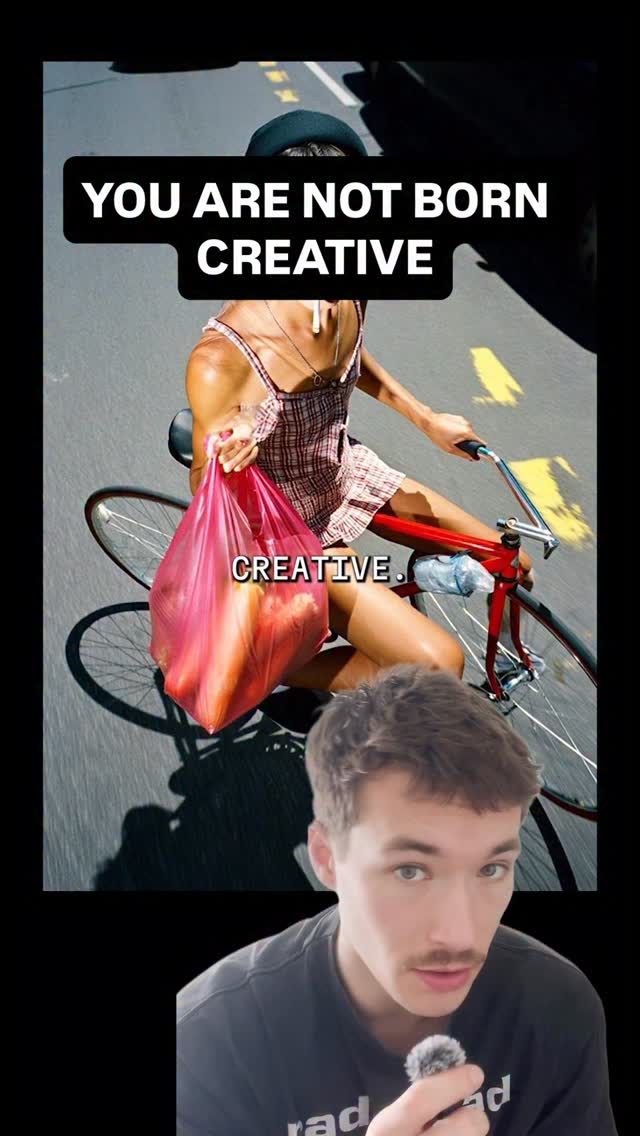 280.4K10.7×Split screen creativity myth debunking@fakeplasticbrands · Breakdown
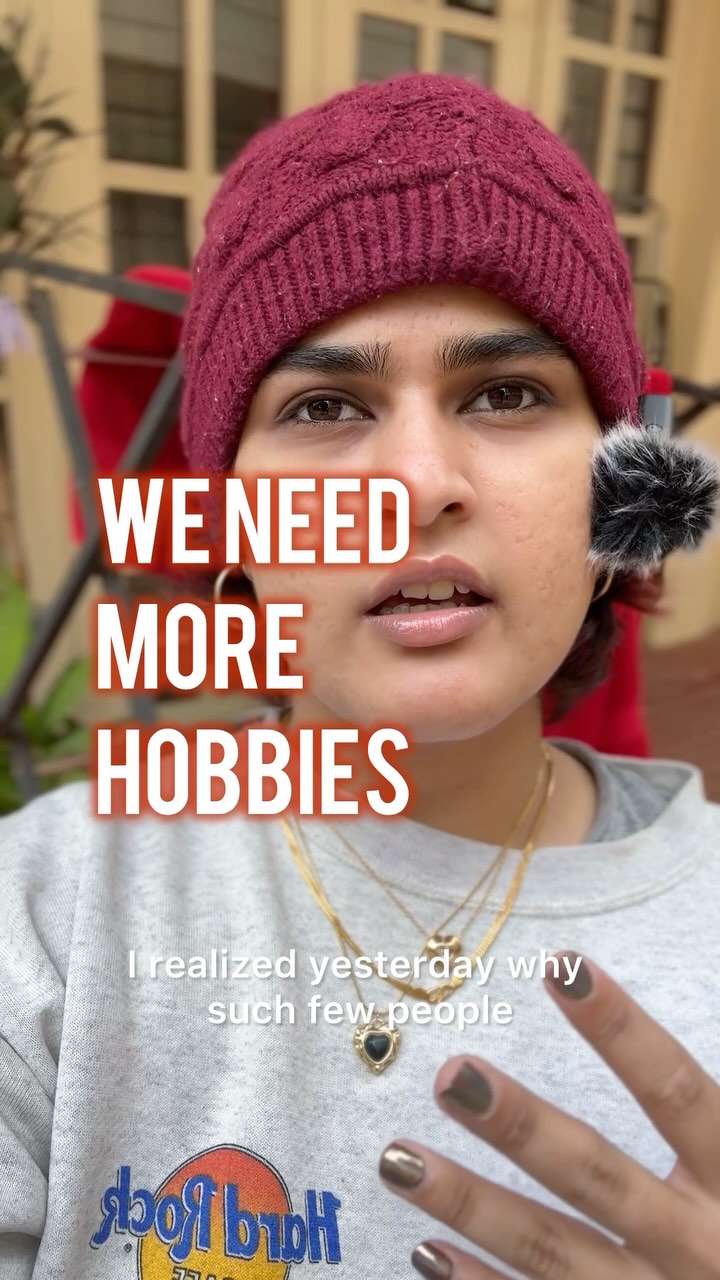 259.3K1×Personal story about hobbies becoming work@anushcache · Vulnerable Monologue
 213.1K6.3×Explains brain hack for creativity@fakeplasticbrands · Tutorial / How To
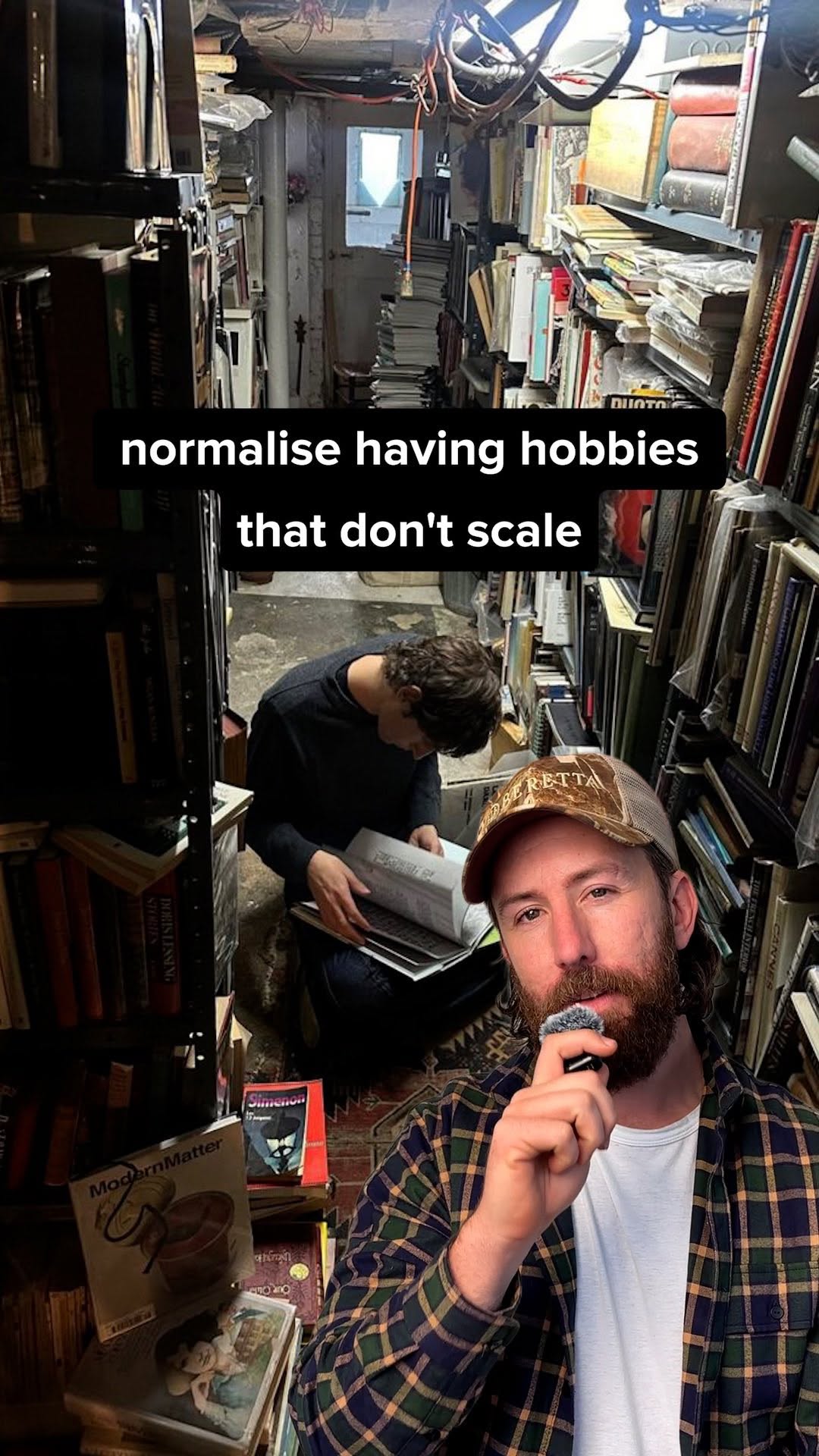 6.8M426.1×Philosophical monologue over aesthetic B-roll@wearecalamity_ · Brand Manifesto
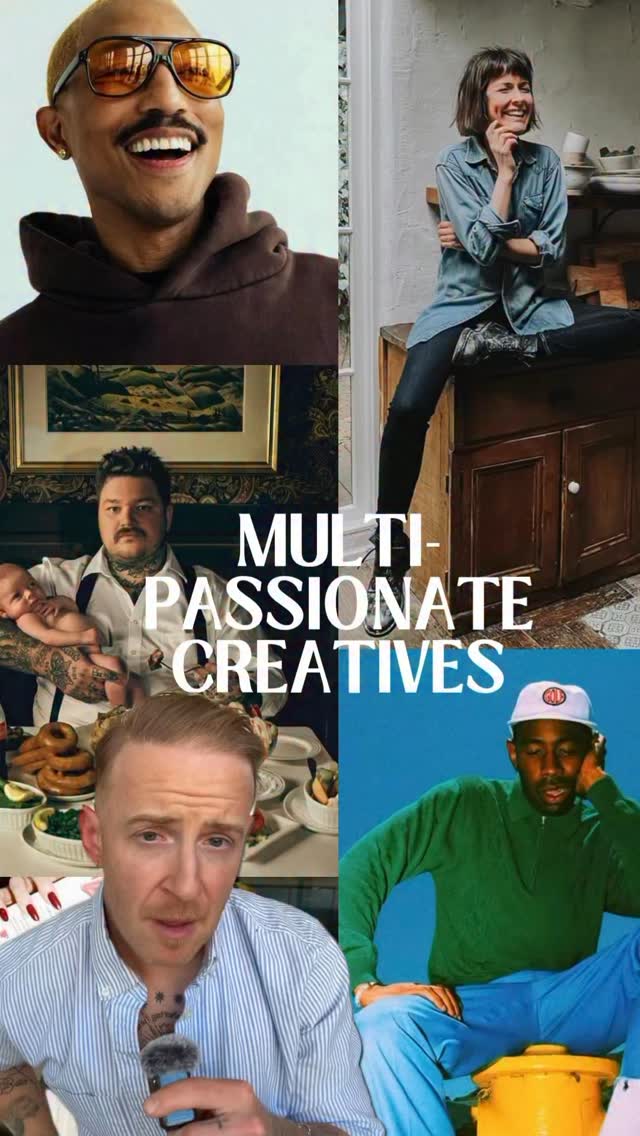 719.9K282.3×Argument against creative niching@sebell · Hot Take
 1M55.6×Monologue over B-roll montage@wearecalamity_ · Cultural Rant
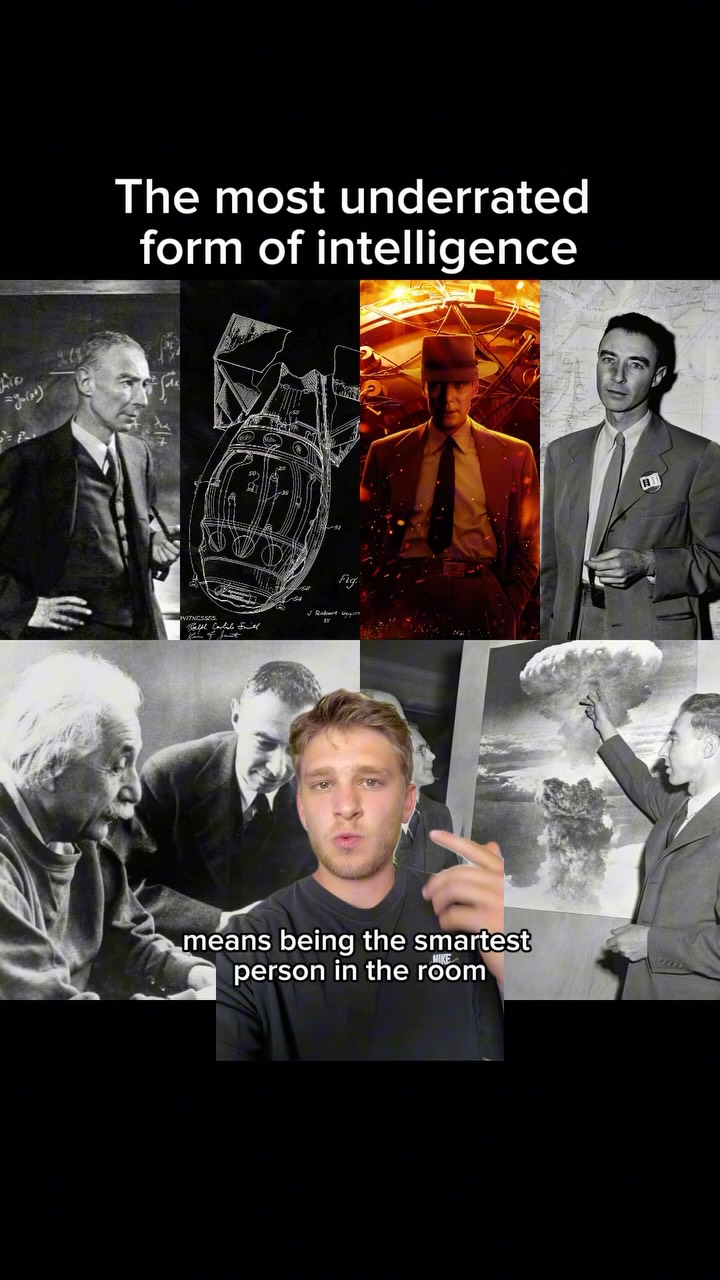 132.5K60×Historical figures' secret intelligence skill@kolbykirschner · Opportunity Explainer
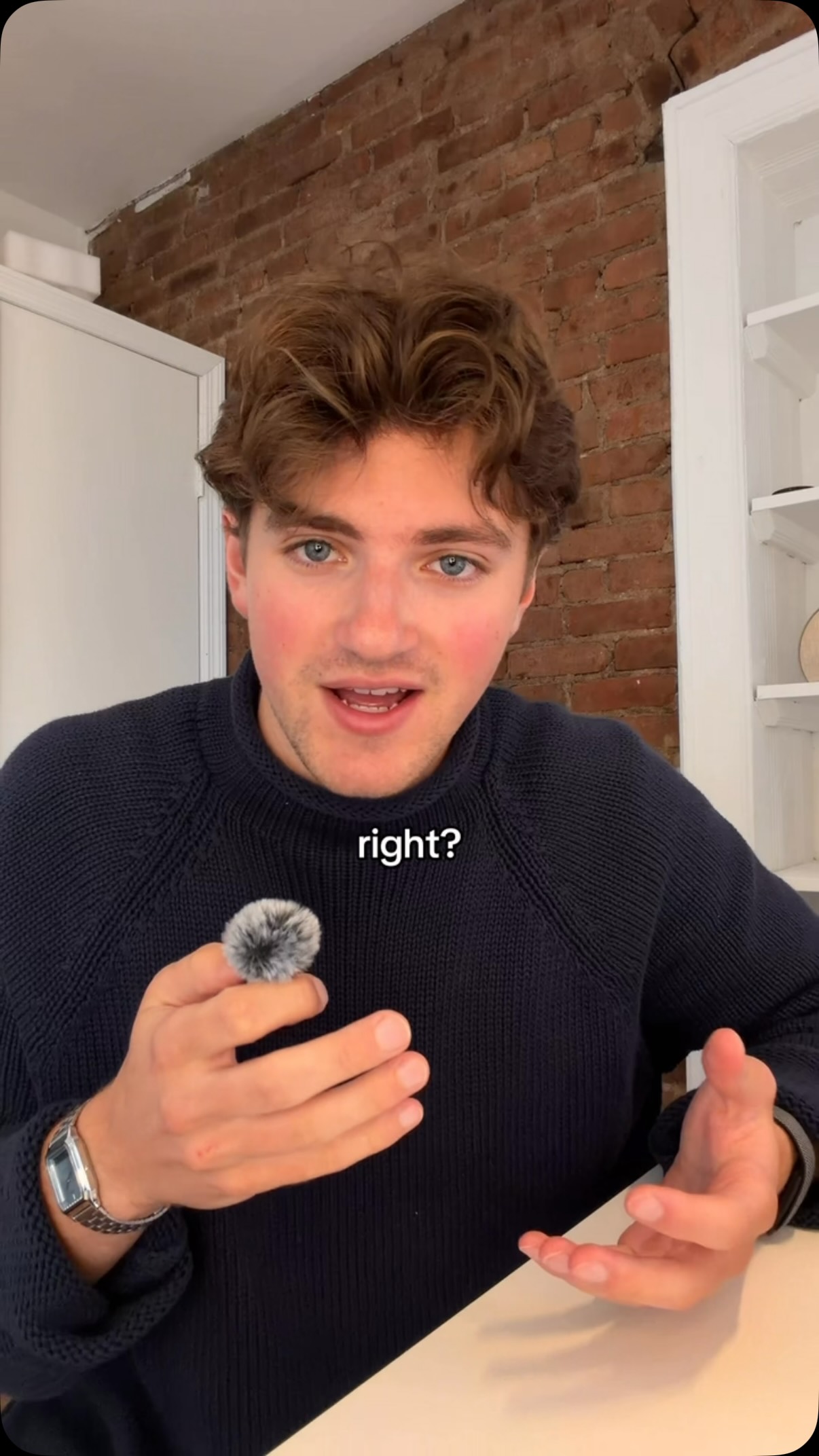 3.1M31.1×Explains psychology concept with study@bitterbuilds · Case Study Breakdown
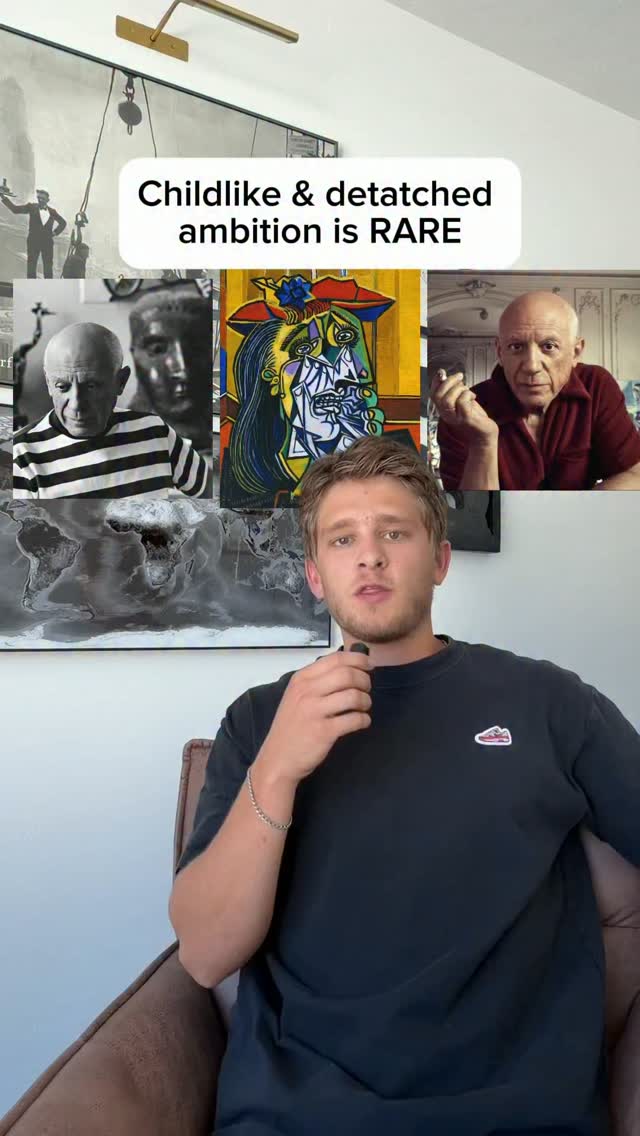 195.1K87.7×Historical figure success lesson@kolbykirschner · Case Study Reminder
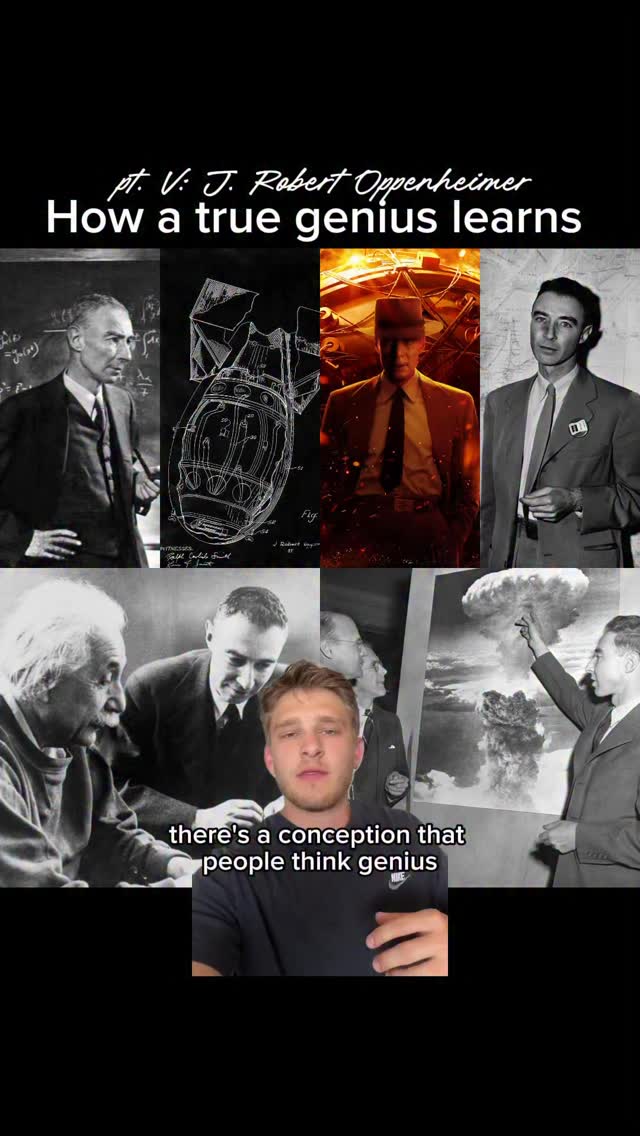 270.5K7.3×Redefining genius with historical examples@kolbykirschner · Case Study Breakdown
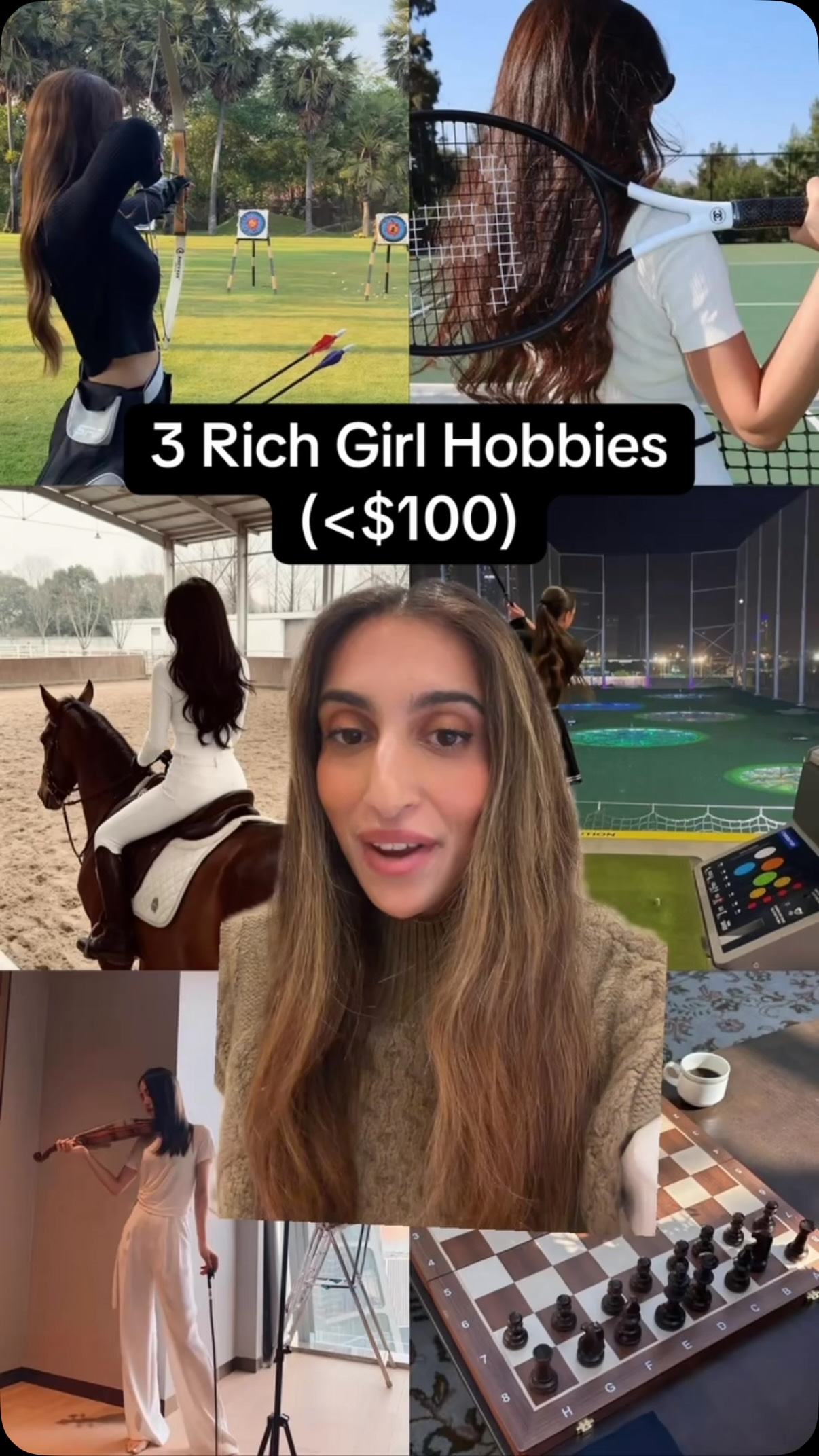 218.3K34.8×Three affordable hobbies that build wealth@avni · Breakdown
 490.6K8.3×Personal story on creativity's importance@chels.mov · Vulnerable Monologue
[04]
[05]
What stops the scroll in the first 3 seconds
Title hook · 45%
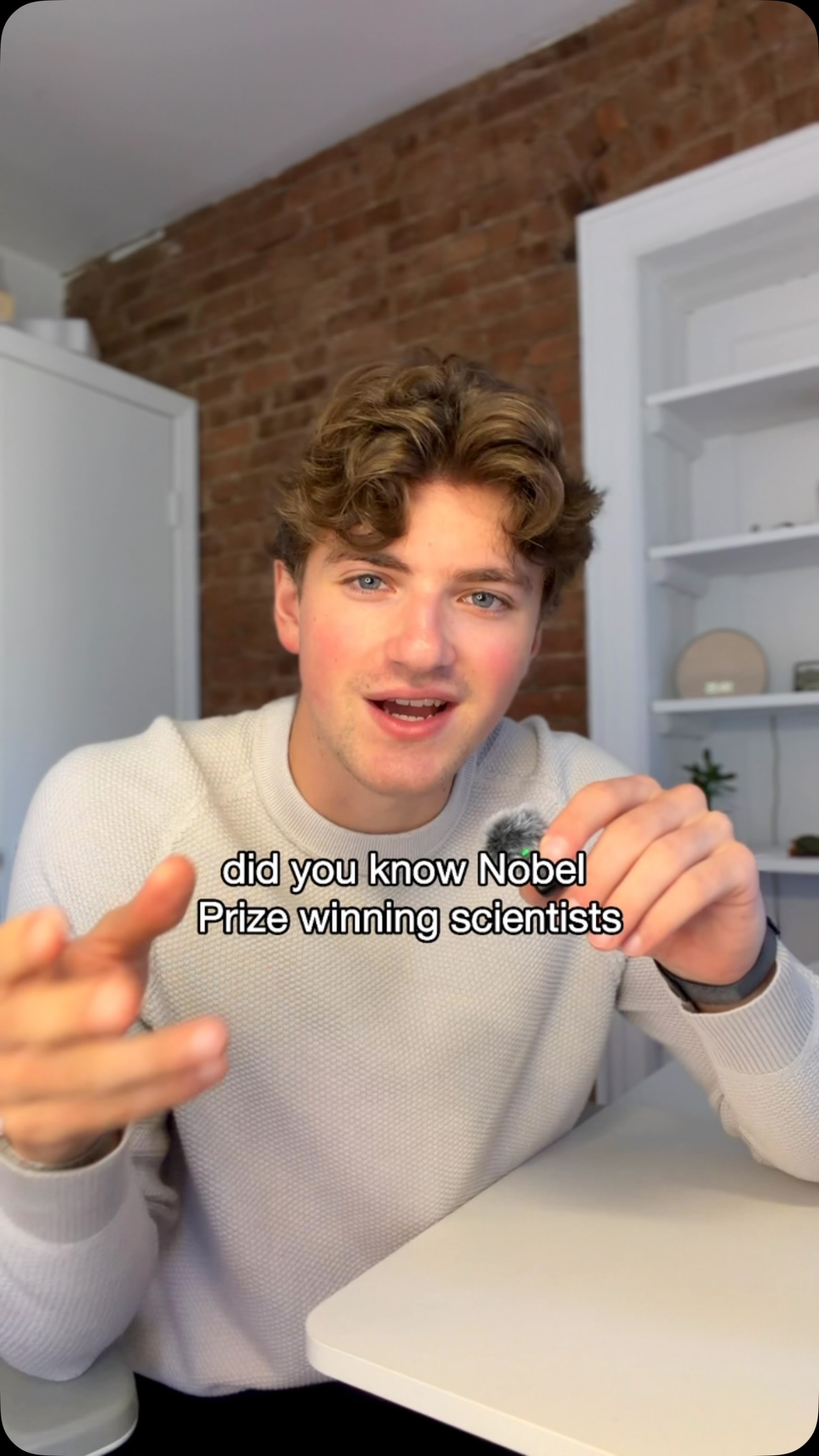
did you know Nobel Prize winning scientists
Verbal hook · 55%
Did you know Nobel Prize winning scientists are 22 times more likely than average scientists to have artistic hobbies?
Visual hook
A medium close-up of the speaker addressing the camera with direct eye contact, using hand gestures with a small object to add visual interest.
[06]
Steal this for your own video
Did you know are times more likely than to ?
[07]
The promise the opener makes, and how the video pays it back
Hook
Presents a startling, counter-intuitive statistic that immediately makes the viewer question 'why?'
Payoff
A direct call to action that challenges the viewer to reframe a common aspect of their life, transforming the insight into practical, empowering advice.
[08]
The structural pattern this video runs on
Framework
The Counter-Intuitive Reframe
Presents a surprising statistic to create curiosity, explains the underlying principle with a historical anecdote, and concludes by reframing a common belief into an empowering call to action.
The Core Mechanism
Provides the high-level, theoretical reason behind the statistic, satisfying the initial curiosity and establishing the video's central thesis.
The Tangible Proof
Offers a specific, historical case study that makes the abstract mechanism concrete, credible, and memorable.
The Broadened Principle
Generalizes the lesson from the specific proof into a universal law or insight, explaining why this concept is relevant beyond the single example.
informational · beginning
did you know Nobel Prize winning scientists
informational · beginning
are 22 times more likely than average scientists
informational · beginning
to have artistic hobbies
informational · beginning
because breakthroughs happen when you collide
informational · beginning
two frames of reference
informational · beginning
that have never touched before
contextual · middle
in 1912
informational · middle
Alexis Carrel won the Nobel Prize
informational · middle
for figuring out how to sew blood vessels together
informational · middle
he Learned the stitching pattern from lace making
informational · middle
the thing is if you only have one domain
informational · middle
you can only have ideas inside that one domain
informational · middle
a unique perspective depends on a wide breadth of knowledge
informational · end
which you can only acquire through pursuing multiple interests
informational · end
so I encourage you to stop seeing hobbies as a distraction
informational · end
and start seeing them as a part of your work
You know Nobel Prize winning scientists are 22 times more likely than average scientists to have artistic hobbies? Because breakthroughs happen when you collide two frames of reference that have never touched before. In 1912, Alexis Carroll won the Nobel Prize for figuring out how to sew blood vessels together. He learned the stitching pattern from lace making. The thing is, if you only have one domain, you can only have ideas inside that one domain. A unique perspective depends on a wide breadth of knowledge, which you can only acquire through pursuing multiple interests. So I encourage you to stop seeing hobbies as a distraction and start seeing them as a part of your work.