@hyphygrandma
Instagram · Speaker address

@hyphygrandma being a multipassionate is beautiful, chaotic… your curiosity is proof that you’re paying attention to the world 💫 🏷️: #multipassionate #multipassionatecreative

@hyphygrandma
Instagram · Speaker address
@hyphygrandma being a multipassionate is beautiful, chaotic… your curiosity is proof that you’re paying attention to the world 💫 🏷️: #multipassionate #multipassionatecreative
Performance
Video #29793 · Speaker address
[01]
The creator shares her personal feelings of guilt and loneliness from being 'multipassionate' and unable to master one hobby. She then introduces and breaks down a Substack article that reframes this experience into two stages: the 'multi-passionate' exploration phase and the 'multi-disciplinary' mastery phase. Using Donald Glover as an example from the article, she concludes by reassuring herself and the audience that being in the first stage is a necessary beginning, not a failure.
[02]
[03]
 168.9K29.4×Explaining a sociology research paper@hyphygrandma · Breakdown
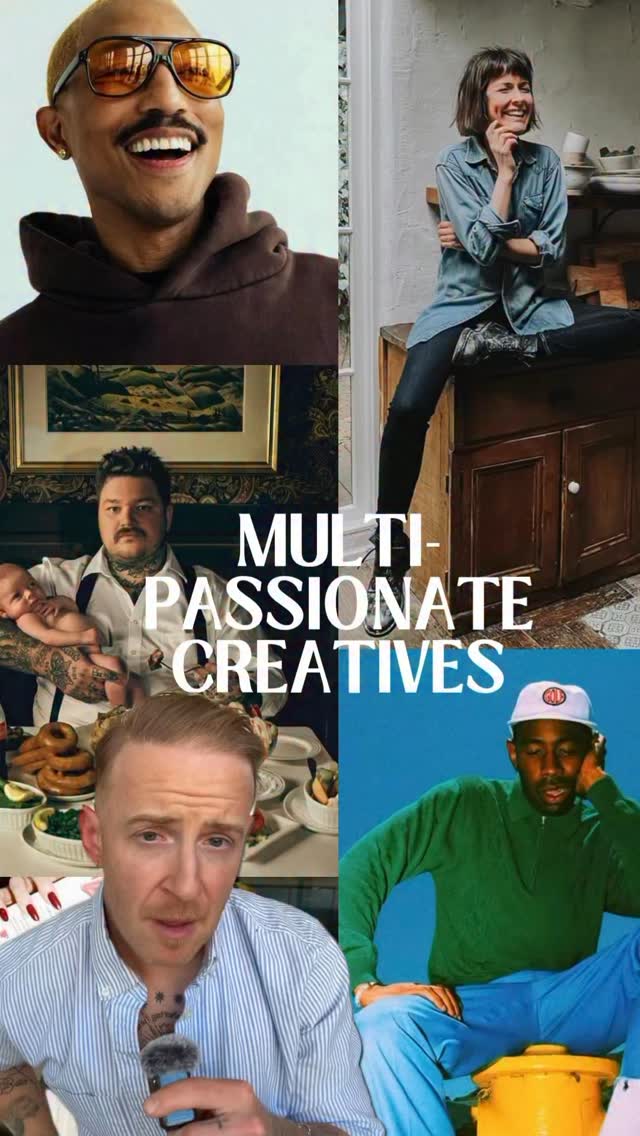 719.9K282.3×Argument against creative niching@sebell · Hot Take
 225.2K11.8×Explaining content pillars and North Star@sarahhguerra_ · Opportunity Explainer
 138.2K14.5×Creator rejects niche for authenticity@jennalitner · Vulnerable Monologue
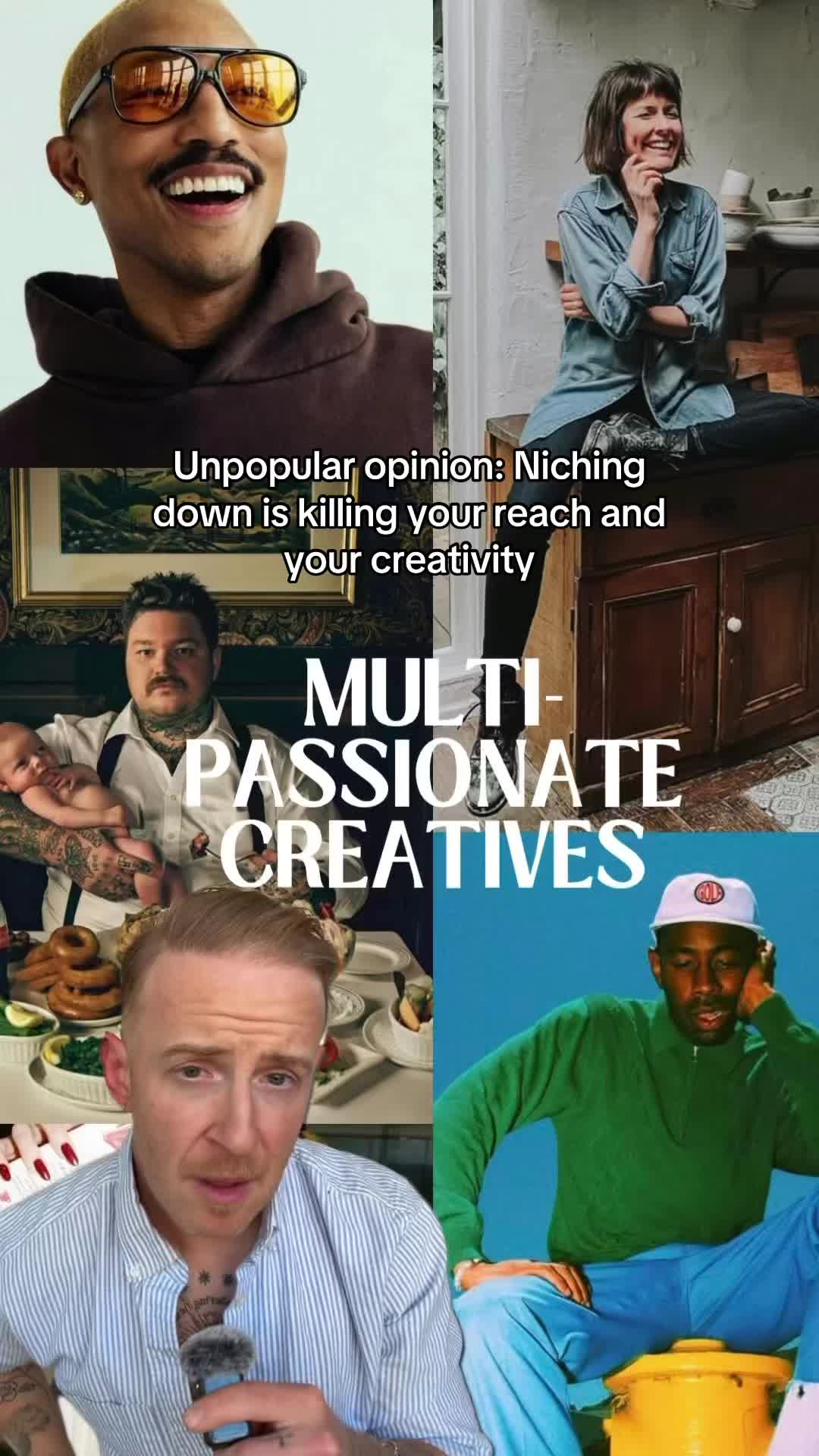 593.1K1.2×Greenscreen hot take with examples@gregsebell · Hot Take
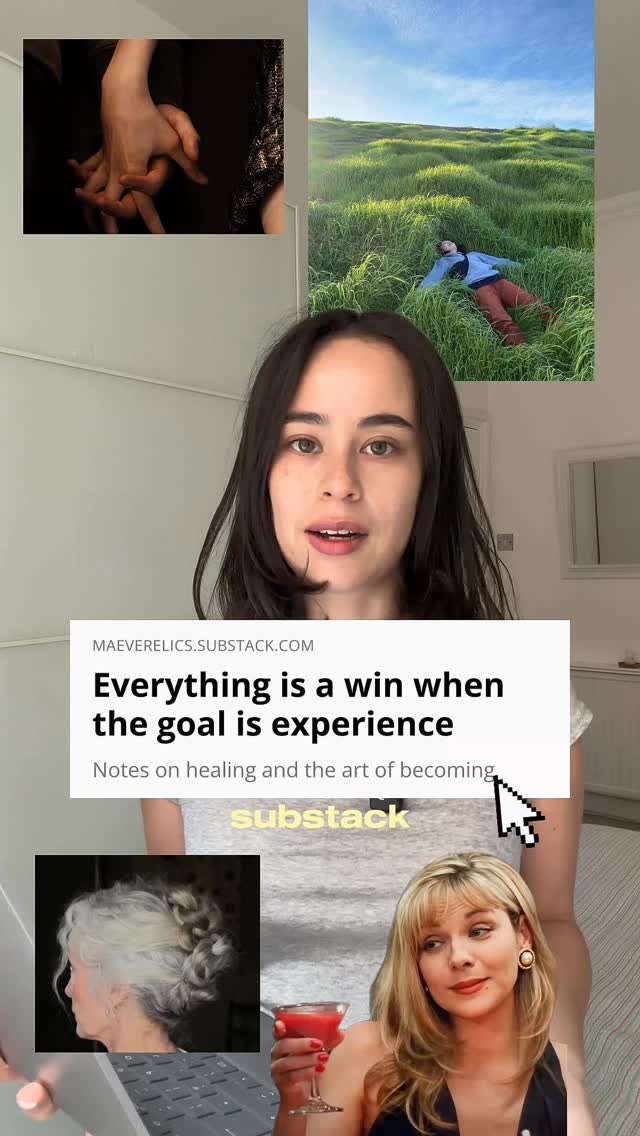 1.9MArticle inspires life lesson monologue@isabelradford_ · Anecdotal Philosophy
 120.1K15.4×Lists four side effects of ambition@avni · Breakdown
 259.3K1×Personal story about hobbies becoming work@anushcache · Vulnerable Monologue
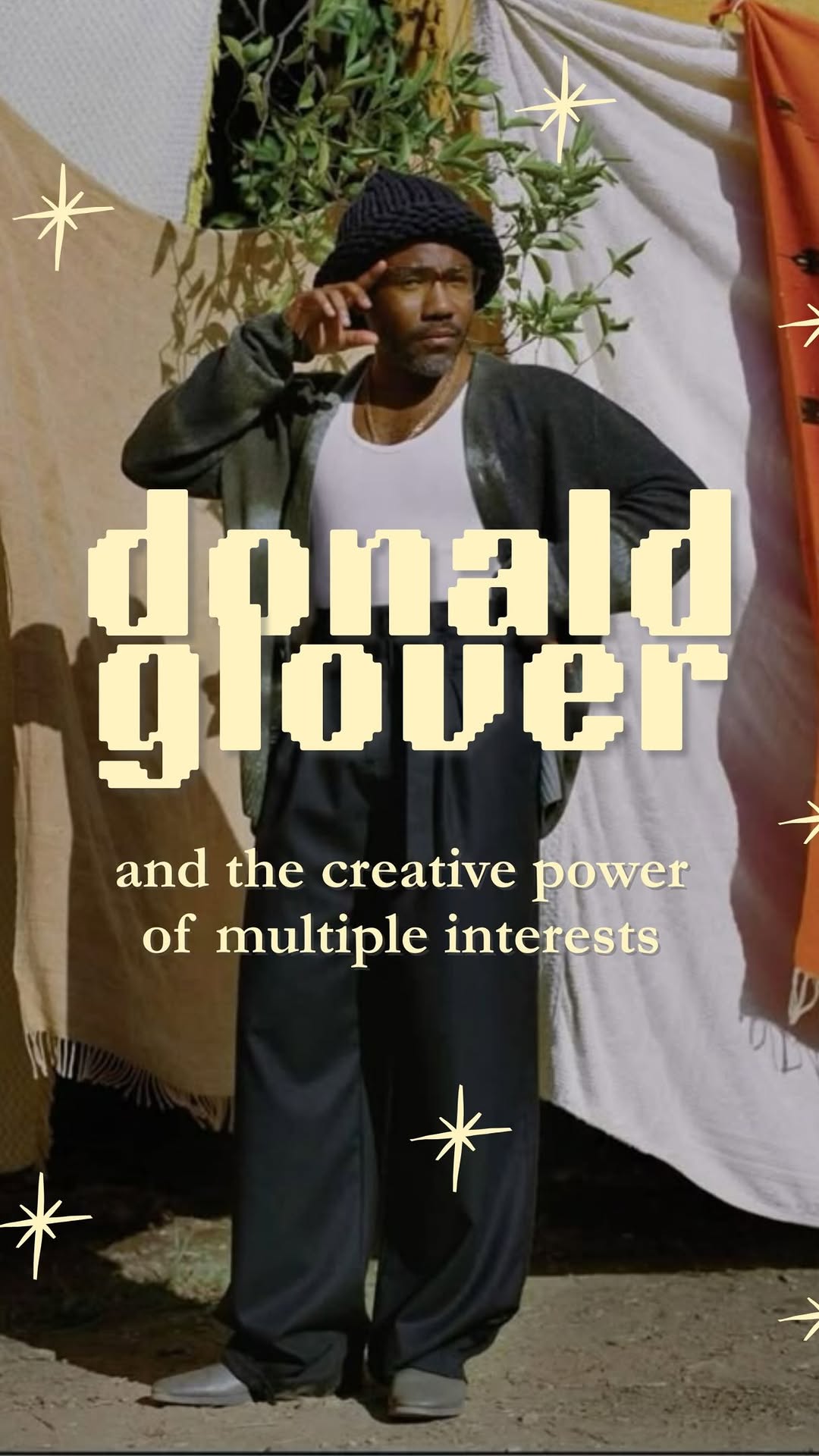 320.1K54.9×Celebrity career case study explainer@hyphygrandma · Case Study Breakdown
 490.6K8.3×Personal story on creativity's importance@chels.mov · Vulnerable Monologue
 648.3KVlog about overcoming creator burnout@itslittlemich · Motivational Mantra
 426.2K4×Quote introduces personal growth story@bitterbuilds · Anecdotal Philosophy
[04]
[05]
What stops the scroll in the first 3 seconds
Title hook · 55%
the loneliness of being multipassionate
Verbal hook · 35%
As someone who juggles multiple hobbies they can never fully commit to a single one, there's this occasional guilt that I feel for moving on so quickly.
Visual hook · 10%
A collage of four distinct images (textiles, a creative portrait, a workspace, and a photo of Maya Angelou) is displayed at the top of the screen, providing immediate visual context for the theme of multiple passions.
[06]
Steal this for your own video
As someone who , there's this that comes with .
[07]
The promise the opener makes, and how the video pays it back
Hook
Immediately state a niche identity and the specific emotional pain associated with it, creating instant relatability and validation.
Payoff
Conclude by explicitly connecting the initial negative feelings to the first stage of the new framework, reframing the entire struggle not as a weakness, but as the essential starting point for achieving mastery.
[08]
The structural pattern this video runs on
Framework
The Expert Reframe
To validate a viewer's niche struggle by introducing an external, intellectual framework that re-contextualizes their problem as a necessary stage in a larger, aspirational journey.
The Shared Struggle
Articulate a common but often unspoken problem, detailing the personal negative emotions and specific examples to build a strong foundation of shared experience.
The Systemic Validation
Escalate the problem by attributing it to larger, external cultural or systemic pressures, which absolves the viewer of personal blame and validates their struggle.
The Catalyst Introduction
Signal a narrative pivot by introducing an external piece of media or knowledge (an article, a book, a study) that promises a new perspective or solution.
The Foundational Reframe
Explain the first stage of the new framework, which directly corresponds to and normalizes the viewer's current situation, reframing it as a necessary and common phase.
The Aspirational Path
Describe the second, more advanced stage of the framework, presenting it as a clear and achievable goal that resolves the initial struggle through focused effort.
The Philosophical Deepening
Introduce a profound, emotionally resonant 'hard truth' from the framework that adds depth and acknowledges the sacrifices required for growth, further validating the complexity of the viewer's feelings.
The Aspirational Archetype
Present a well-known and respected public figure as a case study who embodies the successful transition through the framework, making the aspirational path tangible and credible.
being a multipassionate is beautiful, chaotic… your curiosity is proof that you’re paying attention to the world 💫 🏷️: #multipassionate #multipassionatecreative
title · beginning
the loneliness of being multipassionate
contextual · middle
The two stages of mastery for those with many passions
informational · middle
There are two major differences between the multi-passionate stage and the multi-disciplinary stage
contextual · end
The problem of staying in the multi-passionate stage
informational · end
Donald Glover, also known as Childish Gambino, is a wonder when contrasted with specialisation
As someone who juggles multiple hobbies rank can never fully commit to a single one, there's this occasional guilt that I feel for moving on so quickly. One month, I'm obsessed with knitting and then DJing, then reading, and then all of a sudden, I wanna try woodworking and become a writer. Every time I discover a new interest, I feel like I'm temporarily abandoning a previous version of myself before I've really gotten to know a certain medium. There's also a greater cultural pressure to become one thing. We have social media algorithms who tend to favor creators who've niched down or have a very cohesive brand identity, and there's also a separate pressure to optimize or monetize every interest we have. But then I read this really interesting substack recently, and the author argues that there's two stages to this. The first stage is being a multi passionate. This is when you're exploring everything out of curiosity and discovering taste. This is a stage that most people are kind of stuck in, including myself. And then the second stage is being a multi disciplinary. This is where you select a few disciplines intentionally and really deepen those skills. This can also involve combining those disciplines and creating something very unique. And then the author goes on to say that you really can't become everything. Mastery ultimately requires choosing. And at the end of the day, adulthood is grieving those unlived versions of worse. And that really hit home for me and kind of explains why I'm feeling this guilt. And then the author brought up Donald Glover as someone who became multidisciplinary, not just multi passionate. And that's simply because he went really deep repeatedly in various disciplines like comedy, writing, acting, music before achieving public success. So the reason why a lot of people, including myself, feel this loneliness and guilt is simply because we're still in the multi passionate stage. It's It's important to know that being multi passionate is not necessarily the opposite of mastery. It might actually be the beginning of it.