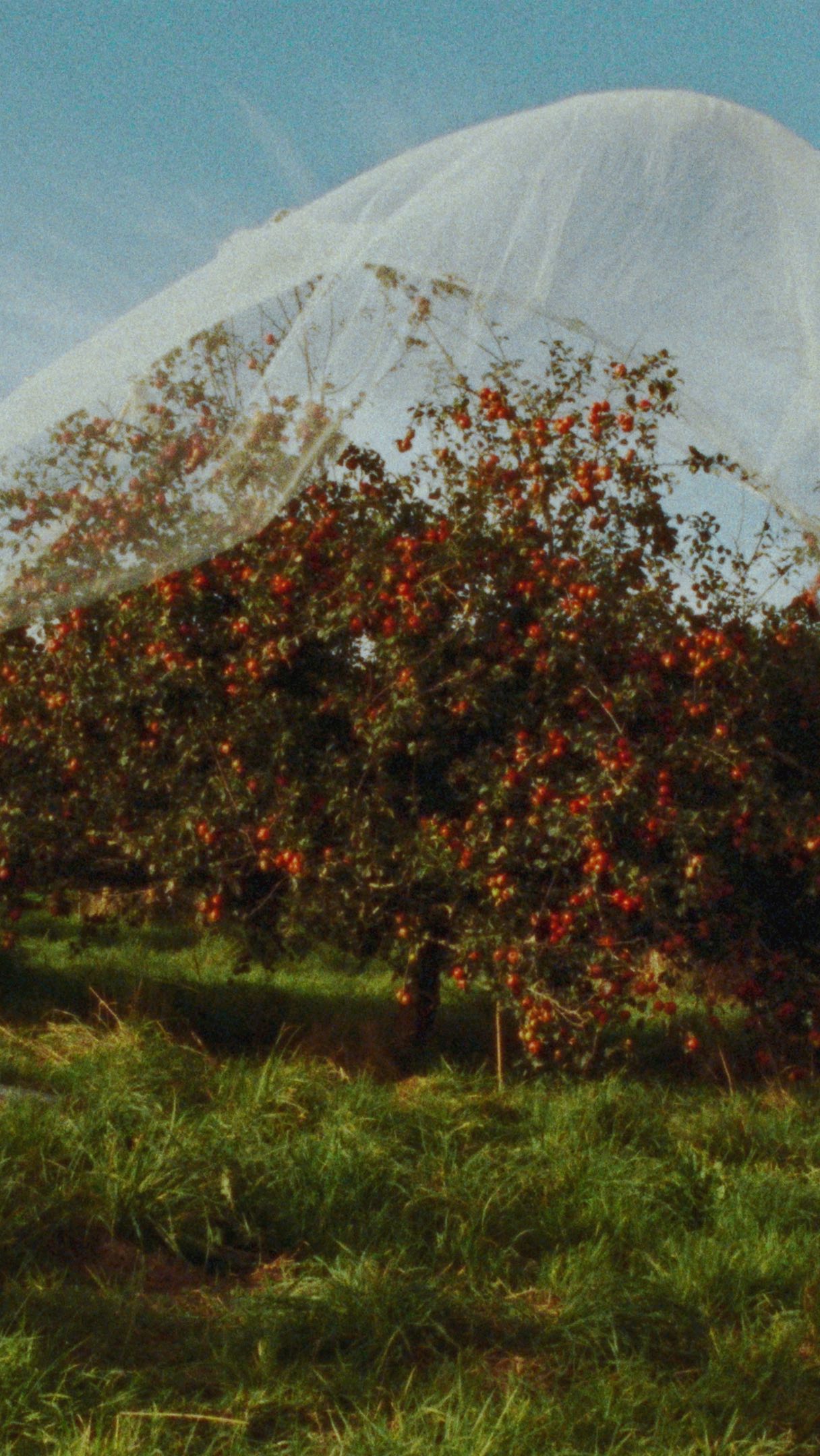
The narrator explains the fascinating genetic diversity of apples, where every seed creates a new variety due to 'extreme heterozygosity.' The video introduces the 'Some Interesting Apples' project, which maps and tastes apples from wild, roadside trees. After showcasing the public taste trials and the poetic naming system, the creators explain their goal: to graft the best varieties into a new 'wilding mother orchard' and celebrate new, locally distinctive apples.
Post caption
Some Interesting Apples 🍎🌳🍏
You thought you knew apples - allow us to disillusion you.
We’re delighted to present our film, directed by Elena Heatherwick, made with William Arnold and James Fergusson at Some Interesting Apples - a Cornish project that celebrates the wild genetics of this most unassuming fruit.
If you find any interesting apples yourself, do reach out to the team - find them here at @someinterestingapples or by searching for them online.
🍎🍎🍎
Credits:
Directed by Elena Heatherwick @elenaheatherwick
Produced by Ffern and Pal Studios @pal__studios
Executive Producer: Angus Dunsire @angus_dunsire
Creative Director: Emily Cameron
Producer: Bronte Markwick @brontemarkwick
Set Designer: Clarisse D’Arcimoles @mckinlochstudio
Costumer Designer: Frank Gallacher @frankgallacher
DOP, Lee Burnett @leeburnett_
1st AC: Joe Gubb @joegubb_focus_puller
Gaffer John Crooks @crookseycam
Sound Operator: Quillon Larratt @quillonlarratt
Editor: Boris Hallvig
Set Assistant: Jess Morris @jessmorrisis
Driver/ Runner: Cris Barrios
Sound Mixer: Will Berridge @willberridgesound
Colourist: Caroline Morin @kawolinem
Graphic Design: Ciaran Birch
Story Researcher: Danny Farnham
With thanks to @kestle_barton
Transcript
Something that still blows my mind is that every apple seed produces a new variety. Every single one. Something called extreme heterozygosity. The apple genome is actually bigger than the human no. And it means that when somebody tosses an apple core, they're also unwittingly planting the possibility of the next Cox's orange pippin. The Some Interesting Apples project began with noticing roadside apple trees. These apple trees are growing in some really diverse and and rank crazy locations where you just wouldn't normally expect apple trees to grow at all, let alone thrive. We thought it would be interesting to simply map these trees, find out if the apples are any good. Do they taste nice? What do you reckon? Potentially. Yeah? It's really good. That's a genuinely nice dessert apple. We are crowd pleasers. Our tasting trials are, for me, the pinnacle of the wild apple year. Sometimes a 100 different wild apple varieties are laid out in rows. You don't actually give them a name. It's just dictated by what the What Three Words map says, which results in some fantastic kind of accidental poetry. I'm about to taste a worse wish gotham. I'm going to taste tier better prefer flame apple. King's Worse, tuxi apple. This is a Salem Sorry, I've better it already. Tier Autumn mushroom, spook apple. It's a nice natural shape, you know, it hasn't been manufactured. It's really natural looking. It's very bright, and quite sharp. And it's not very big, that one. Some are lovely. That's quite unassessed. Others are more challenging. Any nice details? No. Not really. Every year, we crown a winner. Usually, the top three get grafted into the wilding mother orchard. The first orchard in Britain dedicated solely to these feral apples. The origins of of where these apple trees are found is most of what makes them interesting to us. They individually tell unique stories of of terroir and and resistance. I would really like to see worst of a decade hence, people actually growing these things in their gardens, kind of celebrating new locally distinctive varieties of apples and adding them to the old heritage orchards.