Viral Hooks
Trending short videosDebunking myths about bar failure
T

@the.ryanexperience

Instagram · Speaker address

@the.ryanexperience There’s always been a persuasive myth out there that bars fail at a higher rate than other businesses, but this doesn’t hold up. Most businesses fail. Most bars fail. The reason, however, is rarely just economics. It’s much more simple: an owner who doesn’t care, and who refuses to learn the necessary skills to build and grow something great. But operating a bar, is as much about self-improvement as it is selling drinks. #hospitality #bar #bars #nightlifevibes #bestbar

View original on Instagram

The edit1 shot · 1 text
Shots Text

Performance

Views
60.5K
Likes
6.9K
Comments
142
Engagement
11.6%

Video #17075 · Speaker address

Debunking myths about bar failurefrom @the.ryanexperience

[01]

Overview

The creator debunks the myth that bars fail at a higher rate than other businesses. He then introduces the 'technician's curse' from the book 'The E-Myth,' arguing that the primary reason for failure is not economics, but bar owners who are good at the craft (e.g., making drinks) but fail to learn the essential business skills of management, marketing, and creating a unique customer experience.

[02]

Simple outline

  1. 1State common misconception
  2. 2Disprove with counter-evidence
  3. 3Reveal the true cause
  4. 4Explain with an analogy
  5. 5Deliver the core insight

[03]

Related videos

[04]

Classification

Concepts
Hot Take
Elements
B-Roll CutawayTitle Text Hook

[05]

Hook analysis

What stops the scroll in the first 3 seconds

Title hook · 55%

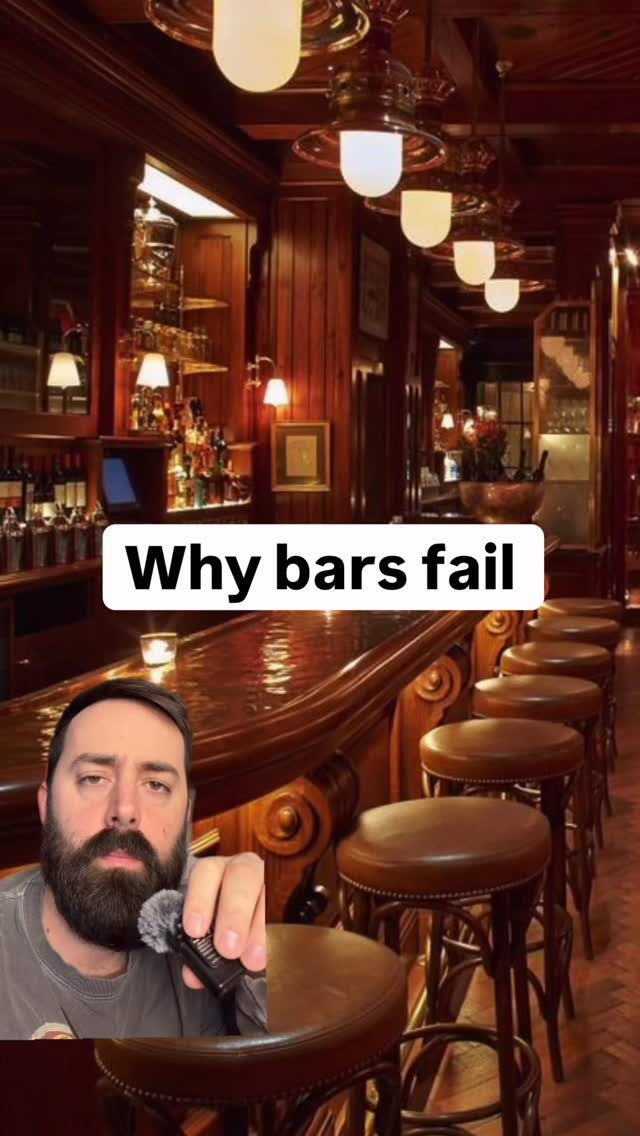
Why bars fail

Verbal hook · 35%

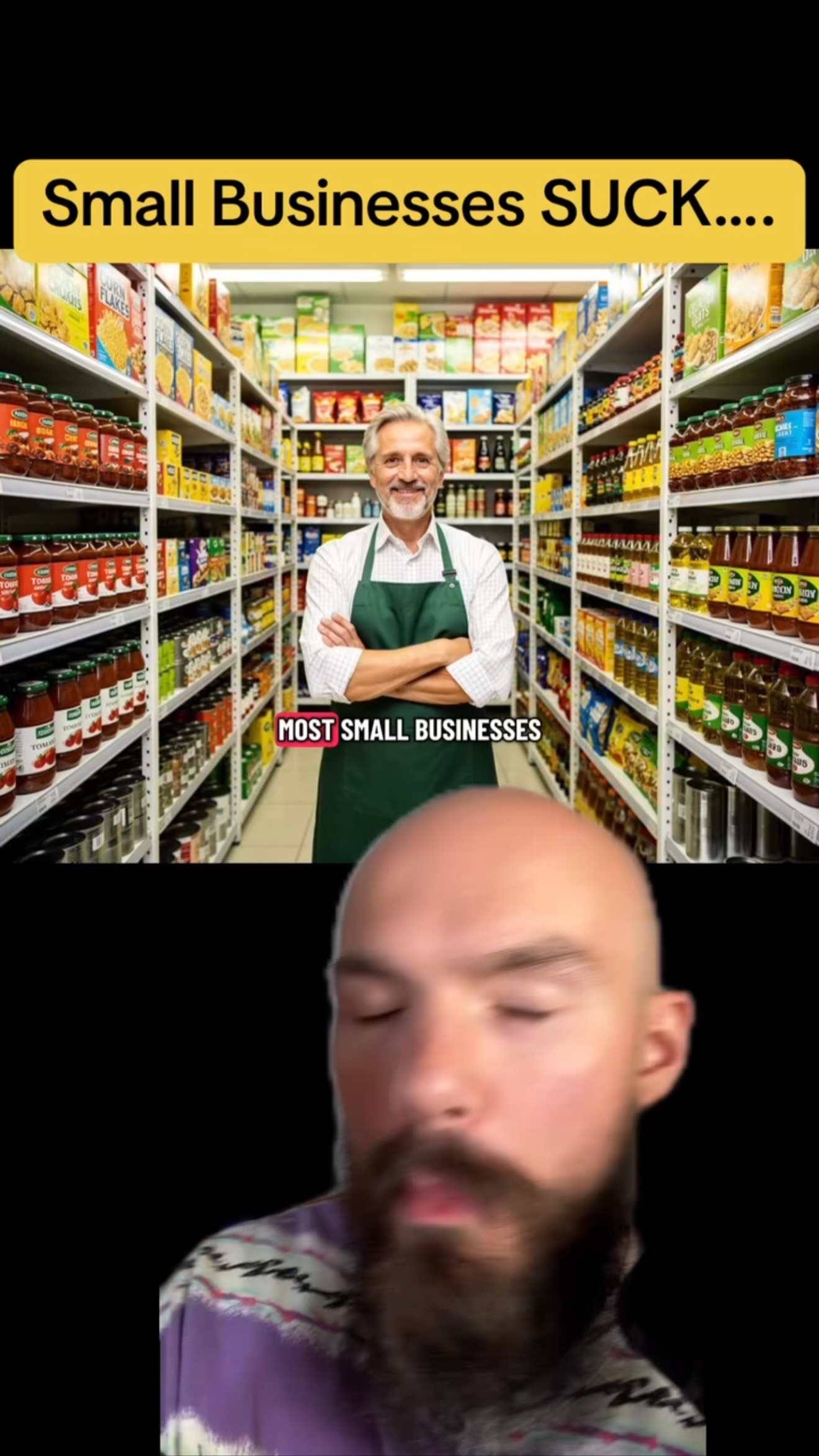
People love to say that bars are unique in their ability to fail.

Visual hook · 10%

An atmospheric shot of a classic, empty bar with warm, rich wooden tones and soft lighting. The aesthetic immediately establishes the video's topic and creates a specific, inviting mood.

[06]

Hook template

Steal this for your own video

Why [business type] [commonly accepted failure outcome] — and who's actually to blame

  • — Why restaurants fail — and who's actually to blame
  • — Why gyms close — and who's actually to blame
  • — Why startups collapse — and who's actually to blame

[07]

Hook and payoff

The promise the opener makes, and how the video pays it back

Hook

State a popular, but incorrect, belief about the topic to create immediate engagement and an information gap.

Payoff

The final beat synthesizes the entire argument, revealing that the true cause of failure is a fundamental misunderstanding of the business's core purpose and the customer experience, not just surface-level issues.

[08]

Narrative framework

The structural pattern this video runs on

Framework

The Myth-Buster Thesis

To debunk a widely held belief about why something fails, and replace it with a single, more profound root cause, supported by an authoritative framework and a simple analogy.

  1. 1

    The Common Myth

    Introduce a widely accepted explanation for a common problem or phenomenon, establishing a familiar starting point for the audience.

  2. 2

    The Factual Rebuttal

    Immediately invalidate the common myth using a surprising piece of data or evidence, posing the implicit question, 'If not that, then what?'

  3. 3

    The Singular Thesis Reveal

    Propose a single, unifying alternative explanation for the problem, framing it as the true, overlooked root cause.

  4. 4

    The External Authority

    Introduce an established concept, theory, or expert opinion from an external source to lend credibility and intellectual weight to the new thesis.

  5. 5

    The Core Fallacy Explained

    Define the fundamental misunderstanding at the heart of the problem by contrasting two related but distinct concepts (e.g., technical skill vs. business acumen).

  6. 6

    The Concrete Analogy

    Illustrate the core fallacy with a simple, relatable, industry-specific example that makes the abstract concept easy to understand.

  7. 7

    The Perspective Shift

    Reframe the problem from the perspective of the end-user or customer, highlighting what is truly important for success beyond the technical product.

  8. 8

    The Synthesized Payoff

    Conclude by restating the thesis in a more profound way, synthesizing all previous points and delivering the final, memorable insight about what truly drives success.

Themes

  • Business strategy
  • Skill development
  • Customer experience
  • Common misconceptions

Techniques

  • Picture-in-picture
  • Voiceover narration
  • B-roll montage

Post caption

There’s always been a persuasive myth out there that bars fail at a higher rate than other businesses, but this doesn’t hold up. Most businesses fail. Most bars fail. The reason, however, is rarely just economics. It’s much more simple: an owner who doesn’t care, and who refuses to learn the necessary skills to build and grow something great. But operating a bar, is as much about self-improvement as it is selling drinks. #hospitality #bar #bars #nightlifevibes #bestbar

Text overlays

  • title · beginning

    Why bars fail

Transcript

People love to say that bars are unique in their ability to fail. But if you actually look at the data, bars fail at nearly the same rate as every other business. So if it's not some industry curse destroying all these bars, what is? Well, after talking to so many bar owners, there's only one thing that links the bars that don't succeed better. And it's a bar owner that doesn't respect the craft of running a hospitality business. In 1995, Michael Gerber wrote a book called The E Myth, and he coined a term called the technician's curse. It's a fundamental misunderstanding of what business is. The fallacy is that just because you understand the technical work of a business, that it doesn't mean that you understand a business that does technical work. The bartender thinks that because he makes good old fashions that he can run a successful bad, but they are vastly different skills and people don't respect this enough. Most bar owners never sit down and ask themselves, why should people visit their bar? Why should they bring their friends and why should they come back? Most bars nowadays feel the same because the owners just don't care. They love the idea of running a bar, but they don't want to learn the skills required to do so. It's a bar owner who refuses to learn the skills of cash flow management, customer experience, architecture, marketing. They think if I build a bar and deliver good drinks that people will come, but people don't buy services or products in isolation. They want consistency, emotional transformations, feelings, a good atmosphere. There's enough mid tier brands to go around. They want bars with an identity. And this, not just economics, is at the core of what makes most bars fail.

Debunking myths about bar failure | Viral Hooks