@johnnychanglive
Instagram · Clip

@johnnychanglive Expectations kill acceptance... Comment SEXTON and I’ll send you the full episode

@johnnychanglive
Instagram · Clip
@johnnychanglive Expectations kill acceptance... Comment SEXTON and I’ll send you the full episode
Performance
Video #17136 · Clip
[01]
The video features two men discussing the importance of acceptance in marriage. The first speaker advises against marrying someone with the expectation they will change, using the example of a partner who parties frequently. He suggests asking two key questions: if you can accept them not changing, and if you can handle it if they do. The second speaker builds on this, identifying 'acceptance' as the core principle and linking it to faith, using an analogy to explain that one must accept a new reality to experience its potential.
[02]
[03]
 12.7M970.5×Vulnerable monologue on choosing a partner@jrp.co · Vulnerable Monologue
 365.7K4.1×Podcast clip defining modern marriage@reikoslivingroom · Anecdotal Philosophy
 619.3K7.6×Street interview about relationship growth@prestonrack · Anecdotal Philosophy
 550.9K7.2×Speaker explains finding your person@nycdivorcelawyer · Vulnerable Monologue
 208.2K8.3×Choose a partner who's a friend@youchoosepodcast · Anecdotal Philosophy
 698.3K7.7×Philosophical podcast clip about marriage@nycdivorcelawyer · Motivational Mantra
 663.1K1.6×Pain of being alone explained@nycdivorcelawyer
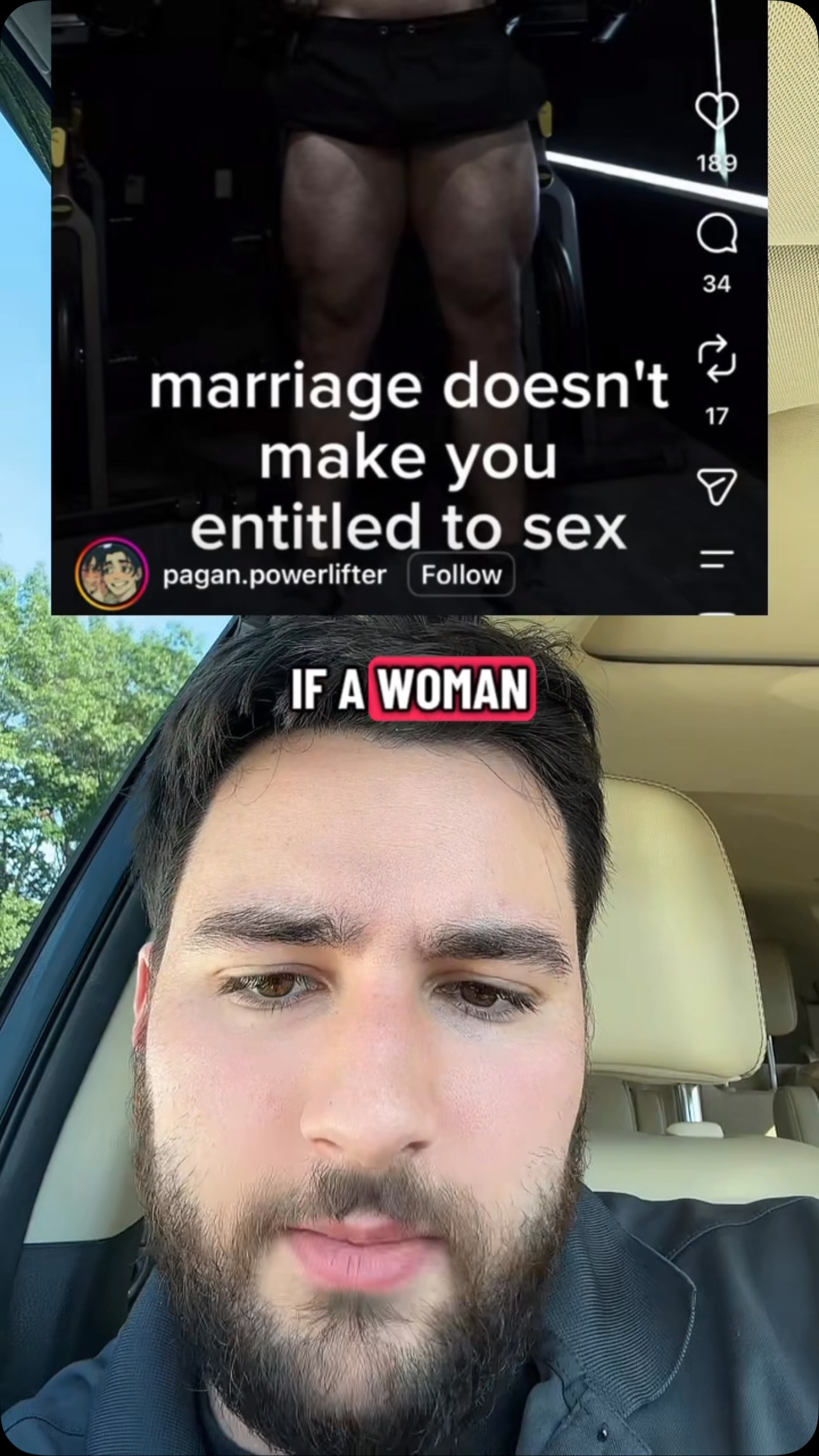 217.2K2.8×Creator critiques view on marriage@womp_tomp · Hot Take
 2M24.7×Monologue on love with cinematic cutaways@nycdivorcelawyer · Anecdotal Philosophy
 2.4M5.2×Hard choices are right choices@jayshettypodcast · Actionable Resource
 1.7M2.9×Relationship advice from conversation clip@jayshettypodcast
 152.2K43.1×Expectation versus reality marriage joke@sheima.timuori · Expectation vs. Reality
[04]
[05]
What stops the scroll in the first 3 seconds
Title hook · 45%
Be Careful Who You Marry
Verbal hook · 50%
Don't think that this person is going to change.
Visual hook · 5%
Split-screen format showing two speakers in different settings, creating immediate visual contrast and signaling a conversational dynamic between a formally dressed man and a casually dressed man.
[07]
The promise the opener makes, and how the video pays it back
Hook
A direct, cautionary statement that challenges a common hope or assumption in a specific domain (e.g., relationships, career, finance).
Payoff
The second speaker delivers a final, conclusive statement that reaffirms the unifying concept as the most important takeaway, providing a clear and satisfying resolution.
[08]
The structural pattern this video runs on
Framework
The Concept Reframing Dialogue
To present a common, relatable problem, introduce a complex or paradoxical framework for solving it, and then have a second speaker reframe the entire issue with a single, powerful unifying concept, which is then explored and elevated.
The Cautionary Premise
The first speaker establishes the core thesis by warning against a specific, common error in judgment.
The Relatable Scenario
The abstract premise is immediately grounded in a concrete, easily understood example to ensure audience relatability.
The Paradoxical Framework
The first speaker introduces a sophisticated, two-part mental model that contains a contradiction, challenging the viewer to think more deeply about the issue.
The Unifying Reframe
The second speaker enters the conversation to synthesize the complex framework into a single, powerful, and memorable concept, providing an elegant solution.
The Concept Expansion
The second speaker elaborates on the unifying concept, showing how it applies to the paradox presented by the first speaker.
The Higher-Order Connection
The unifying concept is connected to an even larger, more profound idea (e.g., faith, trust, principle), giving the advice greater weight and significance.
The Illustrative Analogy
An abstract analogy is used to make the cognitive leap required by the higher-order connection feel tangible and understandable.
Expectations kill acceptance... Comment SEXTON and I’ll send you the full episode
branding · beginning
UNLEARNED WISDOM EPISODE 46
title · beginning
Be Careful Who You Marry
call-to-action · middle
Comment SEXTON to watch full episode 46
Don't think that this person is going to change. You're dating someone and they party a lot. Don't rank, well, once we get married, they won't party so much. Or once we have kids, they won't party so much. When you are looking for a potential spouse, you have to look at this person and ask kinda two contradictory questions like, am I ready for this person to not change? But also, could I take it if certain things change? Right. I think it comes down to acceptance. And like you said, accept that they may change or accept that they may not change or it could be both. It could be this part didn't change, but this part changed. Right? Again, that takes faith, though. Acceptance is literally the foundation of faith. It's like, I don't understand, but I'm gonna accept what you're saying. To me, this is better. You're saying it's the best tasting wine. How? Like, my whole experience is telling me it's water. Everyone else is saying it's water, but you're saying it's wine. Okay. I have to accept in order to be like, okay. And then they become one hearted, then they witnessed a miracle. So acceptance is the most important thing.