Viral Hooks
Trending short videosAnalyzing a fashion trend's evolution
G

@ghostinthesam

Instagram · Greenscreen Talking Head

@ghostinthesam Thoughts on the “man-repeller” trend of the last two years vs Manrepeller ™️ the 2010s online community. The phrase has taken on quite a new meaning. I think the two share similar origins (ie dressing for joy & self-expression vs dressing to conform) but the newer interpretations have become far more literal and dark in ways that reflect growing anxiety around our physical safety. (No wonder castlecore, rockstuds & chunky accessories are trending, huh?) Let’s look out for one another. . . . #manrepeller #fashionanalysis #culturalanalysis #manrepellant

View original on Instagram

The edit1 shot · 7 text
Shots Text

Performance

Views
505.4K
Comments
69
Engagement
0%
Outlier
3.6×

Video #17196 · Greenscreen Talking Head

Analyzing a fashion trend's evolutionfrom @ghostinthesam

[01]

Overview

The creator analyzes the evolution of the term and fashion trend 'man repeller.' She begins by contrasting the original 2010s concept from the blog of the same name—which focused on dressing for self-expression rather than the male gaze—with its more recent, literal interpretations. She then breaks down two modern meanings: one tied to queer identity where women literally want to repel men they aren't attracted to, and a second, darker meaning rooted in personal safety and using fashion to avoid unwanted male attention in a threatening cultural climate.

[02]

Simple outline

  1. 1State contrarian thesis
  2. 2Establish original meaning
  3. 3Introduce modern shift
  4. 4Analyze new interpretations
  5. 5Deliver cultural verdict

[03]

Related videos

[04]

Classification

Concepts
Breakdown
Elements
B-Roll CutawayImage OverlayPicture-in-Picture

[05]

Hook analysis

What stops the scroll in the first 3 seconds

Verbal hook · 70%

Man repeller is not the same as man repeller.

Visual hook · 30%

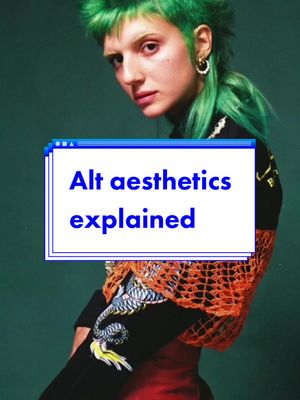
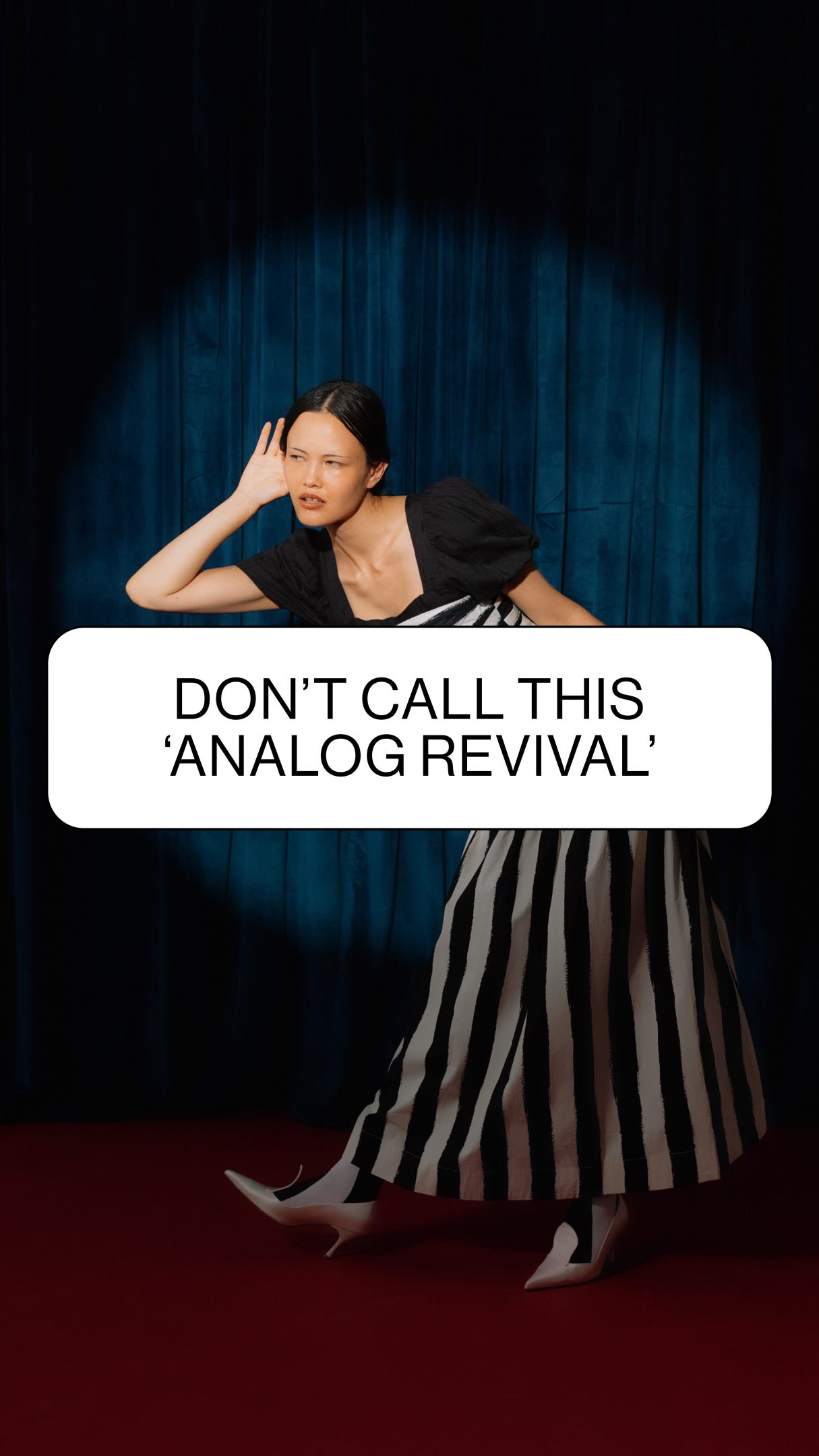
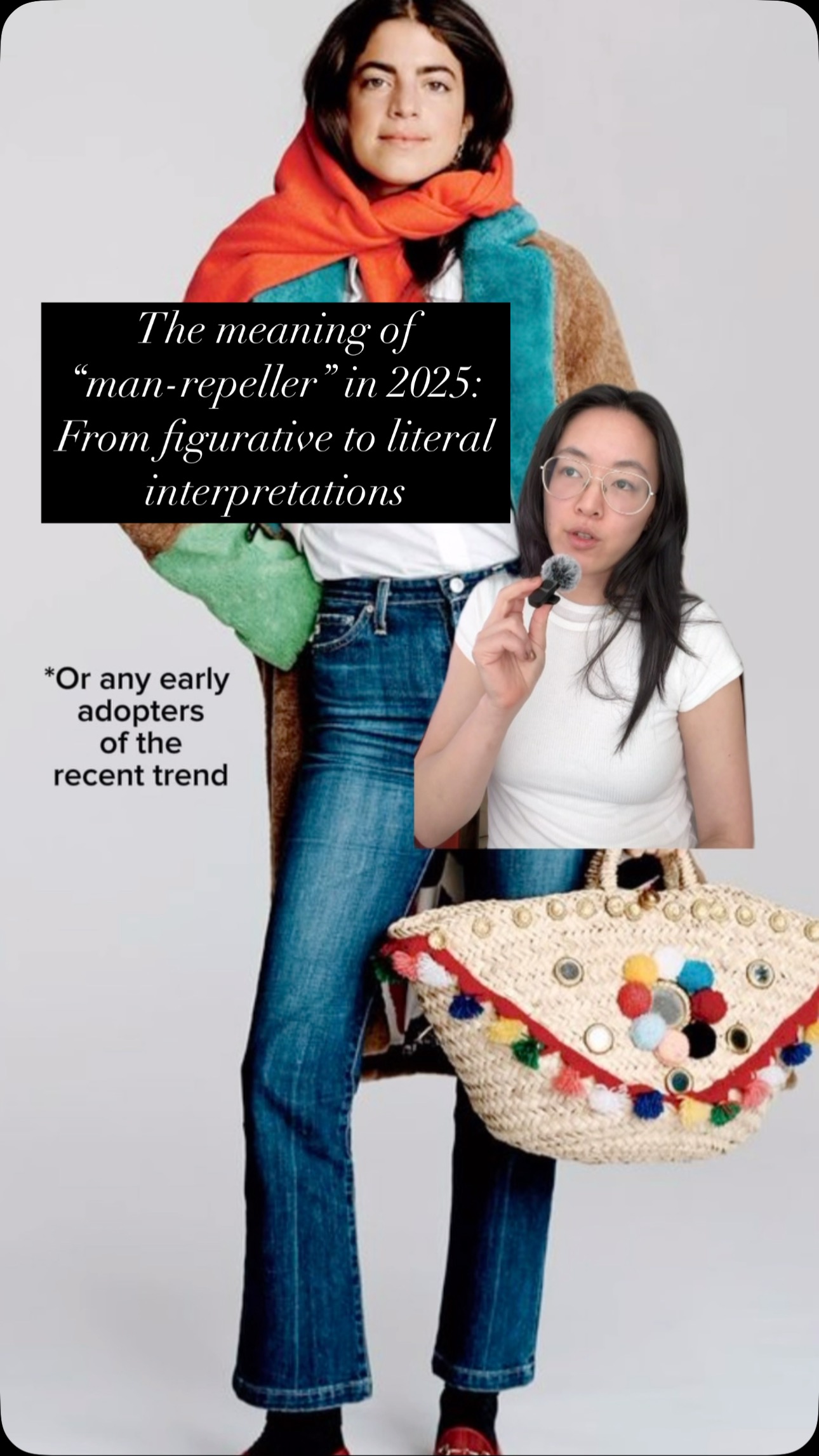
The video opens on a stylish B-roll clip of a woman in a 'man repeller' outfit, with the creator visible in a picture-in-picture frame, immediately establishing the topic and format.

[06]

Hook template

Steal this for your own video

[term] is not the same as [term].

  • — Quiet luxury is not the same as quiet luxury.
  • — Clean eating is not the same as clean eating.
  • — Work-life balance is not the same as work-life balance.

[07]

Hook and payoff

The promise the opener makes, and how the video pays it back

Hook

The Contrarian Clarification: Immediately challenge a viewer's understanding of a familiar term by stating a paradox (e.g., 'X is not the same as X'), creating an instant knowledge gap that compels them to seek the explanation.

Payoff

The Cultural Indictment: Conclude by connecting the term's evolution to a broader, underlying shift in culture, society, or values. This elevates the analysis from a simple definition to powerful social commentary, explaining *why* the change occurred and what it reveals about the current moment.

[08]

Narrative framework

The structural pattern this video runs on

Framework

The Semantic Evolution Framework

Deconstructing a commonly understood term by tracing its evolution from an original, nuanced meaning to its modern, often more literal and culturally significant interpretations, culminating in a powerful social commentary.

  1. 1

    The Foundational Definition

    Establish the original context and meaning of the term. Provide historical evidence, key figures, or the origin story to build credibility and set a baseline for the subsequent comparison.

  2. 2

    The Evolutionary Pivot

    Explicitly state that the term's meaning has shifted over time, often from a figurative or niche concept to a more literal and widespread one. This serves as the central turning point of the narrative.

  3. 3

    The Original Intent Analysis

    Re-examine the original definition to highlight its specific, often misunderstood, intent. This deepens the analysis and clarifies precisely what has been lost or changed in the term's evolution.

  4. 4

    The Modern Interpretation Gauntlet

    Present the new, evolved meanings of the term by breaking them down into distinct categories or lenses. This demonstrates comprehensive analysis by showcasing the multiple, sometimes conflicting, ways the term is now used.

Themes

  • Feminism
  • Cultural Evolution
  • Personal Safety
  • Fashion as Self-Expression

Techniques

  • Historical Contextualization
  • Comparative Analysis

Trends

  • Man Repeller Fashion

Post caption

Thoughts on the “man-repeller” trend of the last two years vs Manrepeller ™️ the 2010s online community. The phrase has taken on quite a new meaning. I think the two share similar origins (ie dressing for joy & self-expression vs dressing to conform) but the newer interpretations have become far more literal and dark in ways that reflect growing anxiety around our physical safety. (No wonder castlecore, rockstuds & chunky accessories are trending, huh?) Let’s look out for one another. . . . #manrepeller #fashionanalysis #culturalanalysis #manrepellant

Text overlays

  • contextual · beginning

    This is what I call the man repellent outfit. They hate it. I love it.

  • contextual · middle

    From figurative “man repelling”

  • contextual · middle

    ...to *literal* man-repelling

  • contextual · middle

    Man repellent outfit as a Femme lesbian

  • contextual · end

    wearing a safety shirt over my actual outfit on the way to the rave because a girl is taking public transit and we don't trust men

  • contextual · end

    walking alone at night? no problem.

  • contextual · end

    to be clear, I find the *perceived need* depressing - not the behavior

Transcript

Man repeller is not the same as man repeller. If you've seen that term floating around in recent years and are like, I've seen that before. Let me explain the difference. And then hate my outfits. If you were online in the twenty tens, you probably remember the seminal blog of the same name run by founder Leandra Medine. Its whole ethos was that fashion doesn't exist solely to make you appealing to men, and moreover, it doesn't have to be inherently frivolous. If those feel like unchallenging ideas today, remember this was right at the beginning of lean in pop feminism. And while the recent man repellent trend certainly started with similar idea, I think what's interesting is it's evolved from a tongue tongue in cheek phrase to a literal one. For example, I think if you'd asked Leandra, why do you wanna repel men? She'd say, that isn't really the point per se. It's more to just not concern yourself with their needs when you're getting dressed. Today, I'm seeing too much more literal interpretations of this idea that I find super interesting. One is a strong queer element to it. You might have seen those videos where it's like, I dress rank and men still talk to me. And the answer to why do you wanna repel men, it's literally because I'm not interested in them. The second interpretation, however, is a lot darker and has a lot to do with anxieties around personal safety. So done with men, become the threat, safety core, those videos where a woman acts super weird when she's on her way back from a night out, and I find that really sad and troubling in a way that's really reflective of our culture today. As current cultural brew of misogyny and violence, the answer to why do you wanna repel men has become because if I get unwanted attention from them, I might be in danger.

Analyzing a fashion trend's evolution | Viral Hooks