@gsnwilliams
Instagram · Split screen
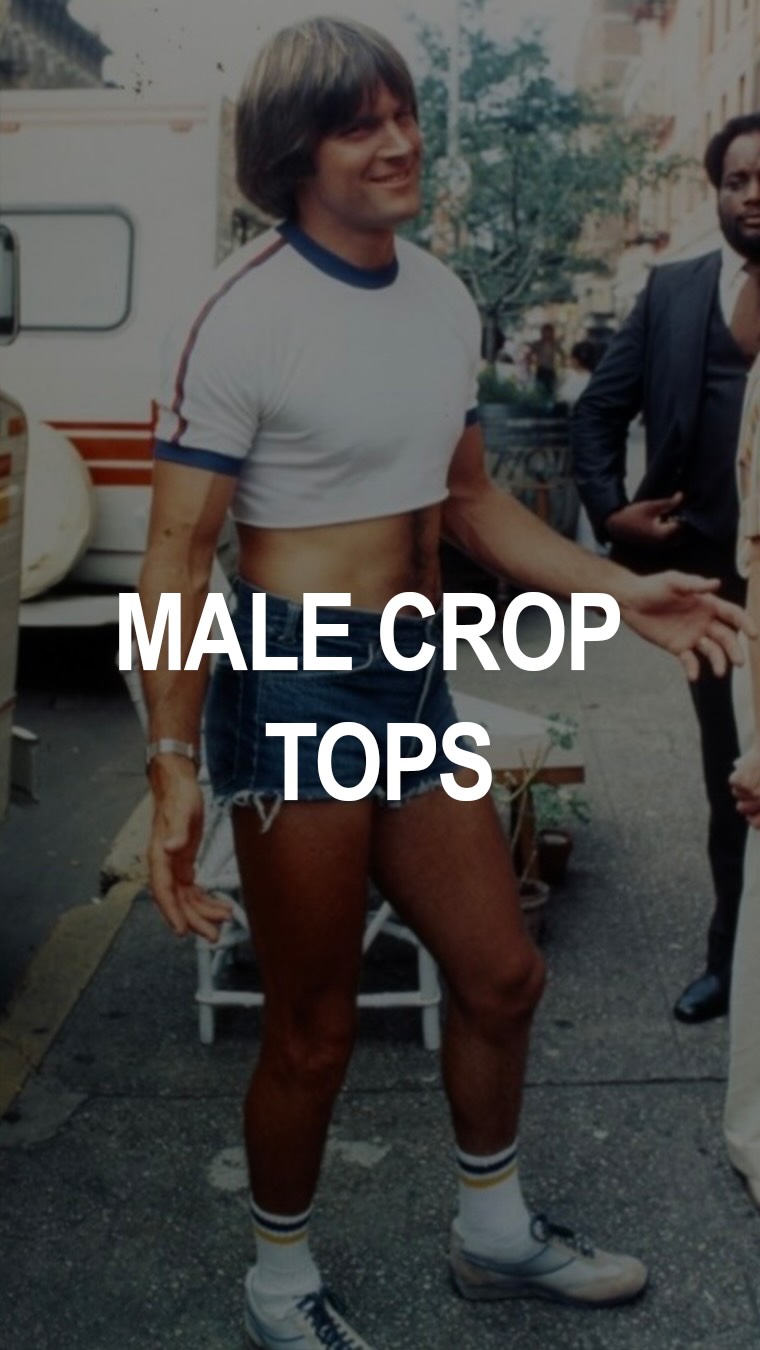
@gsnwilliams A crop top is the manliest thing you can wear #menswear #croptop

@gsnwilliams
Instagram · Split screen
@gsnwilliams A crop top is the manliest thing you can wear #menswear #croptop
Performance
Video #42971 · Split screen
[01]
The creator provides a detailed historical overview of the male crop top, starting with its origins in 1970s American football as a symbol of masculinity. He then traces its evolution into a mainstream 1980s fashion trend adopted by celebrities, and explains its subsequent decline in the 1990s due to shifting fashion norms towards baggier styles in grunge and hip-hop, leading to its re-association with queer and club culture.
[02]
[03]
 499.1K145.7×Historical breakdown of streetwear origins@henrythekid · Culture Profile
 799.1K448.9×Explaining male trends through history@bhadshah_khango · Breakdown
 459.8K87.6×History of rebel fashion explainer@henrythekidd_ · Breakdown
 150.1K1.3×Explaining military origins of fashion@henrythekidd_ · Origin Story
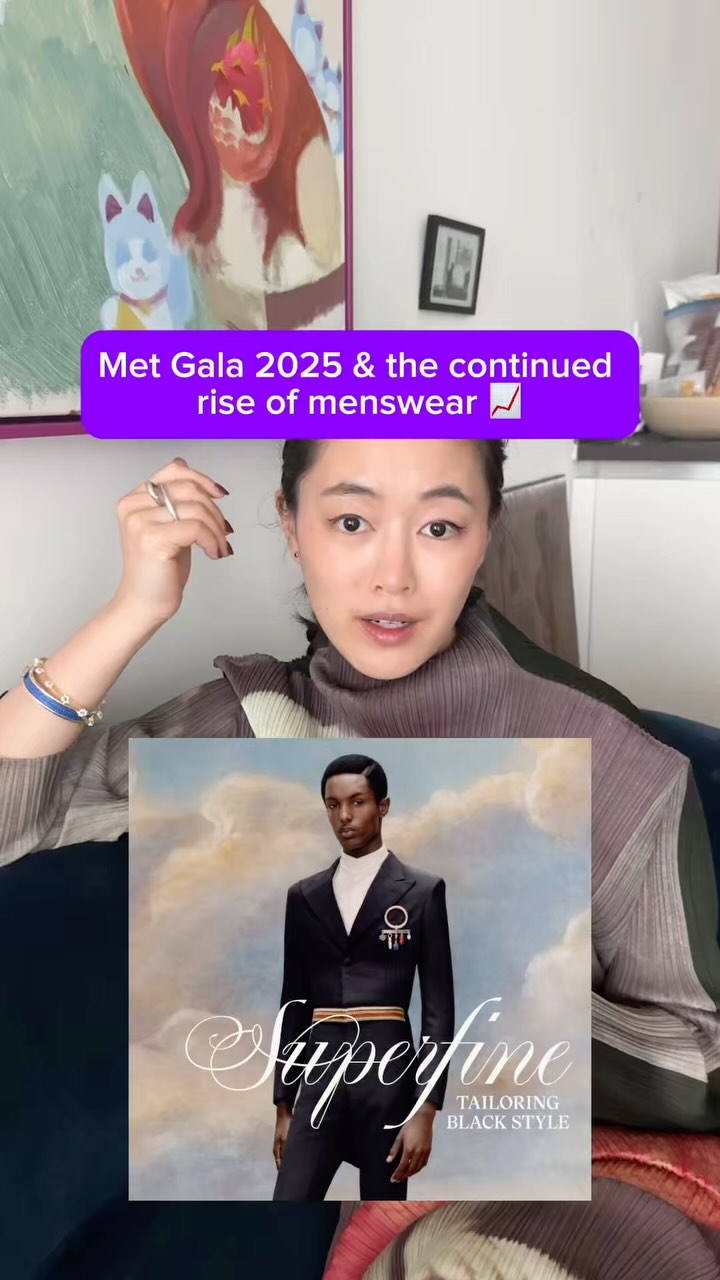 171.7K1.5×Creator analyzes menswear's cultural shift@ghostinthesam · Breakdown
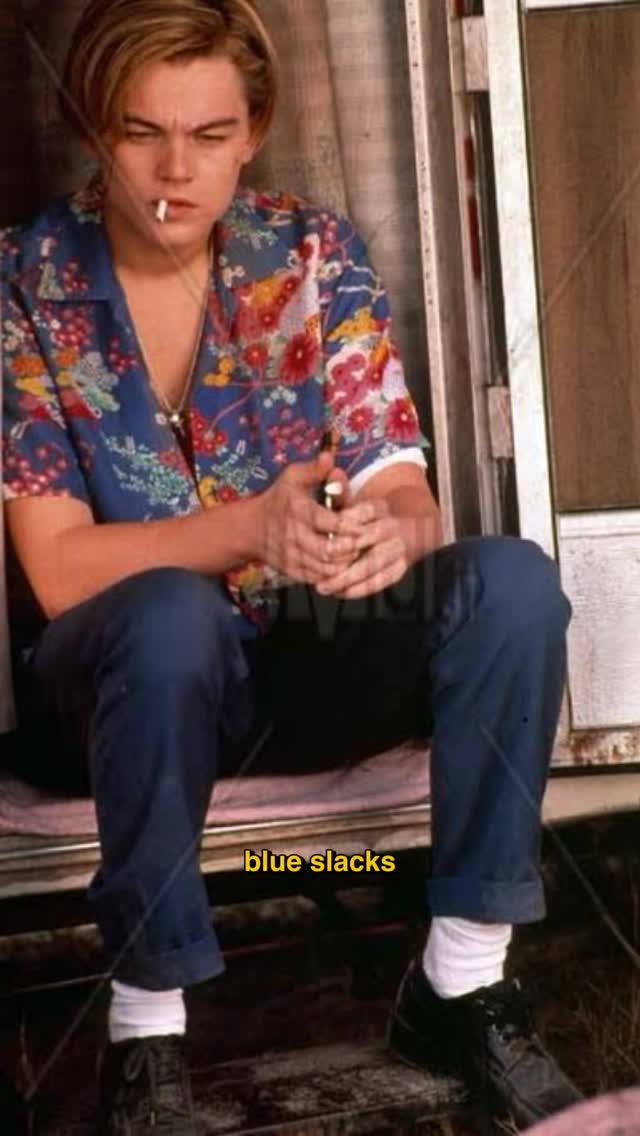 103.1K1.1×Explaining Hawaiian shirt style history@henrythekidd_ · Rapid Fire Listicle
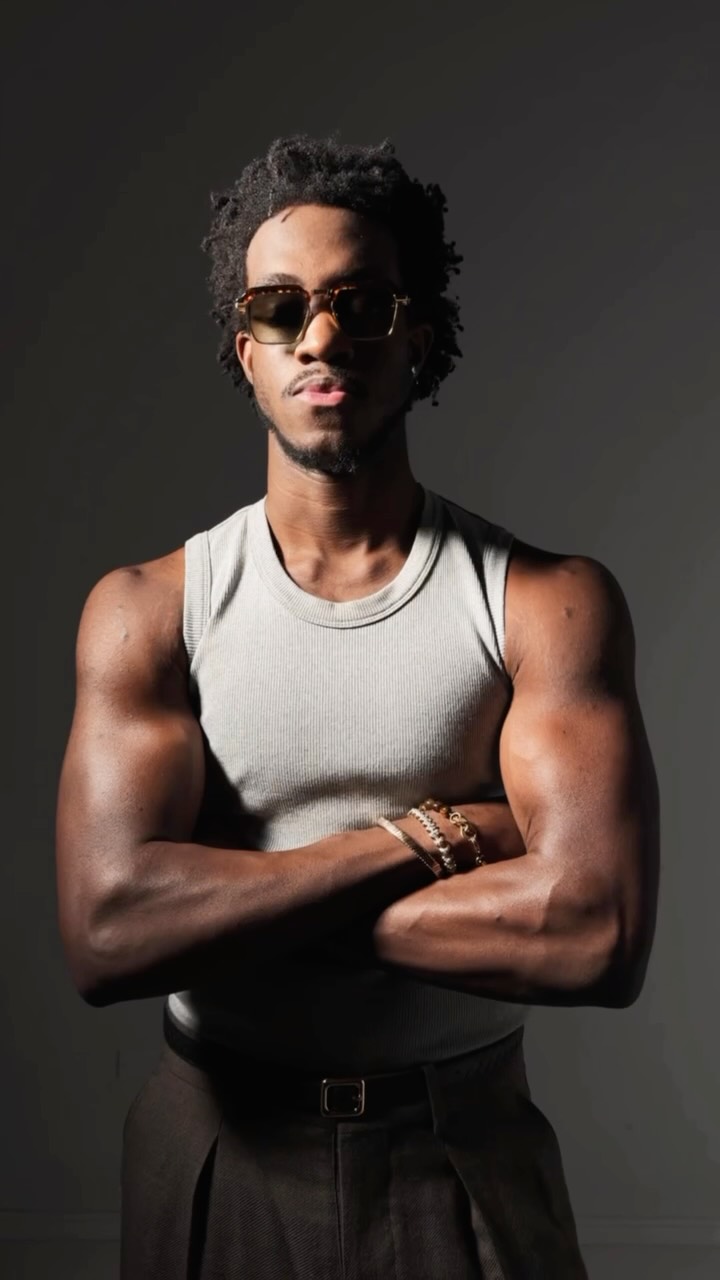 6.6M2.1×Satirical men's revealing fashion guide@wisdm · Satirical Advice
 1.7MExplains cultural history of sagging@mgthegenius · Breakdown
 17M3×Rapid-fire men's fashion style guide@wisdm · Rapid Fire Listicle
 9.7M2×Showcasing diverse men's fashion styles@wisdm · Evolution Showcase
 272.3K48.1×Explaining the skinny vs baggy cycle@peter_reitano · Evolution Showcase
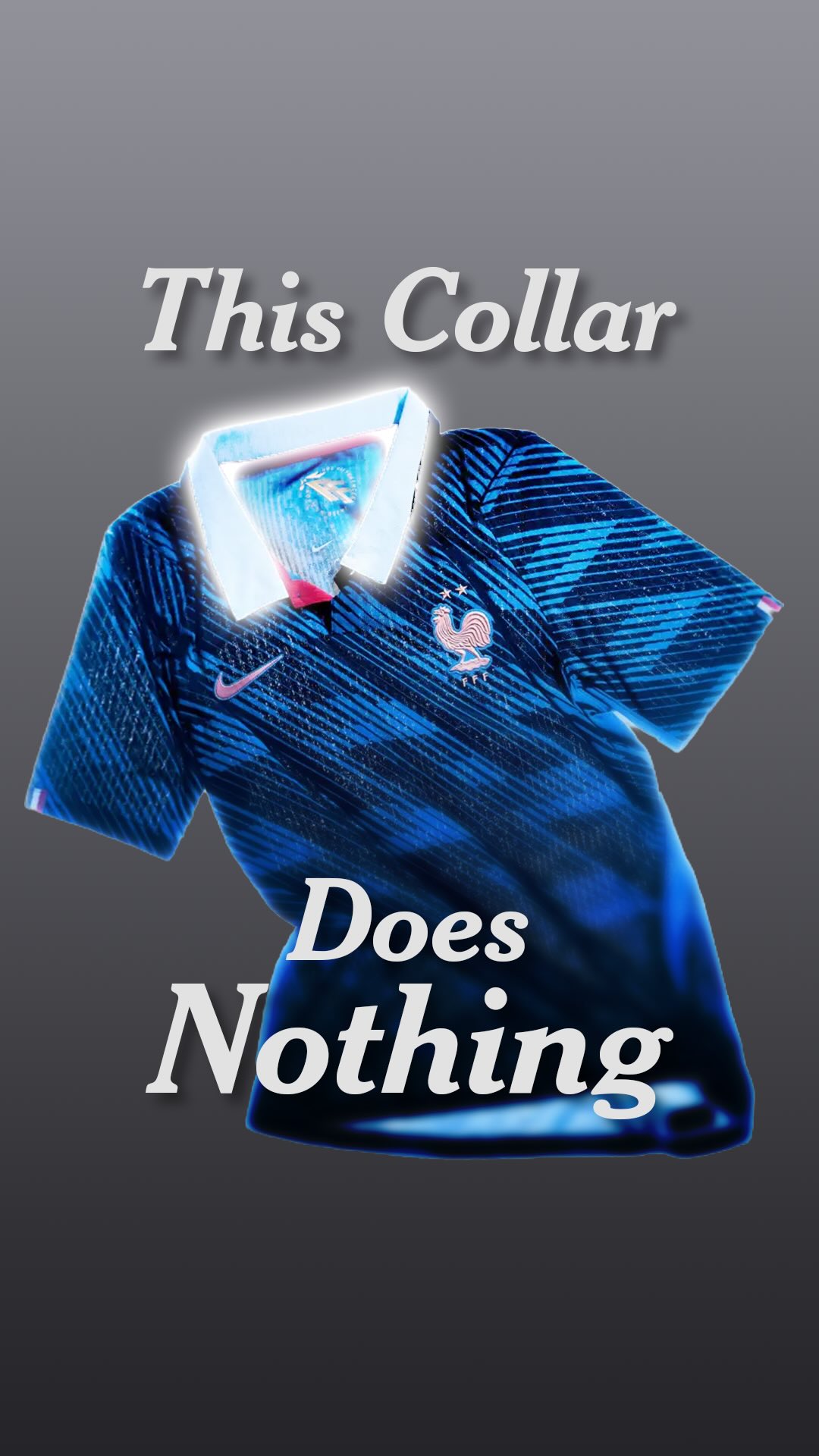 2.4M7.8×Explaining the history of collars@alextwma · What Is X?
[04]
[05]
What stops the scroll in the first 3 seconds
Title hook · 45%
would you believe me
Verbal hook · 40%
Would you believe me if I told you that this was one of the manliest outfits that you could wear?
Visual hook · 15%
A man in a vintage 1980s outfit, including a USC crop top and very short denim shorts, creating a nostalgic and visually arresting opening.
[06]
Steal this for your own video
Would you believe me? used to be .
[07]
The promise the opener makes, and how the video pays it back
Hook
A counter-intuitive claim that directly challenges a viewer's contemporary understanding of an object, person, or idea, creating an immediate knowledge gap and a desire for explanation.
Payoff
A concluding synthesis that explicitly states the 'reversal' or 'inversion' of meaning. It resolves the paradox from the hook by clarifying that the object itself didn't change, but the cultural significance attached to it did, providing a satisfying intellectual conclusion.
[08]
The structural pattern this video runs on
Framework
The Cultural Inversion Chronicle
To deconstruct a common modern perception by revealing the object's or idea's completely opposite historical origin and tracing its journey of cultural re-contextualization.
The Hyper-Contextual Origin
Establishes the subject's roots in a specific, often surprisingly practical or culturally distinct context that directly supports the hook's paradoxical claim. This beat provides the foundational evidence.
The Mainstream Expansion
Shows how the subject moved from its niche origin into a broader, more mainstream context, solidifying its initial cultural meaning and demonstrating its peak acceptance under that original definition.
The Cultural Crossover
Documents the first major shift where the subject is adopted by a new subculture or movement, beginning the process of detaching it from its original meaning.
The Paradigm Shift
Introduces external, opposing cultural forces or trends that emerge and begin to make the subject's original form or meaning feel outdated or out of place in the mainstream.
The Final Re-appropriation
Reveals how the subject was adopted by a new cultural group, cementing a new, often opposite, meaning in the mainstream consciousness, which explains its modern perception.
A crop top is the manliest thing you can wear #menswear #croptop
call-to-action · end
if you like videos like this
call-to-action · end
follow for more stories
contextual · end
behind fashion and culture
You believe me if I told you that this was one of the manliest outfits that you could wear? Crop tops had existed in Better fashion for decades, but in the late nineteen seventies, they took on a completely different meaning through American football. You see, players wore tearaway jerseys that were designed to rip when which meant their stomachs would constantly rank up exposed during games. But, eventually, players started doing this on purpose. They'd cut, roll, or tie their jerseys up, so there was less fabric for defenders to grab. So the crop top became closely associated with athleticism and masculinity. Weight lifters were wearing them too, especially in gyms where they weren't allowed to train shirtless. So by the late eighties, this wasn't some weird one off football look anymore. Sportswear brands were literally selling crop tops for men. But by then, the look had already started escaping sport. In the late seventies, crop shirts were showing up in dance clubs and counterculture movements like punk and rock. Then you get into the eighties, which was basically the golden age of the male crop top. Guys were wearing them casually with jeans and shorts, and celebrities were pushing the silhouette even further. Printers were wearing cropped jackets and tiny cropped shirts without any connection to sports wear. Johnny Depp wore one in A Nightmare on Elm Street. Will Smith also wore them in The Fresh Prince. But in the late nineties, menswear itself was also changing pretty drastically. Grunge brought this anti fashion look into menswear, with bands like Nirvana and Pearl Jam popularizing a more oversized, disheveled look. Then hip hop pushed menswear even further towards baggier sportswear, making tracksuits and hoodies a part of everyday style. And that tight, body conscious crop top that had defined the eighties suddenly didn't fit into that picture as naturally anymore. At the same time, the crop top became more associated with club culture and queer fashion, and the way mainstream culture read the silhouette started changing too. So you had this weird reversal. A garment that had once emphasized the physique of America's most masculine athletes was now something a lot of men avoided because they didn't want their masculinity or sexuality question, which makes the history of all this so interesting. The garment had barely changed. It's just a meaning that we attached to it did. If you like videos like this, follow for more stories behind fashion and culture.