Viral Hooks
Trending short videosComparing historical art styles today
K

@kylewilliamdesign

Instagram · Talking Head Edit

@kylewilliamdesign Let’s learn about Art Deco and Art Nouveau! If you want to know why they look so different, it’s important to understand the world that shaped them. Every style is a time capsule. Art Nouveau was a reaction to industrial chaos; Art Deco was the optimism and excess that followed. No style exists in a vacuum. . Which style is your favorite? What style should I explore next? . . *disclaimer: This is a simplified breakdown of over 50 years of history. If you’re curious to learn more, I have a full video going into the fill history of Art Nouveau on my YouTube (and am currently working in the script for Art deco!!). . #historytime #artdeco #artnouveau #design #interiordesigner #vintage #fyp #designlovers #vintagedecor #gildedage

View original on Instagram

The edit1 shot · 6 text
Shots Text

Performance

Views
842.9K
Likes
88.9K
Comments
439
Engagement
10.6%
Outlier
8.1×

Video #17446 · Talking Head Edit

Comparing historical art styles todayfrom @kylewilliamdesign

[01]

Overview

The creator compares and contrasts the Art Deco and Art Nouveau movements, explaining their distinct historical contexts, visual characteristics, and social implications using illustrative B-roll. He then draws a parallel between this historical aesthetic split and the current design trends emerging from the modern 'AI revolution,' arguing that the same cultural debate is repeating itself.

[02]

Simple outline

  1. 1Introduce common confusion
  2. 2Profile the first concept
  3. 3Profile the contrasting concept
  4. 4Connect pattern to present day
  5. 5Deliver cyclical thesis

[03]

Related videos

[04]

Classification

Concepts
Breakdown
Elements
B-Roll Cutaway

[05]

Hook analysis

What stops the scroll in the first 3 seconds

Title hook · 45%

Let's talk about Art Deco and Art Nouveau.

Verbal hook · 40%

Better talk about Art Deco and Art Nouveau, two styles that get mixed up, but they're very different.

Visual hook · 15%

The speaker is in a dimly lit, aesthetically styled room with an ornate mirror and candles, holding a professional microphone, creating an immediate mood of expertise and vintage curation.

[07]

Hook and payoff

The promise the opener makes, and how the video pays it back

Hook

Identifies a common point of confusion between two subjects and promises to provide definitive clarity, creating an immediate knowledge gap the viewer wants filled.

Payoff

Delivers a concise, thought-provoking thesis that the historical conflict or cultural argument is not a relic of the past but is actively playing out again, reframing the viewer's understanding of their own time.

[08]

Narrative framework

The structural pattern this video runs on

Framework

The Historical Echo

To explain the difference between two related but distinct concepts by rooting their divergence in a pivotal historical event, and then revealing how this same pattern is re-emerging in the present day.

  1. 1

    The Predecessor Profile

    Establishes the first subject by defining its core characteristics and, crucially, explaining the societal context and worldview that produced it.

  2. 2

    The World-Changing Catalyst

    Introduces a major historical or technological shift that acts as a clear dividing line between the two subjects, justifying their fundamental differences.

  3. 3

    The Successor Profile

    Establishes the second subject by defining its characteristics as a direct response (either acceptance or rejection) to the new context created by the catalyst.

  4. 4

    The Nuance Injection

    Reveals an internal contradiction or hypocrisy within both subjects, adding complexity and demonstrating a deeper level of analysis beyond a simple A vs. B comparison.

  5. 5

    The 'Now' Bridge

    Explicitly connects the historical pattern to a current, large-scale technological or cultural shift, making the entire historical argument relevant to the viewer's immediate experience.

  6. 6

    The Modern Evidence

    Presents contemporary examples that mirror the historical aesthetic or ideological split, proving the thesis that the pattern is repeating.

Themes

  • History repeating
  • Technology's impact on art
  • Social class and design

Techniques

  • Historical comparison
  • Analogical reasoning

Trends

  • Educational content
  • Aesthetic deep dives

Post caption

Let’s learn about Art Deco and Art Nouveau! If you want to know why they look so different, it’s important to understand the world that shaped them. Every style is a time capsule. Art Nouveau was a reaction to industrial chaos; Art Deco was the optimism and excess that followed. No style exists in a vacuum. . Which style is your favorite? What style should I explore next? . . *disclaimer: This is a simplified breakdown of over 50 years of history. If you’re curious to learn more, I have a full video going into the fill history of Art Nouveau on my YouTube (and am currently working in the script for Art deco!!). . #historytime #artdeco #artnouveau #design #interiordesigner #vintage #fyp #designlovers #vintagedecor #gildedage

Text overlays

  • title · beginning

    Let's talk about Art Deco and Art Nouveau.

  • informational · beginning

    Art Nouveau came first in the late 19th century

  • informational · middle

    After World War one, everything shifted.

  • informational · middle

    Art Deco didn't resist the machine age.

  • informational · end

    And now with AI and the internet we're in our own industrial revolution

  • informational · end

    We're having the same cultural argument all over again.

Transcript

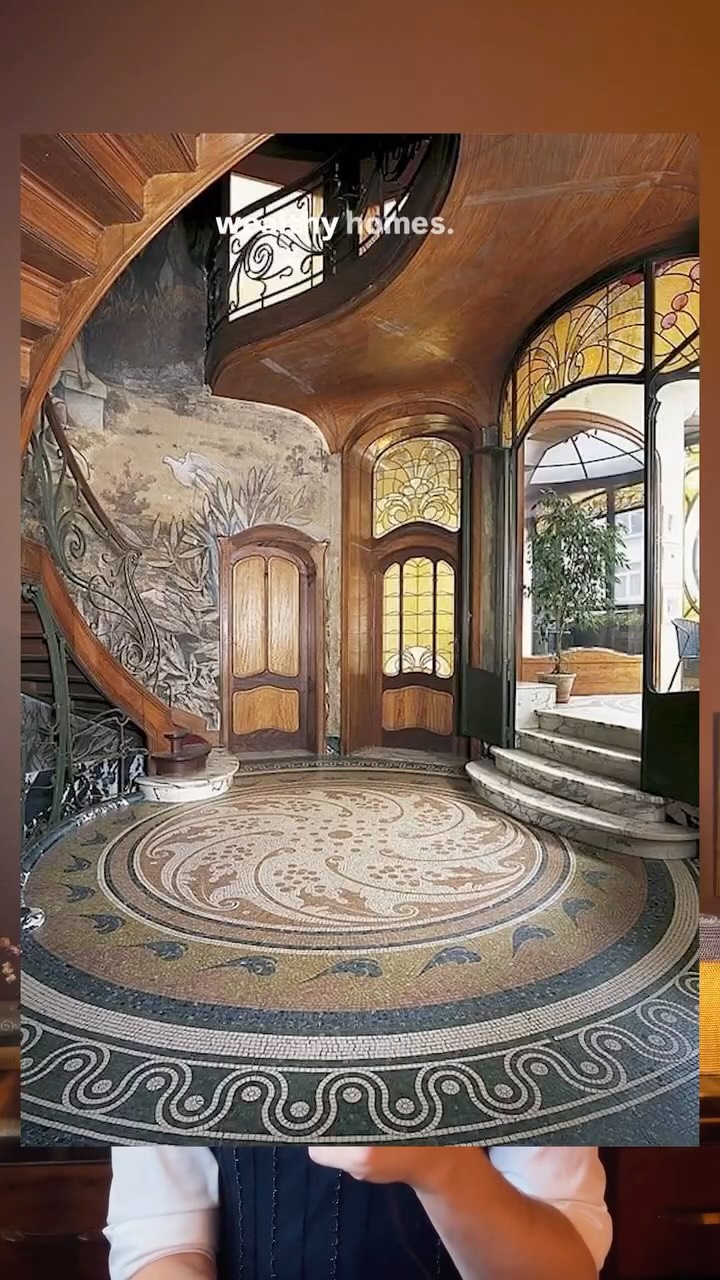
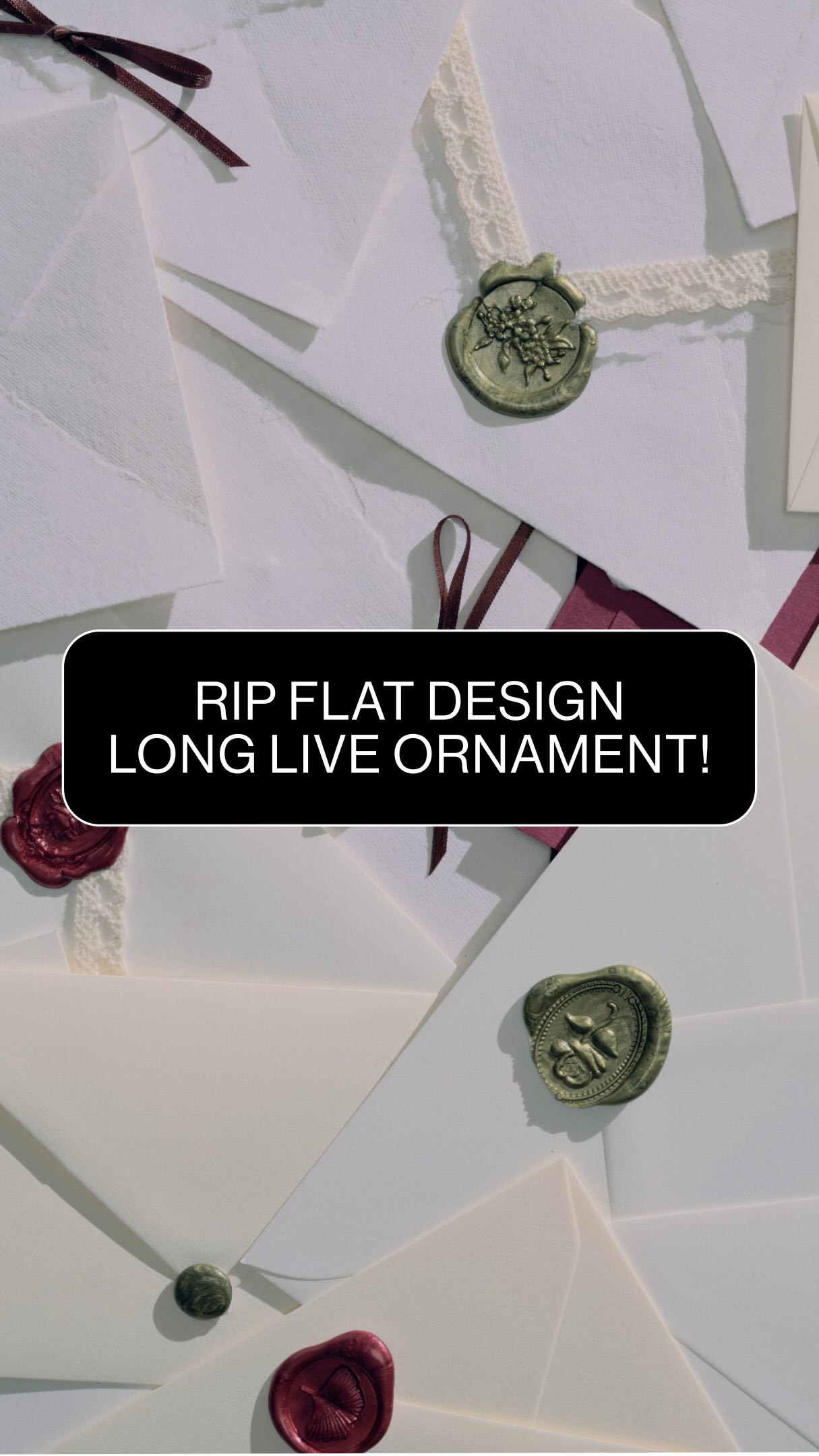
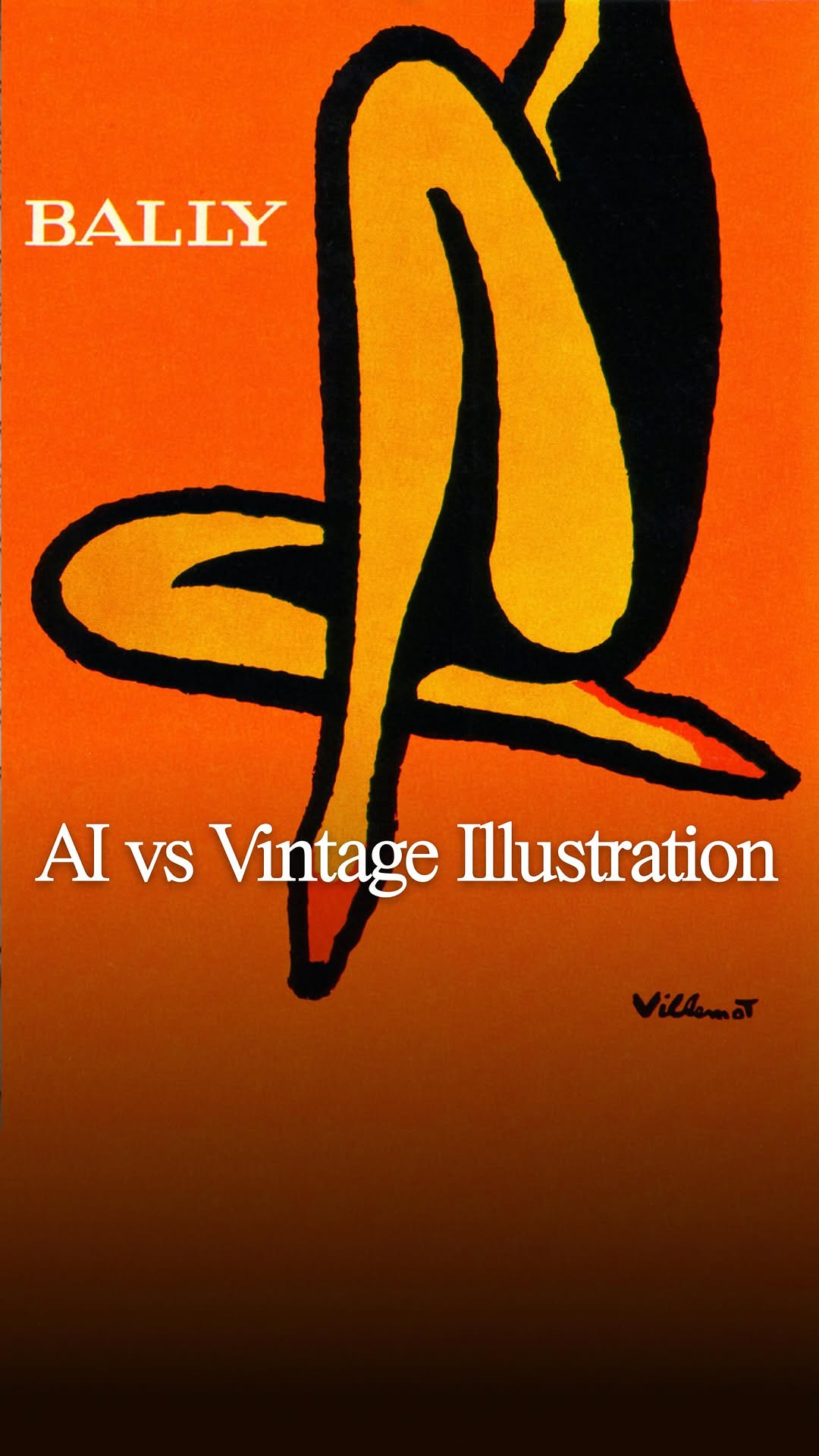
Better talk about Art Deco and Art Nouveau, two styles that get mixed up, but they're very different. Art Nouveau came first in the late nineteenth century, and it was partly a rejection of the Industrial Revolution. It featured whiplash lines, animal motifs, handmade detail, and organic forms. Aside from a few public examples like the Paris better entrances, it was mostly an interior style for wealthy homes. Critics called it escapism. A few lived in these beautiful fantasy spaces because many people lived in close quarters and worked in hazardous conditions. After Worse War one, everything shifted. Art Deco didn't resist the machine age. It embraced it. Geometric lines, symmetry, chrome, glass. It romanticized excess and glamour of city life. It was modern, but it also appropriated ancient Egyptian and Mesoamerican motifs. Deco was also very public. Skyscrapers, libraries, theaters, train stations, and back then, wealthy patrons were still funding public spaces, which is partly why Deco flourished. Better, like Nouveau, it had contradictions. Nouveau rejected industry, but it relied bad industrial production. Deco celebrated modernity, but often glossed over the realities of the working class. And now with AI and the Internet, we're in our own industrial revolution and our own version of a gilded age. And you can already see the aesthetic split: sleek, hypersymmetrical tech design worse handmade, organic, and imperfect interiors. One imitates the best, the other cosplays the future. We're having the same cultural argument all over again.