The creator explains the 'micrographic' design trend, tracing its origin from functional auto glass codes to its current popularity in branding for skincare, tech, and streetwear. She analyzes the psychology behind the trend, arguing that these tiny, unread symbols suggest a system of engineering and reliability, which provides comfort in a world of invisible systems like AI and algorithms.
Post caption
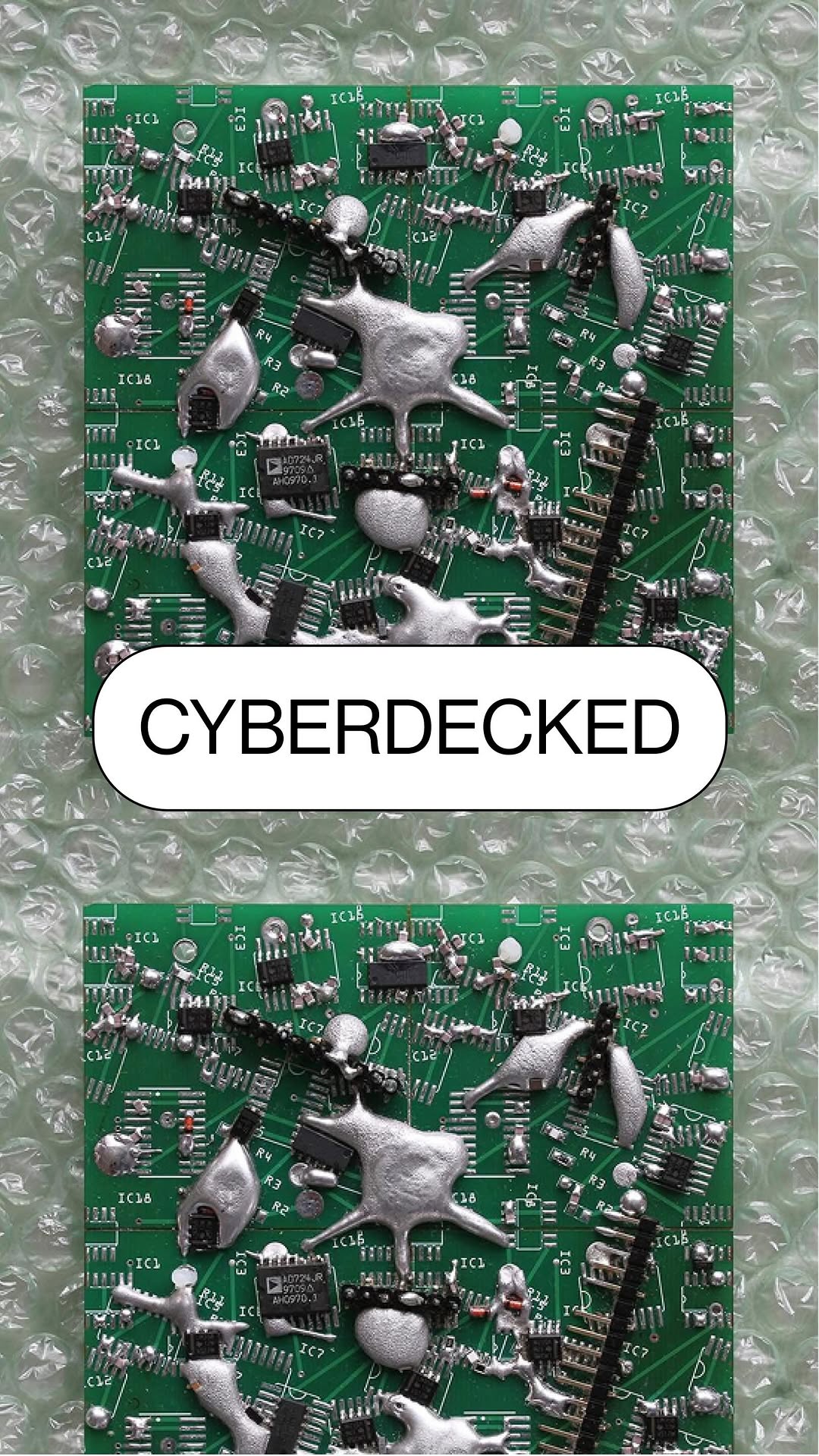
The design world is currently obsessed with micrographics, these tiny car-window style codes now show up on skincare, beauty and tech to signal engineering, testing and trust in a world filled with invisible systems. but is this trend here to stay??
Transcript
Signers are currently obsessed with car windows. Picture this, you're stuck in traffic. In boredom, you start looking around and you spot something small in the corner of the window. Auto glass coats. These are standards, factories, dates, the kind of thing that nobody notices. But now they're everywhere. The micrographic on skincare bottles that want to feel clinical or on performance products and streetwear, even on branded AI like perplexity. The funny thing is none of us are actually reading any of it. The point isn't what the symbols say, but what tier suggest that behind this glossy surface, there's a system, a bit of engineering and maybe even a rule book. And in a moment where a lot of what we use is invisible, algorithms, AI, supply chain, that feeling is really comforting. Rank that's why designers keep coming back to it. Not just because it looks cool, but because those tiny marks carry a bigger promise.