Transcript
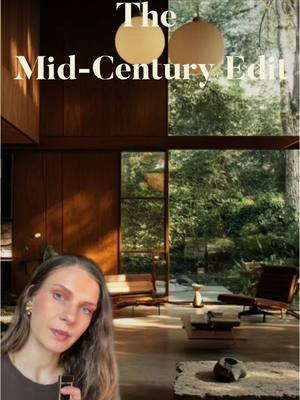
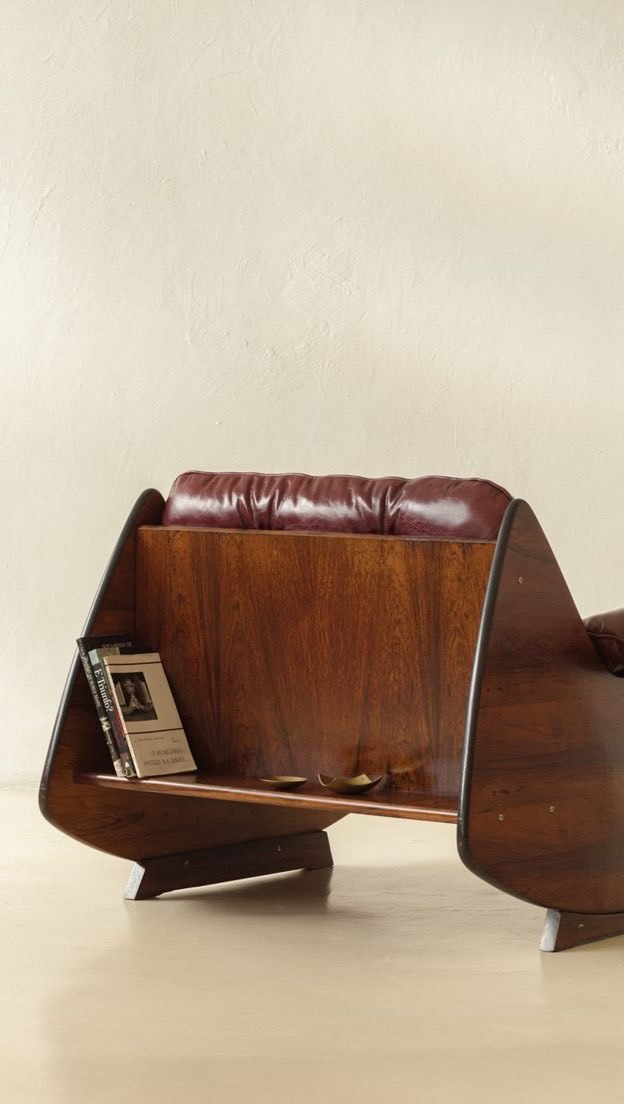
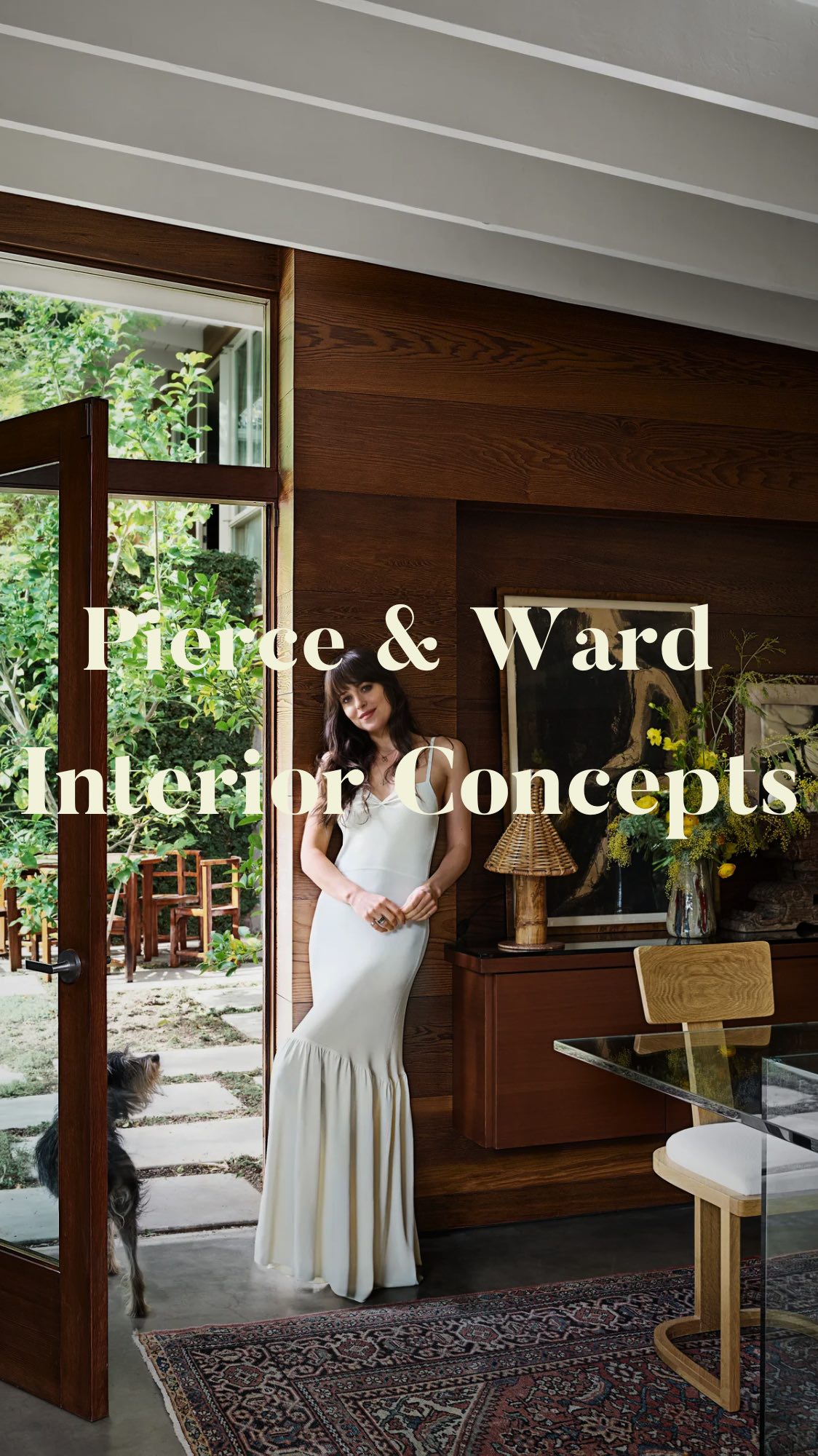
Mid century modern. You've seen it. You've pinned it. But why does it still work so well? Even decades later, born between the nineteen forties and sixties, this movement blended European modernism with American function. It was optimistic, forward looking, and built for a new worse, less opulent than Rank Deco, warmer than Bauhaus. At its core, it's a balancing act, clean lines and warm woods, function and beauty, restraint and personality, minimalism, and comfort. Here's the DNA of mid century modern. Geometric and organic forms, clean lines, no ornament or clutter, warm wood like teak and walnut, mix of materials, glass, steel, leather, and stone, earth tones with bold accents, olive, ochre, rust, and brown, sculptural lighting as focal points, built ins, and open layouts, and functional design. Everything serves a purpose. It's more than nostalgia. When done right, mid century modern creates an atmosphere of visual quiet and material richness. It's about the relationship between materials, textures, and light. The way walnut softens better, how color palettes feel under natural light, and it thrives in the right context. Low slung architecture, glass walls, and sunlight, California modernism, but also Nordic simplicity, icons to no, the Eames lounge chair, the Noguchi coffee table, Arne Jacobsen's egg chair, the Wassily lounge chair by Marcel Breuer, George Nelson bubble lamps, and Pierre Jeanrette's Chandigarh chairs, and it continues to evolve. The day's take feels warmer and more refined with the same earthy tones, vintage silhouettes, and layered materials. In both homes and hospitality, we see mid century's DNA soften into something moodier, more atmospheric, whether it's reinterpreted through brutalism, Japani, or minimalist luxury. Mid century modern continues to shape how we think about space. It's a blueprint for anyone designing with longevity, ambiance, and intention.