The creator presents a visual essay arguing that modern architecture's shift towards minimalism, influenced by Adolf Loos's "Ornament and Crime," has resulted in a loss of beauty and meaning in public spaces. They contrast ornate, historical buildings with stark, modern ones, explain the philosophical shift, and conclude by suggesting the real "crime" is creating a world devoid of inspiring structures.
Transcript
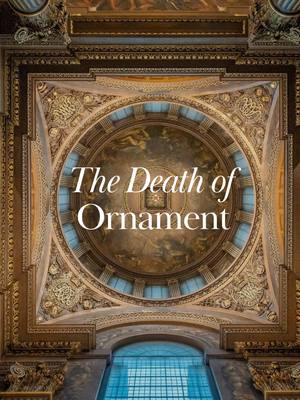
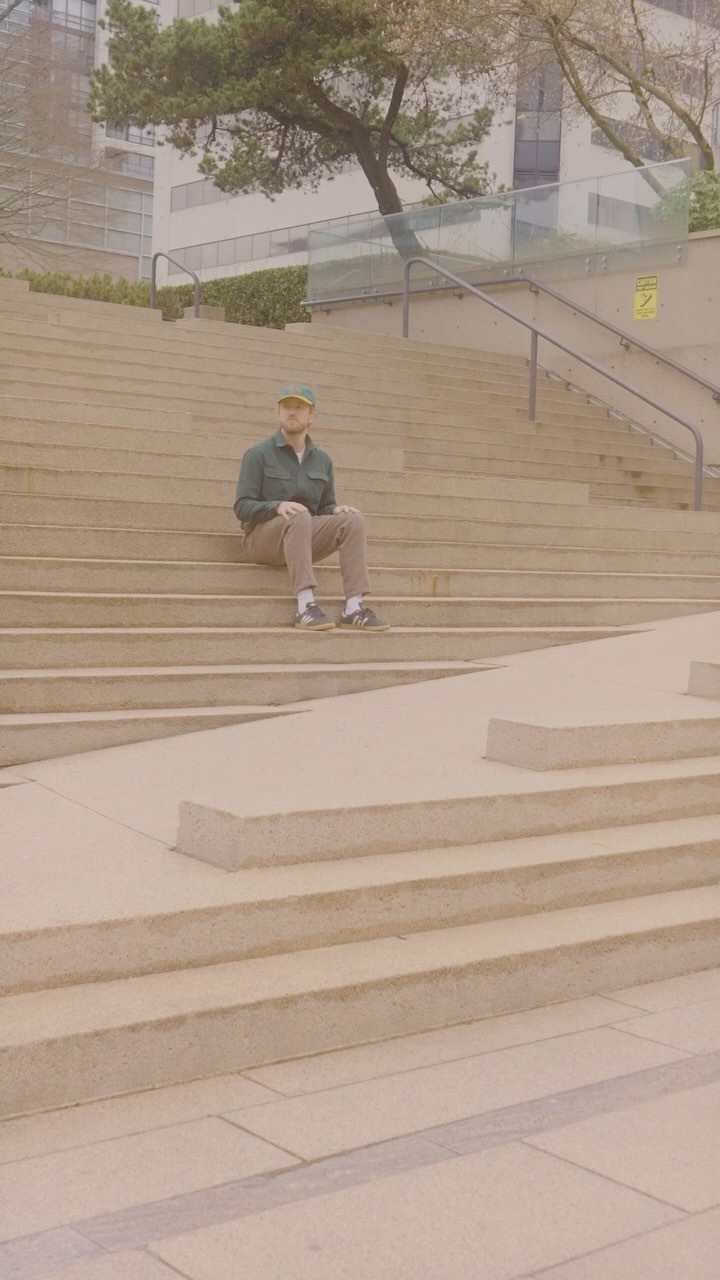
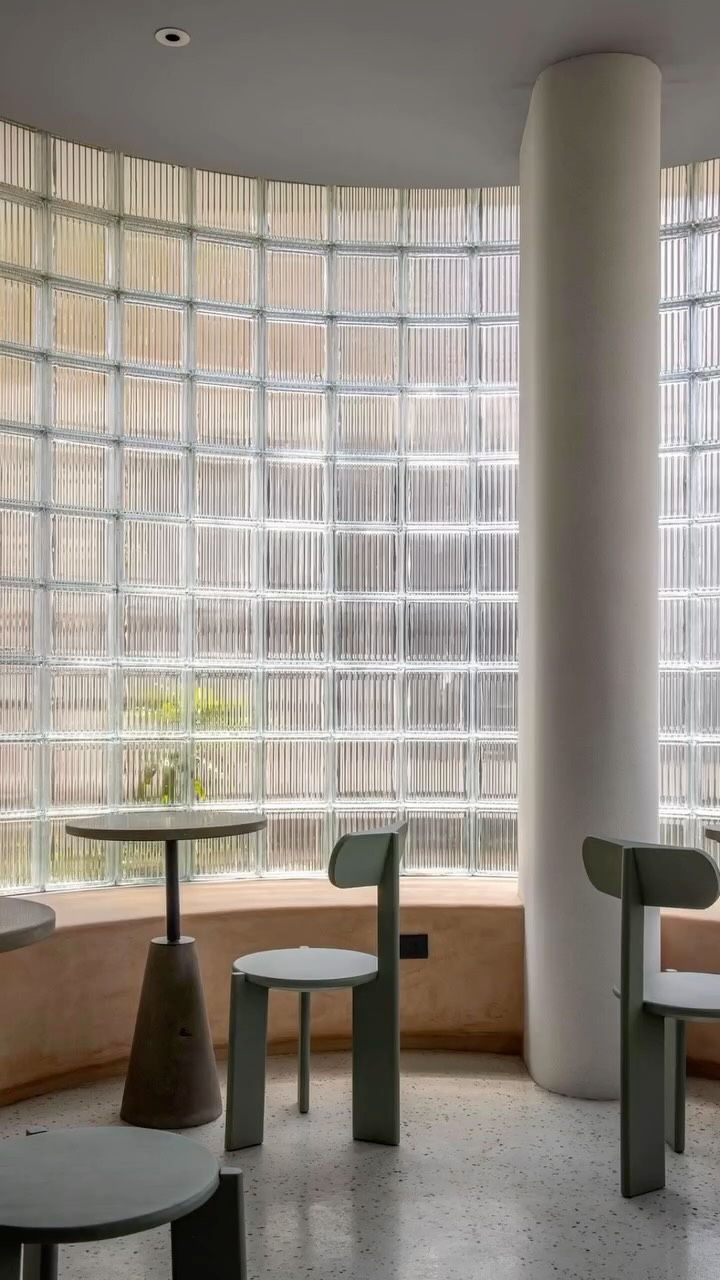
There's a reason your bank used to look like a palace and now looks like an urgent care, a reason train stations went from cathedrals to concrete. In nineteen o eight, Adolf Loos published the essay Ornament and Crime. According to him, decoration was primitive, wasteful, and immoral. In the twentieth century, listened. Ornament became embarrassing. Simplicity became virtue. Bauhaus, brutalism. Ornament became embarrassing. Simplicity became virtue. Bauhaus, brutalism, corporate minimalism, all descendants of this idea. But here's what we lost. What do you feel we've lost by abandoning traditional architecture? You've lost everything. Beauty gives you agency. A rank library says knowledge is sacred, and so is your pursuit of it. And a carved stone facade says we expect to be here in two hundred years. Architecture tells you how to feel about what you're doing. We build cheap because we think short term. We flatten everything because grandeur feels elitist. So instead of giving everyone beauty, we gave everyone equally ugly spaces. But we still traveled to see the old buildings. The places that move us were never efficient. Maybe No said it backwards. Maybe the real crime is building a world with nothing worth looking at.