@annakahoelkstudio
Instagram · Greenscreen Talking Head

@annakahoelkstudio The story of architects and their chairs - inspired by @jorgearevalographic So sorry I know I likely butchered your name

@annakahoelkstudio
Instagram · Greenscreen Talking Head
@annakahoelkstudio The story of architects and their chairs - inspired by @jorgearevalographic So sorry I know I likely butchered your name
Performance
Video #44107 · Greenscreen Talking Head
[01]
The creator explains the historical phenomenon of architects in the 20th century becoming obsessed with designing chairs. She first dismisses the simple economic incentive and then introduces the core reason: the concept of "Gesamtkunstwerk" or a "total work of art," where architects viewed their buildings as complete ecosystems they needed to control, right down to the furniture. The video concludes by framing this as an "arms race" that continues today, blurring the lines between creative professions.
[02]
[03]
 132.1K1.9×Why modern buildings look boring@curatingambiance · Breakdown
 271.9K885.6×Architect critiques modern city buildings@mwmoedinger1 · Breakdown
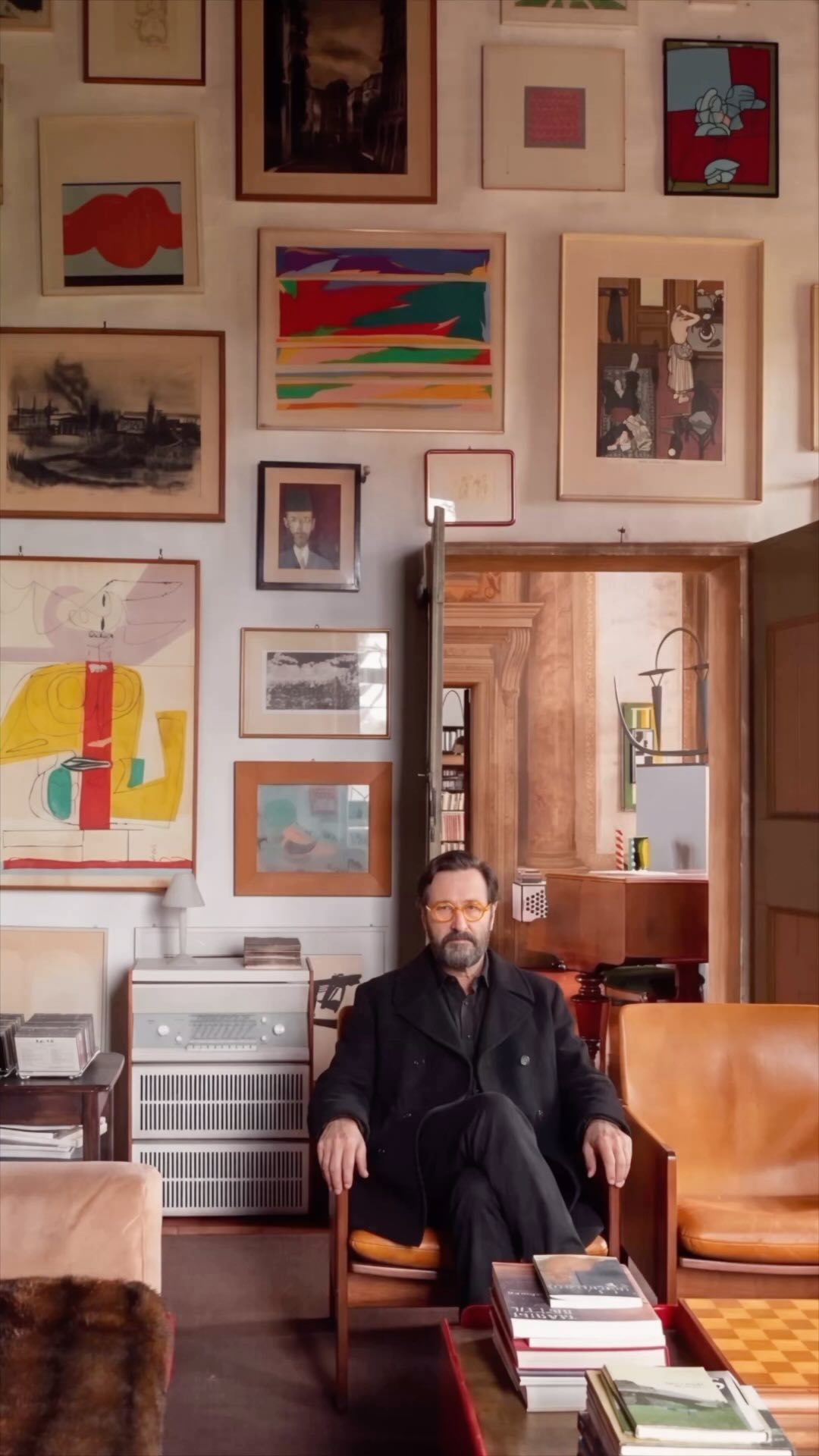 5.6M99×Man critiques modern clean aesthetic@lohause · Brand Manifesto
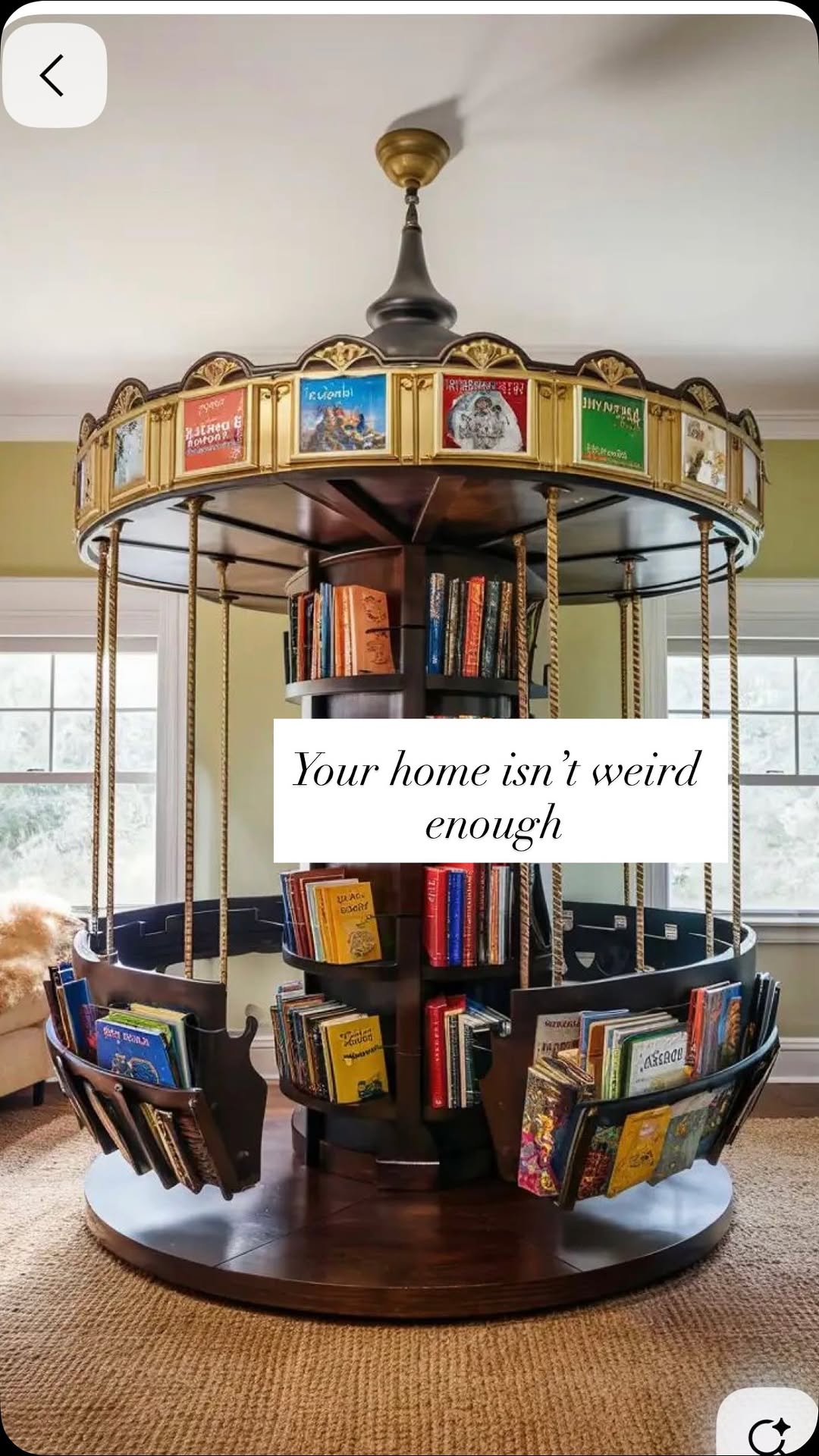 741.2K5×Critiquing boring decor with weird alternatives@lilswalty · Rapid Fire Listicle
 82.6K45.3×Art direct your space concept@jason_swet · Value Vlog
 170.2K8.5×Comparing safe vs. bold design@hansloreidesign · Good vs Bad
 5.5M642.4×Argues furniture is art not function@hansloreidesign · Hot Take
 588.7K7×Why furnishing a home with only new trendy pieces is a mistake@hansloreidesign · Explainer
 103.6KShowcasing 11 personal home details@hansloreidesign · Rapid Fire Listicle
 3.8M21.2×Advocating for aesthetic gym revival@hansloreidesign · Nostalgia Highlight
 674K3.8×Satirical advice on skyscraper design@hansloreidesign · Comparative Guide
 284.7K1.6×Design tip for cozy living rooms@hansloreidesign · Explainer
[04]
[05]
What stops the scroll in the first 3 seconds
Title hook
Design Talks Ep. 67
Verbal hook · 75%
In the early twentieth century, something weird started happening to architects.
Visual hook · 25%
A split-screen format with the creator on the bottom and a surreal black-and-white image of an architect's face superimposed between two building models on the top.
[06]
Steal this for your own video
In , something weird started happening to .
[07]
The promise the opener makes, and how the video pays it back
Hook
A strange, counter-intuitive observation about a specific group or time period is presented as an unexplained mystery.
Payoff
The viewer feels intellectually satisfied by learning the 'real story' behind a curious fact and is left with a thought-provoking insight that reframes their understanding of the topic.
[08]
The structural pattern this video runs on
Framework
The 'Deeper Truth' Deconstruction
To present a curious historical or cultural phenomenon, dismiss the obvious surface-level explanation, and then reveal a deeper, more profound philosophical reason, making the audience feel they've gained insider knowledge.
The Curious Anomaly
States a weird, unexplained trend or behavior that piques curiosity (e.g., 'something weird started happening to architects').
The Rapid-Fire Proof
Provides a quick succession of visual examples to establish the phenomenon as real, significant, and widespread, building credibility and momentum.
The Explicit Question
Directly articulates the central question the video will answer, focusing the viewer's attention (e.g., 'But why were architects... so intent on designing them?').
The Red Herring
Offers a simple, plausible, but ultimately incomplete explanation, then immediately dismisses it to build suspense for the 'real' answer (e.g., '...an economic incentive, but there was something deeper').
The Core Concept Reveal
Introduces the central, often more complex, philosophical or cultural concept that serves as the true root cause of the phenomenon.
The Philosophical Link
Explains precisely how the core concept was adopted by the group in question and applied to their work, directly connecting it to the initial anomaly.
The Competitive Escalation
Details the consequences of this new mindset, framing the resulting activity as a competition or 'arms race' that accelerated the trend and served as a proof of concept for the larger philosophy.
The Enduring Legacy
Connects the historical phenomenon to the present day to demonstrate its lasting relevance and impact.
The Final Reflection
Concludes with a broader, more philosophical takeaway that elevates the topic, reflecting on the nature of the field, creativity, or human behavior.
The story of architects and their chairs - inspired by @jorgearevalographic So sorry I know I likely butchered your name
title · beginning
Design Talks Ep. 67
informational · beginning
something weird started happening to architects
informational · beginning
they just couldn't stop designing chairs
contextual · beginning
Le Corbusier's LC series
contextual · beginning
Mies van der Rohe's Barcelona chair
contextual · middle
Marcel Breuer's Wassily chair
informational · middle
but why were architects suddenly so intent on designing them
informational · middle
with the concept of a total work of art
informational · middle
GESAMTKUNSTWERK
informational · middle
right down to the way the body sat in a chair
The early twentieth century, something weird started happening to architects. They just couldn't stop designing chairs. Le Corbusier's LC series, Mies van der Rohe's Barcelona chair, Marcel Breuer's Wassily chair, and many, many, many others. A note that these illustrations are by the very talented George Arevalo and sparked the idea for this episode. Many of these chairs were beautiful and remain design classics in production till this day, but why were architects suddenly so intent on designing them? Yes, a chair good be mass produced and sold unlike a skyscraper, so a bit of an economic incentive, but there was something deeper. In the twentieth century, architects were becoming more and more enthralled with the concept of a total work of art, a term originally popularized in its original German to describe good. Better architects, being the humble people that they are, quickly adopted this term to describe their buildings, which they viewed as unified ecosystems that could control the human experience right down to the way the body sat in a chair. And thus, an arms race began with architects competing no only to create the best chair as a miniature proof of concept of their aesthetic and structural prowess, but as a symbol of their ability to create a building that was a total work of tier, right down to the furniture within it. To this day, architects are still designing chairs, and as an industrial designer who would usually claim the chair as our territory, I think it just goes to show how blurred the lines are between creative professions, and how truly difficult it is to suspend the human engineer.