@sakata.ken
Instagram · Talking Head Edit
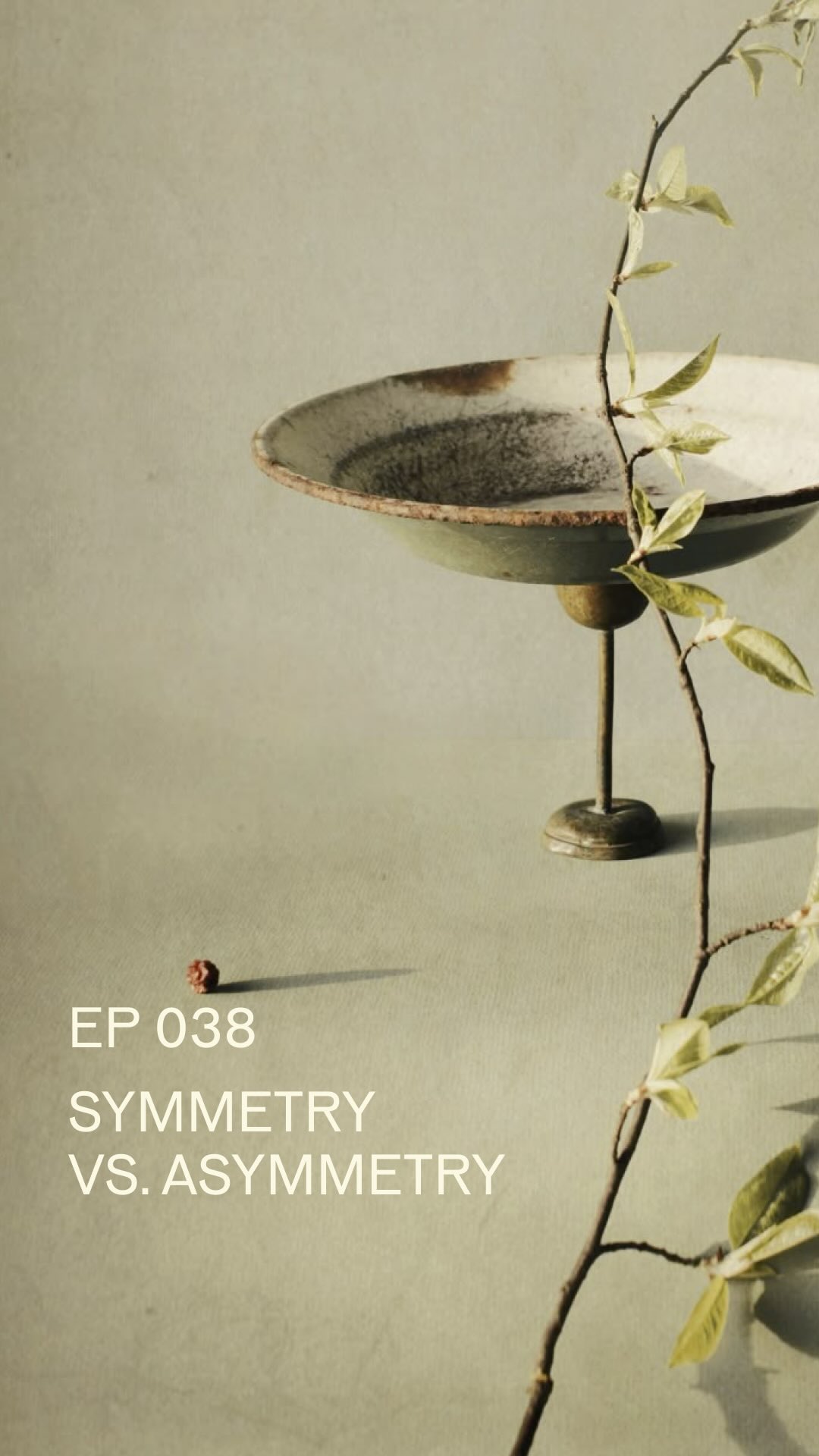
@sakata.ken Symmetry, asymmetry and how to make something beautiful

@sakata.ken
Instagram · Talking Head Edit
@sakata.ken Symmetry, asymmetry and how to make something beautiful
Performance
Video #15448 · Talking Head Edit
[01]
The creator explains and contrasts two opposing philosophies of beauty: the Western tradition that links beauty to symmetry and geometric perfection, and the Eastern (specifically Japanese) tradition that values asymmetry and irregularity as a reflection of nature. He uses historical examples like Vitruvius, Da Vinci, and Ikebana to illustrate these points. He then resolves this dichotomy by arguing that both are merely techniques to achieve a higher goal of balance, concluding that beauty is a perceptual event, not an inherent quality of an object.
[02]
[03]
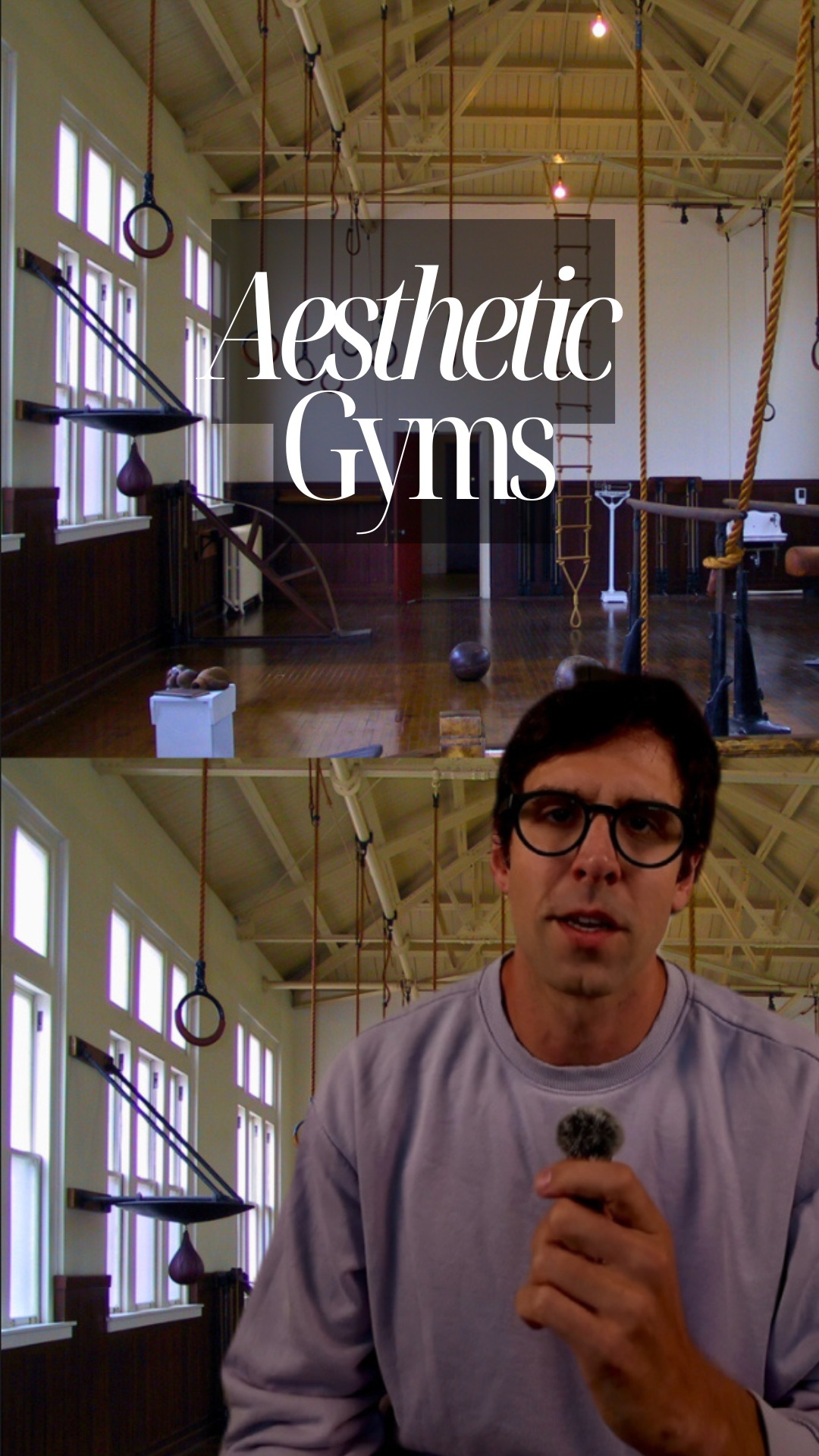 3.8M21.2×Advocating for aesthetic gym revival@hansloreidesign · Nostalgia Highlight
 132.1K1.9×Why modern buildings look boring@curatingambiance · Breakdown
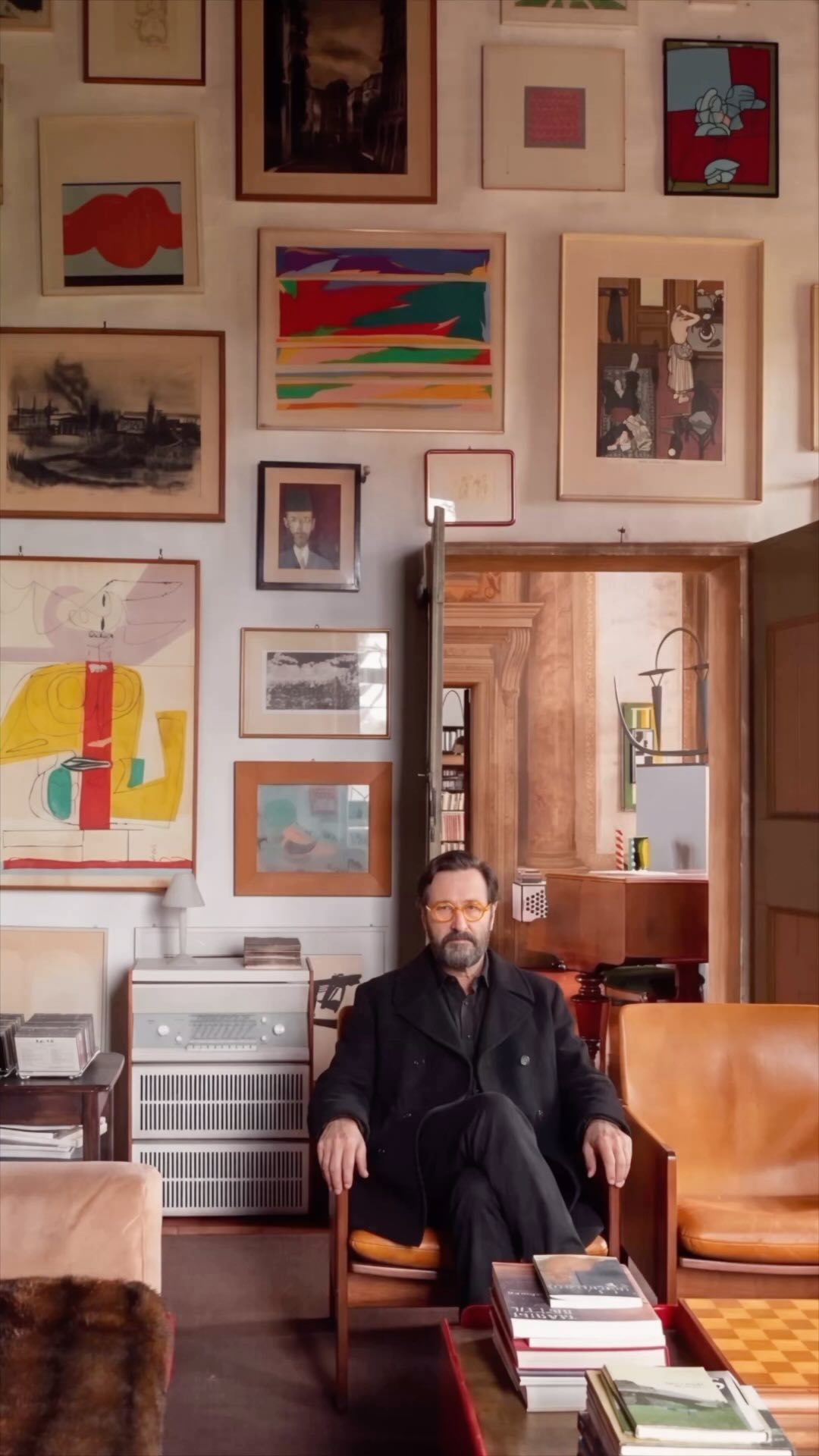 5.6M99×Man critiques modern clean aesthetic@lohause · Brand Manifesto
 271.9K885.6×Architect critiques modern city buildings@mwmoedinger1 · Breakdown
 517.6K2.9×Design advice for blending old and new styles@hansloreidesign · Value Vlog
 5.5M642.4×Argues furniture is art not function@hansloreidesign · Hot Take
 139.1K35.7×Explaining old video game vibes@lukas.mullen · Nostalgia Highlight
 267K131.4×Explaining a historical design trend@annakahoelkstudio · Breakdown
 741.2K5×Critiquing boring decor with weird alternatives@lilswalty · Rapid Fire Listicle
 201.3K13×Contrasting boring vs bold design.@hansloreidesign · Rapid Fire Listicle
 170.2K8.5×Comparing safe vs. bold design@hansloreidesign · Good vs Bad
 2M8.7×List of weird home decor@lilswalty · Rapid Fire Listicle
[04]
[05]
What stops the scroll in the first 3 seconds
Title hook · 35%
this is symmetrical
Verbal hook · 40%
This is symmetrical, this is asymmetrical. Which is more beautiful?
Visual hook · 25%
A quick cut from the speaker to a full-frame shot of a symmetrical black dress, immediately establishing a visual comparison.
[07]
The promise the opener makes, and how the video pays it back
Hook
The Binary Provocation: Immediately presents two contrasting visual options and asks the audience to make a value judgment ('Which is more beautiful?'), creating instant engagement and a need for a definitive answer.
Payoff
The Concluding Mandate: Broadens the synthesized lesson into a universal principle or a designer's responsibility, empowering the viewer with a new, more sophisticated way of thinking.
[08]
The structural pattern this video runs on
Framework
The Dialectical Resolution
Presenting two opposing, valid viewpoints (a thesis and antithesis) only to resolve the apparent contradiction with a higher, unifying concept (a synthesis), thus providing an intellectually satisfying 'aha' moment.
The Case for Order
Establishes the historical and logical foundation for the first viewpoint (Symmetry), lending it credibility and authority through historical figures and principles.
The Modern Echo
Demonstrates the contemporary relevance of the first viewpoint, connecting the historical argument to modern-day science or culture.
The Case for Chaos
Introduces the second, opposing viewpoint (Asymmetry) as a 'parallel tradition,' giving it equal weight and its own distinct philosophical justification.
The Antithesis Proof
Provides a concrete, tangible example that illustrates the philosophy of the second viewpoint, making it more than just an abstract idea.
The Contradiction & Reversal
Explicitly states the conflict between the two viewpoints ('It can't be both') and then immediately subverts the expectation of a simple winner with a surprising twist ('It's both').
The Synthesis Revelation
Introduces a new, higher-level concept that reframes the initial binary, revealing that the two opposing ideas are merely techniques in service of a greater goal (Balance).
The Practical Application
Grounds the abstract, synthesized concept in a relatable, real-world example, making the new understanding tangible and memorable.
Symmetry, asymmetry and how to make something beautiful
informational · beginning
this is symmetrical
informational · beginning
this is asymmetrical
informational · beginning
which is more beautiful?
informational · beginning
the idea of symmetry
informational · beginning
a guy called Vitruvius
informational · middle
the human body
informational · middle
of the Vitruvian man
informational · middle
of facial symmetry
informational · middle
of nature
informational · middle
it's asymmetrical
informational · end
value asymmetry and irregularity
informational · end
that is BALANCE
informational · end
experience of perceiving it
informational · end
to create balance
informational · end
balance and harmony
informational · end
greater story of balance
This is symmetrical, this is asymmetrical. Which is more beautiful? We've been linking the idea of symmetry to beauty for quite some time and the Better tradition of thought really begins with a guy called Vitruvius and he was a Roman architect. And his most influential idea was that beauty was linked to geometry and specifically the geometry of the human body. The wingspan of a human being should be equal to the height of a human being and that forms a perfect square. Using your navel as the middle and your arms outstretched, it forms a perfect circle. This was visualized a thousand five hundred years later by Leonardo da Vinci with his illustration of the Vitruvian rank. So this idea of natural geometry continues through the Renaissance and really even into modern day. We still try and chase this relationship. Scientists look at facial attractiveness linked to ideas of facial symmetry. But tier is a parallel tradition that sees beauty not as a reflection of the self, the human body, but as a reflection of nature. And nature is chaotic, it's random, it's asymmetrical. So Japanese aesthetics value asymmetry and irregularity. Ikebana, which is Japanese flower arrangement, uses asymmetry throughout. Uneven lines, negative spaces, and uneven amounts of blooms. Really no respect for geometry whatsoever. In Japanese traditional clothes, in Hakama pants, you'll see here that the pleats are uneven. Two on the wearer's right and three on the wearer's left because this is supposed to mimic what life is. Life is uneven, life is unfair. And these two positions seem opposed to each other. Either beauty is order and symmetry or beauty is asymmetrical and uneven. It can't be both. It's both. Rudolf Arnheim is an art theorist who summarizes this the best. Symmetry, asymmetry are just merely techniques and they pursue a higher goal of something that is balance. Because beauty is not found in the actual object itself, but beauty is the experience of perceiving it. It is the perceptual event. If you have a higher right shoulder, your tailor might add extra padding on the left shoulder to create balance. So in the interaction of two imperfect things, your body and a suit, there is now balance and harmony. And as we think deeper about design and it becomes more sophisticated to incorporate not just the thing that you're designing, but the environment, the person who perceives it. And your responsibility as a designer is not just this, but to create a greater story of balance.