@stefano.narducci
Instagram · Split screen
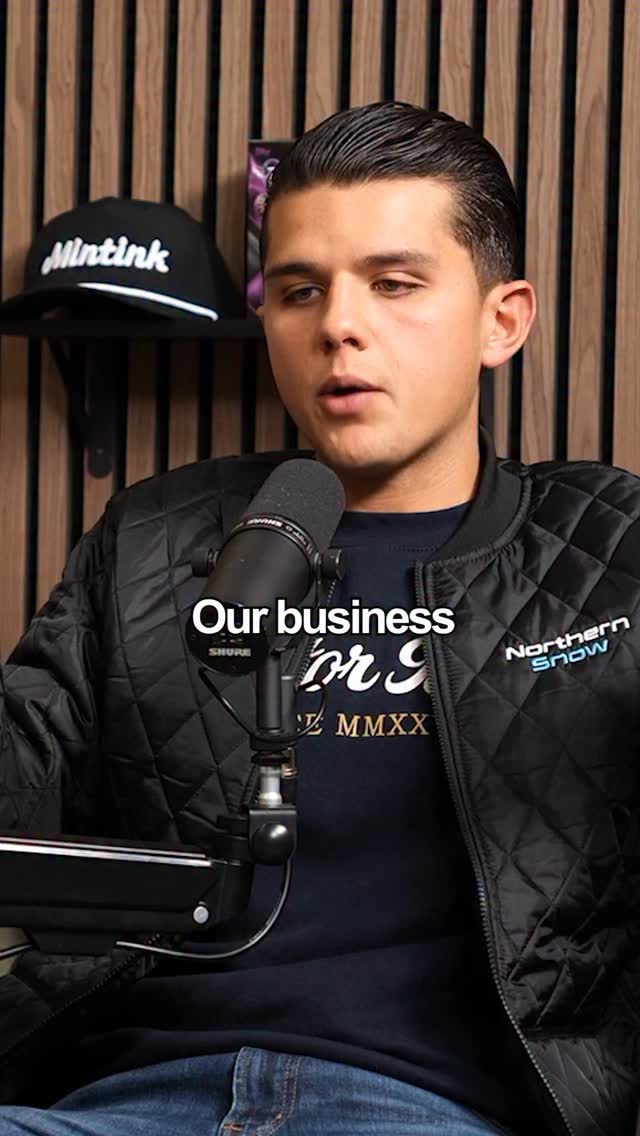
@stefano.narducci We received record snow and worked for 22 days straight.

@stefano.narducci
Instagram · Split screen
@stefano.narducci We received record snow and worked for 22 days straight.
Performance
Video #18521 · Split screen
[01]
The speaker tells a personal story about how his snow removal business nearly collapsed during a record snowstorm due to a severe lack of human resources. He uses a war analogy to frame the crisis, details the day-by-day escalation of the problem, explains the potential financial fallout leading to bankruptcy, and describes the immense personal and operational strain he and his team were under.
[02]
[03]
 692.8K3×Podcast trailer of entrepreneur's journey@moneybuyshappiness · Hype Teaser
 363.9K2.1×Prove haters wrong success montage@stefano.narducci · Evolution Showcase
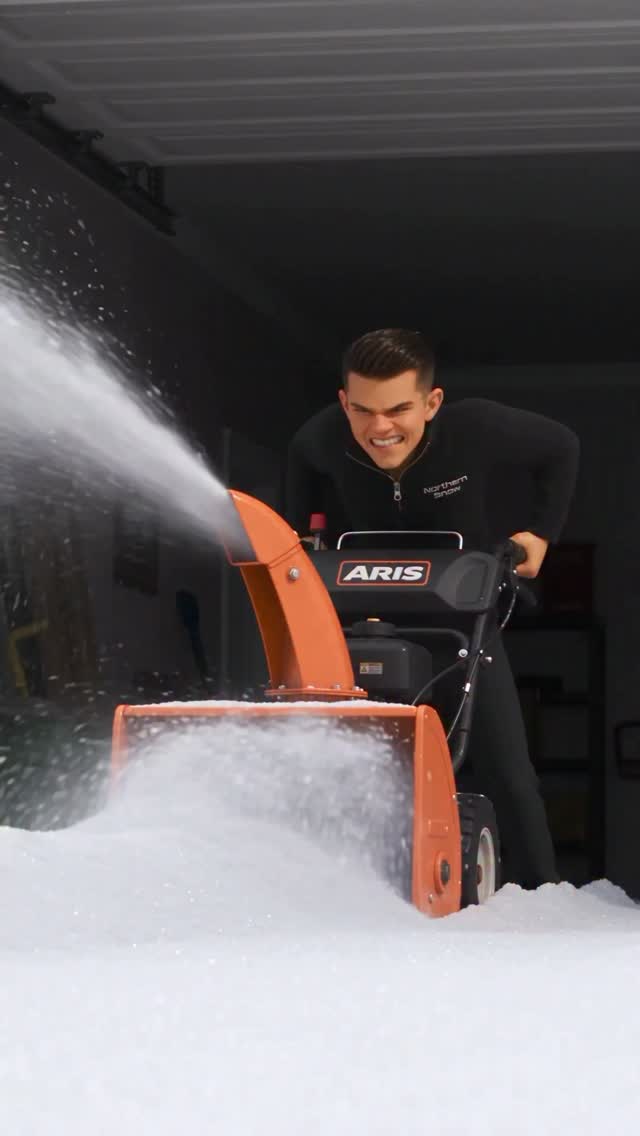 2.5M71.7×Animated story of business growth@stefano.narducci · Origin Story
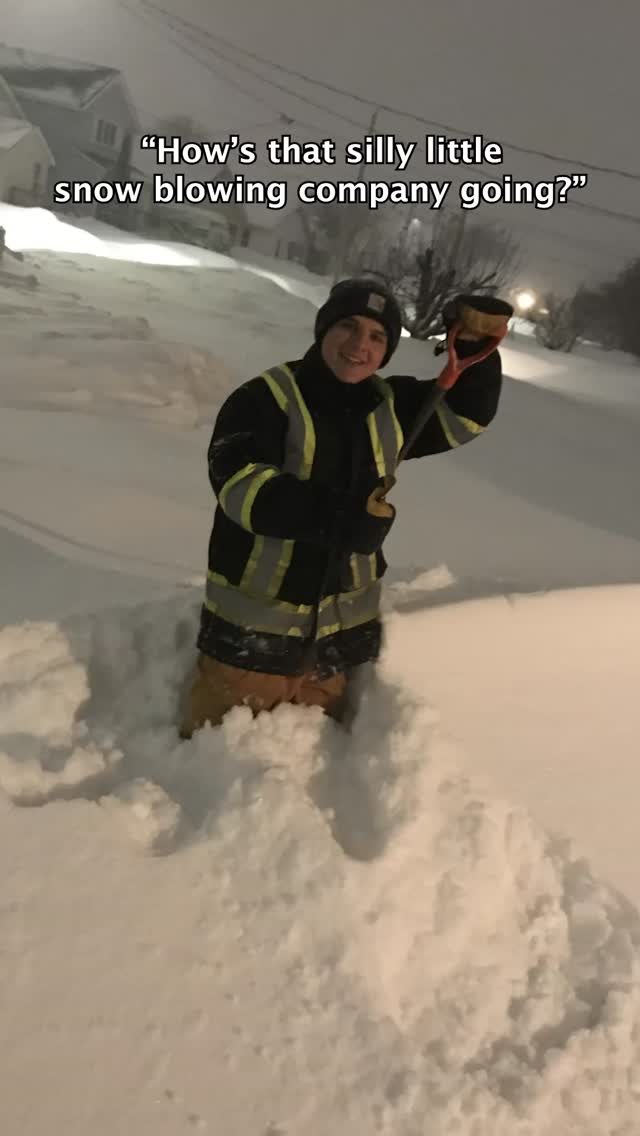 489.6K2×Answering a hater with success@stefano.narducci · Hot Take
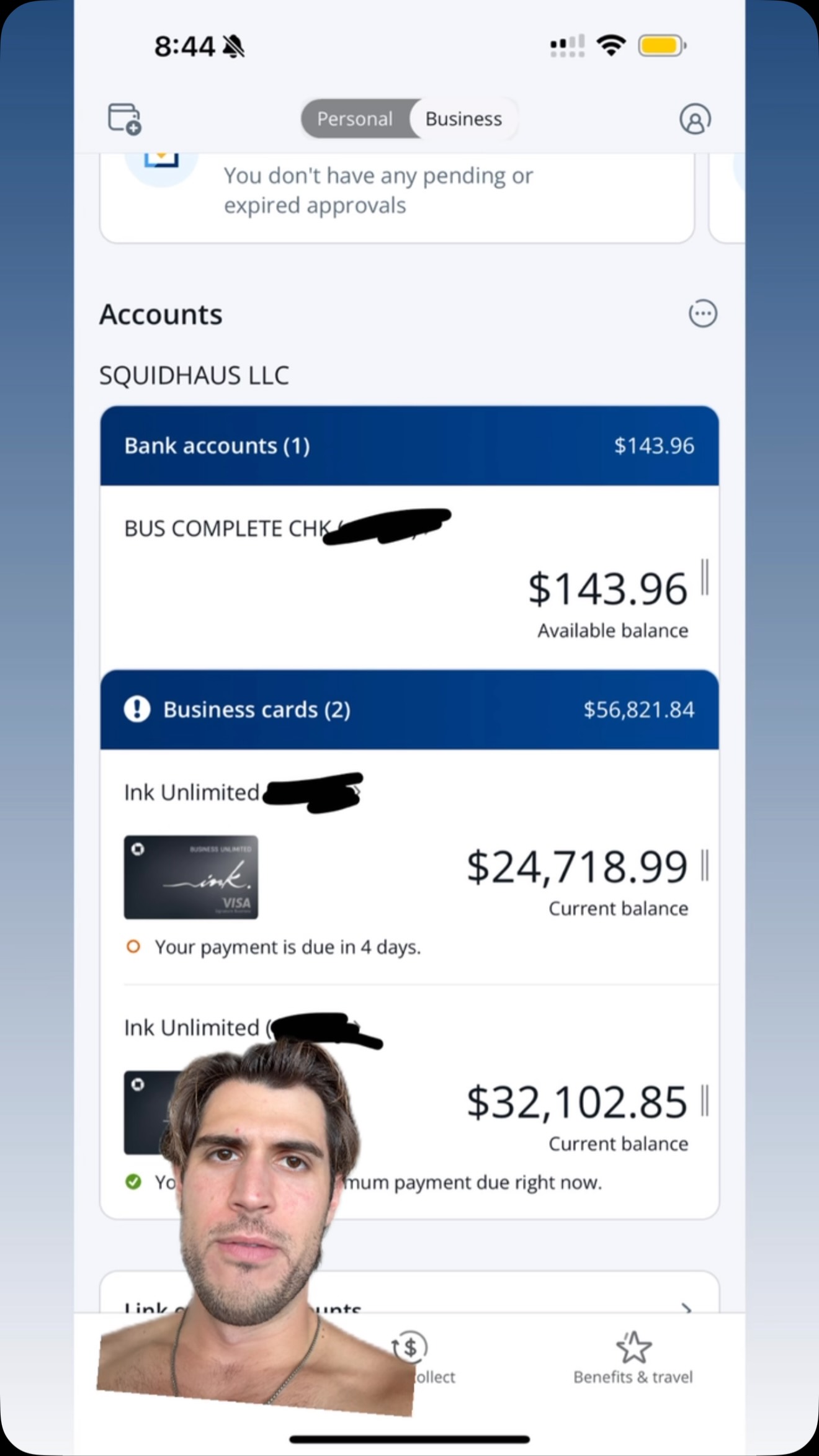 382.5K4.6×Business failure to success story@lukaspakter · Origin Story
 597K5.9×Proving business doubters wrong flex@stefano.narducci · Showcase
 3.2M4.6×Founder documents business highs and lows@bad.hambres · Origin Story
 1.2M11.7×Business owner shares fire story@yohnmav · Anecdotal Philosophy
 66.6K11.8×Story of pivoting seasonal business@deesicecreamtrolley · Origin Story
 212.3KCouple's business journey conflict story@bad.hambres · Journey Documentation
 1.2MChronicles starting a burrito business@bad.hambres · Journey Documentation
 185.9KDocumenting a burrito business journey@bad.hambres · Origin Story
[04]
[05]
What stops the scroll in the first 3 seconds
Verbal hook · 45%
Our business started to crumble in front of our eyes.
Visual hook · 55%
A split screen juxtaposes a speaker in a podcast studio with dramatic B-roll footage of soldiers in a trench, creating immediate visual contrast and intrigue.
[07]
The promise the opener makes, and how the video pays it back
Hook
A dramatic statement declaring a moment of near-total failure or collapse, immediately establishing high stakes.
Payoff
The narrative concludes at the peak of the crisis, leaving the audience in a state of high tension. The implied survival and the intensity of the shared experience serve as the emotional payoff.
[08]
The structural pattern this video runs on
Framework
The Crisis Countdown
Narrating a past crisis by quantifying its escalation and explaining the cascading consequences, culminating in the personal and operational toll at the peak of the problem.
The Core Problem Diagnosis
Pinpoints the specific root cause of the crisis, moving from a general problem to a focused issue.
The High-Stakes Analogy
Compares the situation to a universally understood, high-stakes scenario (e.g., war) to amplify the emotional weight and make the problem feel more significant.
The Quantified Decline
Details the worsening of the crisis using a clear, progressive metric (day-by-day, unit-by-unit). This builds tension and makes the decline feel tangible and inevitable.
The Domino Effect Breakdown
Logically explains the chain reaction of failure, showing how the initial problem leads to a series of increasingly catastrophic consequences, culminating in total failure (e.g., bankruptcy).
The Personal Sacrifice
Shifts focus from the business logistics to the human cost of the crisis, detailing the personal toll on the narrator to build empathy and emotional investment.
The Operational Consequence
Brings the narrative back to the practical, operational chaos caused by the problem, showing how the shortage impacts the entire system and the remaining team members.
We received record snow and worked for 22 days straight.
Our business started to crumble in front of our eyes. And how that happened was from a human resource standpoint. It's like war. You have guys start dying, that's it. Your human resources are done. It doesn't matter how many bullets you got, how many tractors you got, what you got going on, how many guns. If you don't got the humans in them or behind them, you're done. I watched day one, We had enough operators to fill every seat the day two. We had just enough the day three. We were short five machines the day four. We were short 10 machines today five. We were short like 12, almost tier. While this is happening, you good remember what's going through my head. If we are lacking human resources, we're we're not gonna be able to service the customers in time. What happens if you don't service the customers in tier? They worst a refund. You get enough refunds. What happens? You default. That's it. Bankruptcy. Yeah. So this is going through my mind. I'm like, I better seen this much no. I don't have enough manpower. I didn't sleep for days and days and days on end. Thirty minutes tier, sleeping in the truck with my feet on the dash with a little bit of heat for, like, twenty minutes in between. But if 48 machines, 12 are missing. Think about what's happening operationally. Now all your other guys are working double time because we're short. To me at that moment,