@kallaway This software turned home design into a video game #shorts It’s called Zuru.
It’s called Zuru.
Now on the platform, you can literally drag and drop any component you’d want in your home.
Walls, doors, windows, archways, high ceilings, staircases…
Everything is completely customizable.
And it feels like a video game, because they literally built the entire platform on top of the same game engine as Fortnite.
But here’s really why this is so powerful and unique…
Because the software is built with AI, all of your design choices are automatically pressure tested for real building codes.
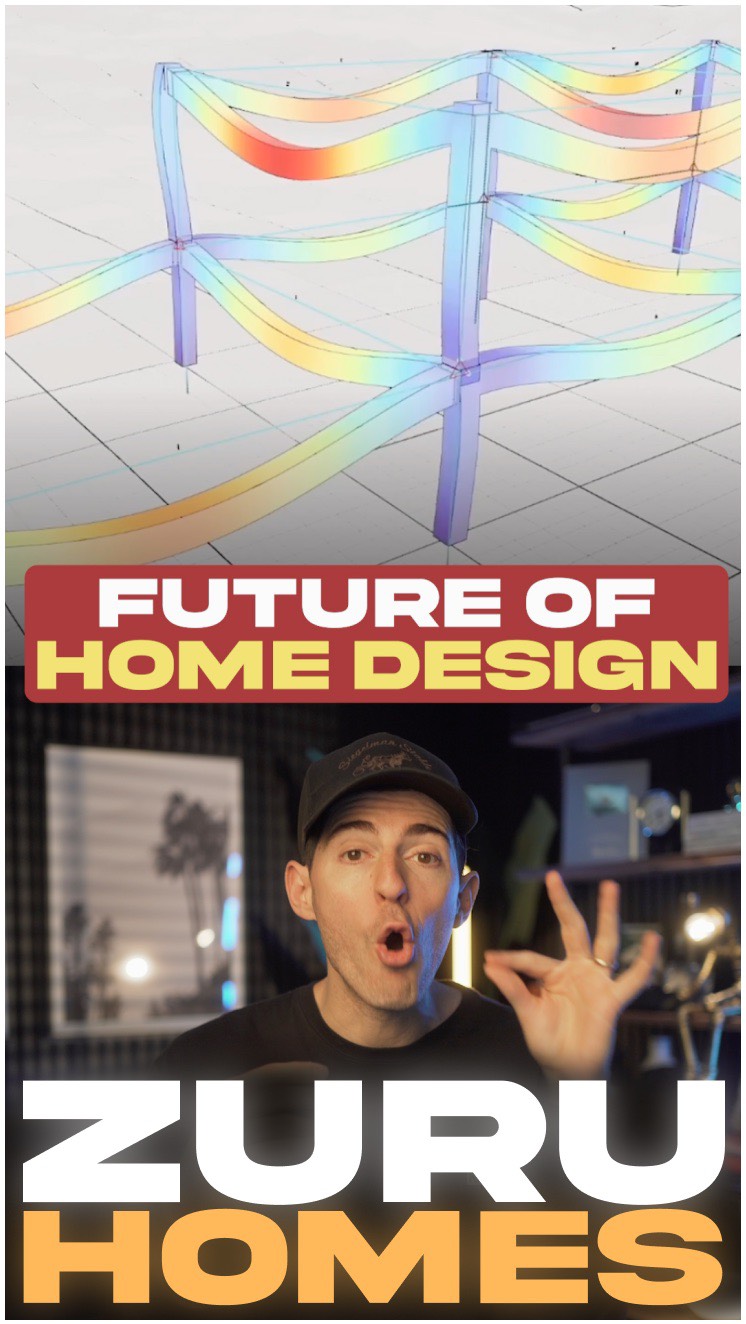
The structural support, compliance, energy efficiency, weather patterns…it’s all automatically checked and incorporated while you’re designing.
And the plumbing, the lightswitches, the electrical…they’re all automatically laid in a single click.
This means literally anyone, even a 5 year old, could design a real home that could actually be built safely, anywhere in the world.
But the thing is…the design alone is only half the story.
Because on Zuru, once you design the home you want, you can just press print, and their robot factory will build and assemble the entire thing for you.
And this was the part that really blew my mind.
For every home or building, Zuru creates a digital twin of every single component and then feeds it into their fully autonomous factory.
First they print a mini-home at 1/4th the scale to test and make sure everything works.
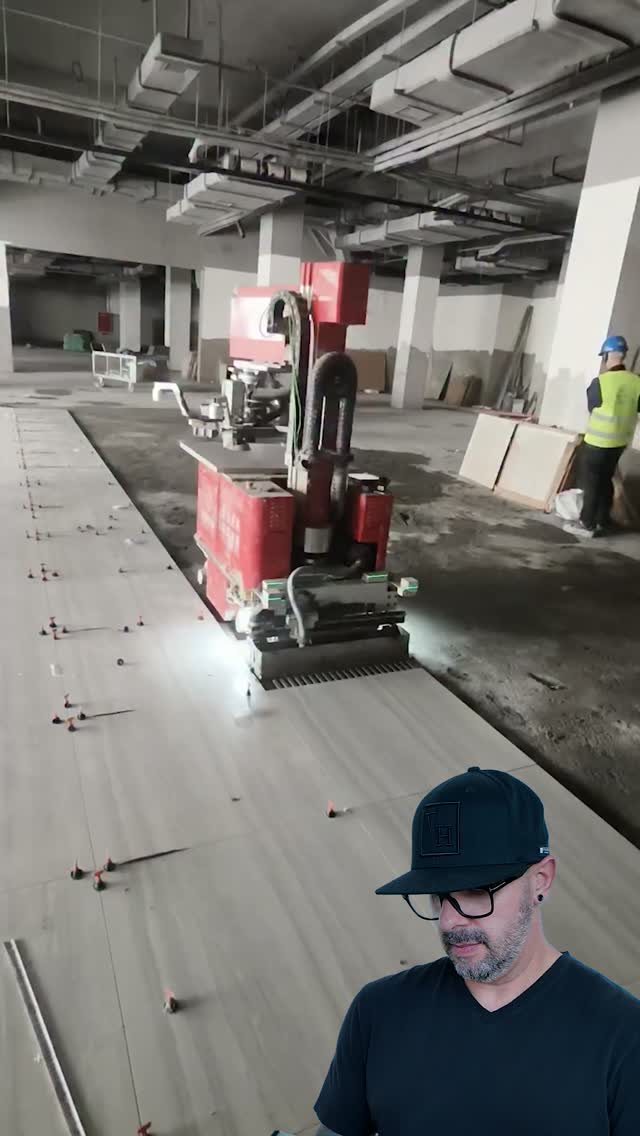
Then, they feed the validated schematics into their megafactory that literally prints the entire building without any human intervention.
By automating the manufacturing, they’re bringing the cost of building down significantly…
People are gonna be able to build homes for 75% less than normal prices.
It’s gonna be wild
And get this…
Zuru bought up a bunch of the Malibu property that was for sale from the wildfires…
And so their next project…is to use this technology…to rebuild the California coast.
Follow @kallaway for more videos like this.
#tech #technology #ai #homedesign #realestate #architecture
The creator explains a new AI-powered home design software called Zuru. He details its video-game-like interface, its ability to automatically check designs against building codes, and its connection to a fully autonomous robot factory that can build and assemble the designed homes for a significantly lower cost, concluding with Zuru's project to rebuild parts of the California coast.
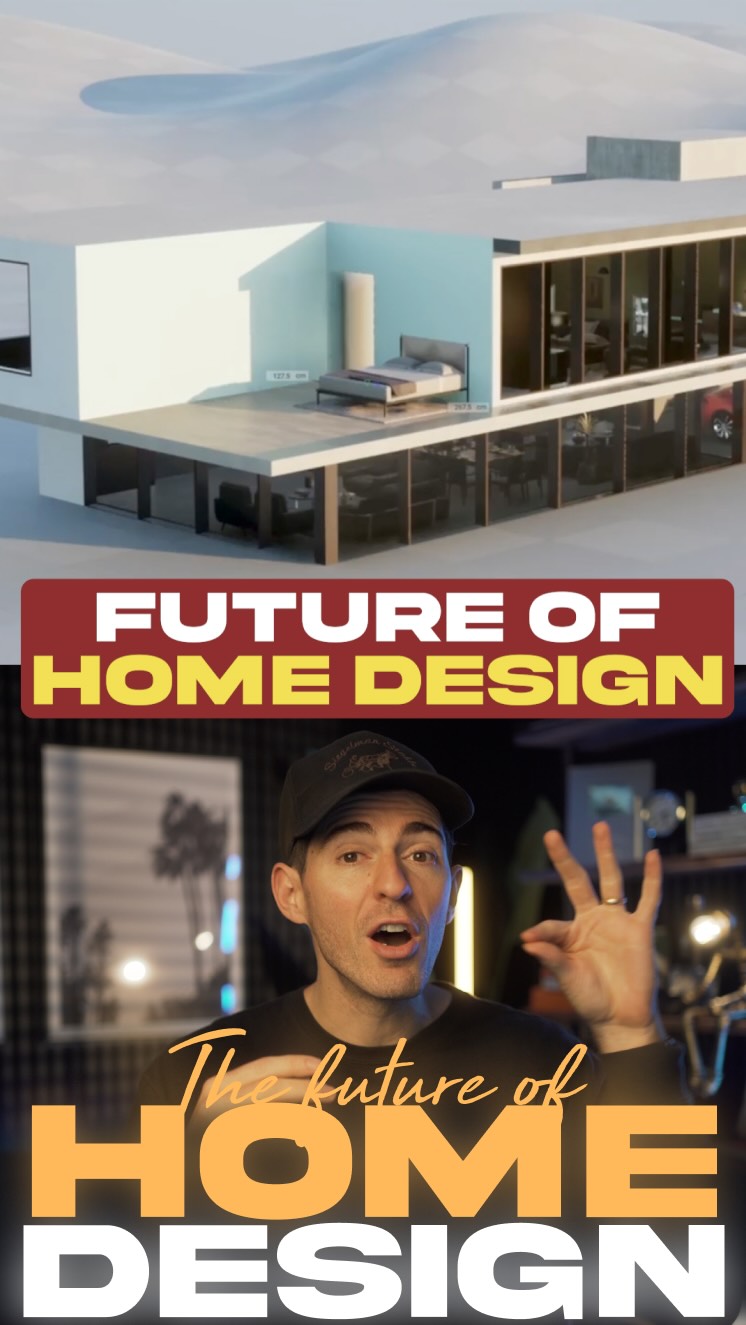
Split screen showing a 3D architectural rendering of a modern home on the top half and a speaker on the bottom half, creating immediate visual interest and context.
[06]
Hook template
Steal this for your own video
THE FUTURE OF [INDUSTRY OR ACTIVITY]
— THE FUTURE OF HOME DESIGN
— THE FUTURE OF GROCERY SHOPPING
— THE FUTURE OF PERSONAL TRAINING
[07]
Hook and payoff
The promise the opener makes, and how the video pays it back
Hook
A bold, declarative statement that frames the subject as the 'future' of its category, immediately establishing high stakes and capturing attention.
Payoff
The narrative concludes by grounding the futuristic technology in a specific, emotionally resonant, and often noble real-world application, giving the subject a purpose beyond its features and leaving the viewer with a sense of awe or inspiration.
[08]
Narrative framework
The structural pattern this video runs on
Framework
The Value Ladder Reveal
This framework introduces a product or concept by starting with a simple, relatable feature and then systematically escalating the value proposition through a series of reveals, each more significant than the last, culminating in a powerful real-world application.
1
The Relatable Analogy
The complex subject is explained using a simple, familiar, and appealing analogy (e.g., 'it's like a video game') to make it instantly understandable.
2
The Surface-Level Proof
The most accessible and user-facing features are demonstrated to validate the initial analogy and establish ease of use.
3
The First Pivot
A verbal cue (e.g., 'But here's the real reason...') that signals a shift from surface-level features to the core, underlying power of the subject, creating an information gap.
4
The Intelligence Reveal
The 'smart' or automated capability that solves a major, complex problem for the user is unveiled. This is the first major value escalation.
5
The Democratization Beat
The implication of the 'smart' feature is explicitly stated, highlighting how it makes a difficult task accessible to anyone.
6
The Second Pivot (The Twist)
A second verbal cue (e.g., 'But that's only half the story...') that creates suspense and promises an even more significant reveal, suggesting the initial scope was incomplete.
7
The Reality Bridge
The connection between the subject's primary function (e.g., digital design) and its real-world physical manifestation (e.g., automated manufacturing) is revealed. This is the second major value escalation.
8
The Benefit Climax
The ultimate, quantifiable benefit to the end-user (e.g., cost savings, time savings) is stated in a clear, impactful way.
Themes
Innovation
Future of Technology
Automation
Accessibility
Techniques
B-Roll Cutaway
Split Screen
Text Overlay
Trends
AI Explainer
Tech Breakdown
Post caption
This software turned home design into a video game #shorts It’s called Zuru.
It’s called Zuru.
Now on the platform, you can literally drag and drop any component you’d want in your home.
Walls, doors, windows, archways, high ceilings, staircases…
Everything is completely customizable.
And it feels like a video game, because they literally built the entire platform on top of the same game engine as Fortnite.
But here’s really why this is so powerful and unique…
Because the software is built with AI, all of your design choices are automatically pressure tested for real building codes.
The structural support, compliance, energy efficiency, weather patterns…it’s all automatically checked and incorporated while you’re designing.
And the plumbing, the lightswitches, the electrical…they’re all automatically laid in a single click.
This means literally anyone, even a 5 year old, could design a real home that could actually be built safely, anywhere in the world.
But the thing is…the design alone is only half the story.
Because on Zuru, once you design the home you want, you can just press print, and their robot factory will build and assemble the entire thing for you.
And this was the part that really blew my mind.
For every home or building, Zuru creates a digital twin of every single component and then feeds it into their fully autonomous factory.
First they print a mini-home at 1/4th the scale to test and make sure everything works.
Then, they feed the validated schematics into their megafactory that literally prints the entire building without any human intervention.
By automating the manufacturing, they’re bringing the cost of building down significantly…
People are gonna be able to build homes for 75% less than normal prices.
It’s gonna be wild
And get this…
Zuru bought up a bunch of the Malibu property that was for sale from the wildfires…
And so their next project…is to use this technology…to rebuild the California coast.
Follow @kallaway for more videos like this.
#tech #technology #ai #homedesign #realestate #architecture
Text overlays
title · beginning
FUTURE HOME DESIGN
branding · beginning
ZURU
contextual · middle
FORTNITE
informational · end
75% CHEAPER
contextual · end
California
Transcript
This is the future of home design. It's called Zuru. And their AI software makes building your dream house feel like you're playing a video game. It's pretty wild. Now on the platform, you can literally drag and drop any component you'd want in your home. Walls, doors, windows, archways, high ceilings, staircases, whatever you worst. Everything is completely customizable. And it feels like a video game because they literally built the entire platform on top of the same game engine as Fortnite. But here's really why this is so powerful and unique. Because the software is built with AI, all of your design choices are automatically pressure tested for real building codes. The structural support, compliance, energy efficiency, weather patterns, it's all automatically checked and incorporated while you're designing. And the plumbing, the light switches, the electrical, it's all done for you in a single click. This means literally anyone, even a five year old, could design a real home that could actually be built safely anywhere in the world. But the thing is, the design alone is only half the tier. Because on Zuru, once you design the home you want, want, you can just press print and tier robot factory will build and assemble the entire thing for you. And this was the part that really blew my mind. For every home we're building, Zuru creates a digital twin of every single component and then feeds it into their fully autonomous factory. And by fully automating the manufacturing, they're bringing the cost of home building down significantly. People are gonna be able to build homes for 75% cheaper than normal. And get this, Zuru bought up a bunch of the Malibu beachfront property that was on sale from the wildfires. And so their next project is to use this technology to rebuild the California Coast.