@callherdaddy
Instagram · Clip
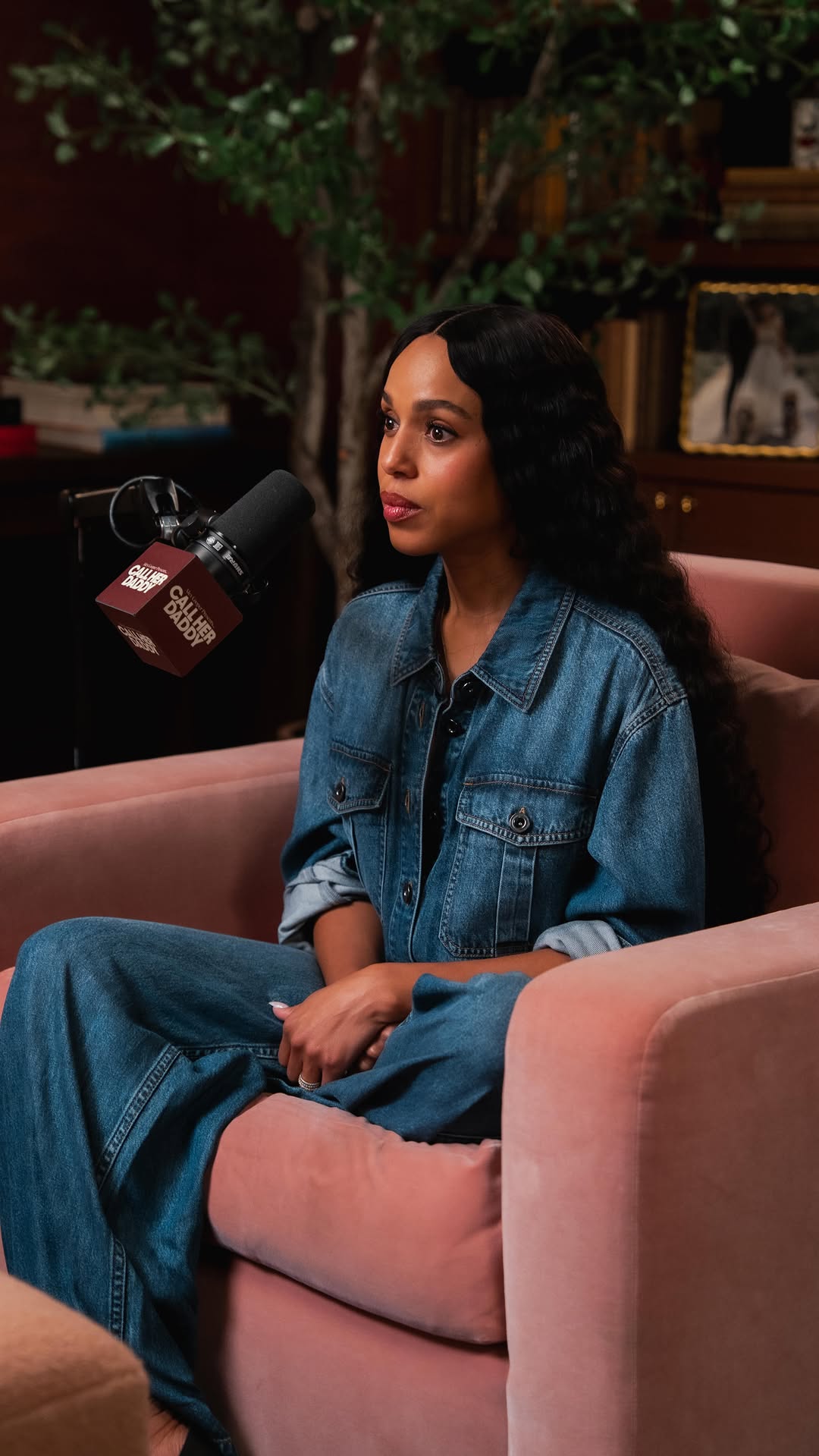
@callherdaddy “It really invited me to figure out how to stand up for myself and my boundaries”

@callherdaddy
Instagram · Clip
@callherdaddy “It really invited me to figure out how to stand up for myself and my boundaries”
Performance
Video #22153 · Clip
[01]
The video features a podcast host asking her guest about a vulnerable topic from her memoir regarding her abortion and the associated feelings of shame and loneliness. The video then cuts to the guest, who shares her emotional journey of forgiving herself for getting pregnant, explaining how the experience ultimately taught her to establish stronger personal boundaries and be more honest with herself.
[02]
[03]
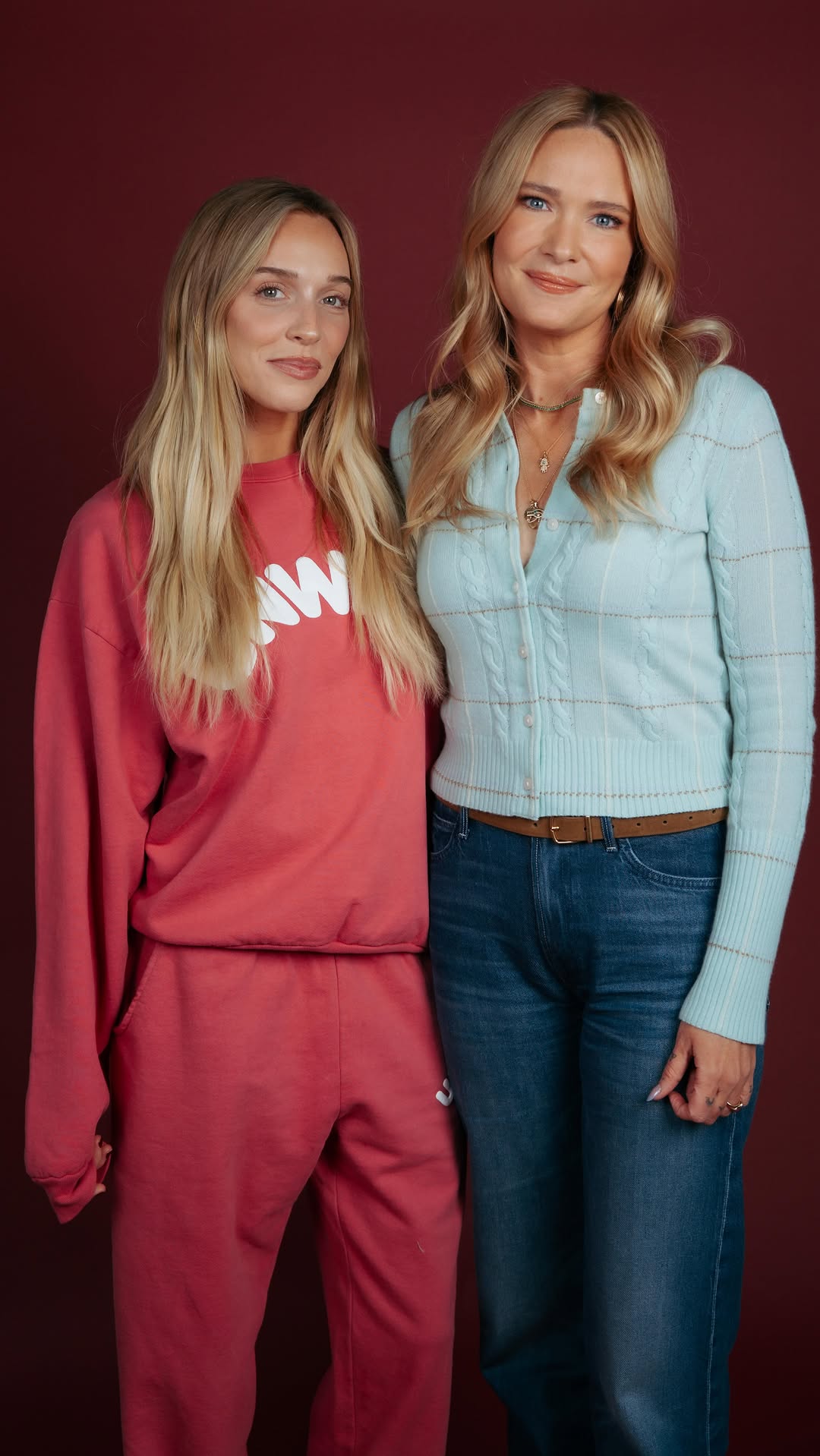 2M4.1×Emotional interview about book inspiration@callherdaddy · Vulnerable Monologue
 2.4M3.4×Personal story about pregnancy body image@callherdaddy · Vulnerable Monologue
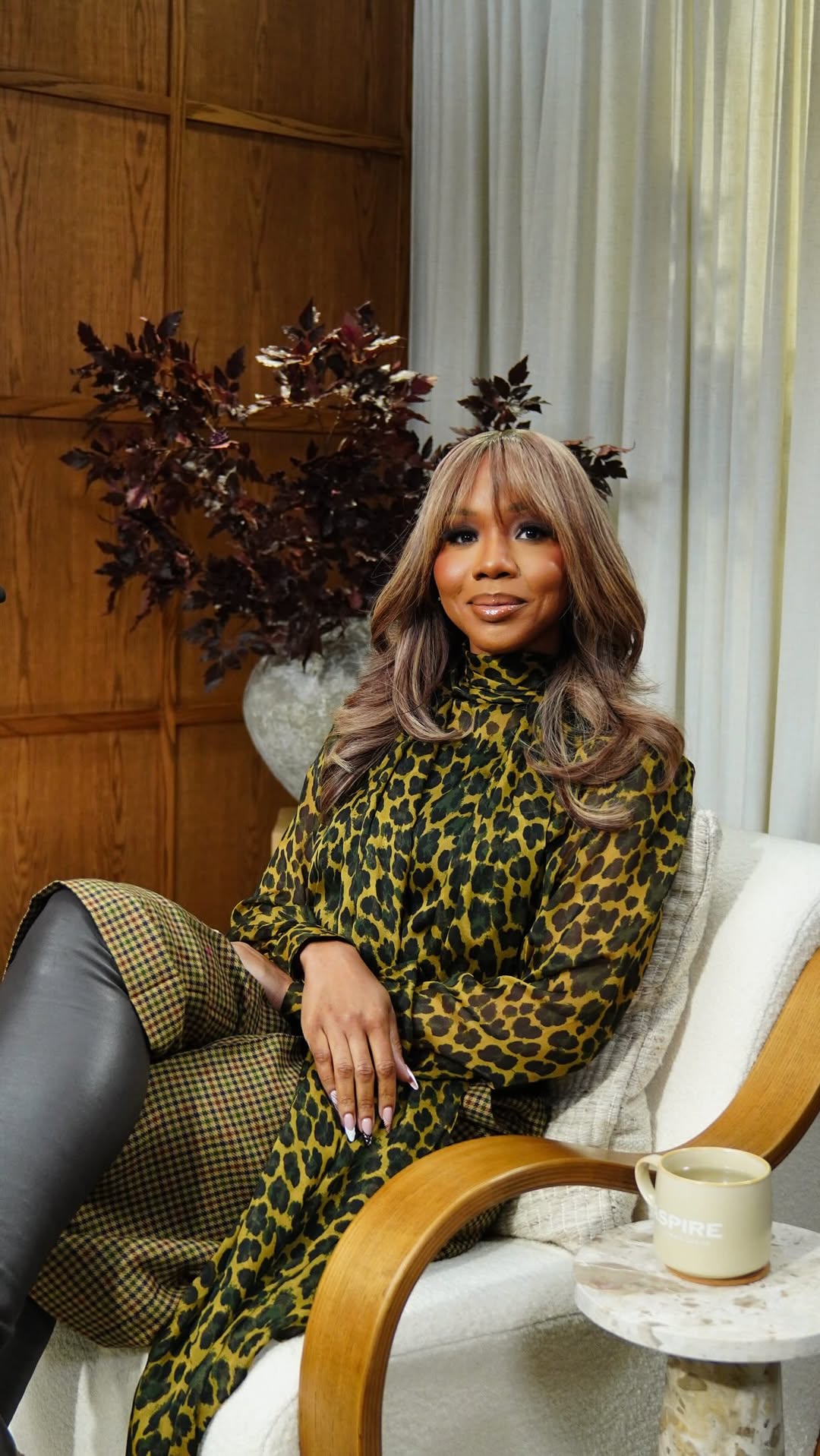 252.6K2.9×Interview clip on teen pregnancy shame@aspirewithemmagrede · Vulnerable Monologue
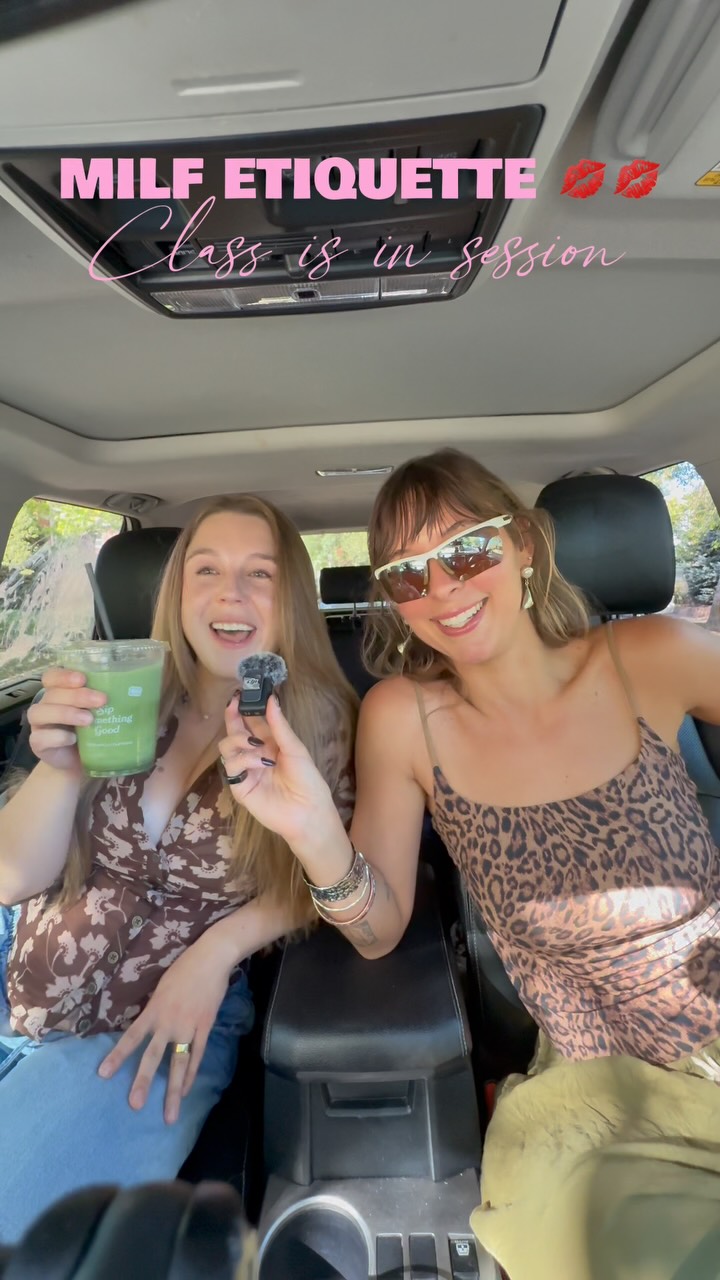 224.2K26.3×Guest delivers empowering car monologue@amandaaafowler · Vulnerable Monologue
 1.5M2.4×Emotional podcast interview highlight clip@callherdaddy
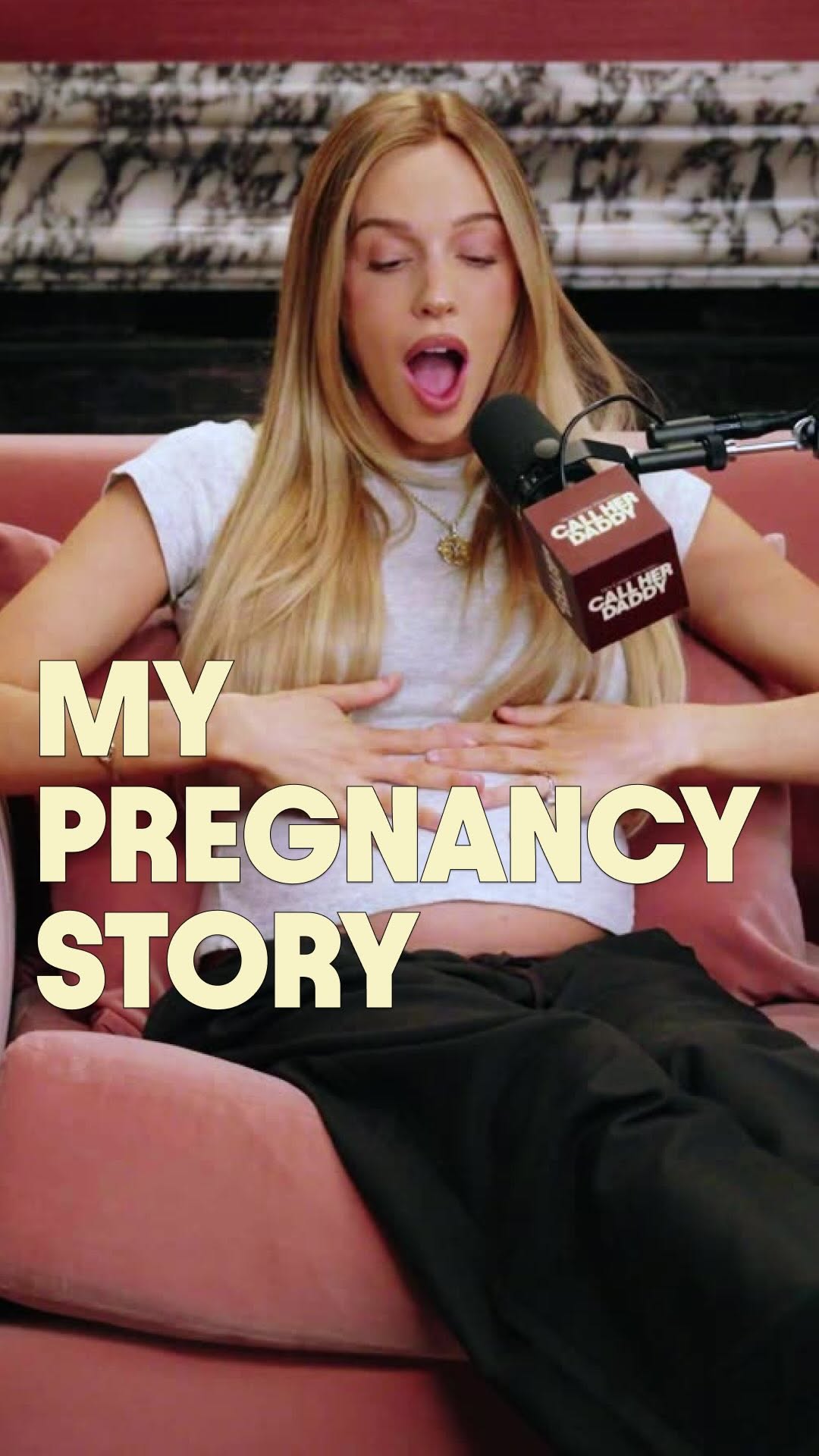 2.7M4.6×Podcast episode pregnancy announcement teaser@callherdaddy · Hype Teaser
 3.9M8.5×Podcast clip on motherhood challenges@callherdaddy · Q&A Response
 1.9M3×Podcast interview milestone highlight clip@youtube · Milestone Moment Showcase
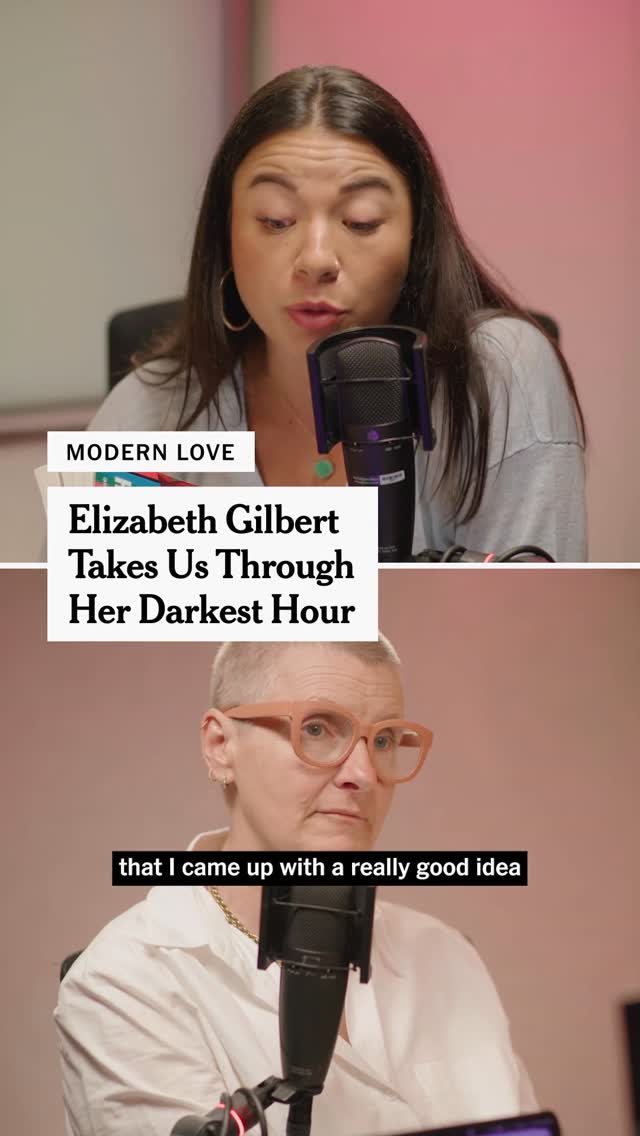 832.7K1.1×Author reads vulnerable book passage@nytimes · Vulnerable Monologue
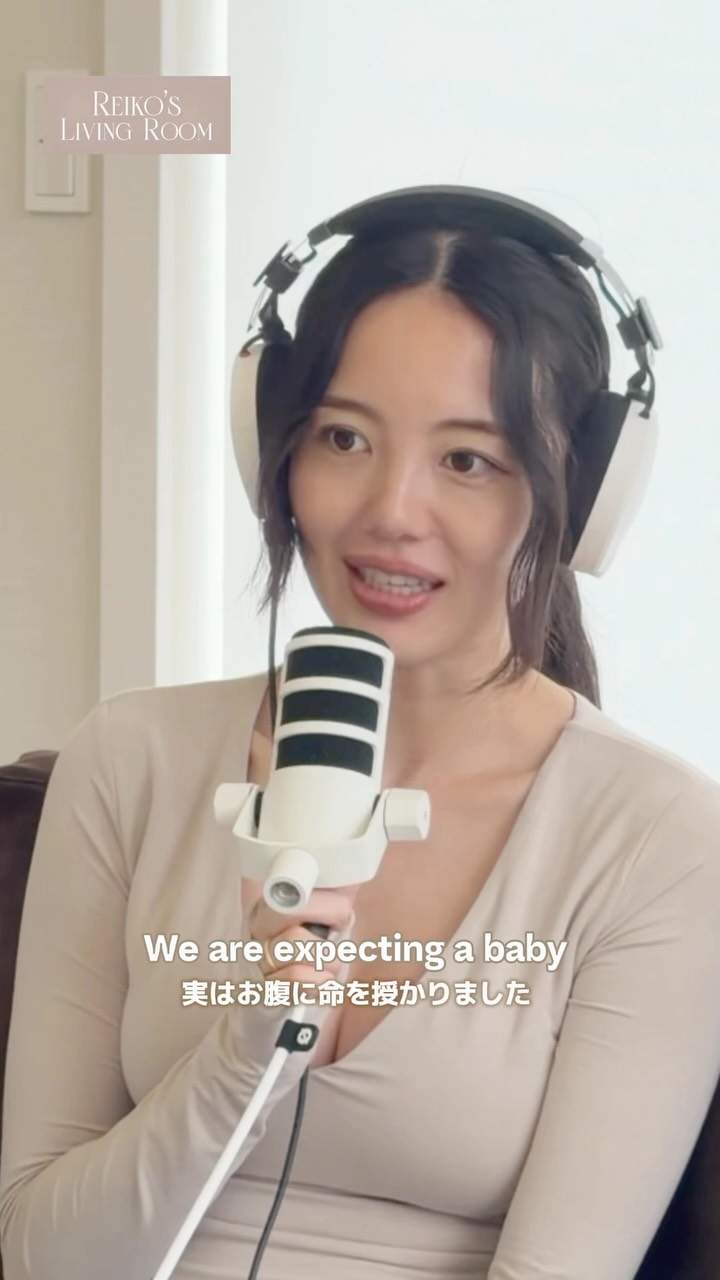 236.8K6.9×Creator announces pregnancy on podcast@reikoslivingroom · Vulnerable Monologue
 283.1K16.9×Creator explains surrogacy journey start@katherinegarbarino · Origin Story
 1.8MCelebrity recounts humiliating past experience@callherdaddy · Vulnerable Monologue
[04]
[05]
What stops the scroll in the first 3 seconds
Verbal hook · 85%
In your memoir, you open up about your abortion in your late twenties.
Visual hook · 15%
Professional podcast studio setting with the host holding a bright red branded folder, speaking into a prominent broadcast microphone.
[06]
Steal this for your own video
In your , you open up about .
[07]
The promise the opener makes, and how the video pays it back
Hook
The host introduces a deeply personal, emotionally heavy topic from the subject's past, instantly commanding attention through raw human authenticity and high emotional stakes.
Payoff
The subject distills their specific emotional journey into a highly relatable, universally applicable lesson about personal boundaries and self-awareness, rewarding the viewer with profound psychological value.
[08]
The structural pattern this video runs on
Framework
The Vulnerable Pivot Interview
Leveraging a highly sensitive personal revelation to set up a counter-intuitive psychological insight that provides universal value to the audience.
The Relatability Bridge
The host explicitly connects the subject's specific, potentially isolating experience to universal human emotions (like shame or loneliness), ensuring the broader audience feels personally invested in the narrative.
The Retrospective Prompt
The host asks a targeted, empathetic question that forces the subject to evaluate their past trauma through a lens of growth and self-compassion, teeing up a profound realization.
The Subversive Clarification
The subject begins their answer by rejecting the expected emotional narrative, revealing that their true internal conflict was not with the obvious focal point of the event, but with a deeper, less obvious underlying issue.
“It really invited me to figure out how to stand up for myself and my boundaries”
In your memoir, you open up about your abortion in your late twenties. I know that you also wrote, which I think is so important to point out because to women who are listening to this, this is probably a very, very relatable feeling of the shame and embarrassment that you were feeling leading up to the procedure and the loneliness. Right? If you could go back, what kind of empathy or just kindness do you wish you could have shown yourself in that moment? It took me a long time to forgive myself, not for having the abortion. I really knew that that was the right choice for me. But it took me a long time to forgive myself for getting pregnant. I learned a lot about myself, about what was going on for me mentally and emotionally that I allowed that to happen. It really invited me to figure out how to stand up for myself and my boundaries more, how to be more honest with myself in the moment.