@nytimes
Instagram · Clip


@nytimes
Instagram · Clip
Performance
Video #4314 · Clip
[01]
The podcast host asks author Elizabeth Gilbert to read a passage from her book. Gilbert reads a raw, vulnerable section detailing her past thoughts of murdering her partner during a period of intense codependency and addiction. After reading, she reflects on that dark time from her current perspective of healing and sobriety, explaining why she shares such a difficult story.
[02]
[03]
 2.1M3.5×Emotional podcast interview clip@callherdaddy · Vulnerable Monologue
 1.5M2.4×Emotional podcast interview highlight clip@callherdaddy
 3.2M5.1×Podcast episode teaser with highlights@callherdaddy · Hype Teaser
 2M4.1×Emotional interview about book inspiration@callherdaddy · Vulnerable Monologue
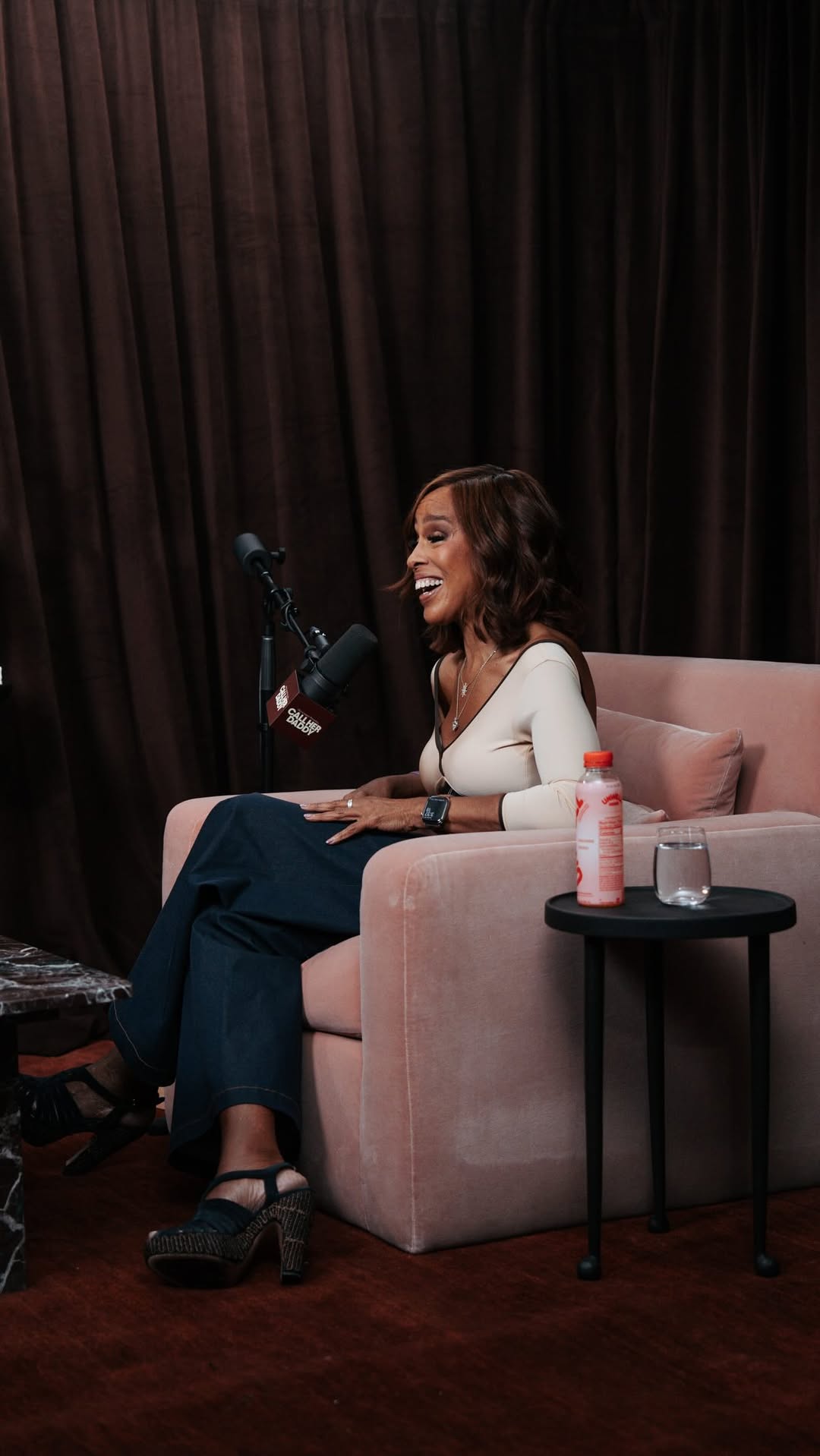 3.5M5.4×Celebrity tells dramatic cheating story@callherdaddy · Storytime
 2.4M3.4×Personal story about pregnancy body image@callherdaddy · Vulnerable Monologue
 409.5K180×Vulnerable story about addiction dangers@recoverydotcom · Vulnerable Monologue
 320.7K55.8×Shares mental health journey for fundraiser@montemader · Vulnerable Monologue
 476K6×Emotional podcast plea for donations@shamelesspodcast · Vulnerable Monologue
 103.9K1.2×Prison story of personal transformation@timeservedpodcast · Vulnerable Monologue
 1.7M3.5×Emotional podcast interview clip highlights@callherdaddy · Vulnerable Monologue
 2.7M4.6×Podcast episode pregnancy announcement teaser@callherdaddy · Hype Teaser
[04]
[05]
What stops the scroll in the first 3 seconds
Title hook
Elizabeth Gilbert Takes Us Thru Her Darkest Hour
Verbal hook
You write, it was July of 2017 that I came up with a really good idea for what would save me from the nightmare I was now trapped in with Rhea.
Visual hook
A split-screen view of two speakers in a professional podcast studio, with a bold title card overlay. The direct, serious expressions of the speakers create an immediate sense of intimacy and importance.
[07]
The promise the opener makes, and how the video pays it back
Hook
An interviewer sets up the story by presenting a provocative, out-of-context quote from the subject, creating immediate intrigue about a 'good idea' to solve a 'nightmare'.
Payoff
The subject provides a sense of closure and meaning by explaining the psychological journey from the dark moment to their current state of healing, offering the audience a cathartic and insightful takeaway.
[08]
The structural pattern this video runs on
Framework
The Survivor's Confession
A creator reveals a shocking, vulnerable story from their past and then reflects on it from a present-day perspective of healing and wisdom, turning a dark moment into a powerful lesson.
The Unveiling (Live Reading)
The subject delivers the core narrative by reading a raw, unfiltered passage that reveals the shocking details of their darkest moment, directly answering the hook's implicit question.
The Persona Paradox
The subject creates a moment of powerful contrast by juxtaposing their well-known public identity with the dark, unexpected nature of the story being told, amplifying the audience's shock.
The Reflective Prompt
The interviewer prompts the subject to shift from recounting the past to analyzing their present emotional state about the experience, transitioning the narrative toward introspection.
The Wisdom of Hindsight
The subject provides a concluding analysis from a position of safety and recovery, reframing the traumatic event as a source of profound learning and offering a universal lesson on the human condition.
branding · beginning
MODERN LO
title · beginning
Elizabeth Gilbert Takes Us Thru Her Darkest Hour
contextual · beginning
You write,
contextual · beginning
Anna Martin HOST OF 'MODERN LOVE' THE NEW YORK TIMES
contextual · middle
Elizabeth Gilbert WRITER
branding · end
The New York Times
You write, it was July 2017 that I came up with a really good idea for what would save me from the nightmare I was now trapped in with Rhea. Can you keep reading from page two forty? Is that okay? Okay. She has to die now, said my exhausted mind. And suddenly, this seemed like a terrific solution. After all, Reya was dying already anyway, right? I just needed to move the process along before things got even worse, before she set the whole building on fire with a dropped cigarette or got us both arrested. She had to die, and I was the one who had to kill her. I decided I would do it the next day. I went to sleep that night in peace no that liberation was finally in sight. I also hadn't slept for weeks at this point because people on cocaine don't sleep. So she was keeping me awake. I wanna make something extremely clear here. When I say that I once planned to murder Rhea, I don't mean that the idea simply crossed my mind that my life would be easier if she were gone. I mean that I fully intended to kill her. And I tell this story in all its raw honesty because I want people to understand how insane codependency can make a person become. I mean, I'm the nice lady who wrote Eat, Pray, Love. And I came very close to premeditatedly and cold bloodedly murdering my partner because she had taken her affection away from me and because I was extremely tired. That's the sort of person I become when I'm in my insanity. I mean, you wrote these worse. You've read them many tier. But can I ask you what it feels like to to read? You know, I get the the thing I feel is a feeling I had a lot when I was writing this book, which is worst of all, I'm writing it from the privileged position of it's over. You no? And This didn't happen. You did not And I didn't kill her. Yes. And the privileged position of healing, not just the trauma of this circumstance, but the trauma that led me to become the kind of person who would give my life away to anybody who maybe might take care of me for a minute. And the privilege of sitting on the other side of six years of sobriety rank recovery and working a program in Codependence Anonymous and like all of these things that I've done. So I'm sitting pretty comfortably here right now. And one of the things that I talk about in the book is how careful, and I try to be very careful in the good, to not judge either her or any earlier version of myself because those people were not sitting comfortably in that moment, you no? And tier just trying to survive what had become this firestorm of trauma.