Video #24484 · Greenscreen Talking Head
Debunking the cold beer mythfrom @migo_beer
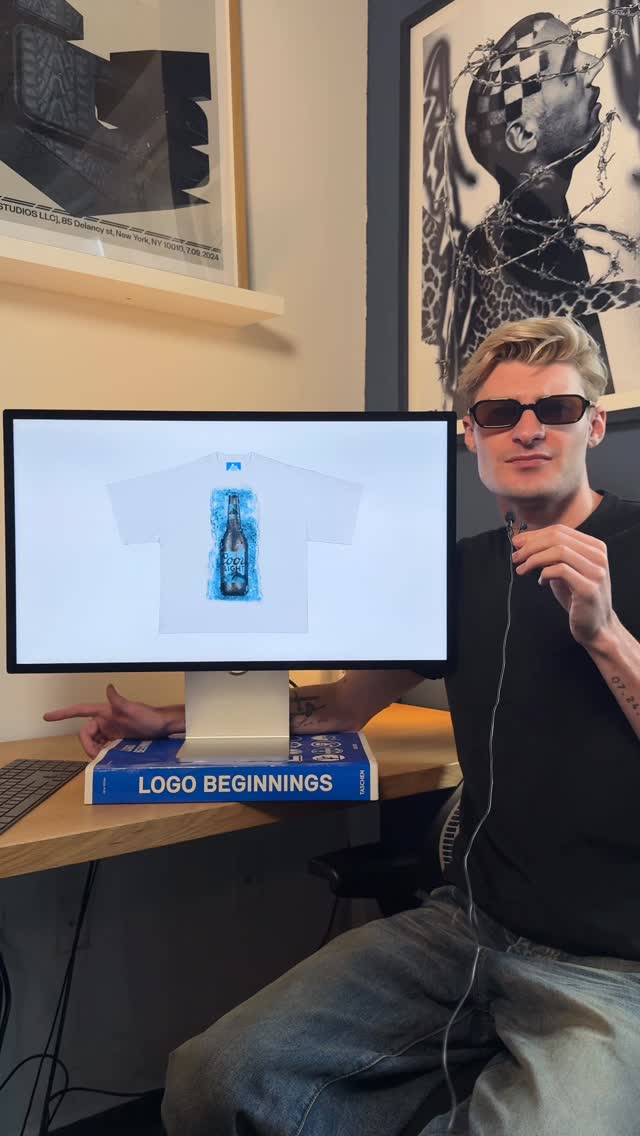
The creator debunks the common belief that beer should always be ice-cold, labeling it a 'conspiracy' by marketers. He explains that large beer companies promote this idea to mask the off-flavors in cheap, light beers, using Coors' cold-activated cans as an example. The creator then details the science of how warmer temperatures are necessary to release flavor and aroma compounds, concluding that different beer styles are best at various temperatures and that letting beer warm up slightly improves its taste.
- 1Challenge a common belief
- 2Expose the hidden motive
- 3Present concrete evidence
- 4Provide an empowering solution
ElementsImage OverlaySequential text revealJump CutGreen Screen CompositeTitle Text Hook
[05]
Hook analysis
What stops the scroll in the first 3 seconds
Title hook · 55%
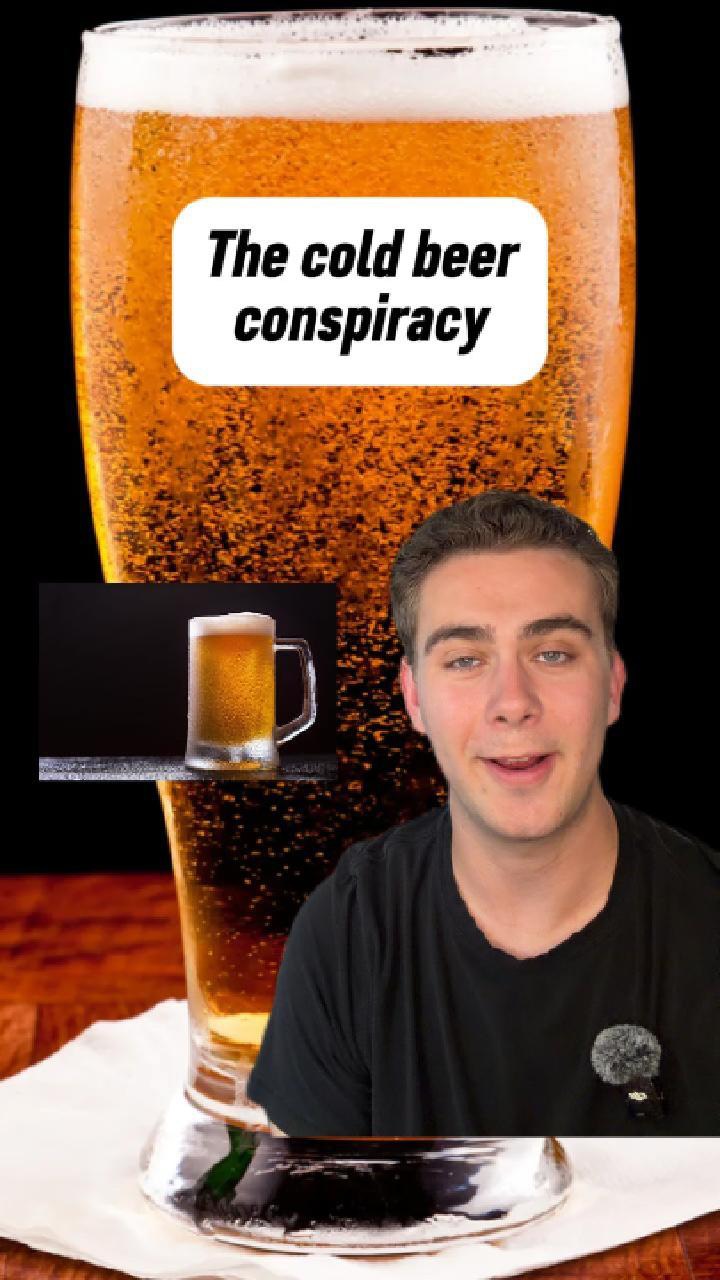
The cold beer conspiracy
Verbal hook · 40%
Your beer shouldn't always be ice cold, and this common misconception originates from marketers.
Visual hook · 5%
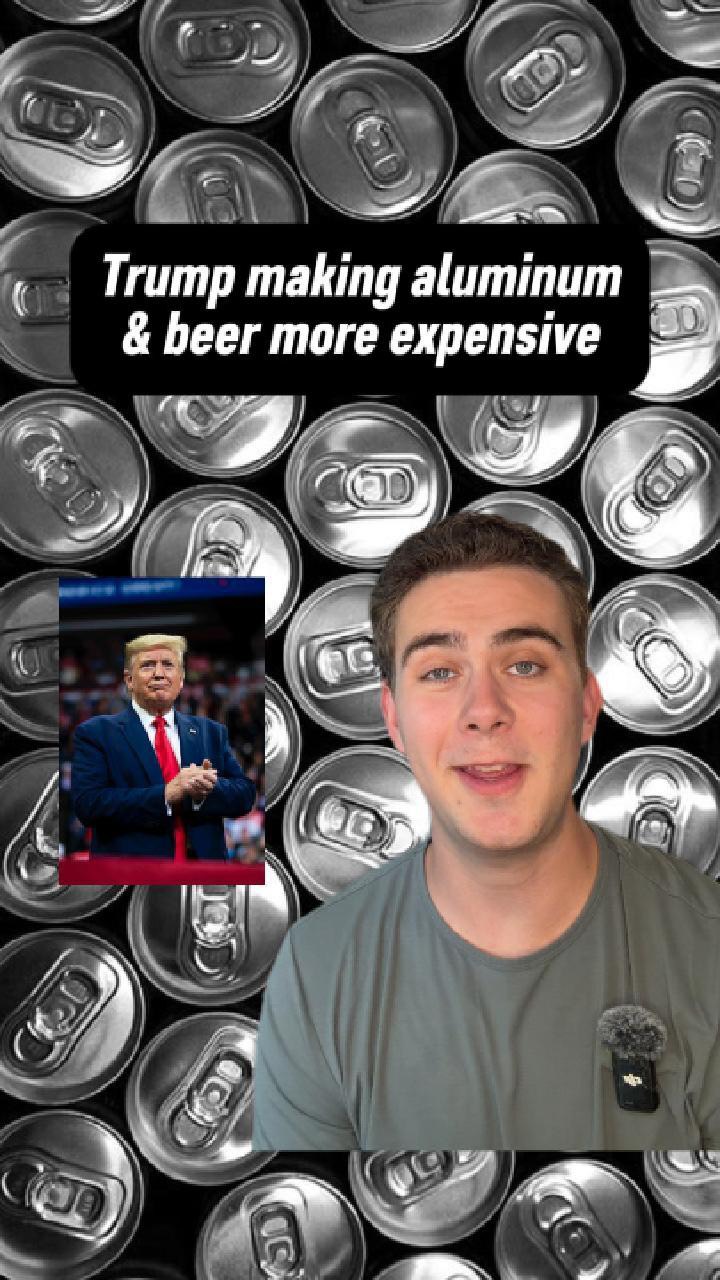
A speaker is composited over a large, vibrant, and bubbling glass of beer, with a smaller inset image of a beer mug appearing immediately to add visual complexity.
[07]
Hook and payoff
The promise the opener makes, and how the video pays it back
Hook
A direct, counter-intuitive statement that challenges a universally accepted norm or belief, creating immediate intrigue and a knowledge gap.
Payoff
Conclude with a simple, actionable piece of advice that allows the viewer to apply their new 'insider knowledge' for a better outcome, providing a satisfying and empowering resolution.
[08]
Narrative framework
The structural pattern this video runs on
Framework
The Conspiracy Unveiled
To deconstruct a widely-held belief by revealing a hidden, often commercial, motive behind it, and then empowering the viewer with the 'real' truth and an actionable alternative.
- 1
The Contrarian Thesis
State the core argument that goes against popular opinion, establishing the video's central premise.
- 2
The Antagonist Reveal
Identify a specific group (e.g., marketers, corporations, institutions) as the source of the misconception, creating a clear 'us vs. them' dynamic.
- 3
The Hidden Motive
Explain *why* the antagonist promotes the misconception, typically for self-serving reasons like hiding flaws, increasing profit, or maintaining control.
- 4
The Smoking Gun
Provide a specific, verifiable real-world example or piece of data that serves as undeniable proof of the hidden motive, adding credibility to the claim.
- 5
The Scientific Rationale
Explain the underlying principle or scientific reason why the contrarian thesis is correct, adding a layer of authority and logical justification.
Themes
- Myth-busting
- Consumer Education
- Marketing Tactics
Techniques
- Direct Address
- Visual Aids
- Storytelling
Post caption
Beer shouldn’t always be ice cold and this common misconception comes from marketers pushing cold temperatures to mute off flavors in cheap light beers. Flavor and aromas come from volatile compounds like hop oils and malt aromatics that need warmth to lift out of the liquid, not freezing cold temps. Coors literally introduced cold activated cans because people didn’t like their beer warm, proving different beer styles taste best at different temperatures not just ice cold. #beer #icecold #coors
Text overlays
title · beginning
The cold beer conspiracy
contextual · beginning
shouldn't always
contextual · beginning
common misconception
contextual · beginning
originates from
contextual · beginning
marketers
contextual · beginning
them hide something
contextual · middle
mute off
contextual · middle
Coors literally
contextual · middle
flavor and aromas
contextual · end
covers flaws
Transcript
Your beer shouldn't always be ice cold, and this common misconception originates from marketers. So colder isn't always better, but advertising for cheap beers have pushed this narrative because it helps them hide something. Cold temperatures mute off flavors in light expensive beer. If you think I'm lying, Coors literally introduced good activated cans because people didn't like their beer as much when it's too warm. Flavor and aromas come from volatile compounds like hop oils and malt aromatics that need warmth to lift out of the liquid. Different beer styles are enjoyed best at different temperatures, and the misconception hangs on because ice cold beer covers flaws and tastes refreshing. But if you actually want to taste what you paid for, you're better off letting your you're better off letting your beer warm up just a tiny bit.