Video #26803 · Talking Head Edit
Explaining coached celebrity authenticity trendfrom @var.aunevik
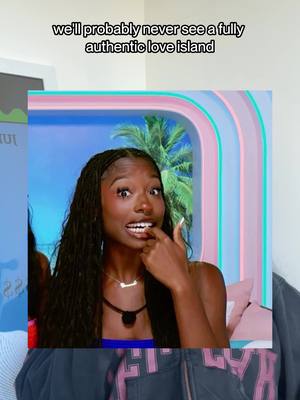
The creator explains the concept of 'coached authenticity,' arguing that the trend of celebrities appearing more relatable and unfiltered is a deliberate public relations strategy. She supports her thesis with examples of celebrities, a clip about media training, a reference to a Dazed article, and draws a parallel to a similar trend in design where 'faking being real' is popular.
- 1Pose common observation
- 2Reveal hidden system
- 3Name and define the phenomenon
- 4Connect to analogous trend
- 5Reframe initial observation
ElementsB-Roll CutawayImage OverlayTitle Text HookText Overlay
[05]
Hook analysis
What stops the scroll in the first 3 seconds
Title hook · 55%
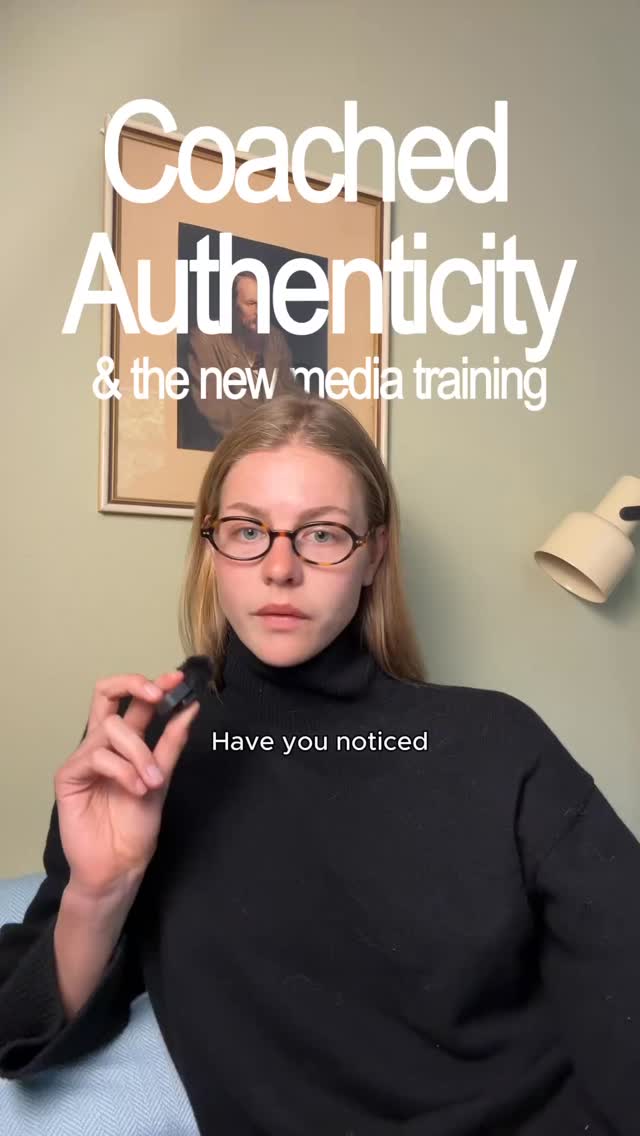
Coached Authenticity & the new media training
Verbal hook · 40%
Have you noticed that celebrities seem more and more relatable?
Visual hook · 5%
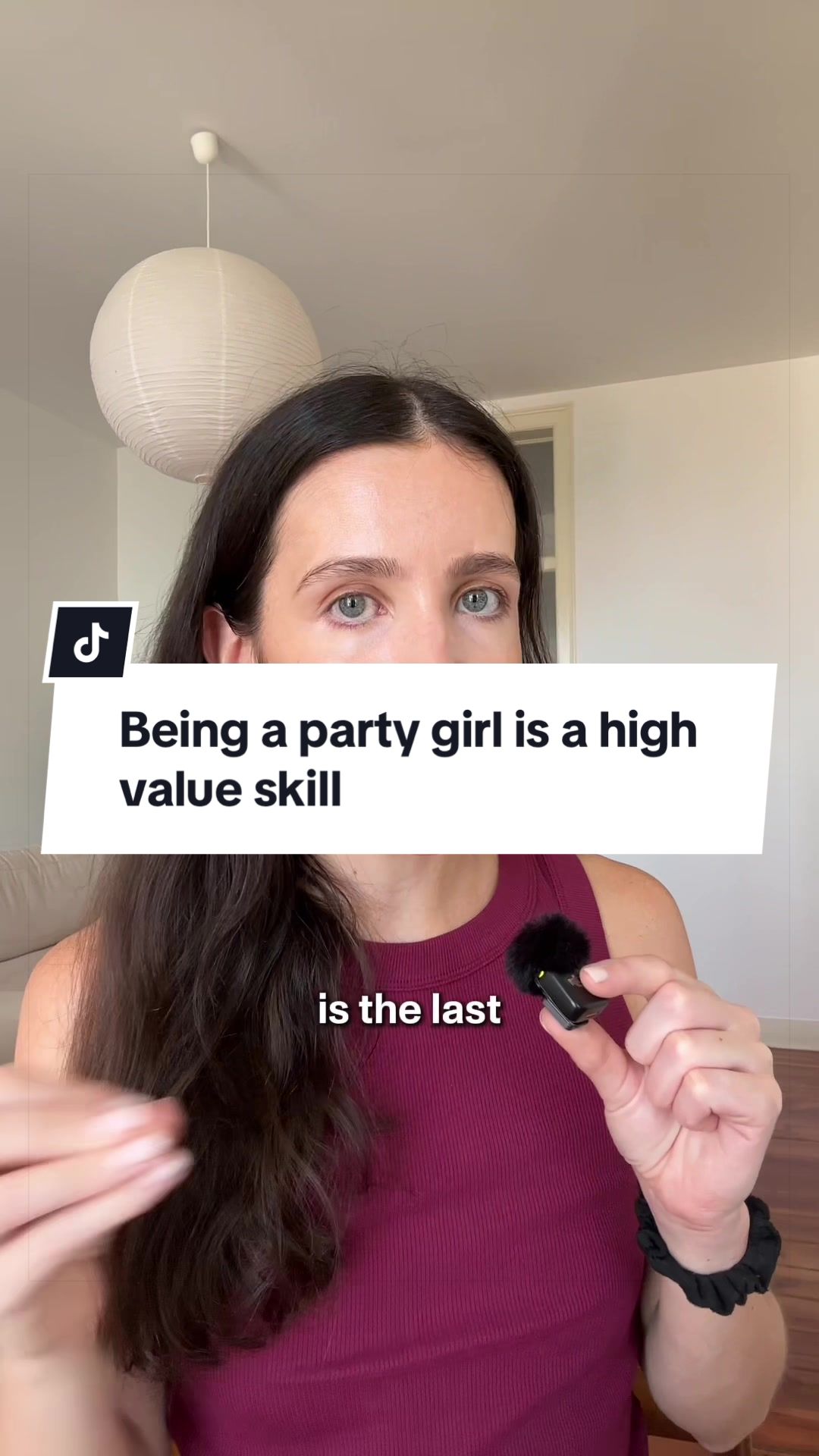
A medium close-up shot of the creator speaking directly to the camera while holding a small, fuzzy lavalier microphone, which acts as a slightly unusual prop.
[07]
Hook and payoff
The promise the opener makes, and how the video pays it back
Hook
Poses a direct, relatable question to the audience about a widely-held perception, immediately drawing them into the topic.
Payoff
Delivers a concise, memorable, and powerful concluding statement that completely reframes the initial observation, leaving the viewer with a new, 'enlightened' perspective.
[08]
Narrative framework
The structural pattern this video runs on
Framework
The Counter-Narrative Reveal
To deconstruct a common perception by revealing the hidden, counter-intuitive system that produces it, thereby giving the viewer an 'insider' understanding.
- 1
The Counter-Intuitive Thesis
Immediately challenges the common perception with a provocative statement that introduces the video's core argument.
- 2
The Contradictory Proof
Presents specific, visual examples that seem to support the common perception on the surface but contain a hidden contradiction that proves the thesis.
- 3
The 'Why It Works' Explanation
Explains the market or psychological reasons behind the phenomenon, showing it's a deliberate strategy driven by audience demand.
- 4
The Concept Christening
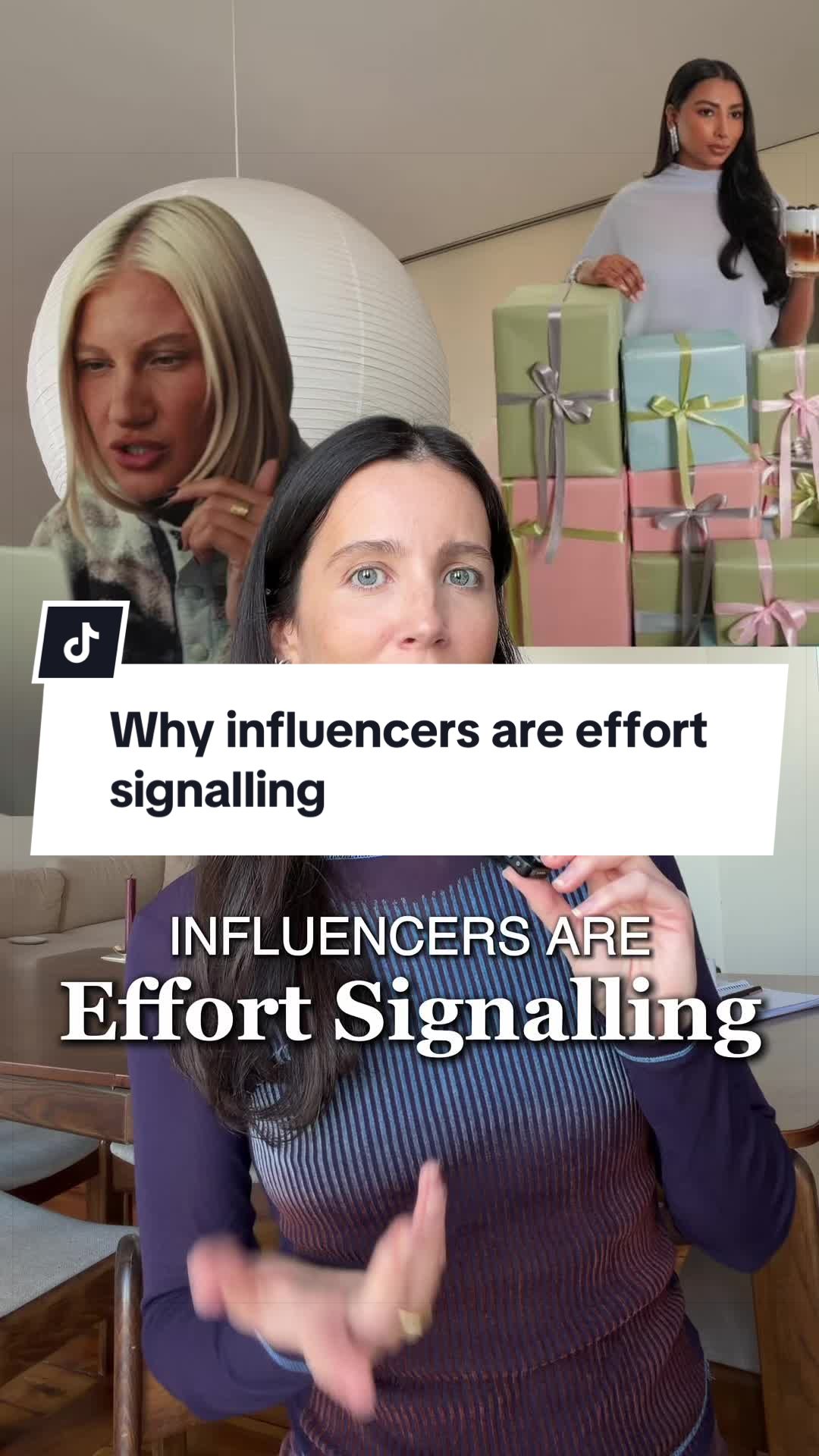
Cites an external, credible source (like an article or study) to give the phenomenon an official name, solidifying it as a real, analyzable trend.
- 5
The Paradox Definition
Breaks down the mechanics of the new concept, explaining how it operates in a nuanced, controlled way to achieve a specific effect.
- 6
The Parallel Universe Connection
Broadens the argument by connecting the phenomenon to a similar trend in an unrelated field, demonstrating a larger cultural shift and strengthening the core thesis.
Themes
- Authenticity vs. Performance
- Media Manipulation
- Consumer Psychology
- Cultural Trends
Techniques
- Thesis presentation
- Evidence-based argument
- Cross-disciplinary comparison (media to design)
Trends
- Coached Authenticity
- Faux-Authentic Design
Post caption
I’m not against media training!!! it is just fascinating how it’s evolving. Some people, like Hudson, are naturally charming and training just enhances that. But when “authenticity” itself becomes a performance, it feels a bit…odd?
Text overlays
title · beginning
Coached Authenticity & the new media training
informational · middle
COACHED AUTHENTICITY
contextual · middle
The Biggest Design Trend in 2026
contextual · end
PLEASE Never Media Train This Man 😂
Transcript
Notice that celebrities seem more and more relatable? Chances are they're being trained to look authentic. Take people like Hudson Williams or Worst Tier. Please never get media training. Best my whole team disagrees, and I think I need more media training. They feel absolutely unfiltered, and the Internet loves it. But that reaction is the point. Publicists have now realized we don't want polish. We want real. I just read this based article about how there's a new kind of training that isn't about perfect sound better, but what they called coached authenticity. It's real enough that we feel human connection, but controlled enough that it doesn't get uncomfortable. Last week, I talked about how the biggest design trend in 2026 is faking being real. All the fake scribbles and seemingly hand drawn logos, because we want tier design to appear human. I think this is the same thing best with people instead of layouts. So when someone looked unfiltered now, I don't think better media train them. I think someone already did.