@mirandadoesbrands Effort signalling is one of the biggest marketing trends at the moment, and I recently spoke to @voguebusiness about how brands are using visible effort to signal value in the age of AI.
Now we’re seeing the same shift in influencer marketing, an industry where the appearance of effortlessness (feigned or otherwise) has been the default currency for years.
But as audiences become increasingly savvy to the mechanics of persuasion, the very things that once made influencer advertising feel authentic can now make it feel disingenuous.
Now, instead of trying to make an ad feel “as native as possible”, influencers are leaning into full-blown productions and cinematic ads where the effort is part of the appeal.
Analyzing new influencer ad trendfrom @mirandadoesbrands
[01]
Overview
The speaker analyzes the marketing trend of 'effort signaling' among social media influencers. She provides specific examples of creators producing high-effort, cinematic ads, contrasting this with the older, disingenuous 'native ad' style. The speaker argues that audiences respect the visible effort and honesty in these new productions and predicts the trend will grow due to rising anti-influencer sentiment.
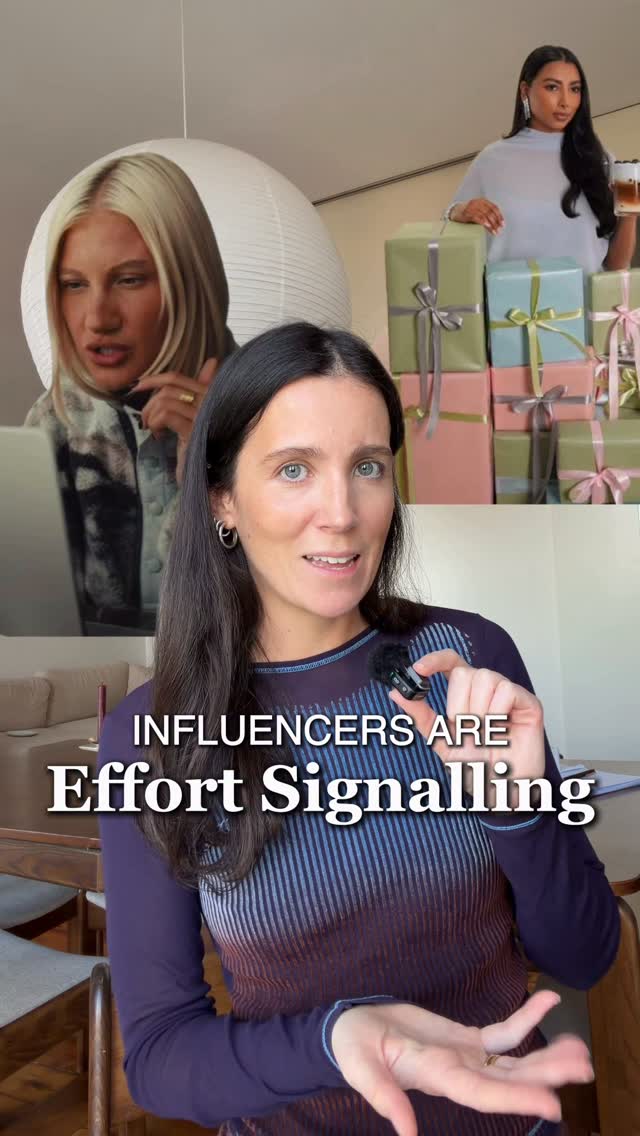
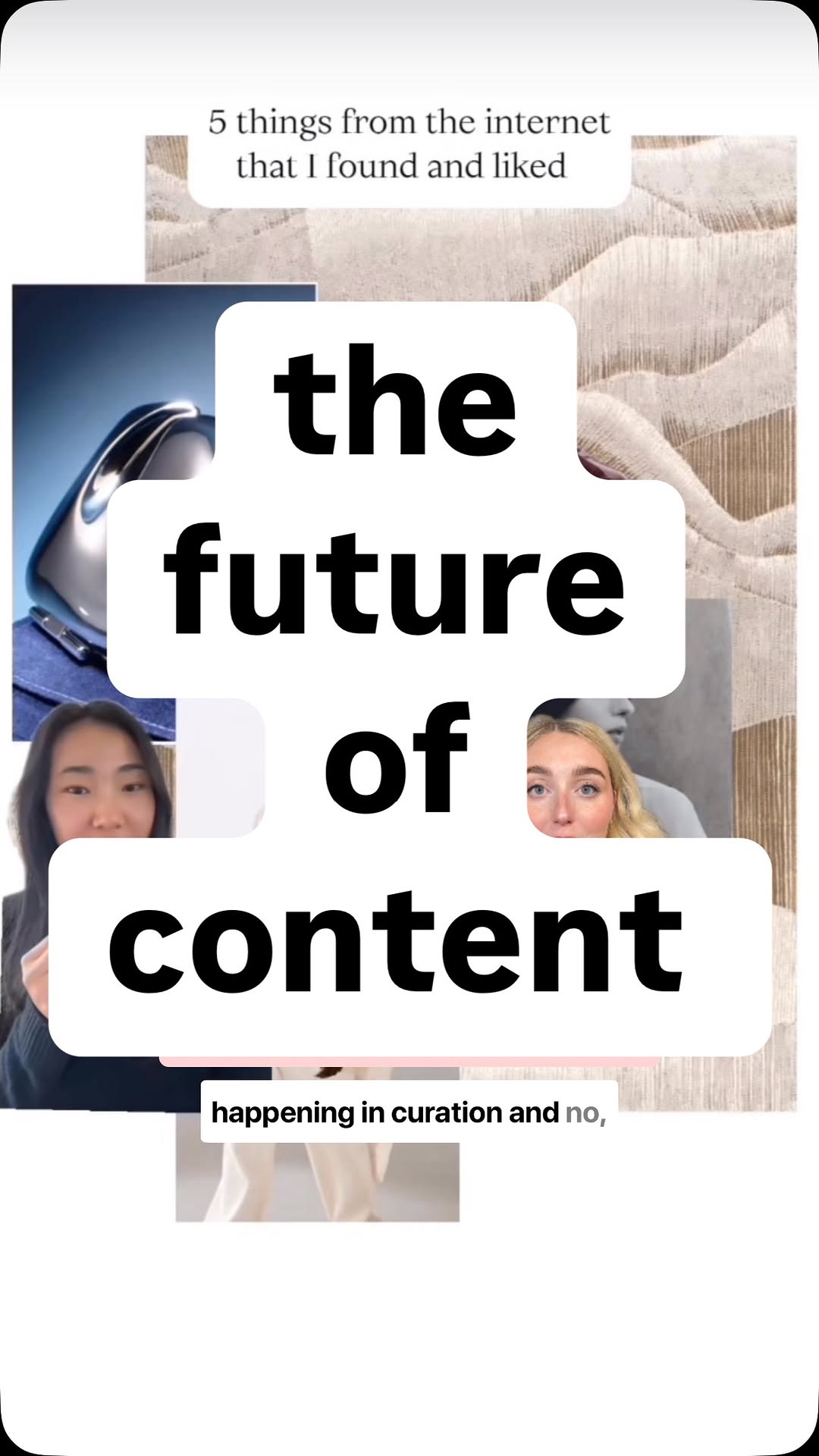
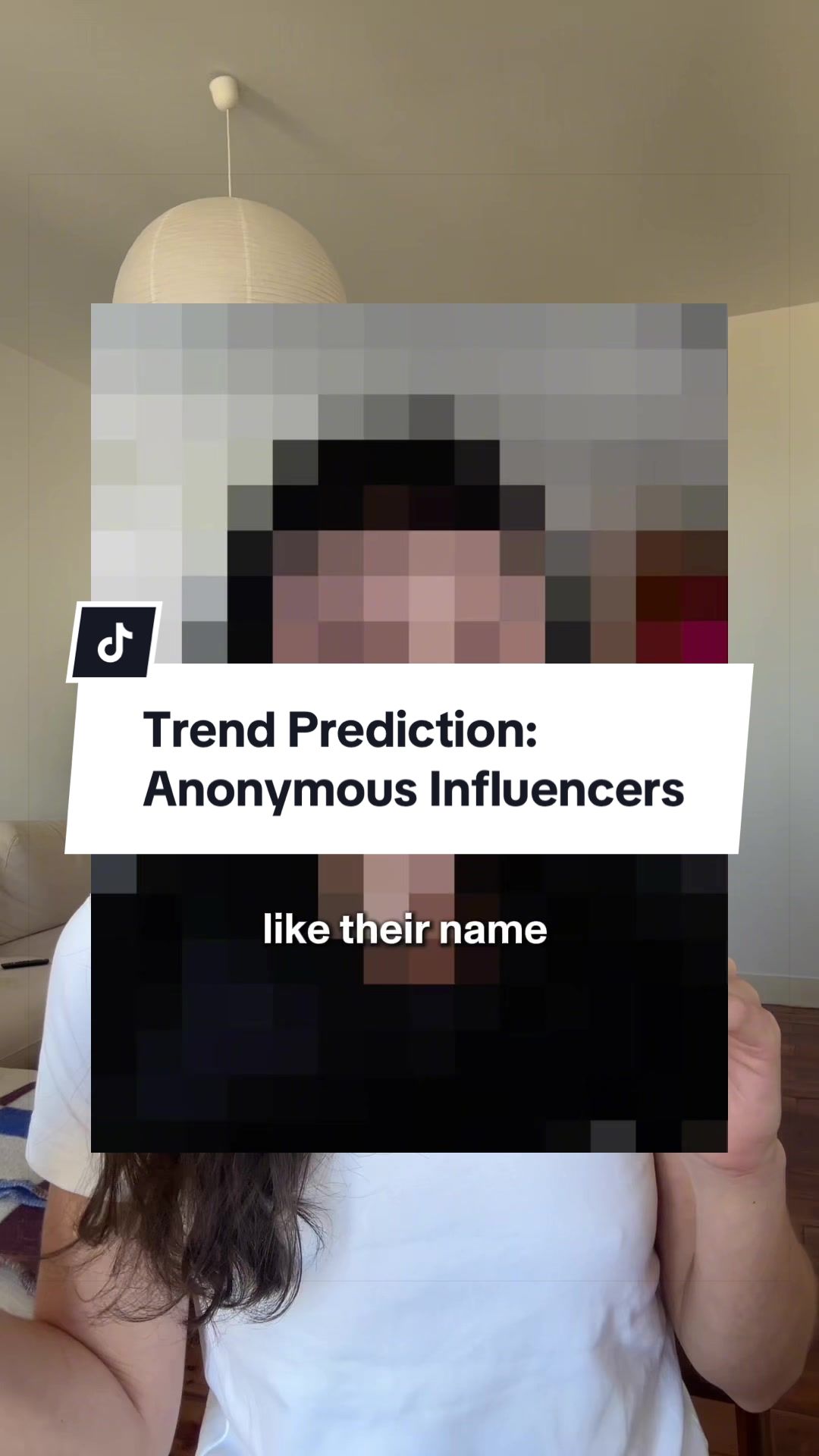
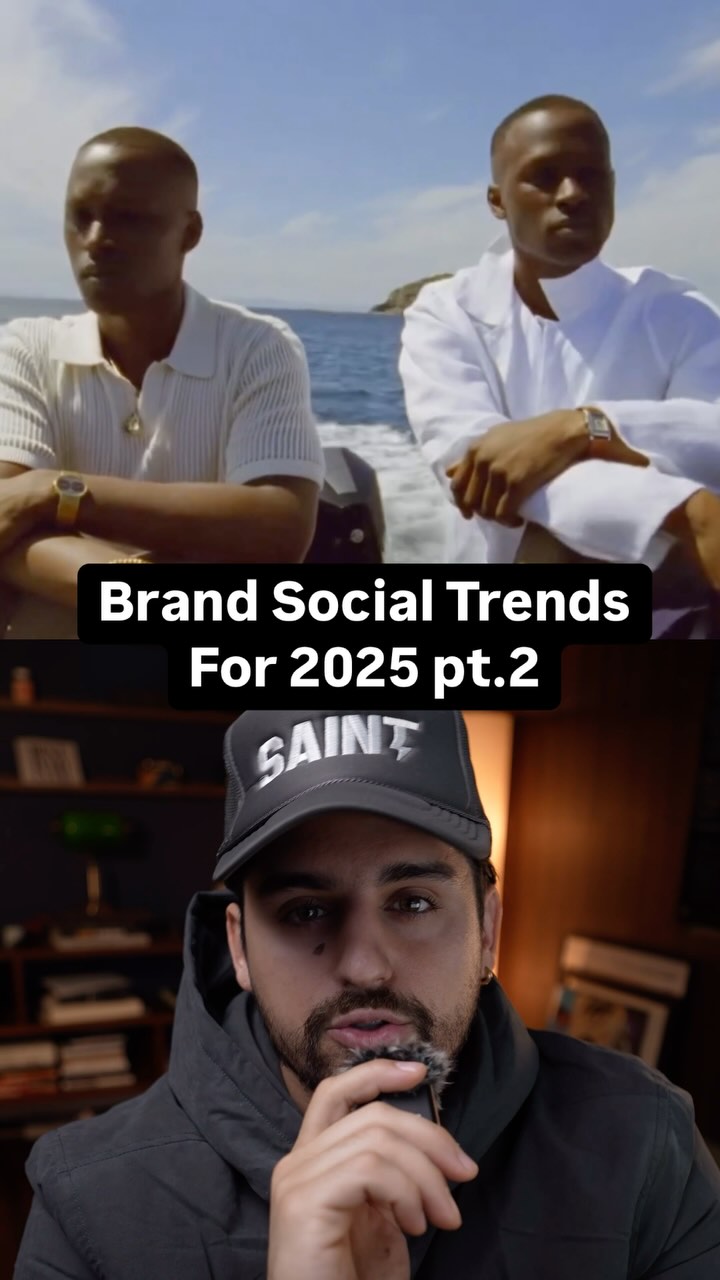
A composite image showing the speaker in the foreground with two other influencers in stylized background shots, immediately establishing the video's topic and context.
[06]
Hook template
Steal this for your own video
[GROUP OF PEOPLE] ARE [NAMED TREND/BEHAVIOR]
— PERSONAL TRAINERS ARE Cardio Shaming
— HOMEOWNERS ARE Flex Renovating
— STARTUP FOUNDERS ARE Hustle Cosplaying
[07]
Hook and payoff
The promise the opener makes, and how the video pays it back
Hook
A bold, jargon-heavy declaration of a new, emerging trend or behavior to create immediate curiosity and establish expertise.
Payoff
The Future Forecast: Broaden the scope by connecting the trend to a larger cultural sentiment and make a clear prediction about its future growth and impact, leaving the viewer feeling informed and ahead of the curve.
[08]
Narrative framework
The structural pattern this video runs on
Framework
The Trend Forecaster
To establish authority by identifying a new cultural or industry trend, explaining its emergence by deconstructing the failure of the old paradigm, and revealing the underlying psychological shift that makes the new trend effective.
1
The Proof of Concept
Immediately provide 2-3 rapid-fire, concrete examples that prove the declared trend is real and happening now, grounding the abstract concept in reality.
2
The Root Cause Analysis
Reframe a common assumption ('people hate X') by revealing the deeper psychological truth ('people actually hate the feeling of Y'). This establishes the core problem the old way failed to solve.
3
The Old Method's Obituary
Describe the previously accepted method and explicitly label it as ineffective, inauthentic, or disingenuous in the current climate, justifying the need for a new approach.
4
The Paradigm Reversal
Introduce the new trend as a direct and intentional reversal of the old, failed method, clearly explaining *what* is being done differently.
5
The Psychological Justification
Explain *why* the new method works by connecting it to a core human value or psychological principle (e.g., honesty, respect for effort, transparency).
Themes
Authenticity in marketing
Evolution of advertising
Creator economy
Audience perception
Techniques
Trend analysis
Case study examples
Psychological framing
Trends
Effort Signaling
Anti-influencer sentiment
Post caption
Effort signalling is one of the biggest marketing trends at the moment, and I recently spoke to @voguebusiness about how brands are using visible effort to signal value in the age of AI.
Now we’re seeing the same shift in influencer marketing, an industry where the appearance of effortlessness (feigned or otherwise) has been the default currency for years.
But as audiences become increasingly savvy to the mechanics of persuasion, the very things that once made influencer advertising feel authentic can now make it feel disingenuous.
Now, instead of trying to make an ad feel “as native as possible”, influencers are leaning into full-blown productions and cinematic ads where the effort is part of the appeal.
Text overlays
title · beginning
INFLUENCERS ARE Effort Signalling
contextual · beginning
NESPRESSO Presents THE EASY DECISION Directed by NOORIE ANA
informational · middle
The Merriam-Webster 2023 Word of the Year: authentic
informational · end
Yahoo Sports
'Influencers are ruining the U.S. Open': U.S. Open officials revoke credentials
informational · end
Vulture
The Influencer Recession
informational · end
The Guardian
'No influencers': the hotels, restaurants and beauty spots restricting photoshoots
contextual · end
NO INFLUENCERS
Transcript
Influencers are currently effort signaling. Ken Urich made a mini movie for Columbia. Nuri Anna made a cinematic masterpiece for Nespresso. One of the biggest misunderstandings in marketing is that people hate ads when actually they just hate feeling manipulated. An influencer talking to you like they're on Face Time while overtly selling you a face cream doesn't feel quite so authentic anymore. It just feels disingenuous. No we're seeing a really interesting reversal play out where instead of trying to make an ad feel as native as possible, influencers are turning paid partnerships into full blown movies because there's an honesty in the obviousness. When people can see how much effort went into something, it earns a certain level of respect. And with anti influencer sentiment on the rise, I think we're going to see a lot more influencers making their labour visible.