@var.aunevik What if the best representation of who we are is what we throw away? This photography series turns trash into an unfiltered self-portrait, exposing habits, consumption, and private rituals never meant to be seen. It feels intrusive, but that discomfort is exactly what makes it so compelling. So where should we draw the line between art and invasion of privacy? And is this invasion of privacy justifed because they are “public figures”?
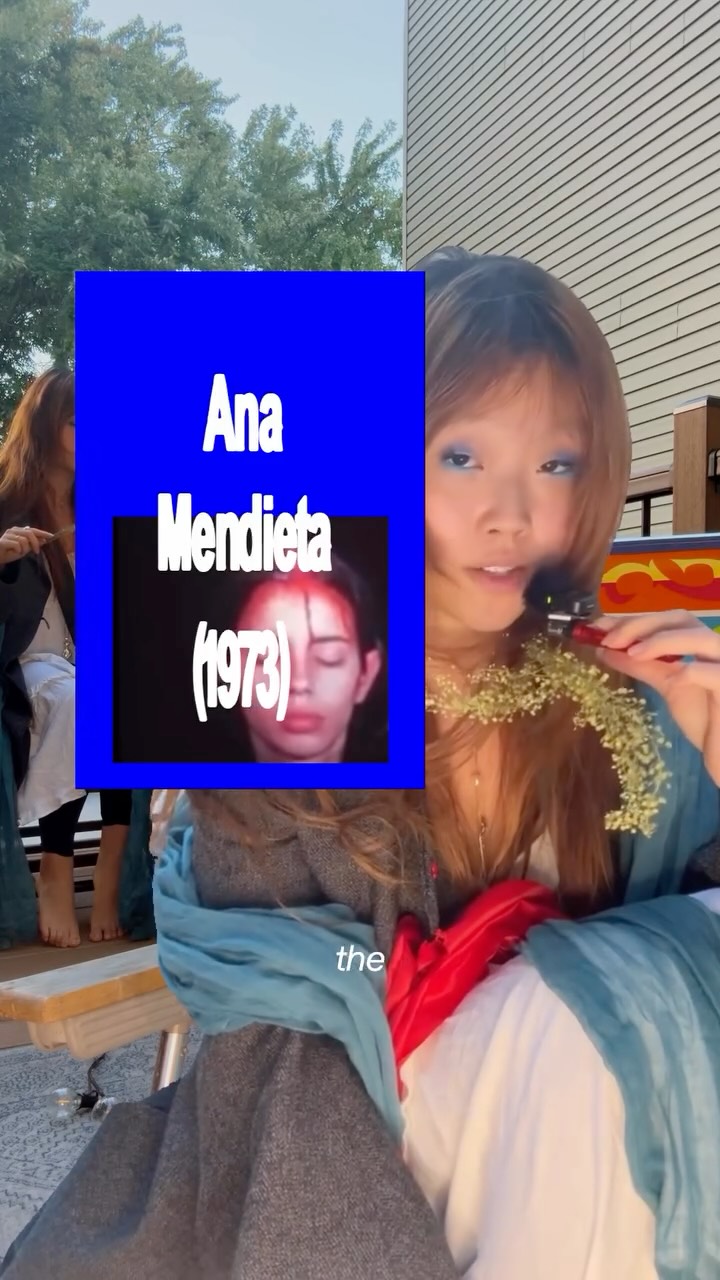
This is “Autopsie” by Bruno Mouron and Pascal Rostain
Art project analysis about privacyfrom @var.aunevik
[01]
Overview
The creator analyzes a controversial photography project called 'Autopsy,' where artists collected and photographed celebrities' trash. She shows examples of the work, explains how it reveals a more intimate truth than tabloids, and then explores her own conflicted feelings about whether the project is compelling art or an unethical invasion of privacy, concluding by questioning where to draw the line.
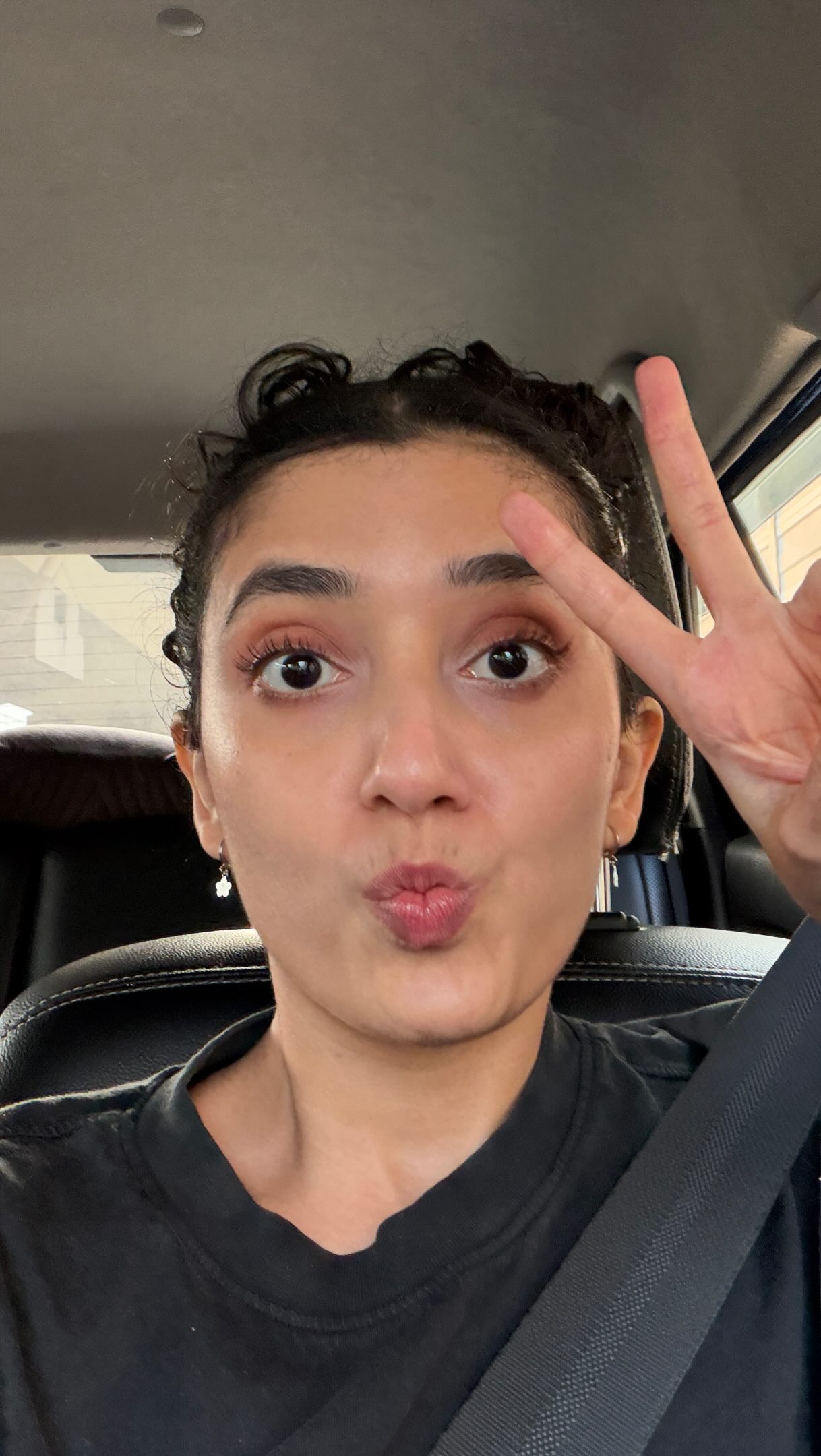
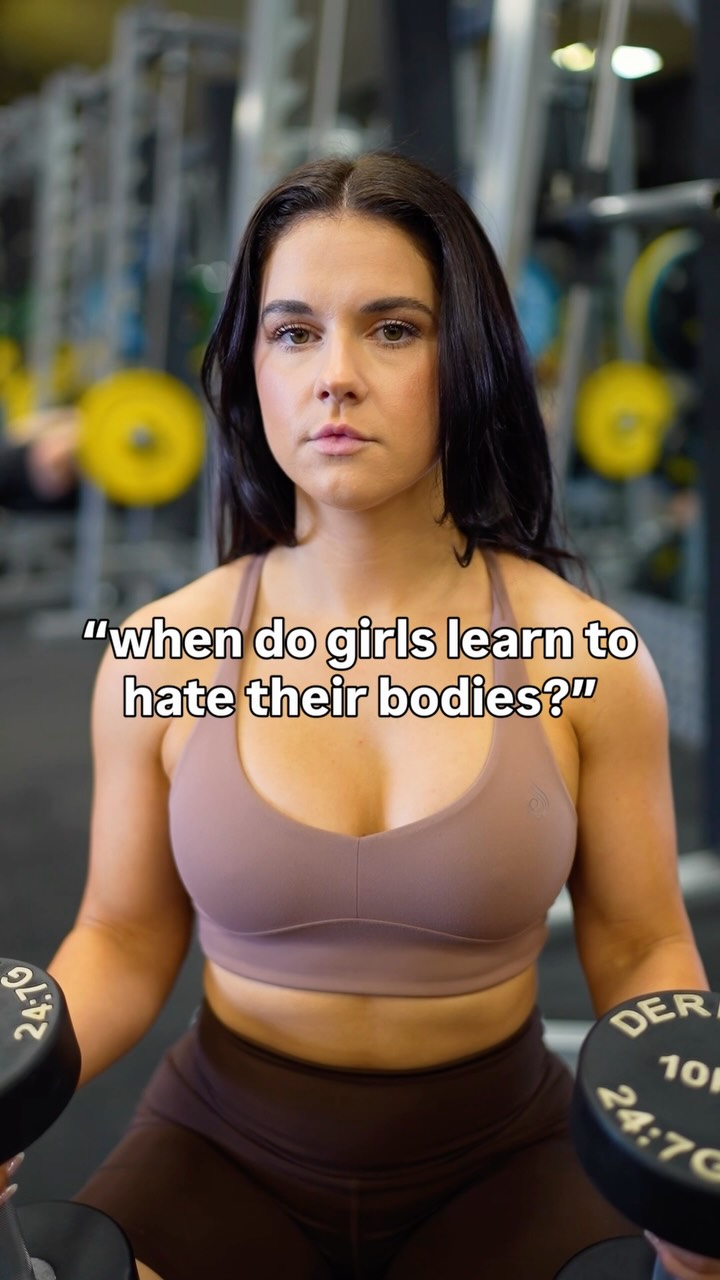
A woman speaking directly to the camera while sitting in front of large, industrial trash bins, creating a visually relevant and unusual setting.
[06]
Hook template
Steal this for your own video
What does your [everyday object or habit] say about [identity or hidden truth]?
— What does your grocery cart say about your finances?
— What does your screen time say about your priorities?
— What does your skincare shelf say about your insecurities?
[07]
Hook and payoff
The promise the opener makes, and how the video pays it back
Hook
A direct, relatable question that frames the video's central theme in personal terms for the viewer.
Payoff
A final, open-ended question that reframes the central dilemma and challenges the viewer to form their own conclusion, thereby prompting engagement.
[08]
Narrative framework
The structural pattern this video runs on
Framework
The Philosophical Case Study
Using a specific, provocative real-world example to explore a broader ethical or philosophical question, leaving the final judgment to the audience.
1
The Concrete Example
Introduce a specific, intriguing case study or event that takes the hook's abstract question to a literal, extreme interpretation.
2
The Process Breakdown
Detail the 'how' of the case study, explaining the mechanics and methodology to ground the concept in reality and build credibility.
3
The Human Impact
Shift from the factual 'what' to the emotional 'why,' explaining the profound, often uncomfortable, human implications of the example.
4
The Stated Ambivalence
The narrator explicitly articulates the central conflict or dilemma, acknowledging the validity of opposing viewpoints and positioning themselves as a thoughtful mediator.
5
The Universal Connection
Broaden the scope from the specific case study to a larger cultural, social, or philosophical trend, arguing why this single example matters in a wider context.
Themes
art vs. privacy
consumerism
celebrity culture
voyeurism
Techniques
direct address
B-roll cutaways
philosophical questioning
Post caption
What if the best representation of who we are is what we throw away? This photography series turns trash into an unfiltered self-portrait, exposing habits, consumption, and private rituals never meant to be seen. It feels intrusive, but that discomfort is exactly what makes it so compelling. So where should we draw the line between art and invasion of privacy? And is this invasion of privacy justifed because they are “public figures”?
This is “Autopsie” by Bruno Mouron and Pascal Rostain
Text overlays
title · beginning
What does you trash say about you?
contextual · beginning
Pamela Anderson, 1996
contextual · beginning
Kate Moss, 2012
contextual · end
Madonna, 1990
contextual · end
Michael Jackson, 1990
Transcript
What does your trash say about you? Two photographers took that question literally. They collected celebrities garbage, washed it, and laid it out on velvet and photographed it for the world to see. Call the series Autopsy. Autopsy no of the body better of consumption. Tier result feels almost more exposing than a nude. It's not a rumor or a headline better it's the boring physical evidence of how you actually live when no one is watching. And that is where I feel torn. The work is interesting BECAUSE it crosses a line, but that same line also feels tier me wonder how far we're willing to go in the name of art, especially now when real art feels like it's taking up less and less space in our lives and we're tempted to excuse more in order to keep it interesting. I believe art should be uncomfortable but at what point does that discomfort stop feeling like art and start feeling like something else?