Post caption
A 2026 branding trend we’re going to see a lot more of is “human-made”: portraits on labels, “human-edited,” “handmade by” printed on everything as proof that a real person still exists behind the product in an AI-driven design world. Think Lush and Los Angeles apparel.
The question is whether this human-made aesthetic in branding actually signals authenticity, or if it just becomes another trust signal we end up ignoring
Transcript
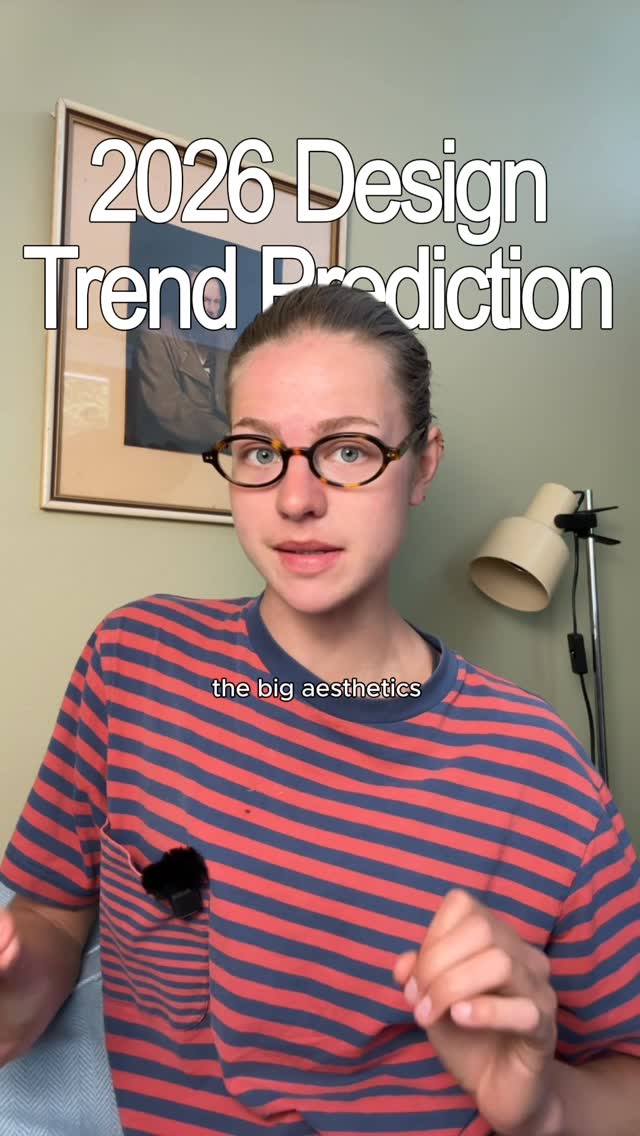
Human made is about to become one of the big aesthetics in branding. You already know what I'm talking about. The lush jars with a little portrait and these LA apparel labels, where the person who sued it is printed in mugshot format. This all started as an answer to distance. Global supply chains, anonymous factories, and the fact that your stuff just appeared out of nowhere. But as more and more of our work is handed to software and AI, those faces start doing something else too. They become a sort of proof of life, a way of saying that a real person did touch this. This. And I'm guessing that we're going to see a lot more of it. Human checked, human edited, handmade by, printed everywhere. Which is also where I have some questions because if every product suddenly comes with a face or a signature, will it still feel special? Or does a human mark turn into yet another reassurance we're meant to believe, but not sure if we rank?