@orenmeetsworld
Instagram · Talking Head Edit
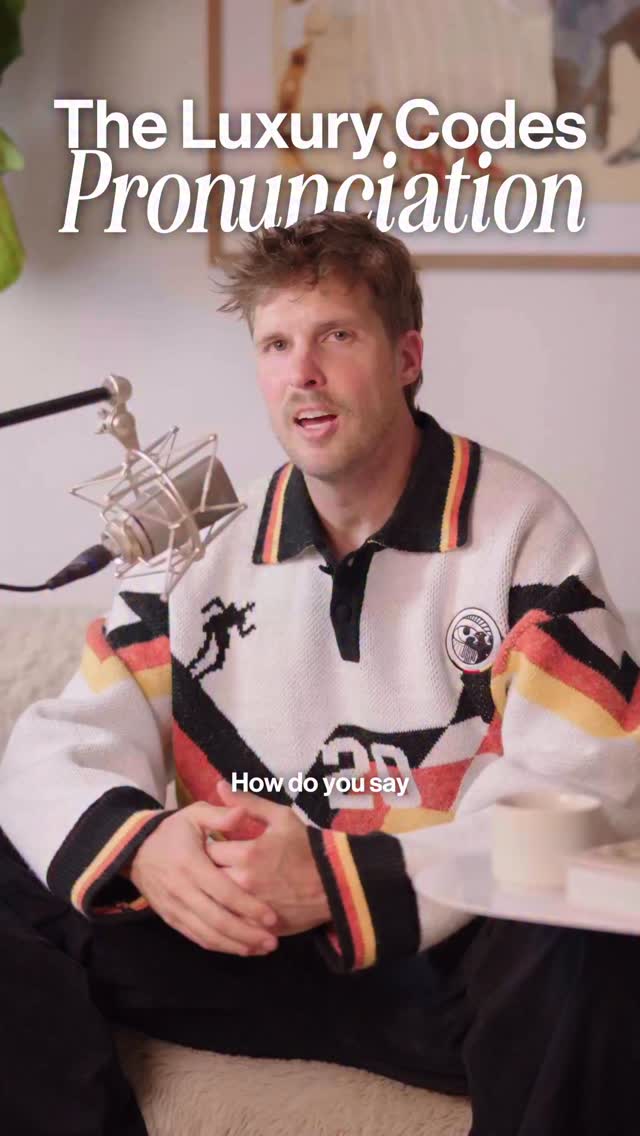
@orenmeetsworld I would like to apologize to the Vietnamese, The French, all my Croatians, Hungary, and any culture in the Bible. The luxury codes: pronunciation and the sociology of brand language.

@orenmeetsworld
Instagram · Talking Head Edit
@orenmeetsworld I would like to apologize to the Vietnamese, The French, all my Croatians, Hungary, and any culture in the Bible. The luxury codes: pronunciation and the sociology of brand language.
Performance
Video #27026 · Talking Head Edit
[01]
The speaker explains the sociological concept of a 'shibboleth' by questioning the audience on how they pronounce the luxury brand 'Hermès.' He defines these pronunciation challenges as intentional 'luxury codes' that signal whether someone belongs to an exclusive group. He provides numerous examples of commonly mispronounced brands (Moët, Givenchy, Loewe), explains the biblical origin of the term 'shibboleth,' and extends the concept to food and wine, arguing that getting these pronunciations right signals cultural experience and knowledge in an information-saturated world.
[02]
[03]
 331.4KExplaining the luxury status trap@orenmeetsworld · Cultural Rant
 2.4M79.6×Exposing synthetic luxury goods breakdown@orenmeetsworld · Breakdown
 277.2K93.9×Explaining luxury versus premium goods@adamtgroh · Breakdown
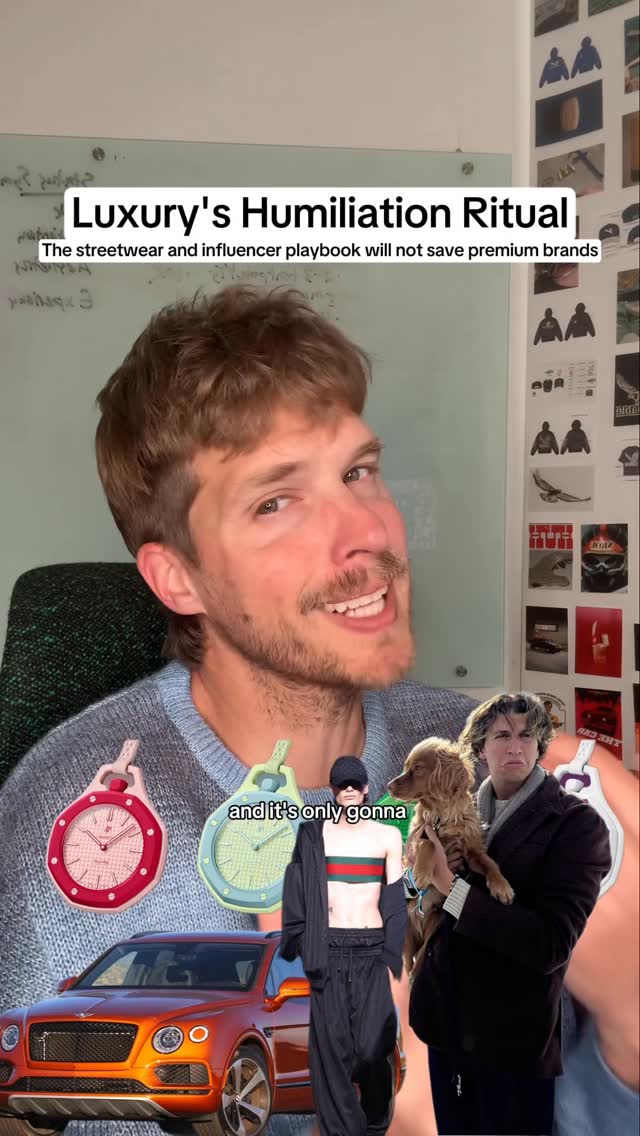 912.6K16.1×Critiquing luxury brand marketing failures@orenmeetsworld · Breakdown
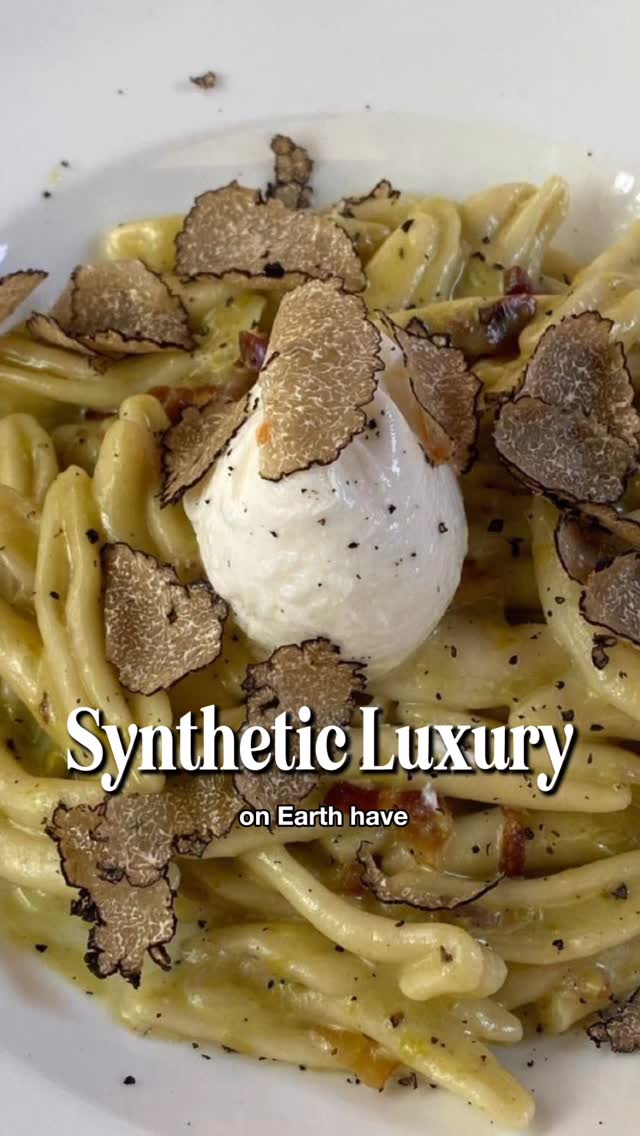 502.3K16.4×Explaining synthetic luxury via truffles@orenmeetsworld · Breakdown
 2.6M630.8×Explaining brand strategy with luxury product@lukas.mullen · Case Study Breakdown
 321K1×Analysis of intellectualism as a trend@deathtostock · Breakdown
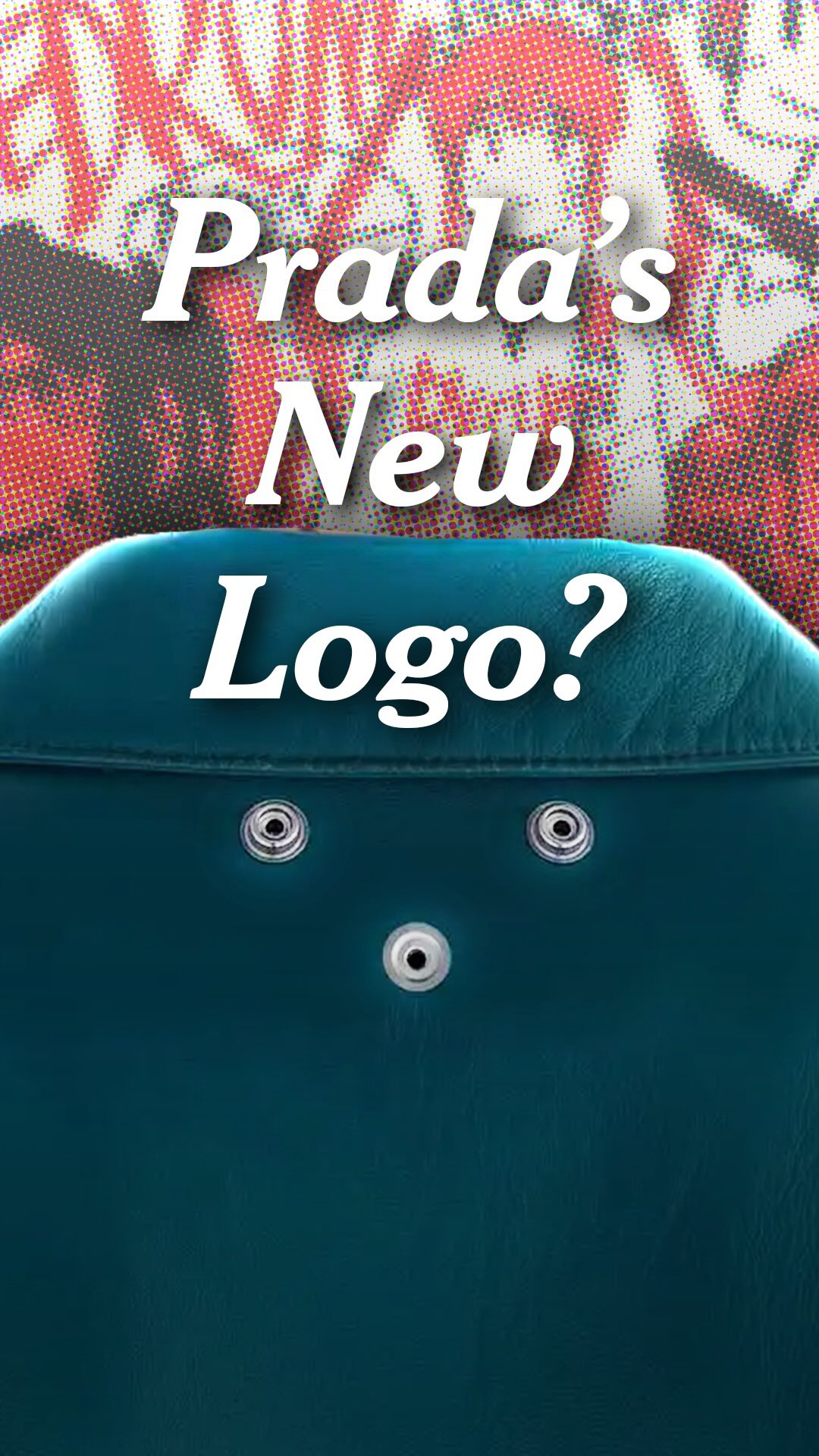 432.8KExplaining the trend of quiet luxury@alextwma · Breakdown
 187.6K3×Demonstrates luxury branding with high-end visuals@house.of.ag · Value Vlog
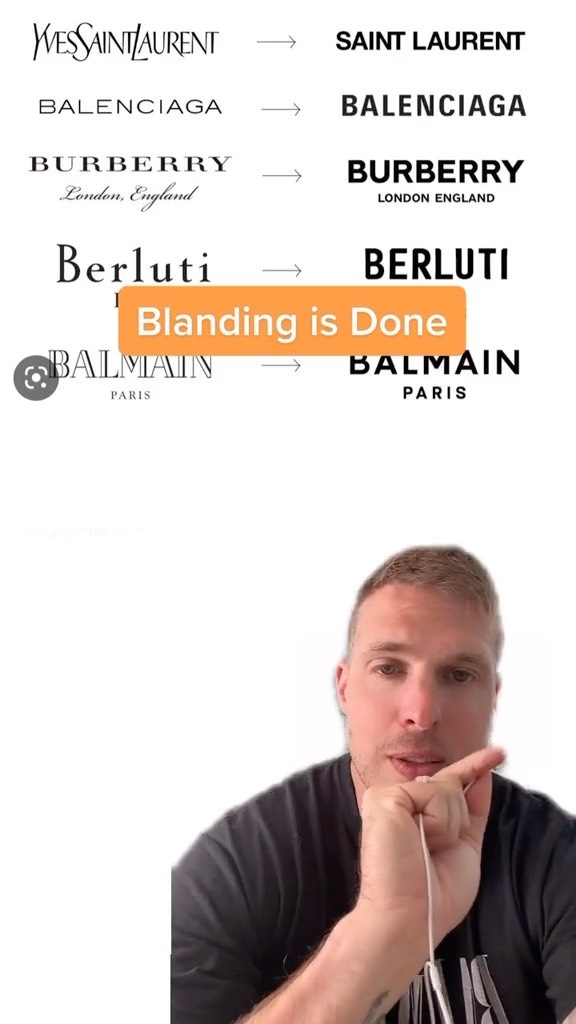 1.1MCreator explains new branding trend@orenmeetsworld · Breakdown
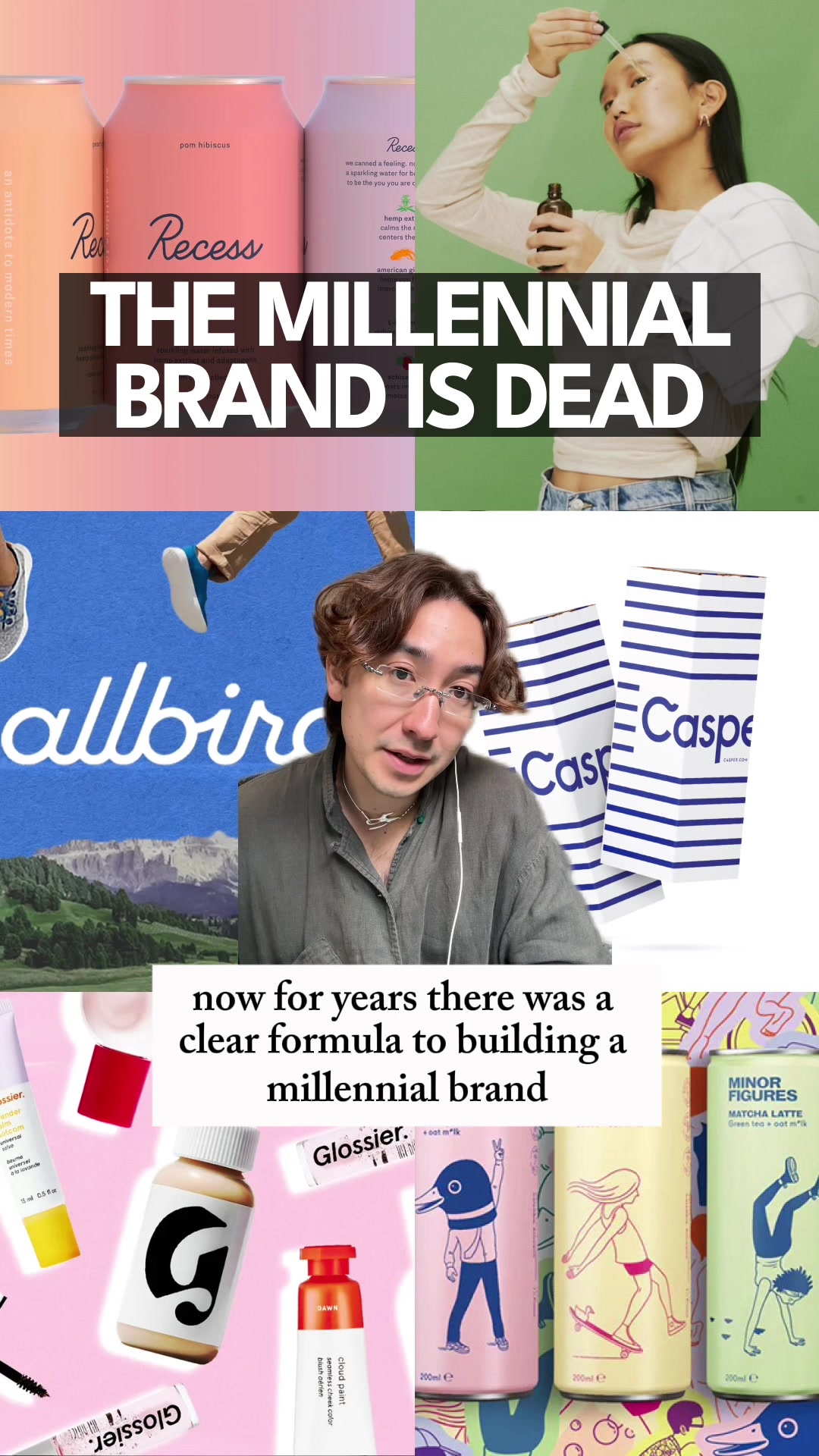 1.2MExplaining the decline of millennial branding@eugbrandstrat · Breakdown
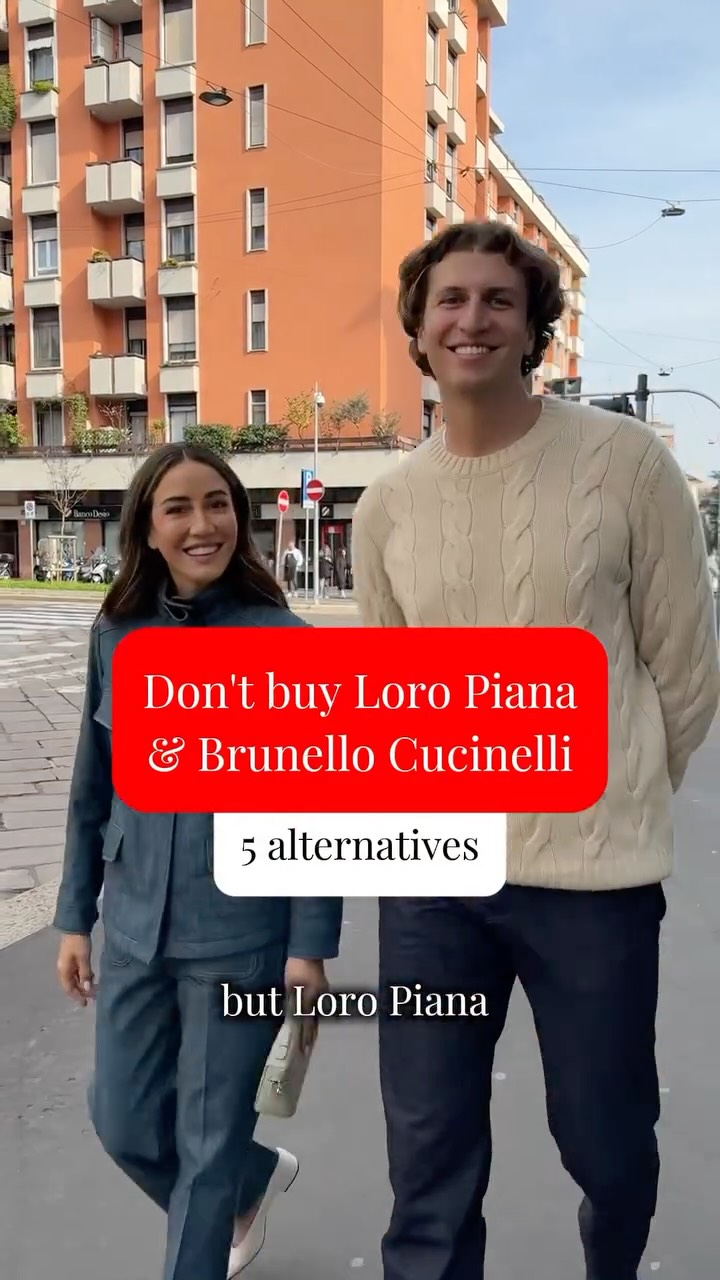 584.7K2.1×Countdown list of brand alternatives@connoisseurbyhugo · Rapid Fire Listicle
[04]
[05]
What stops the scroll in the first 3 seconds
Title hook · 45%
The Luxury Codes Pronunciation
Verbal hook · 50%
How do you say Hermes?
Visual hook · 5%
A medium shot of a man sitting on a couch speaking directly to the camera, with a professional broadcast microphone prominently in the foreground, establishing an expert or podcast-style setting.
[07]
The promise the opener makes, and how the video pays it back
Hook
A direct challenge to the viewer's knowledge on a seemingly simple topic, immediately creating stakes and a 'pass/fail' scenario that makes them question their own expertise.
Payoff
A final, powerful re-framing of the video's core message, often using a small misdirection or twist, that elevates the initial observation into a profound strategic or philosophical insight about the nature of value and community.
[08]
The structural pattern this video runs on
Framework
The Shibboleth Formula
Revealing a hidden social 'test' or 'code' within a specific niche, explaining how it functions to separate insiders from outsiders, and then extracting a universal lesson from it.
The Thesis Declaration
Introduce a specific term or concept (the 'shibboleth') that gives a name to the phenomenon, framing it as a deliberate social code designed to identify insiders.
The Rapid-Fire Evidence
Present a quick montage of multiple examples that prove the thesis is not an isolated case but a widespread pattern, reinforcing the viewer's potential knowledge gaps.
The Historical Anchor
Ground the modern concept in a powerful historical or etymological origin story. This adds weight, credibility, and a sense of timeless truth to the argument.
The Scope Expansion
Demonstrate the concept's universality by applying it to adjacent, relatable categories outside the initial niche (e.g., from fashion to food, wine, or names).
The Vulnerable Confession
The creator admits their own past ignorance or struggles with the topic. This builds trust, makes the lesson feel earned rather than preached, and connects with the viewer's own potential insecurity.
The Sociological Payoff
Explain the deeper 'why' behind the phenomenon. This beat moves from 'what' is happening to 'why' it matters, revealing its function as a social filter that creates insiders and outsiders.
I would like to apologize to the Vietnamese, The French, all my Croatians, Hungary, and any culture in the Bible. The luxury codes: pronunciation and the sociology of brand language.
title · beginning
The Luxury Codes Pronunciation
title · beginning
The Shibboleth
title · middle
Language Is Identification
title · middle
That's The Point
title · end
I've Been Places
title · end
Overwhelming With Information All the Time
title · end
Insiders Outsiders
contextual · end
It's Not.
How do you say Hermes? If you said it like I did, you just outed yourself. It's Hermes. No h. This is the luxury code, the shibboleth. Luxury is full of words designed to reveal whether or not you belong. Get it wrong and you've announced you're a tourist. Get it right and you pass quietly into the club. Moat. It's Moet. Not Moet. Classic oomla navigation. Hogarden or Hoogard? Givenchy? Is it Vanshe? Balenciaga trips everyone up the first time. These aren't accidents. Brands keep the foreign spelling. They don't add pronunciation guides. I'm pretty sure Zukmousse is pulling wool over all of our eyes. They let you fail the test. The word Shibboleth comes from the bible. One tribe used it as a password worse you couldn't pronounce the sh. You were from the enemy tribe and they killed you. Language is identification. We've been doing this forever. Fashion runs on it. CG and I'm even gonna try it. ESOP. Remova. I love that low bag. It's Loewe. Most people have never even said them out good. And that's the point. If you learn these brands from the internet and never heard them spoken in context, you'll have a hard time that first time in conversation and someone will notice. In my life, I've been notoriously terrible at this. For the longest time, simply didn't care. Whatever, it's a new era. But the vastness of knowledge is rising. People are more informed than better. And to not try is to rank be a lesser person. This goes beyond fashion. Acai, No. Nguyen is the most common Vietnamese surname and most Americans butcher it. Get it right rank you signal I've been places. I've better with people who no, I've been corrected and I listened. And to be perfect is an impossible test in a world that is overwhelming with information all the time. I practice before this video and still couldn't get them right. The restaurant version is ordering wine you can't pronounce. Gruner Veltliner, Zacolina, Gewurztraminer. I feel like my writing team is trolling me here. Better half tier anxiety of a fancy meal with the in laws is the verbal performance. A name that's hard to say is a name that filters. It creates insiders and outsiders automatically. No marketing budget required, just let people embarrass themselves and then quietly join the club once they learn. But that club has to actually mean something. If you're building a brand, ask, is there friction in saying our name? It's a small loyalty test, but whoever gets it right has to earn something. Did you know Erewhon is nowhere backwards? It's not. It's a reminder that almost anything that sells at a premium also sells membership along with the product, and it has to mean something.