Post caption
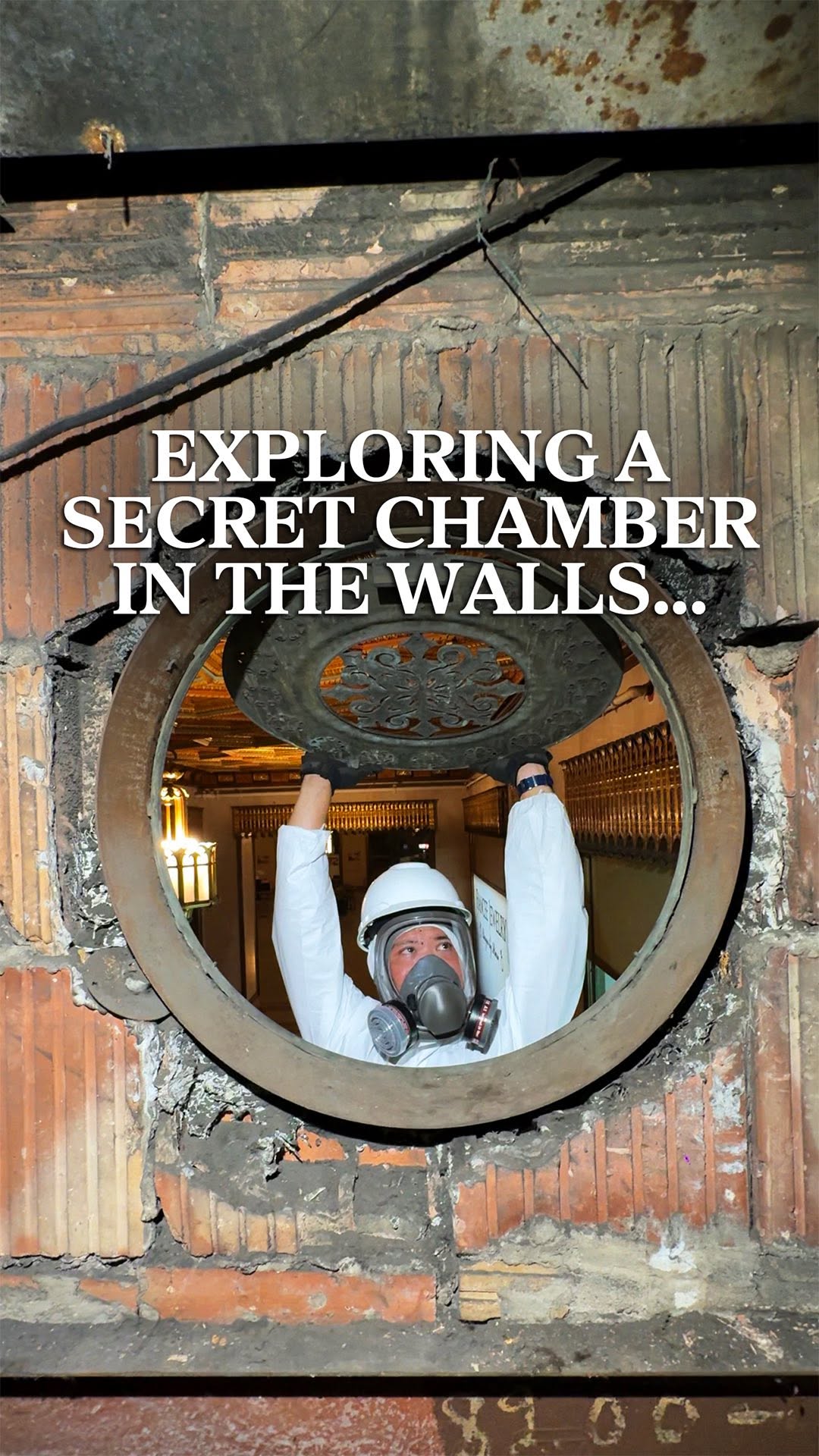
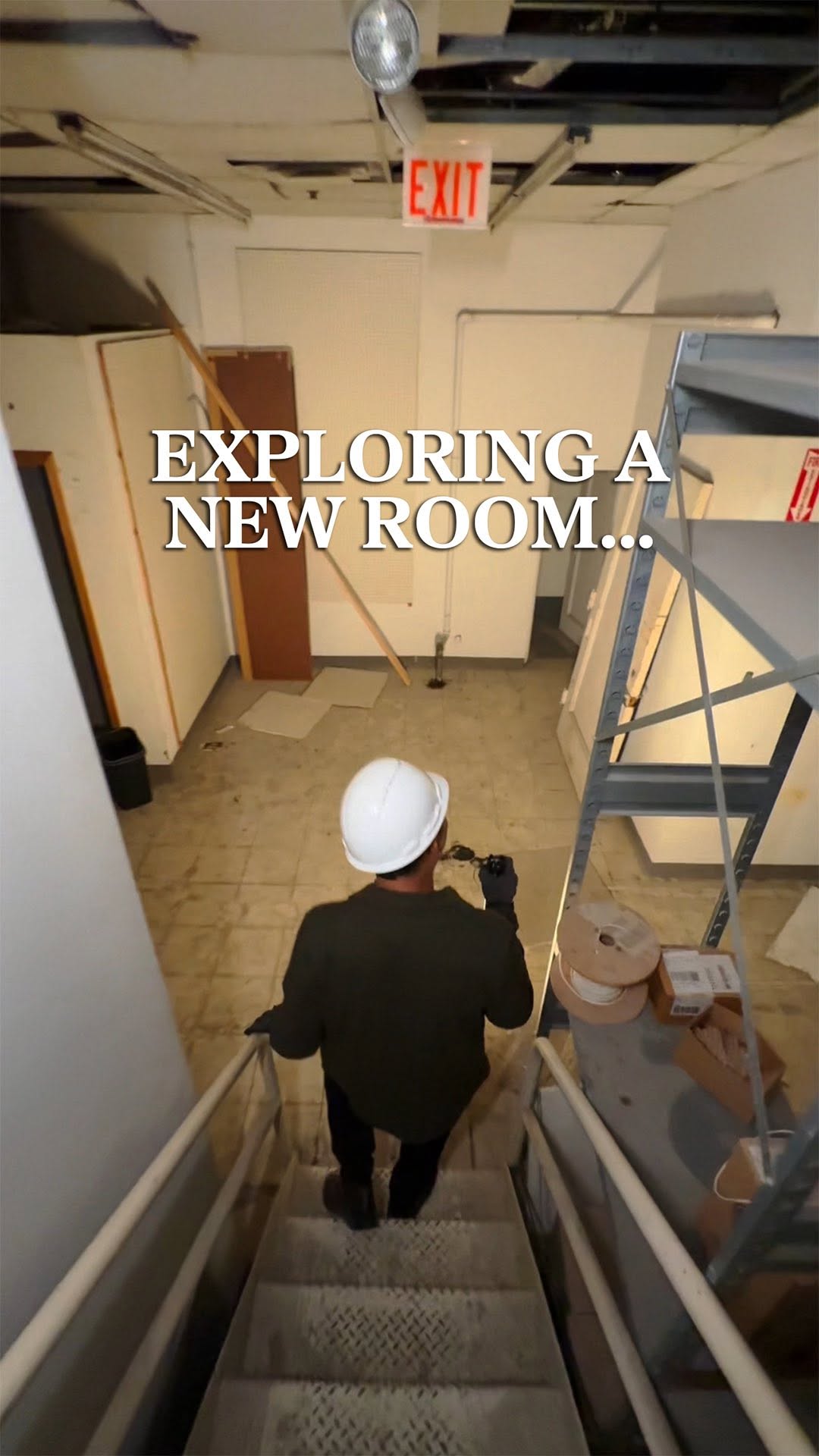
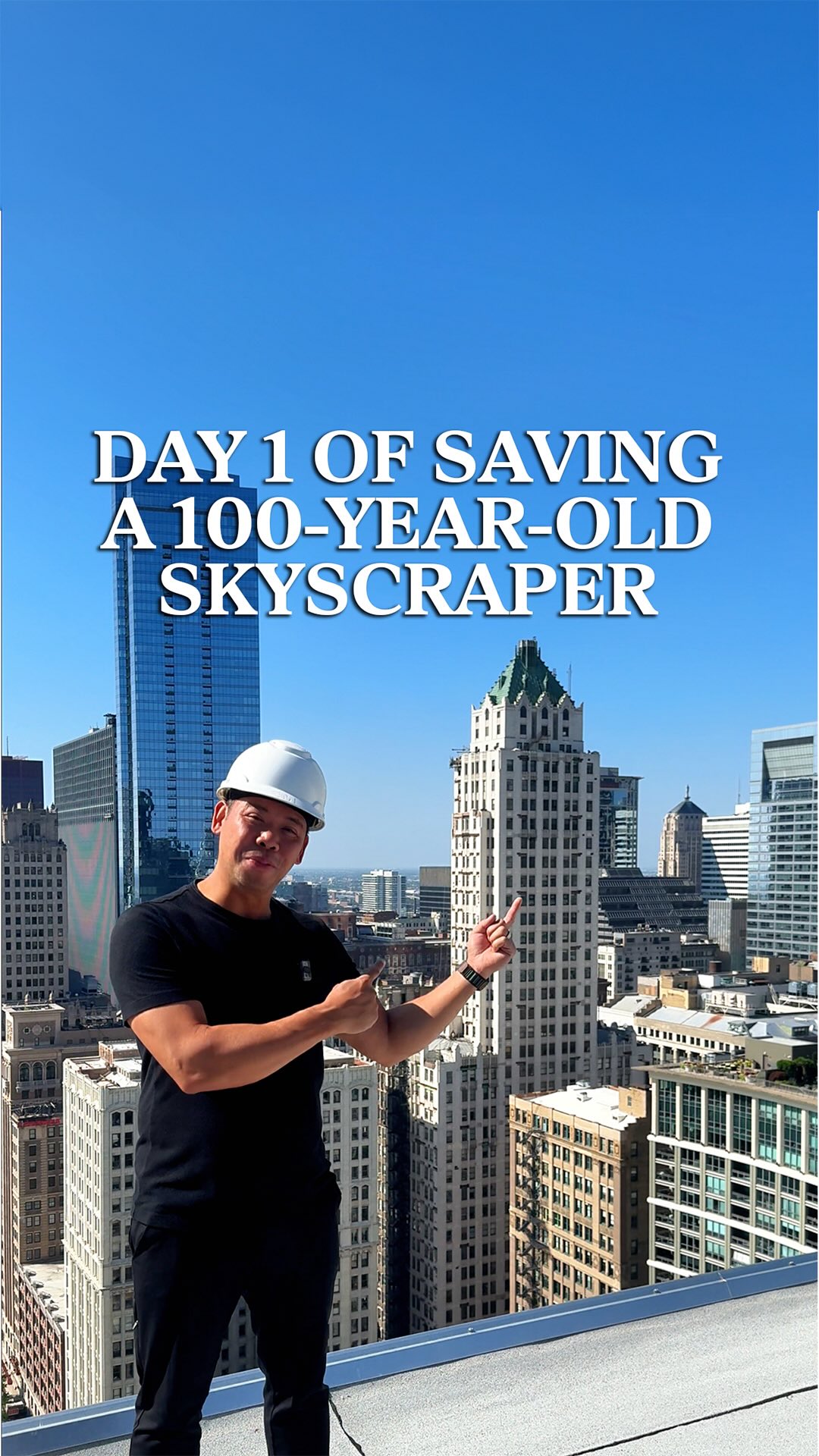
Hidden for 100 years, we found a secret room tucked away in my skyscraper’s lobby. The ornate bronze panels above our doorways looked purely decorative, but a small hinge revealed their true purpose. Crawling through the narrow hatch, we stepped into a space frozen in time. Dust covered everything, including a gear box untouched for a century. Cleaning the nameplate revealed it was a patented piece of technology from 1888, part of Theophilus Van Kannel’s revolving door invention. That’s when we realized this hidden chamber was an access hatch for the skyscraper’s revolving doors. Built during the height of 1920s Art Deco, it is mind-blowing that these bronze panels were not just beautiful decoration but also a fully functional design feature.
Transcript
We found a secret hatch. Let's find out where it goes. Making your way through my skyscraper's lobby, you might notice these decorative panels or at least we thought they were just decorative. Looking closer, we no this hinge revealing that this panel is actually a functioning design element. Skyscraper, better none with an entrance as fancy as this. After narrowly avoiding decapitation, we finally made it inside. But where are we exactly? Searching around, we spot two lights set into the wooden boards beneath our feet. Upon closer inspection, we came across this old gearbox. Let's see what this nameplate says. Brushing back a hundred years of dust, the words finally come into focus. International Rank No speed control. Next to the gearbox, a faint glow catches our eye. If you yes that our secret hatch led to a forgotten access chamber from my skyscraper's revolving doors, you'd be correct. Exploring the space more, our eyes landed on a steel beam stamped Pittsfield Building, a piece of history unseen by most for nearly a century.