@fineasjackson
Instagram · Talking Head Edit
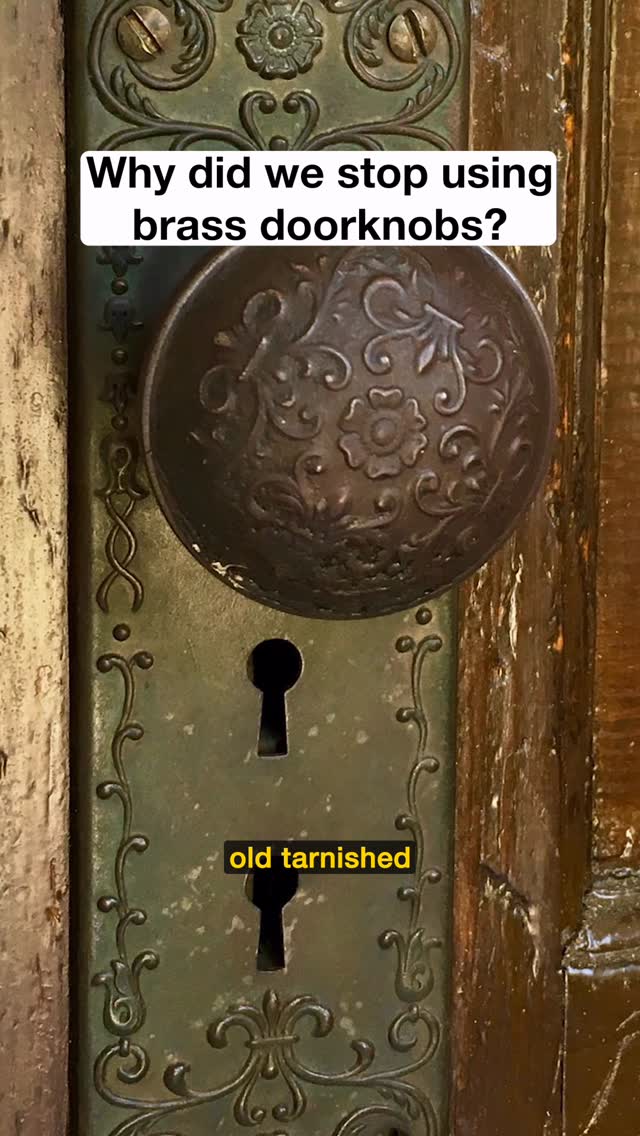
@fineasjackson It looks like dirt, but it’s not. The hidden reason old doorknobs were made of brass…

@fineasjackson
Instagram · Talking Head Edit
@fineasjackson It looks like dirt, but it’s not. The hidden reason old doorknobs were made of brass…
Performance
Video #30016 · Talking Head Edit
[01]
The creator explains the forgotten scientific reason for using brass doorknobs, detailing how the copper in the alloy has a natural antimicrobial effect that kills germs. He contrasts this with modern stainless steel handles, which look cleaner but harbor bacteria, and warns against lacquering or polishing old brass, as it negates this protective quality.
[02]
[03]
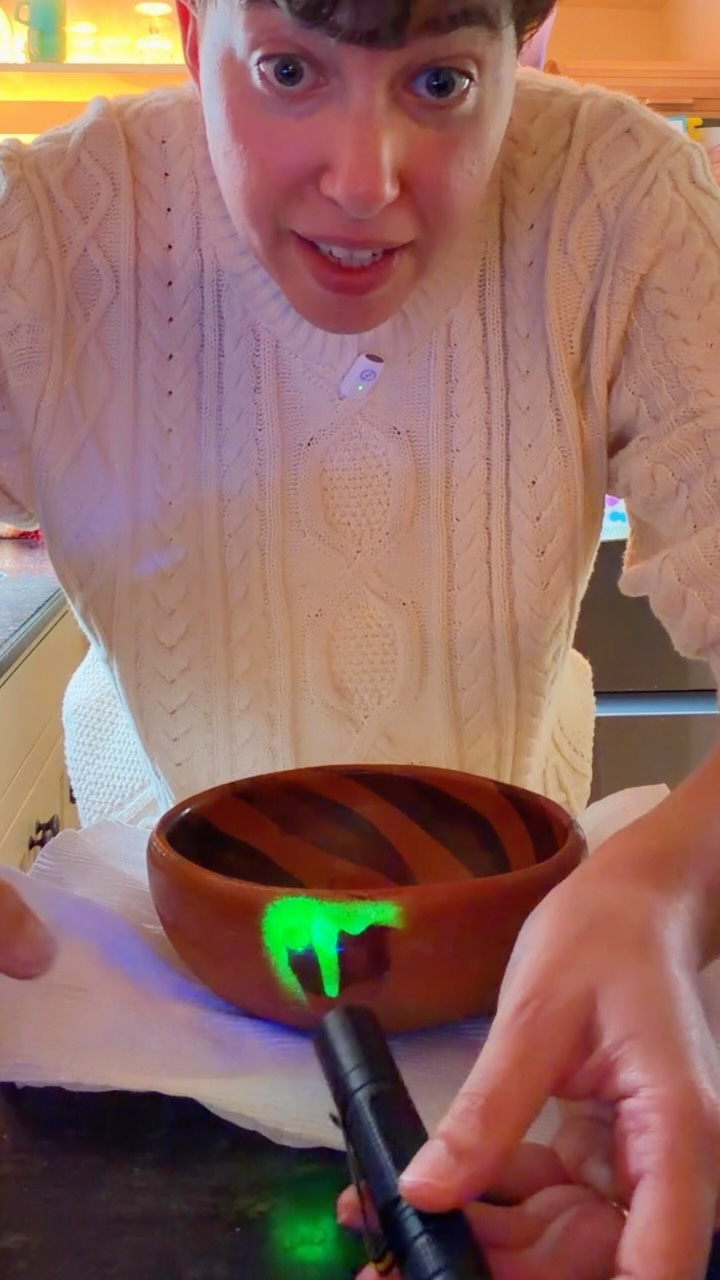 405.6K15.4×Demonstrating lead in traditional pottery@the.lead.lady · Public Service Announcement
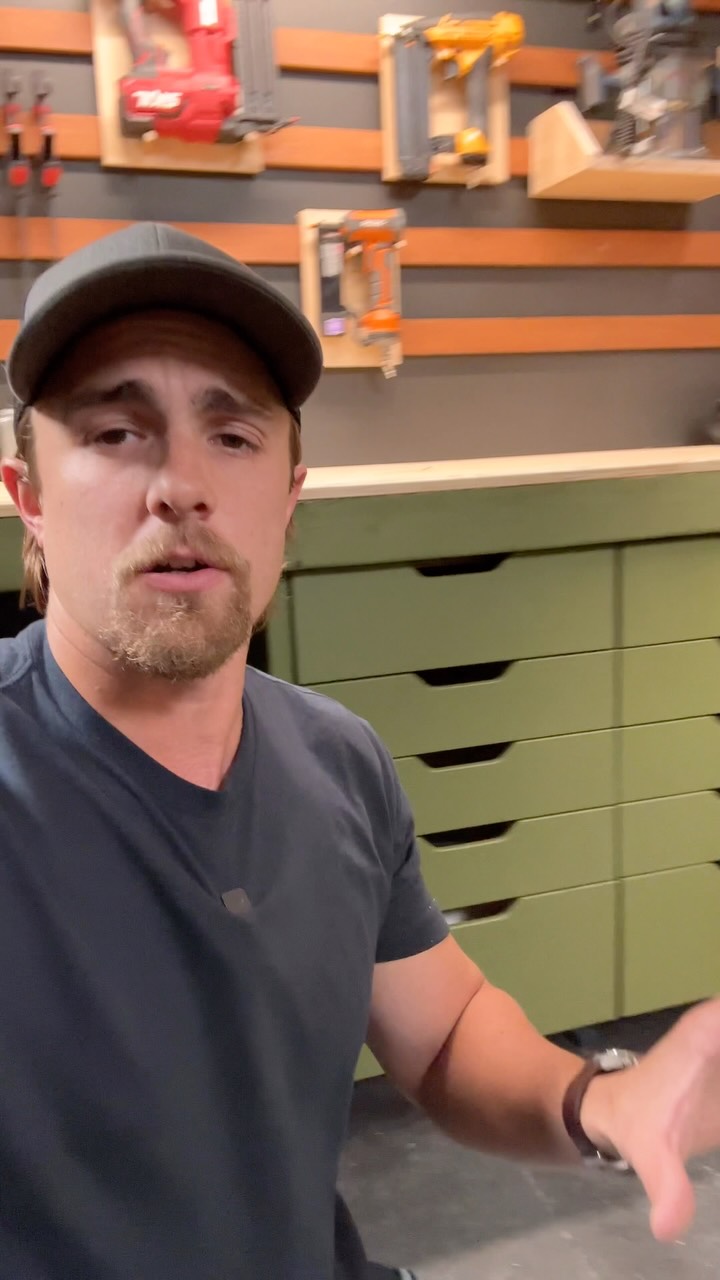 173.2K48.2×Showcasing custom workshop drawer build@guardianwoodworking · Show and Tell
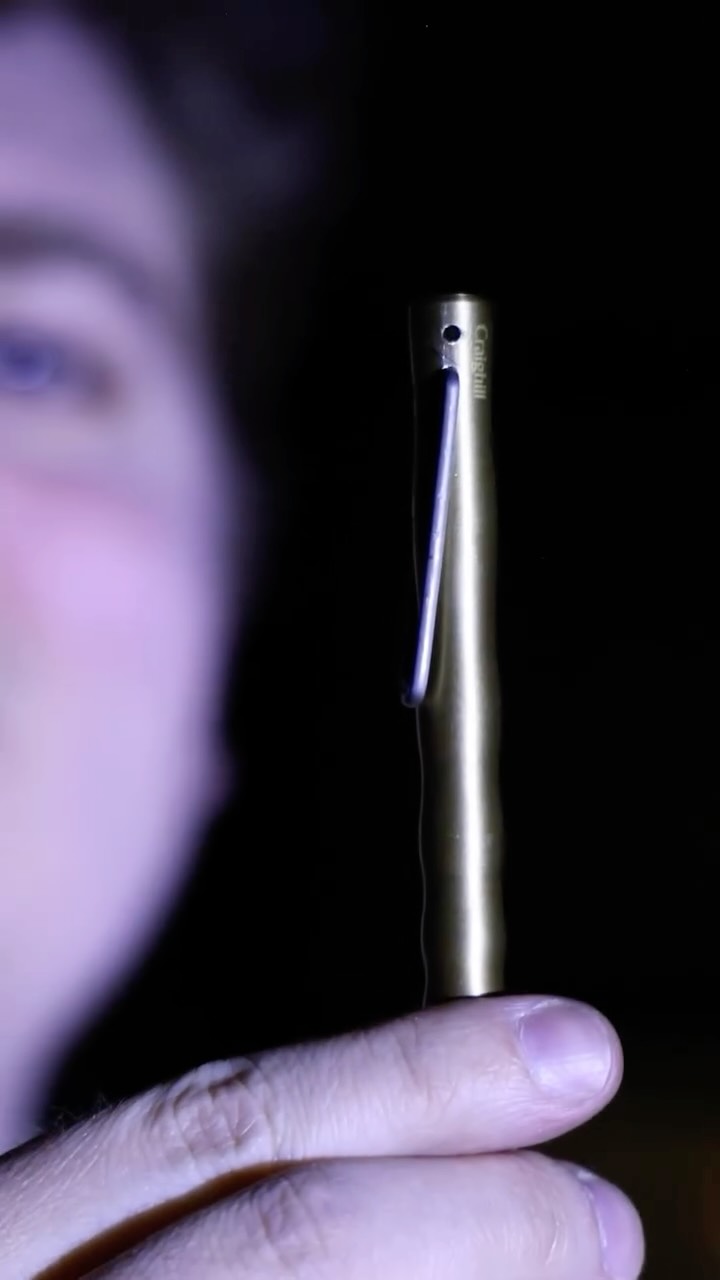 7.8M1.4×Explains engineering behind pen clips@craighillcompany · Origin Story
 756K10.6×Product origin story with history@fineasjackson · Origin Story
 3.5MDraft angles explained using physical examples@craighillcompany · Breakdown
 125.8K161.3×Explaining product design iterations@bomtrace · Process
 3.7MDesigner explains slip joint mechanism mechanics@craighillcompany · Breakdown
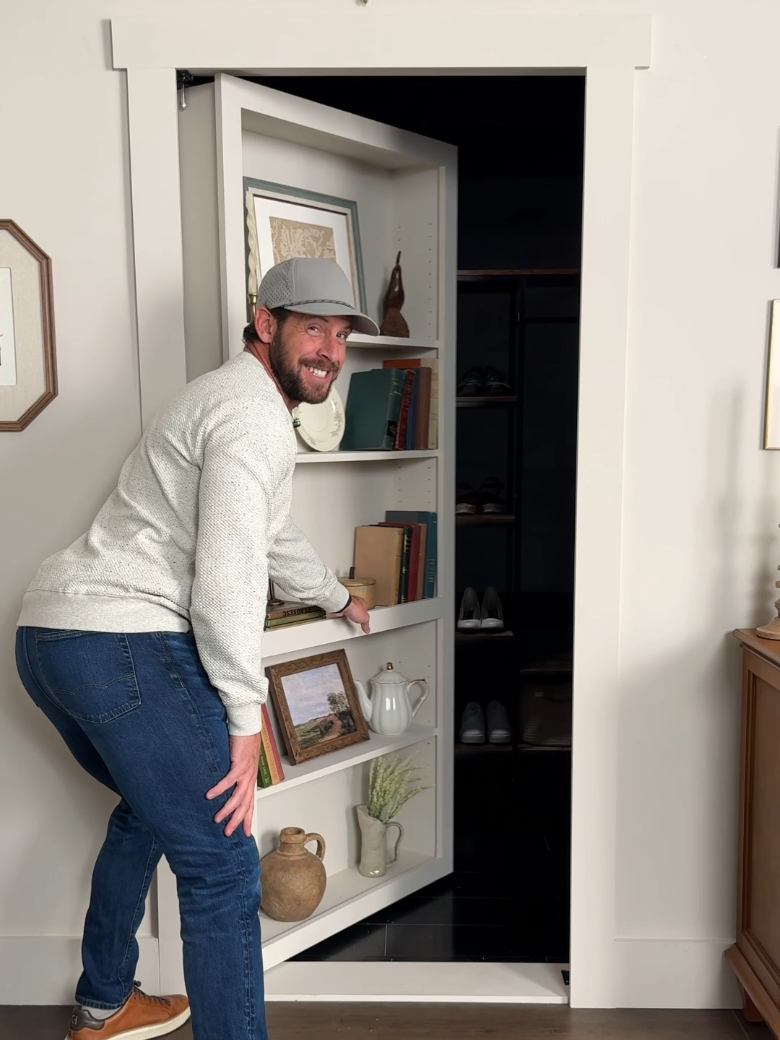 306.6KComparing two hidden bookcase doors@murphydoorinc · Good vs Bad
 816.9K325.9×Comparing three hidden door options@murphydoorinc · Breakdown
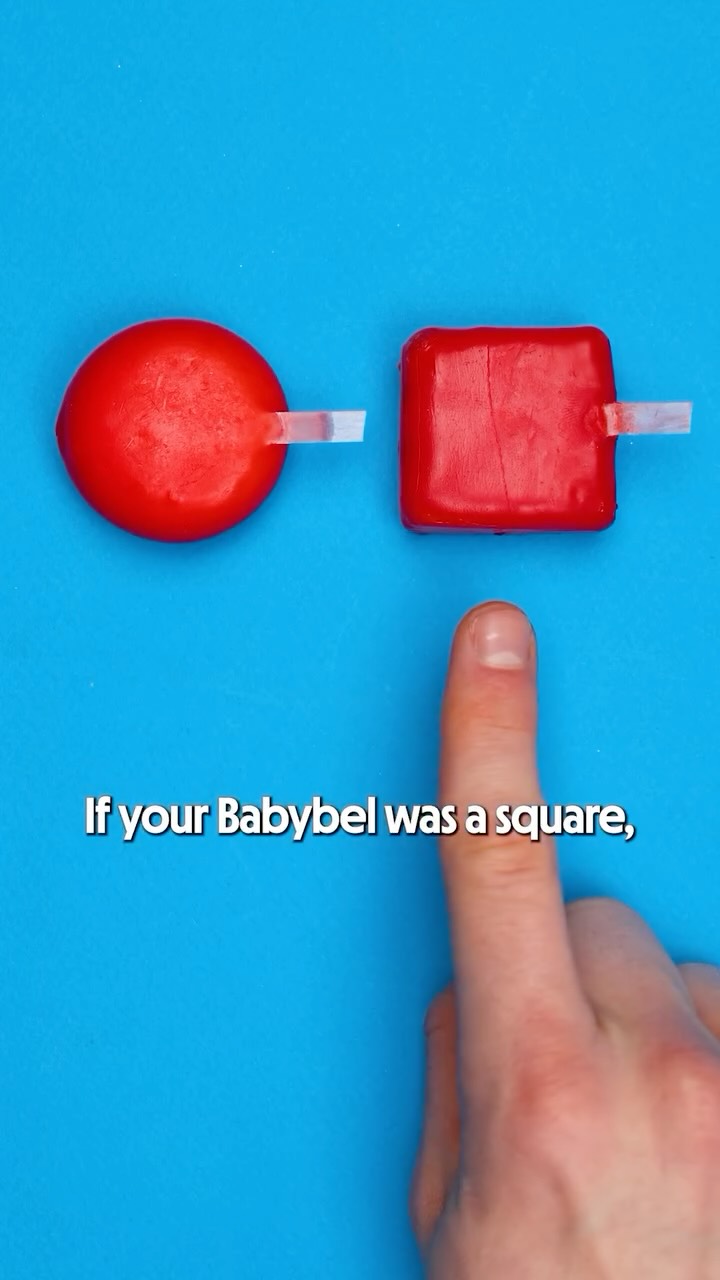 36.5M1.9×Design lesson using square Babybel@craighillcompany · Physical Analogy Explainer
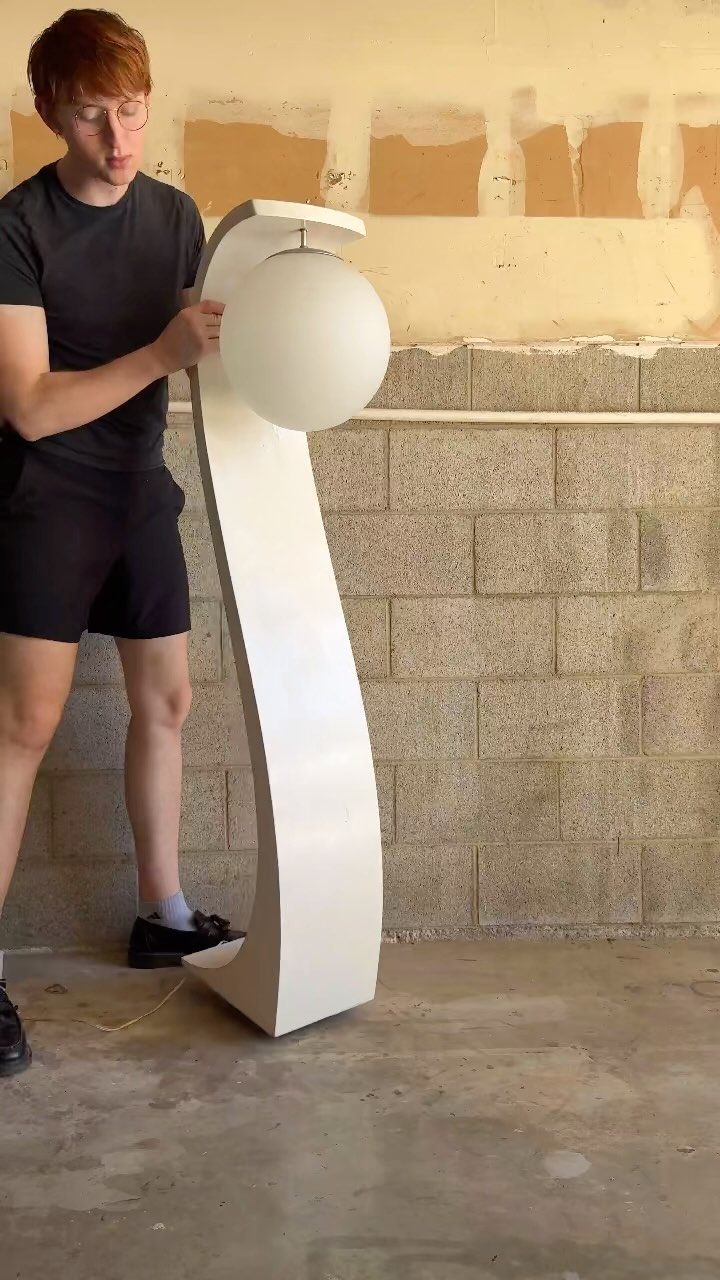 1.4M11.9×DIY lamp restoration start to finish@kylewilliamdesign · Before/After Transformation
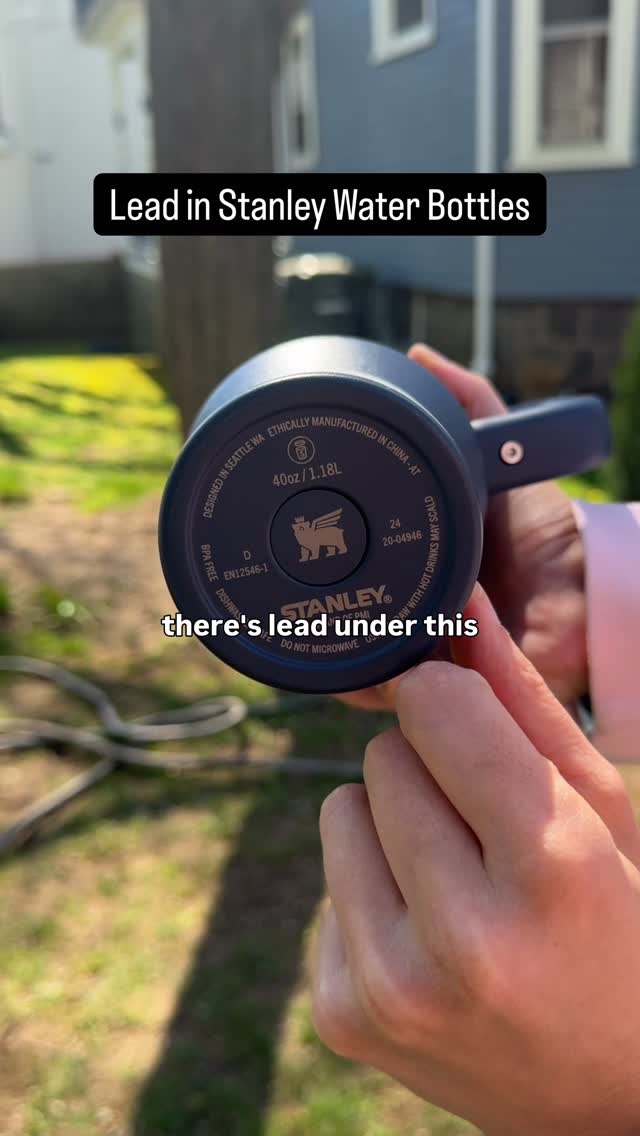 1.9M3.7×Smashing Stanley cup for lead test@the.lead.lady · Challenge
[04]
[05]
What stops the scroll in the first 3 seconds
Title hook · 60%
Why did we stop using brass doorknobs?
Verbal hook · 35%
So look at this old tarnished doorknob.
Visual hook · 5%
An extreme close-up shot of an ornate, dark, tarnished antique doorknob, highlighting its intricate patterns and aged texture.
[06]
Steal this for your own video
Why did we stop using ?
[07]
The promise the opener makes, and how the video pays it back
Hook
Introduce a familiar object or concept and highlight a perceived flaw that viewers will recognize. Then, immediately challenge that perception by reframing the flaw as a hidden feature, creating an immediate knowledge gap.
Payoff
Bring the narrative full circle by issuing a new call to action. Instruct the viewer to see the original 'flaw' not as a defect to be fixed, but as a sign of the object's hidden power at work, thus providing an enlightened and permanent new perspective.
[08]
The structural pattern this video runs on
Framework
The Lost Wisdom Framework
Re-contextualizing a common object or idea by revealing its forgotten, counterintuitive, and superior original purpose, which was abandoned due to a shift in modern values (often aesthetics over function).
The Flawed Premise
Establish a common, relatable, but incorrect assumption about an object or idea. Detail the typical negative perception and the logical (but flawed) action people take based on it.
The Paradigm Shift
Directly contradict the initial premise. State that the perceived flaw is not what it seems, but is actually evidence of a hidden, beneficial function.
The Golden Age
Provide historical context, establishing that the object/idea was once the standard, implying a time when its value was widely understood.
The Lost Knowledge
Attribute the past prevalence to intentional, superior knowledge held by our predecessors, framing it not as a stylistic choice but as a functional one.
The 'How It Works' Deep Dive
Explain the underlying scientific or mechanical principle that gives the object/idea its hidden power. Use simple analogies and visuals to make the complex understandable.
The Great Decline
Narrate the historical turning point where the superior method was abandoned. Attribute this shift to the rise of a competing, aesthetically pleasing but functionally inferior alternative.
The Unseen Danger
Reveal the negative consequences of adopting the modern, 'cleaner' alternative, proving that it is objectively worse from a functional standpoint.
The Modern Self-Sabotage
Show how even when modern people attempt to use the old method, they often unknowingly neutralize its benefits due to the same aesthetic-driven ignorance that led to its decline.
It looks like dirt, but it’s not. The hidden reason old doorknobs were made of brass…
title · beginning
Why did we stop using brass doorknobs?
branding · middle
"Chasing Beauty" Episode 48
So look at this old tarnished doorknob. It seems dull. It looks dirty. If you moved into an older house, your first instinct might be to polish it or rip it out entirely and replace it with a matte black or stainless steel handle. But that dark cloudy finish isn't dirt. It's proof that the handle has been protecting every hand that's ever touched it. This is Chasing Best episode 48 and today we're looking at the invisible engineering we erased from our homes. For decades, heavy unlacquered brass was the standard for doorknobs, push plates and handrails. We assume today that this was just a Victorian style choice. But our great grandparents weren't just decorating. They knew what this metal did. Brass is an alloy of copper and rank, and copper has a property called the oligodynamic effect. When bacteria or viruses land on unlacquered brass, copper releases ions that breaks them down. Within a few hours, they're dead. The surface essentially sterilizes itself between every hand that touches it. And this wasn't a secret. Before antibiotics, hospitals deliberately spec'd out high touch surfaces with brass. Think bed rails, door handles, instrument trays. But in the mid twentieth century, our tastes shifted. Stainless steel and aluminum came in. They were cheaper, better, and crucially, they stayed shiny. They looked clean. So best stripped the brass tier, replaced it with stainless steel and cheap painted metals. But the problem is that bacteria can survive on stainless steel for days, sometimes weeks. Every hand that touches that shiny handle picks up whatever the last hand left behind. The services that good the cleanest worse doing the best. And even worse, when people do buy brass handles today, they often get them lacquered. That means coated in a thin layer of plastic no that the handle itself doesn't tarnish. The problem is that plastic seals off the copper entirely. It stops the metal from doing anything at all. Now the next time you walk into an old house and see a dark cloudy brass handle that looks like it hasn't been cleaned in decades, don't polish it. That tarnish is the metal reacting with the oil and microbes on every hand that's turned it.