@craighillcompany
Instagram · Talking Head Edit
@craighillcompany We love slip joints.

@craighillcompany
Instagram · Talking Head Edit
@craighillcompany We love slip joints.
Performance
Video #19411 · Talking Head Edit
[01]
The designer uses an oversized 3D printed model to visually demonstrate three flaws in a standard hinge design before introducing the 'slip joint' as the engineering solution. He then systematically explains how this new mechanism solves each problem, comparing it to everyday tools like pocket knives to validate the design choice.
[02]
[03]
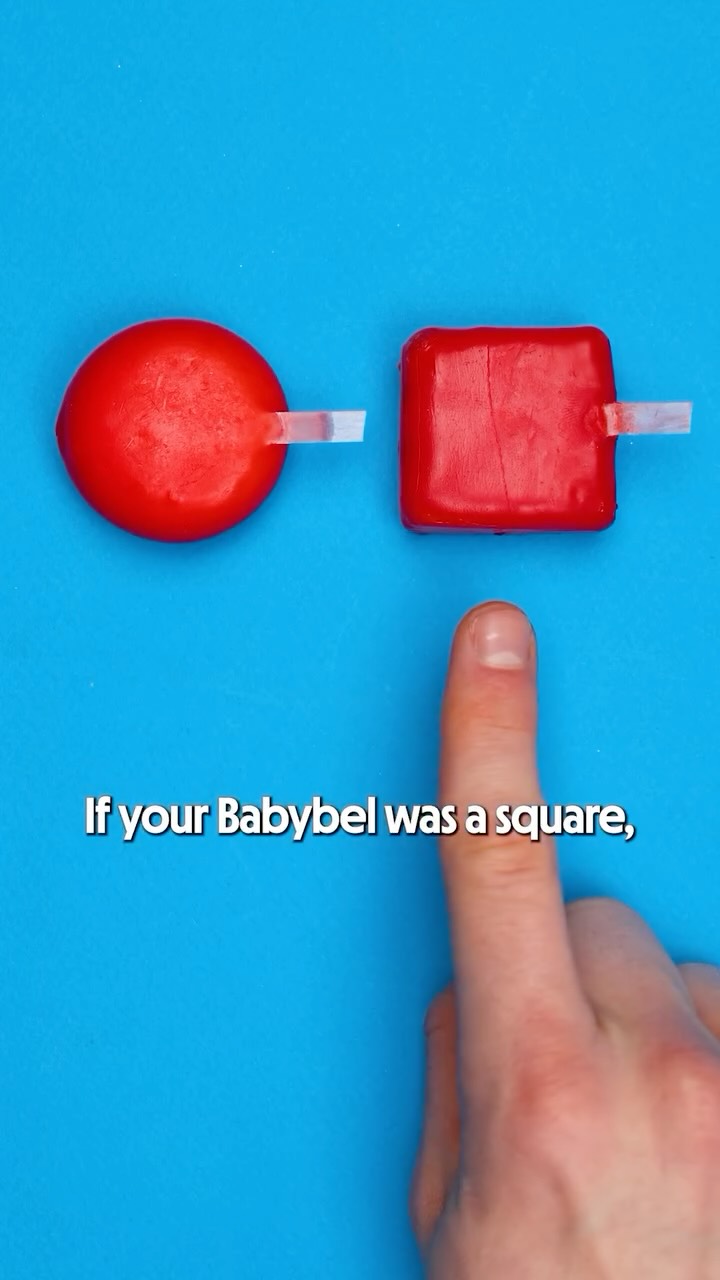 36.5M1.9×Design lesson using square Babybel@craighillcompany · Physical Analogy Explainer
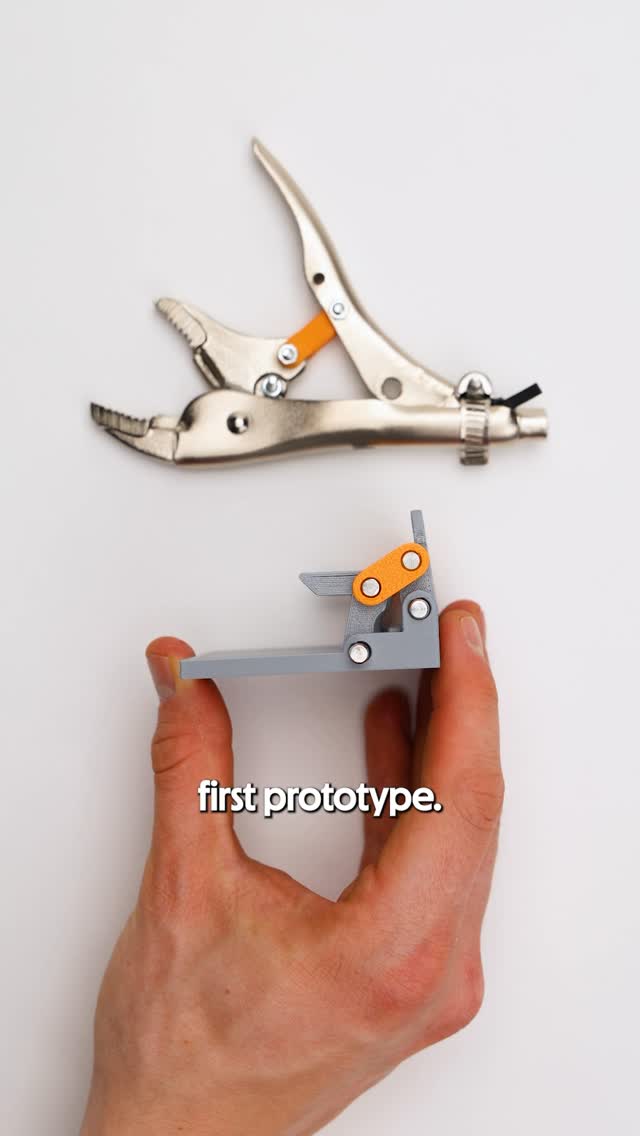 2.2M1.3×Product design problem solving process@craighillcompany · Behind The Scenes
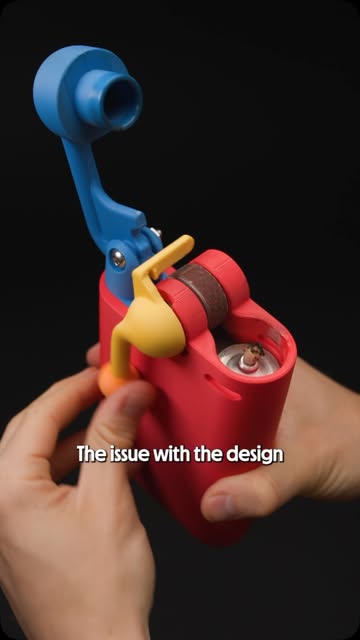 1.4M2×Lighter design problem and solution@craighillcompany · Breakdown
 7.8M1.4×Explains engineering behind pen clips@craighillcompany · Origin Story
 3.5MDraft angles explained using physical examples@craighillcompany · Breakdown
 125.8K161.3×Explaining product design iterations@bomtrace · Process
 1.4M11×How a product works, then showcase@shivam_playground · Process
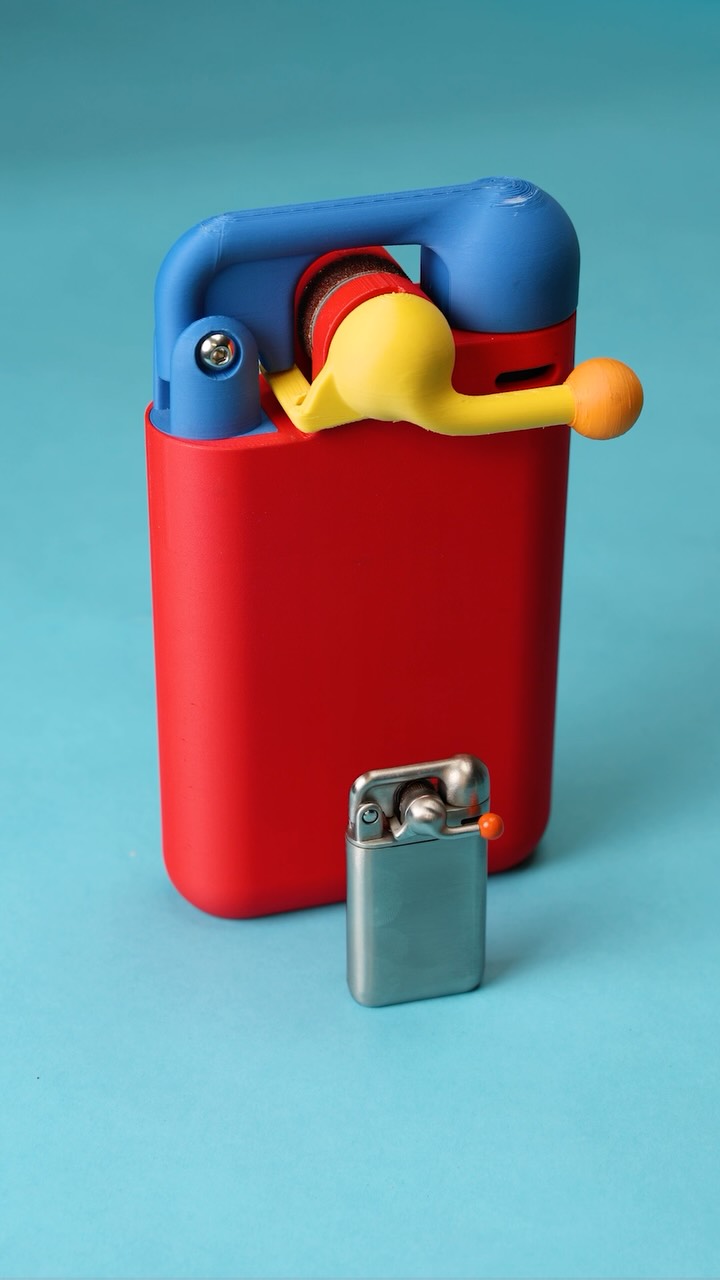 5.6M6.5×Product design process deep dive@craighillcompany · Origin Story
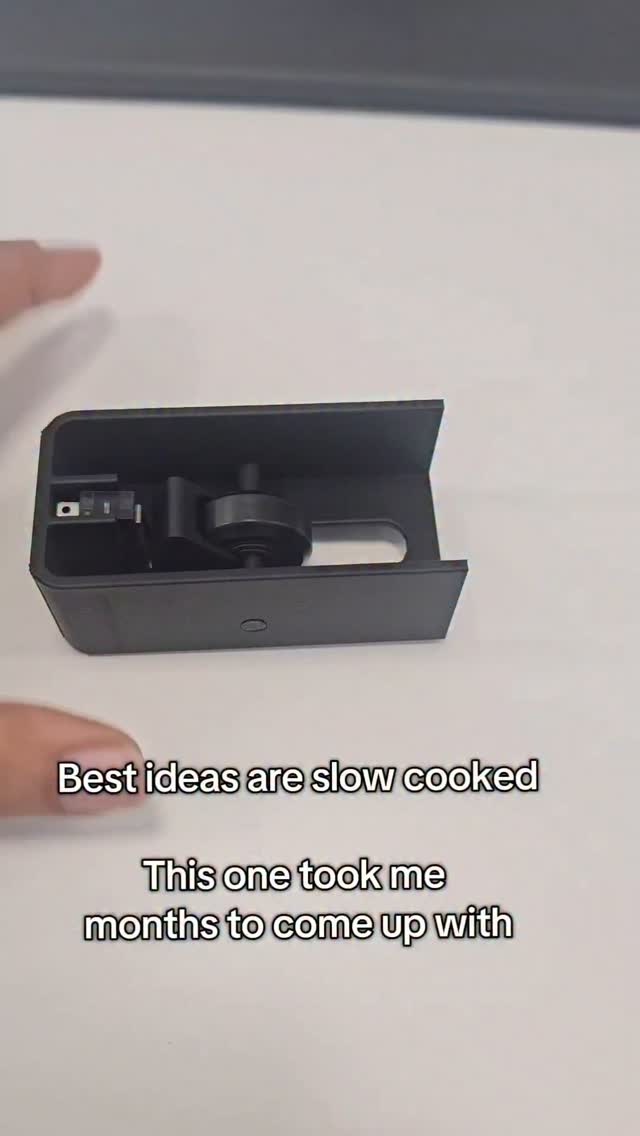 1.4M14.1×Invention process from part to whole@shivam_playground · Process
 224.7K1.7×Showing an invention's improvement@shivam_playground · Product Demo
 987.9K199×Prototype to product light reveal@shivam_playground · Before/After Transformation
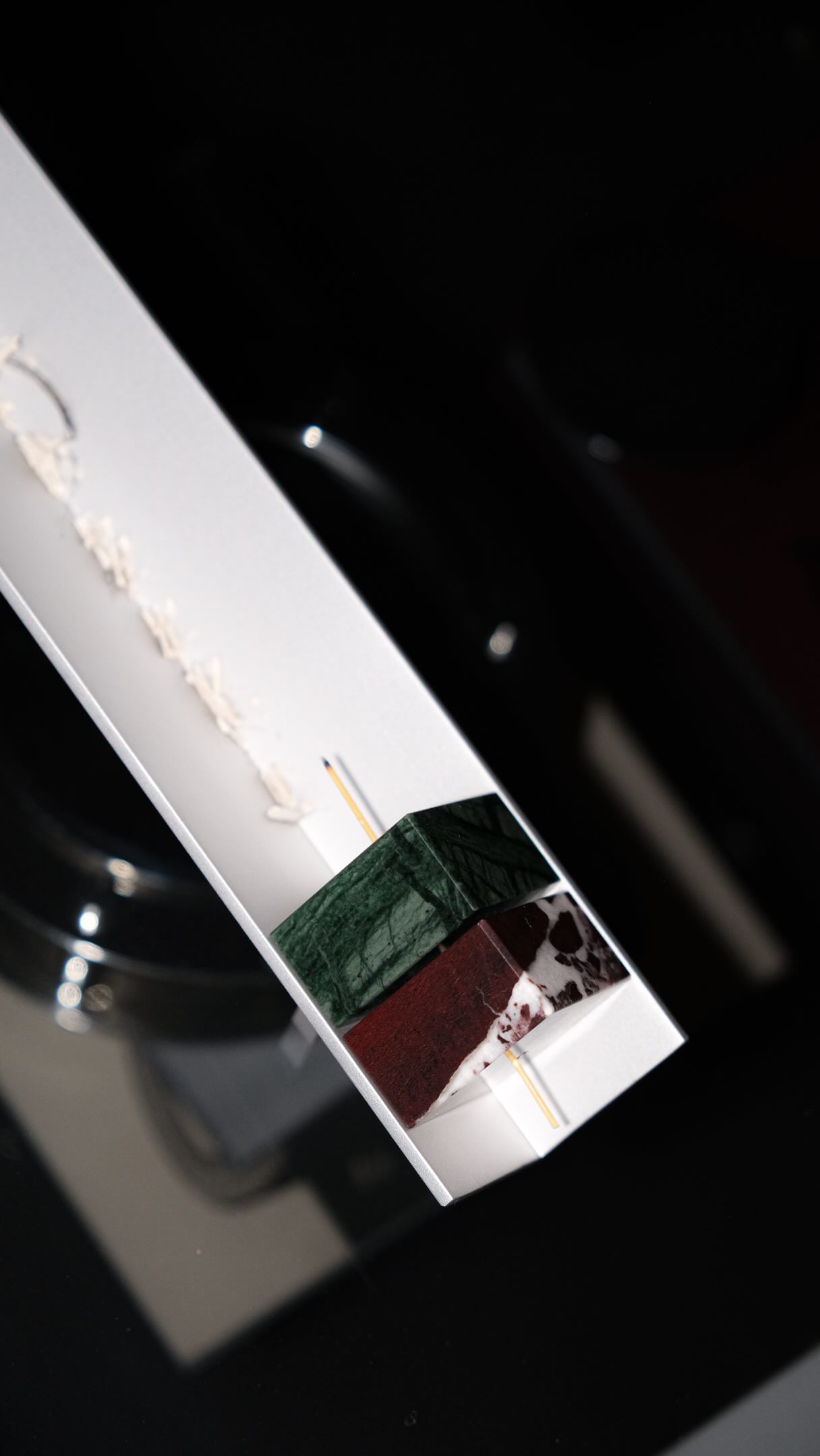 351.9K129.7×Explaining a clever product design@annakahoelkstudio · Breakdown
[04]
[05]
What stops the scroll in the first 3 seconds
Title hook · 25%
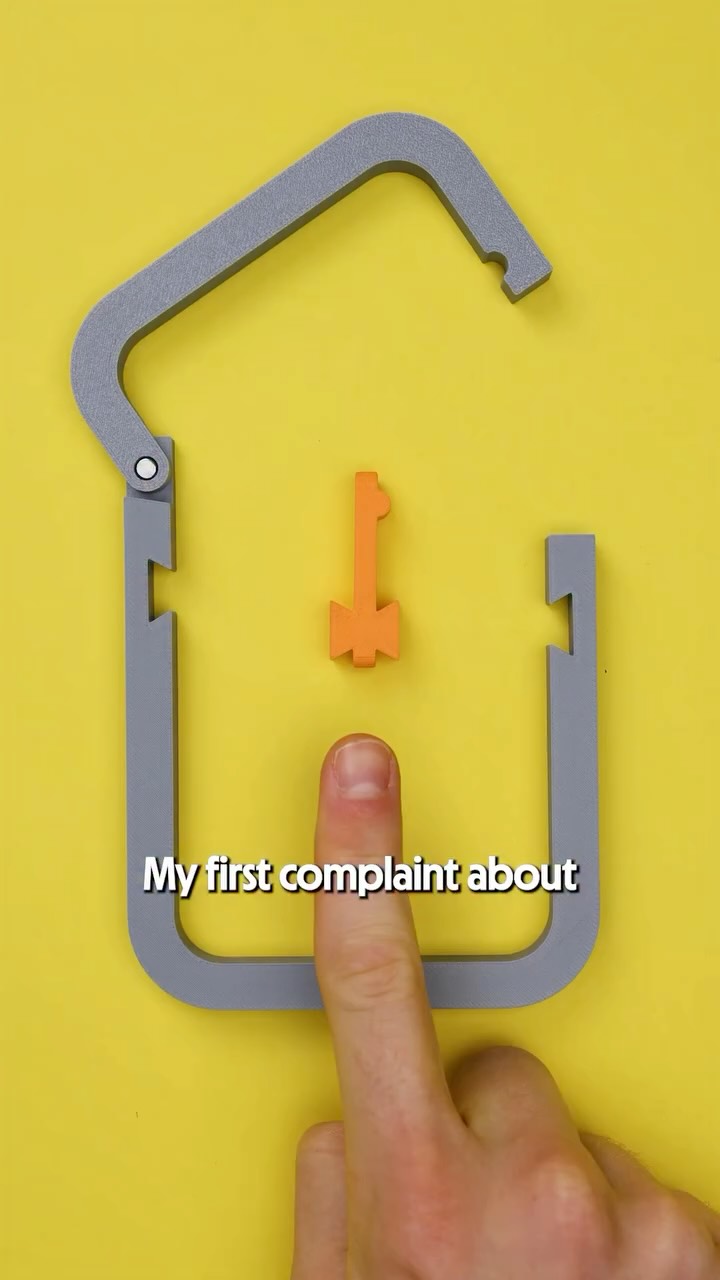
My first complaint about
Verbal hook · 35%
My first complaint about locating the closure at the front lip of the opening.
Visual hook · 40%
A large, grey and orange 3D printed hinge mechanism is manipulated against a bright yellow background, immediately establishing a visual demonstration context.
[06]
Steal this for your own video
An oversized held against a background reveals exactly what's wrong with .
[07]
The promise the opener makes, and how the video pays it back
Hook
The 'Strawman' Demo: A simplified, stripped-down visual model is used to physically demonstrate the inherent flaws of the status quo design immediately.
Payoff
The Sensory Close: Transitioning from logical problem-solving to emotional satisfaction, emphasizing the tactile pleasure and 'fidget factor' of the final result.
[08]
The structural pattern this video runs on
Framework
The Engineer's Redemption Arc
Establish a specific set of mechanical failures using a simplified model, then systematically dismantle them with a single elegant solution derived from an unexpected source.
The Friction Audit
Systematically listing exactly three distinct functional pain points (Reliability, Access, Feel) to create a specific checklist that the viewer now expects the solution to satisfy.
The Lateral Leap
Revealing that the solution wasn't found by iterating on the current design, but by analyzing a completely different product category (pocket tools) that mastered the desired interaction.
The Mechanical Unlock
A step-by-step visual tutorial using the simplified model to explain exactly how the new mechanism functions, turning a complex engineering concept into a simple visual 'aha' moment.
The Triple Resolution
Looping back to the initial 'Friction Audit' and proving, point-by-point, how the new mechanism definitively solves all three original complaints.
We love slip joints.
title · beginning
My first complaint about
contextual · beginning
locating the closure
contextual · beginning
at the front lip of the opening
contextual · beginning
if there's any like
contextual · beginning
wear and tear that happens
contextual · beginning
all of a sudden that lock
contextual · beginning
doesn't engage at all
title · beginning
My second complaint
contextual · beginning
it does obstruct
contextual · beginning
your access to the container
contextual · beginning
located
contextual · beginning
directly at the
contextual · beginning
most trafficked part
title · beginning
And then my third,
contextual · beginning
once you disengage this closure,
contextual · beginning
it's just a free spinning hinge
contextual · beginning
There's a possibility that it's
contextual · beginning
going to drop
contextual · beginning
pinch your finger
contextual · beginning
and so that's not good either
contextual · middle
This is the general arrangement
contextual · middle
that we used
contextual · middle
for our first
contextual · middle
generation of the
branding · middle
Summit Card Case,
contextual · middle
we wanted to find a reliable
contextual · middle
and also an elegant solution
contextual · middle
that didn't interrupt
contextual · middle
the clean unibody form
contextual · middle
Instead of looking
contextual · middle
to other
contextual · middle
traditional lidded cases,
contextual · middle
looked towards
contextual · middle
some of our favorite
contextual · middle
everyday pocket carry tools
contextual · middle
They all have this
contextual · middle
satisfying interaction
contextual · middle
and there's a
contextual · middle
common mechanism
contextual · middle
that they use
contextual · middle
to achieve that
contextual · middle
let me try to explain
contextual · middle
If we relocate
contextual · middle
this closing force
contextual · middle
move that over
contextual · middle
to the hinge side,
contextual · middle
it does nothing.
contextual · middle
But if you also
contextual · middle
make a small change
contextual · middle
to the top part of the hinge,
contextual · middle
it creates
informational · middle
a slip joint :)
contextual · middle
it's very similar to the one
contextual · middle
on your typical multi-tool
contextual · middle
and it all of a sudden
informational · middle
solves all three of the problems
contextual · middle
that I was griping about earlier
title · middle
First,
informational · middle
it's a more resilient mechanism,
contextual · middle
if there's any like
contextual · middle
wear and tear that happens
contextual · middle
it doesn't actually impact the
contextual · middle
closing mechanism in any way
title · middle
The second thing it solves
contextual · middle
is there's no longer this
contextual · middle
obstruction that is
contextual · middle
directly in line
contextual · middle
with how you're going
contextual · middle
to access the container
title · end
The third
contextual · end
and I think most important,
informational · end
it's not floppy anymore
contextual · end
As you start to open it,
contextual · end
that bulge is pushing
contextual · end
the leaf spring out of the way
contextual · end
and once you get past that
contextual · end
45 degree mark,
contextual · end
the assembly wants to push it
contextual · end
into the next position
contextual · end
and you have this second
informational · end
stable position
contextual · end
Not only is it not gonna
contextual · end
accidentally fall shut
contextual · end
on your finger
contextual · end
and so that's not good either
contextual · end
but it is just such
informational · end
a satisfying interaction
contextual · end
I like honestly
contextual · end
love slip joints
contextual · end
and I would like to use them
My first complaint about locating the closure at the front lip of the opening. If there's rank, like, wear and tear that happens, all of a sudden that lock doesn't engage at all. My second complaint, it does obstruct your access to the container located directly at the most trafficked part. And then my third, once you disengage this closure, it's just a free spin and hidden. There's this possibility that it's gonna, like, drop pinch your finger, and so that's not good either. This is the general arrangement that we yes for our first generation of the semi card case. We wanted to find a reliable and also an elegant solution that didn't interrupt tier clean unibody form. Instead of looking to other traditional limited cases, looked towards some of our favorite everyday pocket carry tools. They all have this satisfying interaction and there's a common mechanism that they use to achieve that. Let me try to explain. If we relocate this closing force, move that over to the hinge side, it does nothing. But if you also make a small change to the top part of the hinge, it creates a slip joint. It's very similar to the one on your typical multi tool, and it all of a sudden solves all three of the problems that I was craving about earlier. First, it's a more resilient mechanism. If there's any, like, wear and tear that happens, it doesn't actually impact the closing mechanism in any way. The second thing it solves is there's no longer this obstruction that is directly in line with how you're gonna access the container. The third, and I think most important, is not floppy anymore. As you start to open it, that bulge is pushing the leaf spring out of the way. And once you get past that 45 degree mark, the assembly wants to push it into the next position, and you have the second stable position. Not only is it not gonna accidentally fall shut on your fingers, but it is just such a satisfying interaction. I, like, honestly love silk joints, and, like, I would like to use them in all of our products.