@morganhoong
Instagram · Yap
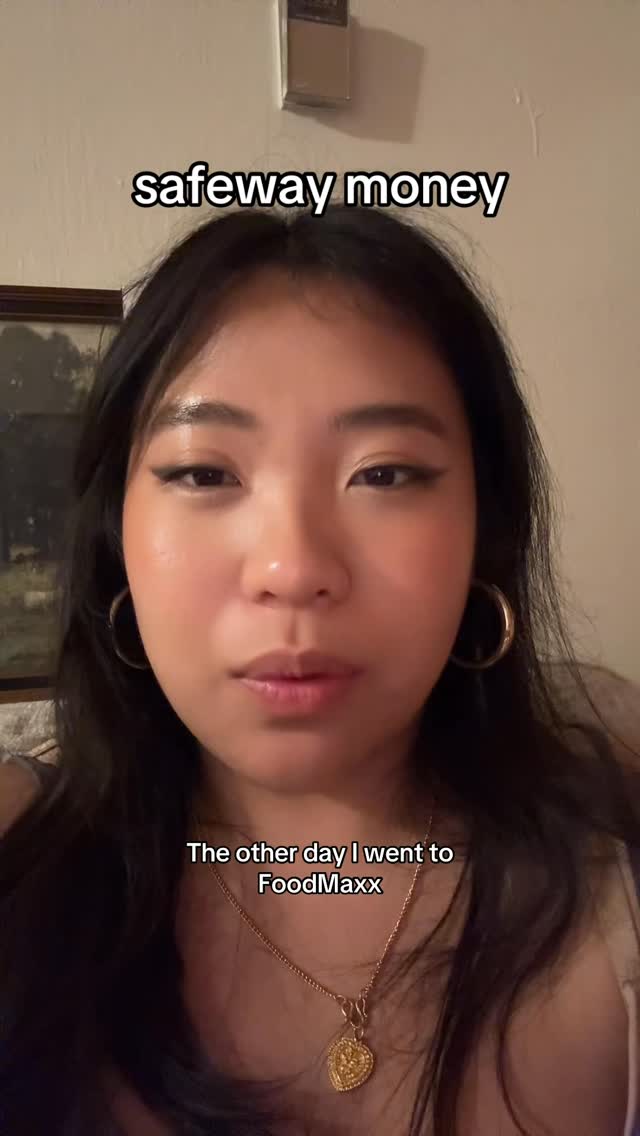
@morganhoong nichely poor in california lets see who’s fyp this ends up on #bayarea

@morganhoong
Instagram · Yap
@morganhoong nichely poor in california lets see who’s fyp this ends up on #bayarea
Performance
Video #30973 · Yap
[01]
The creator recounts a recent experience where she was turned away from a budget grocery store (FoodMaxx) and directed to a more expensive one (Safeway). This prompts a humorous rant about not having "Safeway money," asserting she would never shop there even as a millionaire. She concludes by sharing her past misconception that Trader Joe's was also too expensive, highlighting the role of brand perception in her shopping habits.
[02]
[03]
 693K64.9×Anxious thoughts at the grocery store@1stvows · Anecdotal Philosophy
 3.7M1.9×Creator critiques out-of-touch influencer.@daadisnacks · Reaction
 222.7KRead caption for Costco secrets@carollindaallen_9249 · Read Caption
 180K1.6×Satirical life hack for groceries@oikirkybruz · Satirical Advice
 517.4K12.2×Rant about feeling old shopping@sarahhguerra_ · Relatable Skit
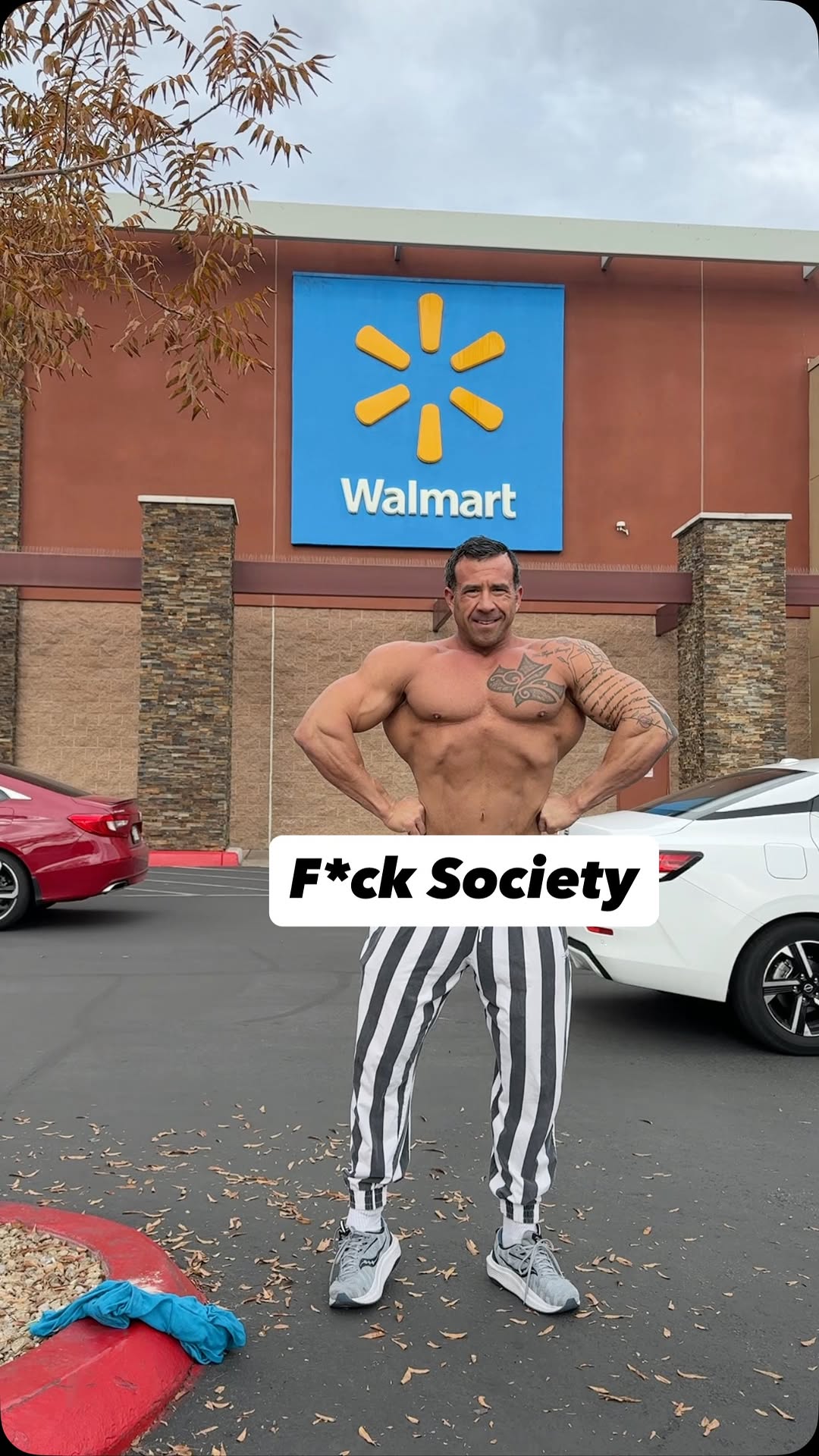 222.9KBodybuilder vlogs chaotic Walmart shopping trip@danielcoffeen3 · Day In The Life
 3.1M13.7×Dramatic reaction to brand collaboration@itskatesteinberg · Skit
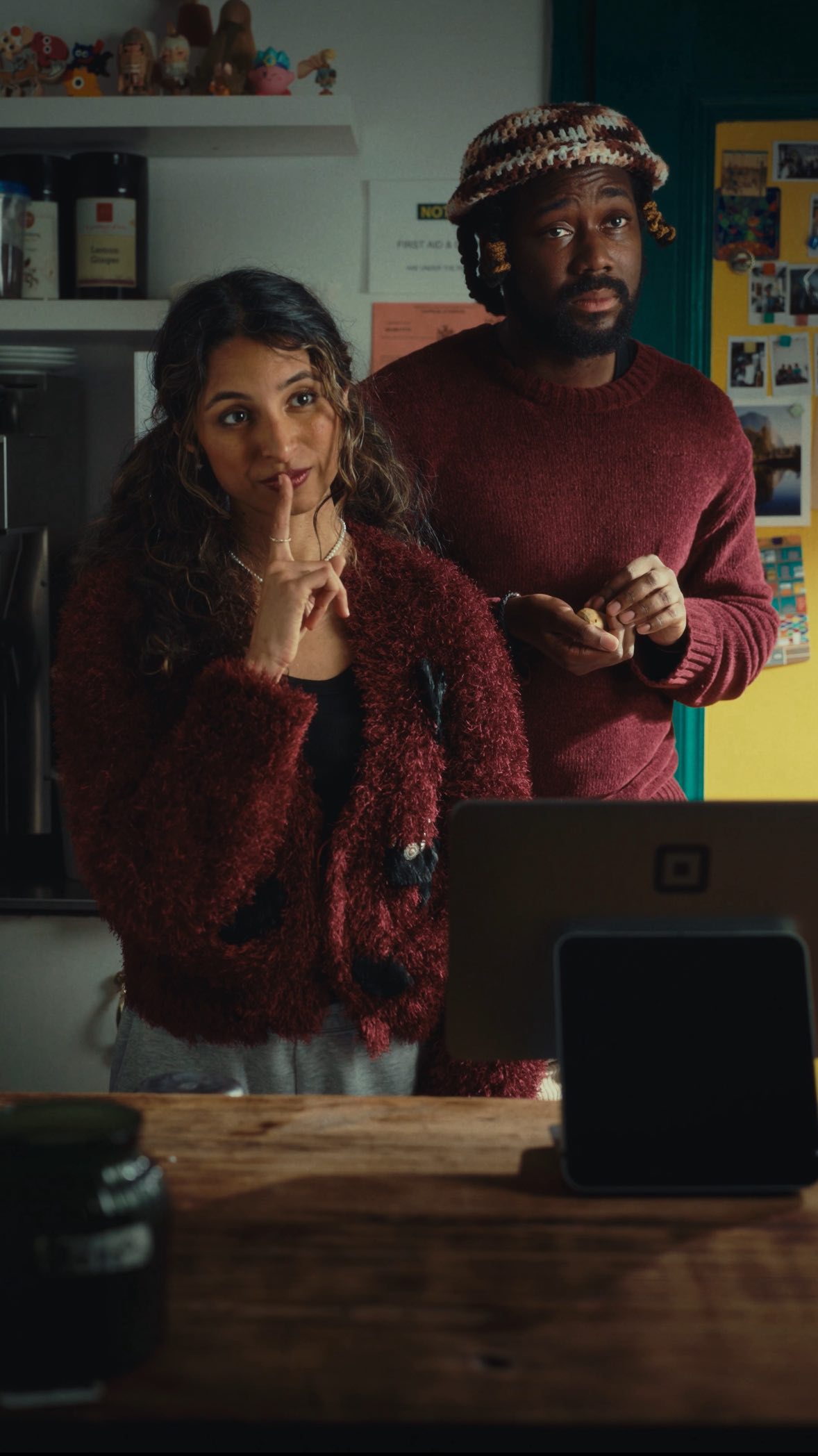 434.3KSatirical skit about local shopping@bkcoffeeshop · Stereotype Satire
 196.1KSkit explains credit card fees@npr · Skit
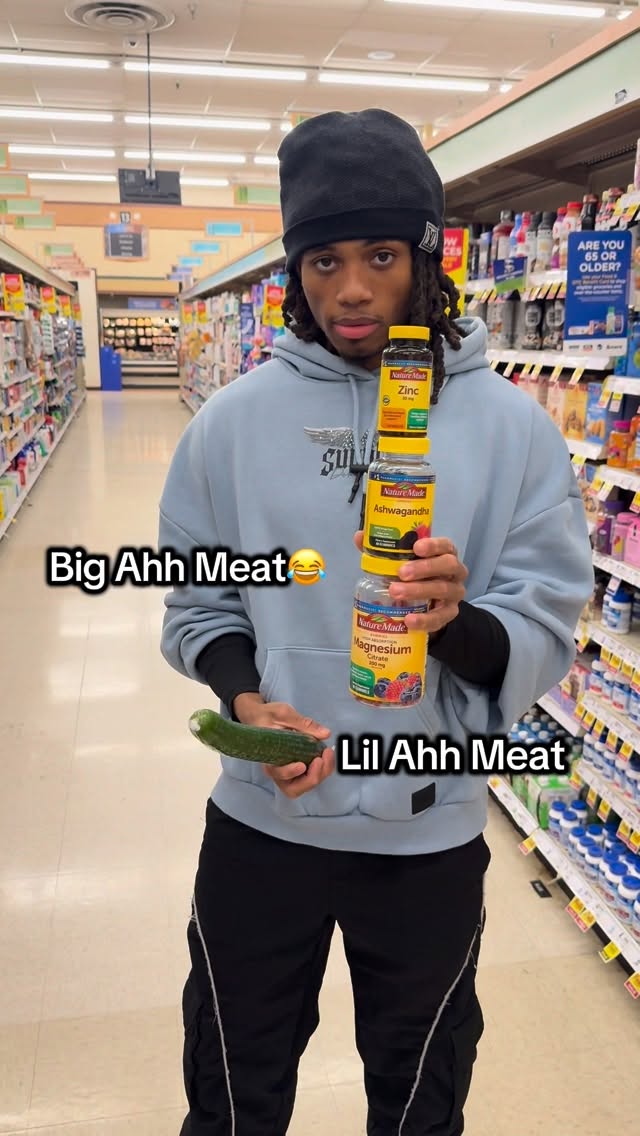 2.1M124.9×Repetitive big vs small comparison@rello_2xx · Good vs Bad
 7.4M31.4×Satirical CEO pitches delivery service@lifeisaloha · Satirical Product Pitch
 429.3K21.5×Price comparison joke with food@peytonknight · Relatable One Shot
[04]
[05]
What stops the scroll in the first 3 seconds
Title hook · 60%
safeway money
Verbal hook · 40%
The other day I went to FoodMaxx at 11 PM for groceries...
Visual hook
A close-up, direct-to-camera shot of the creator speaking with a serious expression, establishing an intimate and conversational tone.
[06]
Steal this for your own video
I don't have money. I have money.
[07]
The promise the opener makes, and how the video pays it back
Hook
Begins with a calm, mundane anecdote about a common activity, creating a low-stakes, relatable entry point for the viewer.
Payoff
The Confessional Coda: The narrator concludes with a self-deprecating admission of a past misconception or blind spot that further reinforces the depth of their core identity, broadening the relatability and providing a final, satisfying laugh.
[08]
The structural pattern this video runs on
Framework
The Identity Rant
The video uses a simple, everyday conflict as a launchpad for a comedic, escalating rant that reveals a deeply held personal identity or worldview. The humor comes from the disproportionate emotional reaction and the hyperbole used to defend this identity.
The Mundane Setup
The narrator calmly describes a common, everyday situation (e.g., going grocery shopping late at night), grounding the story in a familiar reality.
The Inciting Suggestion
An external character offers a seemingly logical but contextually tone-deaf solution to the narrator's problem, creating the initial conflict that triggers the rant.
The Identity-Based Outrage
The narrator pivots from calm storytelling to an indignant, emotional reaction, revealing that the conflict is not about the situation itself, but about a fundamental clash of identities or values (e.g., 'I don't have X money').
The Self-Evident Proof
The narrator points to their own actions within the initial setup as undeniable proof of their stated identity, reinforcing their position and justifying their outrage.
The Hyperbolic Vow
The narrator makes an extreme, unwavering commitment to their identity, often projecting it into a hypothetical future scenario (e.g., 'even if I were a millionaire') to demonstrate its permanence.
The Re-Framed Aspiration
A punchline is delivered by defining a future 'upgraded' state (e.g., being wealthy) entirely within the confines of their already-established value system, creating a humorous and relatable contrast.
nichely poor in california lets see who’s fyp this ends up on #bayarea
title · throughout
safeway money
Other day, I went to Food Max at 11PM for groceries, and the worker outside was like, sorry. We're closed, but the Safeway down the street is still open. You're so fucking for real with me right now. Do I look like I have Safeway money? I am going to Food Max at 11PM on a weeknight. I could be a millionaire, and I'll still never fucking shop at Safeway. When I'm a millionaire, I'll just start buying the organic version of things at Foodmax. It took me three years to understand that Trader Joe's was the same price as Foodmax because I wouldn't even dare to step foot inside a Trader Joe's.