Viral Hooks
Trending short videosArtist career brand strategy analysis
A

@amandasabreah

Instagram · Talking Head Edit

@amandasabreah They told her she was too many genres. Too confusing. Couldn’t commit. She left, kept every single thing they told her to cut - and became the most awarded artist in BRIT history. Here are three things you can take from Part 1: 1. Before you change the product, try changing the frame or the articulation of it. Raye’s “product” is the same with a different frame - completely different result. 2. If your product is complex, find the simplest entry point for people to connect. For Raye it’s her subject matter - heartbreak, loneliness, desire, family. The lyrics are clear and immediate. The vocal ability and musicianship underneath are world-class. Simple door in, deep room behind it. 3. Identify and ACCEPT the right growth path for your product. Comment ‘Differ’ to get the full actionable version in your inbox. Until next time…✨🫶🏽

View original on Instagram

The edit1 shot · 2 text
Shots Text2:45

Performance

Views
333.2K
Likes
37.6K
Comments
451
Engagement
11.4%
Outlier
6.3×
Length · 7 Apr 2026
2:45

Video #32009 · Talking Head Edit

Artist career brand strategy analysisfrom @amandasabreah

[01]

Overview

The creator presents a case study on the singer Raye, starting with her backstory of being a successful songwriter who was creatively stifled by her record label. She explains how Raye left her label, embraced her unique artistic vision, and achieved massive independent success, including a record-breaking number of BRIT awards. The creator then analyzes Raye's brand strategy, discussing the importance of differentiation, the power of combining aspirational visuals with relatable themes, and the strategic trap of watering down a 'high craft' brand for mass-market appeal, concluding with advice for creators to deepen connections with their existing audience.

[02]

Simple outline

  1. 1Present a high-potential underdog.
  2. 2Detail the conflict and escape.
  3. 3Showcase explosive success.
  4. 4Reveal a counterintuitive lesson.
  5. 5Provide a new strategic path.

[03]

Related videos

[04]

Classification

Concepts
Case Study BreakdownOrigin Story
Elements
Picture-in-PictureB-Roll Cutaway

[05]

Hook analysis

What stops the scroll in the first 3 seconds

Title hook · 25%

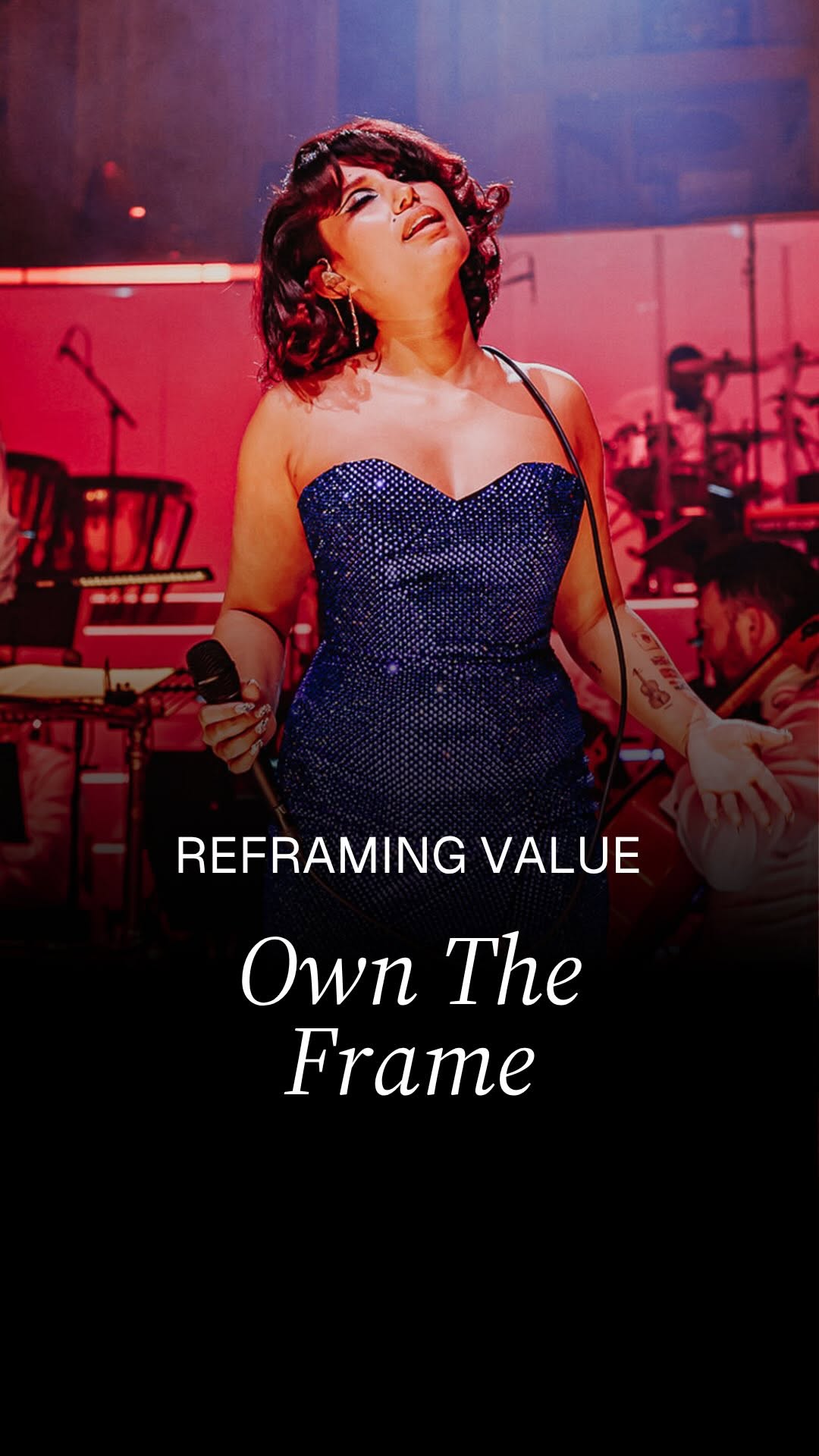
OWN THE FRAME

Verbal hook · 65%

She wrote songs for Beyoncé, Rihanna and John Legend and still couldn't get her own label to let her release an album.

Visual hook · 10%

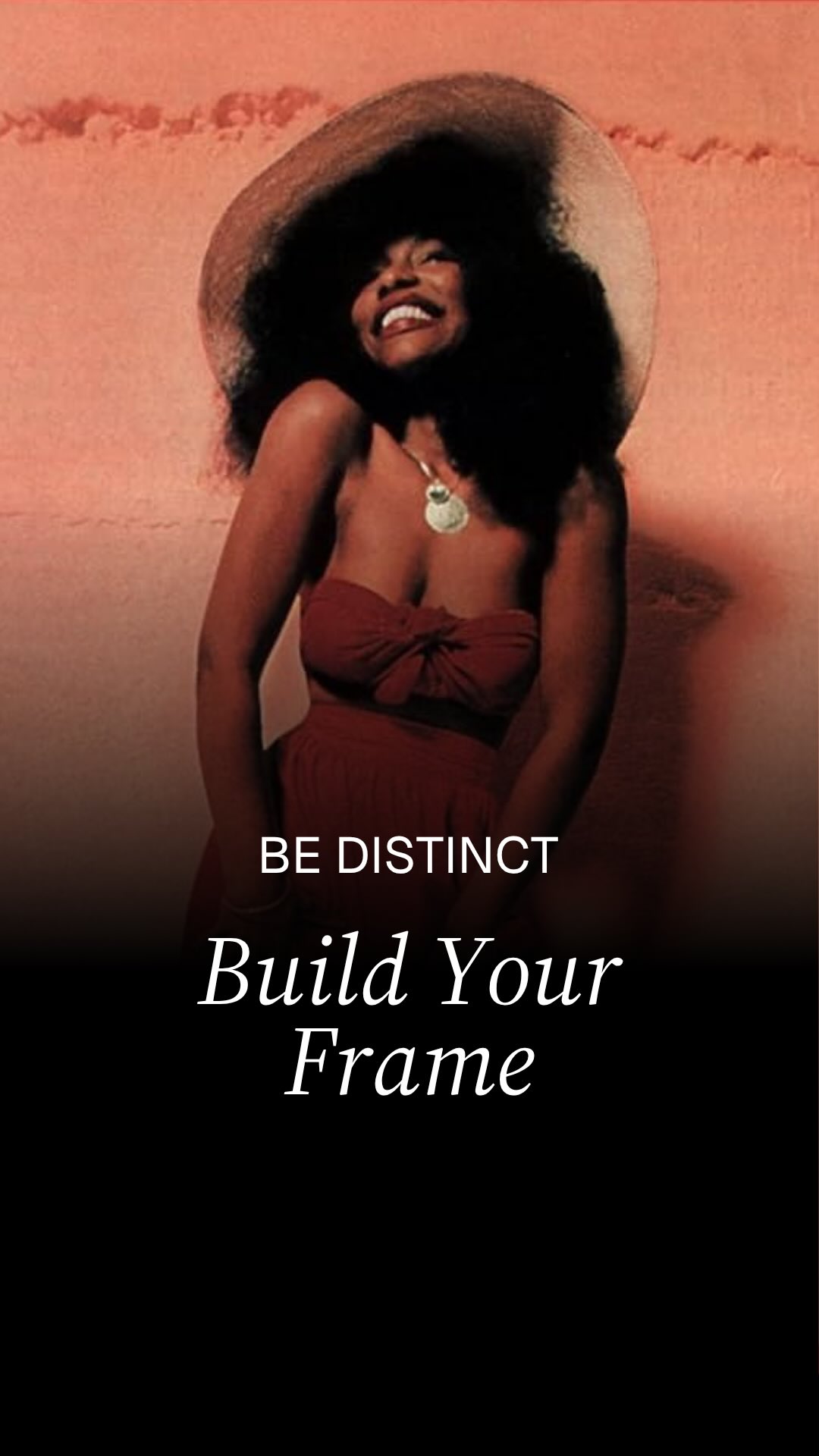
A high-production, glamorous shot of the artist Raye in a red sequin dress, looking directly at the camera with a confident expression.

[06]

Hook template

Steal this for your own video

She [impressive credential] for [list of big names] — and still couldn't get [gatekeeper] to let her [desired outcome].

  • — She designed campaigns for Nike, Apple, and Adidas — and still couldn't get her own agency to let her lead a project.
  • — He cooked for three Michelin-starred restaurants — and still couldn't get a single investor to let him open his own place.
  • — She wrote curriculum used in over 40 countries — and still couldn't get her school district to let her teach her own method.

[07]

Hook and payoff

The promise the opener makes, and how the video pays it back

Hook

The Credibility Paradox: Open with a statement that establishes the subject's high level of skill or success, immediately followed by a frustrating, counterintuitive problem that creates a sense of injustice and curiosity.

Payoff

The Open Loop: Conclude by explicitly stating that the analysis is incomplete and promising a continuation in a future installment. This serves as a cliffhanger to drive follows and anticipation for the next piece of content.

[08]

Narrative framework

The structural pattern this video runs on

Framework

The Case Study Conversion Blueprint

This framework uses a compelling, emotionally resonant underdog story as evidence to prove a counterintuitive business or branding principle. It transitions from a specific narrative to a universal, actionable lesson, making the viewer feel both entertained and educated.

  1. 1

    The Confining Frame

    Clearly define the limited vision an external force (e.g., a gatekeeper, the market, a boss) has for the subject, establishing the core conflict between the subject's potential and their current constraints.

  2. 2

    The Break for Freedom

    Show the subject making a decisive, high-risk choice to reject the confining frame and pursue their own vision independently.

  3. 3

    The Explosive Vindication

    Provide immediate and overwhelming proof that the subject's decision was correct by showcasing record-breaking, undeniable success. This validates the subject and satisfies the audience's desire for justice.

  4. 4

    The Universal Principle

    Pivot from the specific story to a broad, abstract lesson. Explain the underlying strategic error made by the gatekeepers, framing it as a common mistake that the audience can avoid.

  5. 5

    The Insider's Secret

    Lean in and offer a piece of 'secret' knowledge. Reframe a perceived weakness or outlier trait as the subject's most powerful differentiator, empowering the viewer with a new perspective.

  6. 6

    The Duality Analysis

    Deconstruct the subject's successful brand into two complementary but contrasting components (e.g., aspirational vs. relatable, simple vs. complex), demonstrating the sophisticated strategy behind their success.

  7. 7

    The Strategic Twist

    Introduce a new, more nuanced challenge or 'trap' that the subject now faces despite their success. This re-engages the audience by adding complexity and preventing a simplistic conclusion.

  8. 8

    The Niche Supremacy Doctrine

    Articulate the solution to the 'trap' by arguing that success for this type of subject doesn't mean appealing to the mass market, but rather dominating a high-value niche.

  9. 9

    The Alternative Growth Model

    Prescribe the correct growth strategy based on the Niche Supremacy Doctrine: focus on deepening the relationship with the existing audience ('scaling devotion') rather than broadening appeal ('scaling reach').

Themes

  • Authenticity
  • Brand Positioning
  • Niche Marketing
  • Artistic Integrity

Techniques

  • Case Study Analysis
  • Storytelling
  • Picture-in-Picture

Post caption

They told her she was too many genres. Too confusing. Couldn’t commit. She left, kept every single thing they told her to cut - and became the most awarded artist in BRIT history. Here are three things you can take from Part 1: 1. Before you change the product, try changing the frame or the articulation of it. Raye’s “product” is the same with a different frame - completely different result. 2. If your product is complex, find the simplest entry point for people to connect. For Raye it’s her subject matter - heartbreak, loneliness, desire, family. The lyrics are clear and immediate. The vocal ability and musicianship underneath are world-class. Simple door in, deep room behind it. 3. Identify and ACCEPT the right growth path for your product. Comment ‘Differ’ to get the full actionable version in your inbox. Until next time…✨🫶🏽

Text overlays

  • title · beginning

    OWN THE FRAME

  • contextual · beginning

    RAYE

Transcript

She wrote songs for Beyonce, Rihanna, and John Legend and still couldn't get her own label to let her release an album. They wanted a dance pop feature vocalist. While my girl, Rank, was like, I got way more in the tank than that. So they shelved her for seven years. And then she left and won more Best Awards in one night than any artist in history. Ray's story is one of the clearest and greatest examples of what happens when people position talent or a product from a place of familiarity and completely miss what makes it special. And let me let you in on a little bit of a secret. Normally, your differentiator, your strongest differentiator is the one that feels like it doesn't belong. The thing that you are a little bit scared of. Ray's brand is aspirational in how it shows up. The visuals, the theatrics, the scale. But it is deeply relatable in what she says. She talks about heartbreak, loneliness, desire, faith, family. And it is delivered in this unapologetic femininity and strength. She's got this glamour on the outside better then this gut punch honesty on the inside. And the minute that she owned that frame, everything took off. Six Brits, four Grammy nominations. Escapism went number one independently. Her new album is garnering universal acclaim. 51 sold out arena date six nights at the 02. Bruno Mars handpicked her for stadiums this summer. But here is the trap. Ray's brand is not a mass market rank, and that's okay. She can still be massive. But once you reach a certain level of craftsmanship, then you kind of get disqualified from mass market. And when I see brands like this try to cross over, it is very frustrating for the creators of the product and the brand gets watered down for the audience. Because actually, most people cannot ingest and appreciate that level of craft So for Rank and for you watching, if you're running a high craft brand, growth is about deepening the connection with the people who are already choosing you until they become the ones who bring in new people. The focus should not be about appealing to more people who do not appeal to you today. Six zero two nights did not come from a marketing spin. It came from people who had such connection to the work and to Ray that they started talking about it and telling others. So best remember, do not scale the product down. You've got to learn how to scale the devotion up. Let your audience become your megaphone. And that takes unbelievable patience creating conditions to continue to produce at the level of craftsmanship that ignited the momentum in the first place. And you've gotta find new ways to tell the same story to the same people and make them fall in love over and over and over again. I believe Rank and her team are well on their way. And for you, the move really is to just change and experiment faster with how you articulate what your product is and who it is for no that the right people can find you. But I'm not done with Ray. I'm breaking this into a second part. See you on the next episode.

Artist career brand strategy analysis | Viral Hooks