Viral Hooks
Trending short videosLearn from award-winning ad campaigns
S

@stuffaboutadvertising

Instagram · Talking Head Edit

@stuffaboutadvertising Case studies can be overwhelming and easy to move on from without really absorbing anything. So I'm giving you very specific things to look out for, learn from, and bring back to your own brainstorms. #CannesLions #Advertising #CaseStudies #Marketing #AdCampaigns

View original on Instagram

The edit1 shot · 6 text
Shots Text1:57

Performance

Views
88.6K
Likes
5.3K
Comments
27
Engagement
6.1%
Outlier
5.4×
Length · 2 Jul 2026
1:57

Video #42197 · Talking Head Edit

Learn from award-winning ad campaignsfrom @stuffaboutadvertising

[01]

Overview

The creator provides a five-step framework for analyzing award-winning advertising case studies to extract meaningful, replicable insights. She guides viewers on how to look past the "sales pitch" by finding the brand connection, separating the idea from the brand, identifying the core insight, dissecting the craft, and critically interrogating the results, using examples from major brands throughout.

[02]

Simple outline

  1. 1Reveal hidden value
  2. 2Present analytical framework
  3. 3Demonstrate each step
  4. 4Encourage critical thinking
  5. 5Empower the viewer

[03]

Related videos

[04]

Classification

Concepts
Case Study BreakdownPlaybook
Elements
B-Roll CutawayJump CutText Overlay

[05]

Hook analysis

What stops the scroll in the first 3 seconds

Title hook · 45%

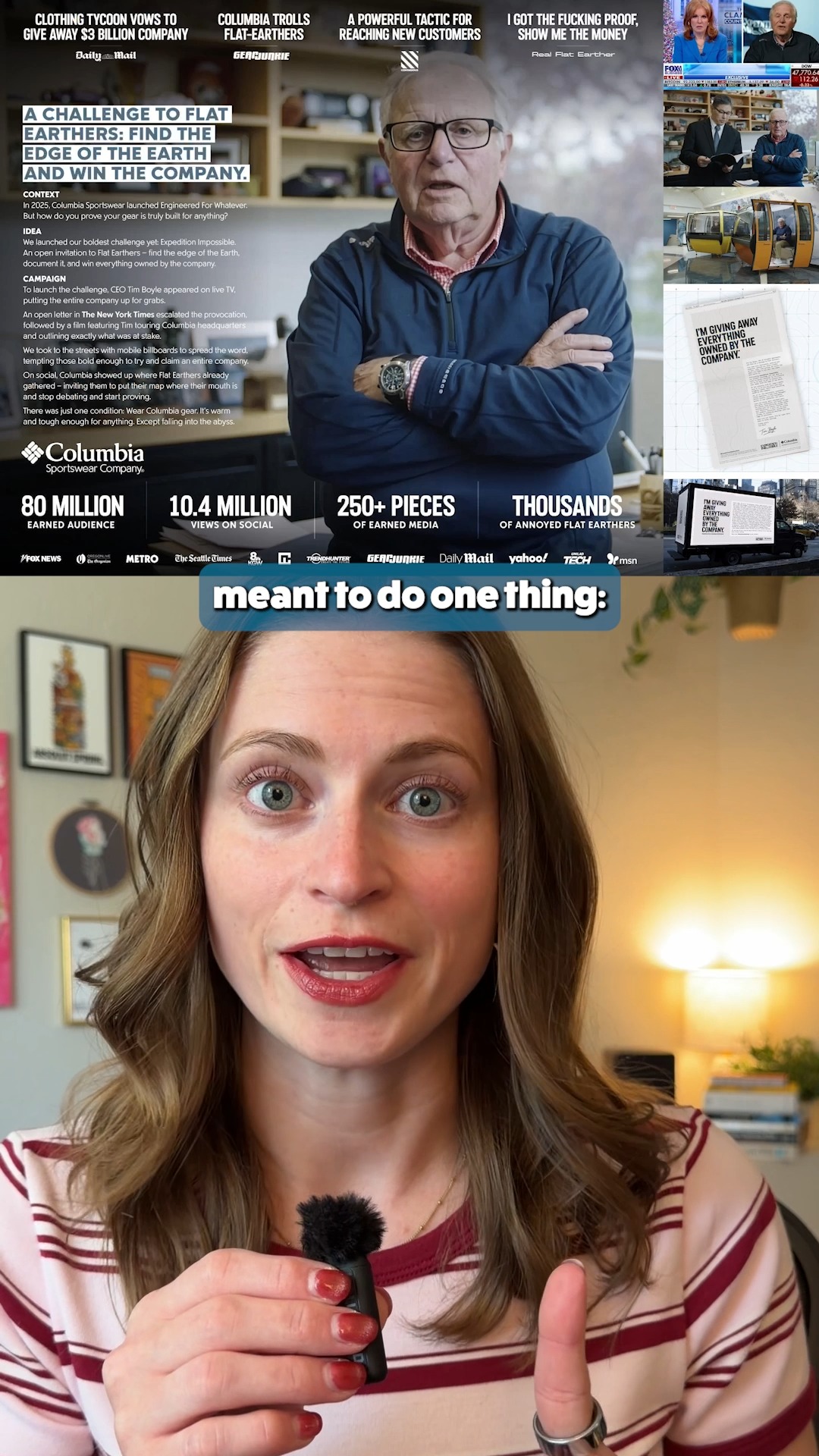
Every Cannes Lion entry comes with a case study meant to do one thing: convince the jury to give it an award

Verbal hook · 45%

Every Cannes Lion entry comes with a case study meant to do one thing, convince the jury to give it an award.

Visual hook · 10%

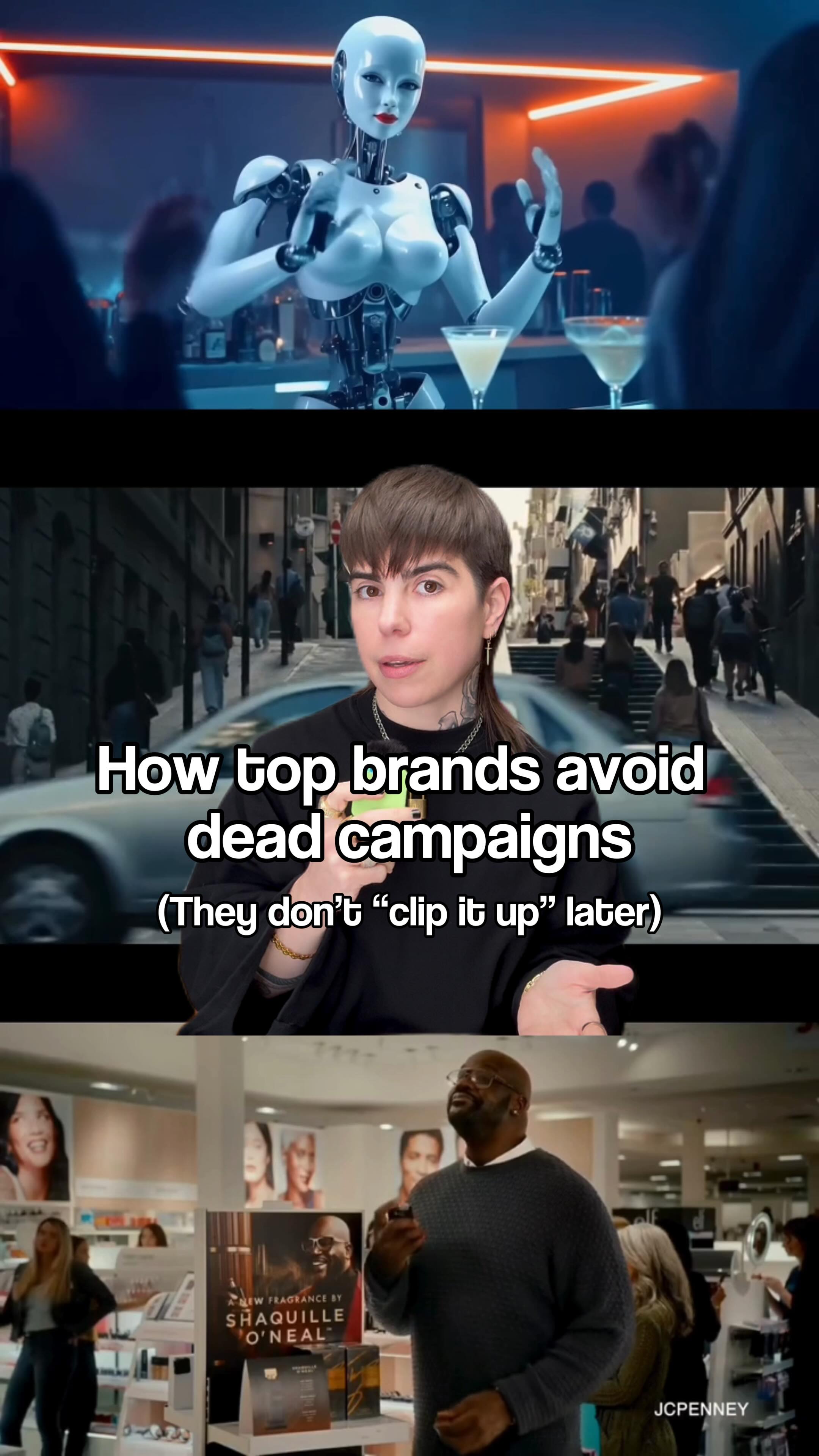
The video opens with a rapid montage of visually distinct and colorful advertising case study posters, creating fast-paced movement and immediate visual interest.

[07]

Hook and payoff

The promise the opener makes, and how the video pays it back

Hook

The Deceptive Surface Hook: Establishes a familiar subject, exposes its commonly understood but superficial purpose, and then promises to reveal a hidden, more valuable way to interpret it.

Payoff

The Empowerment Payoff: Concludes by summarizing the framework's utility and empowering the viewer to apply this new knowledge in their own context, fulfilling the initial promise of the hook.

[08]

Narrative framework

The structural pattern this video runs on

Framework

The Expert Deconstruction Framework

To teach a complex analytical process by breaking it down into a series of distinct, actionable steps, with each step being validated by a real-world visual example.

  1. 1

    The Permission Principle

    The first step of the framework, which questions the subject's fundamental right or authenticity to perform an action based on its identity or history.

  2. 2

    The Core Concept Extraction

    The second step, which instructs the viewer to strip away context-specific details (like budget or brand) to isolate the universal, replicable strategy.

  3. 3

    The Foundational Truth

    The third step, which focuses on identifying the underlying human insight or core reason that makes the entire concept resonant and effective.

  4. 4

    The Execution Analysis

    The fourth step, which shifts the analysis from high-level strategy to the specific, tactical details and craft choices made during execution.

  5. 5

    The Skeptic's Gauntlet

    The final analytical step, which challenges the viewer to critically evaluate the presented outcomes, question their validity, and distinguish genuine impact from superficial claims.

Themes

  • Critical Thinking
  • Marketing Education
  • Creative Strategy
  • Deconstruction

Techniques

  • Direct Address
  • B-Roll Cutaways
  • Step-by-step guide

Trends

  • Creator Education

Post caption

Case studies can be overwhelming and easy to move on from without really absorbing anything. So I'm giving you very specific things to look out for, learn from, and bring back to your own brainstorms. #CannesLions #Advertising #CaseStudies #Marketing #AdCampaigns

Text overlays

  • title · beginning

    Every Cannes Lion entry comes with a case study meant to do one thing: convince the jury to give it an award

  • informational · middle

    Find the brand connection

  • informational · middle

    Separate the brand from the idea

  • informational · middle

    Identify the insight

  • informational · middle

    Dissect the craft

  • informational · end

    Get skeptical

Transcript

Every Cannes Lion entry comes with a case study meant to do one thing, convince the jury to give it an award. It's a sales pitch. But if you actually know what to look for, there's something much more useful underneath it. So here's how to actually learn something from all of those award case Find the brand connection. I start by asking myself, why did this brand get to pull this off? What in their persona or history or brand values gave them permission to do this thing? But then separate the brand from the idea. Take away the brand name and the budget and ask what the underlying move or strategy actually was. That's usually the part that you can learn from and replicate and get past that reflex to say, I could never do this with my brand. Identify the insight. A lot of case studies spell out the insight for you. But when they don't, it's definitely worth digging for because the insight is what the whole idea gets built on. And a lot of them will drop hints about where they even found the insight in the first place. A piece of data, a social behavior, an observation, maybe even even an observation, a term I've coined for observations that are ripe for creative picking. Then dissect the craft. This is where the small execution details live, a specific media placement, a casting choice, a hero headline that carried the whole thing. And as a copywriter, I like to pay close attention to the copy because the phrases they use and the succinct ways they describe usually a complicated idea is great to study for your own write ups. Then you gotta get a little skeptical. Interrogate the results shown on the case study. Do the stats seem too good to be true? Does it seem like the insight was back engineered to fit the concept? And for cause campaigns specifically, I like to look for real impact. Because if the campaign did actually make an impact and change something, they will talk about it in the case study. If it's not there, it was probably just advertising for advertising sake and award bait. So the next time you're strolling the basement of the Palais at Cannes and looking at all of the award winning work, keep this list in your head because you'll walk out with endless amounts of learnings and inspiration to bring back to your own work.