@ashi.branding
Instagram · Talking Head Edit
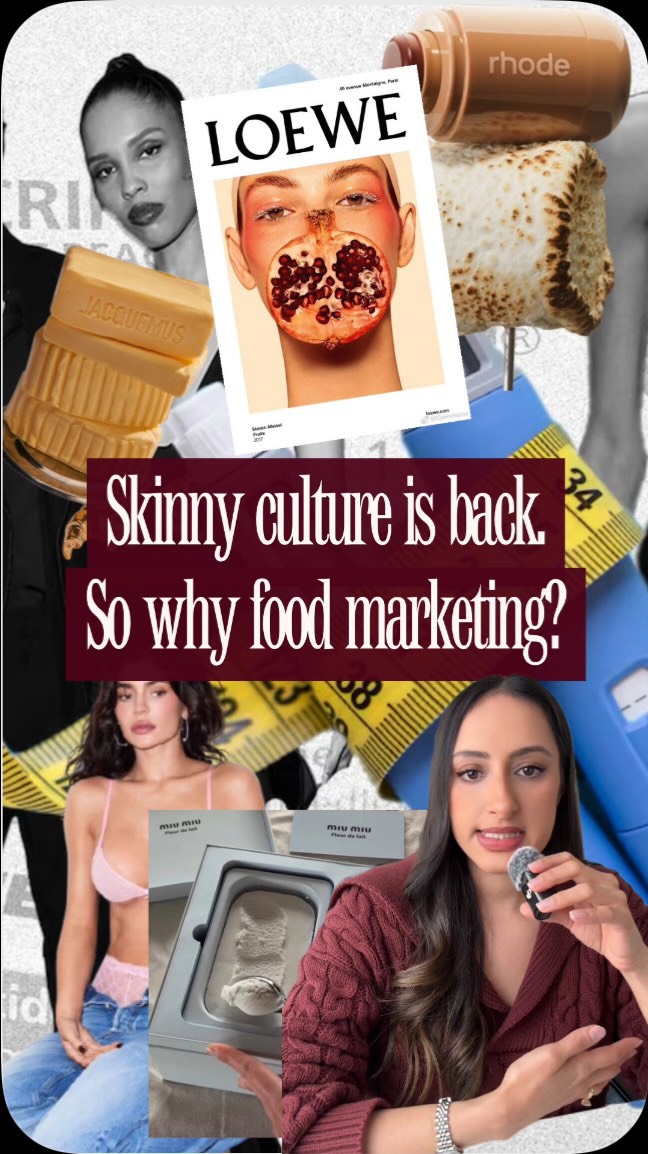
@ashi.branding This isn’t sensory marketing. Miu Miu found a brand insight that everyone else is missing. Here’s the playbook. #branding #sociology #culture #genz #ozempic

@ashi.branding
Instagram · Talking Head Edit
@ashi.branding This isn’t sensory marketing. Miu Miu found a brand insight that everyone else is missing. Here’s the playbook. #branding #sociology #culture #genz #ozempic
Performance
Video #32301 · Talking Head Edit
[01]
The creator analyzes the paradoxical rise of food marketing alongside the return of 'skinny culture.' She uses Miu Miu's perfume launch as a case study, connecting it to the widespread use of appetite-suppressing drugs like Ozempic. She argues that this creates a 'desire gap' that consumers fill with substitutes like food-scented products, provides historical analogies (Prohibition and candy), and concludes by advising brands to identify what feelings are being blocked in culture to find pre-built, emotionally urgent demand.
[02]
[03]
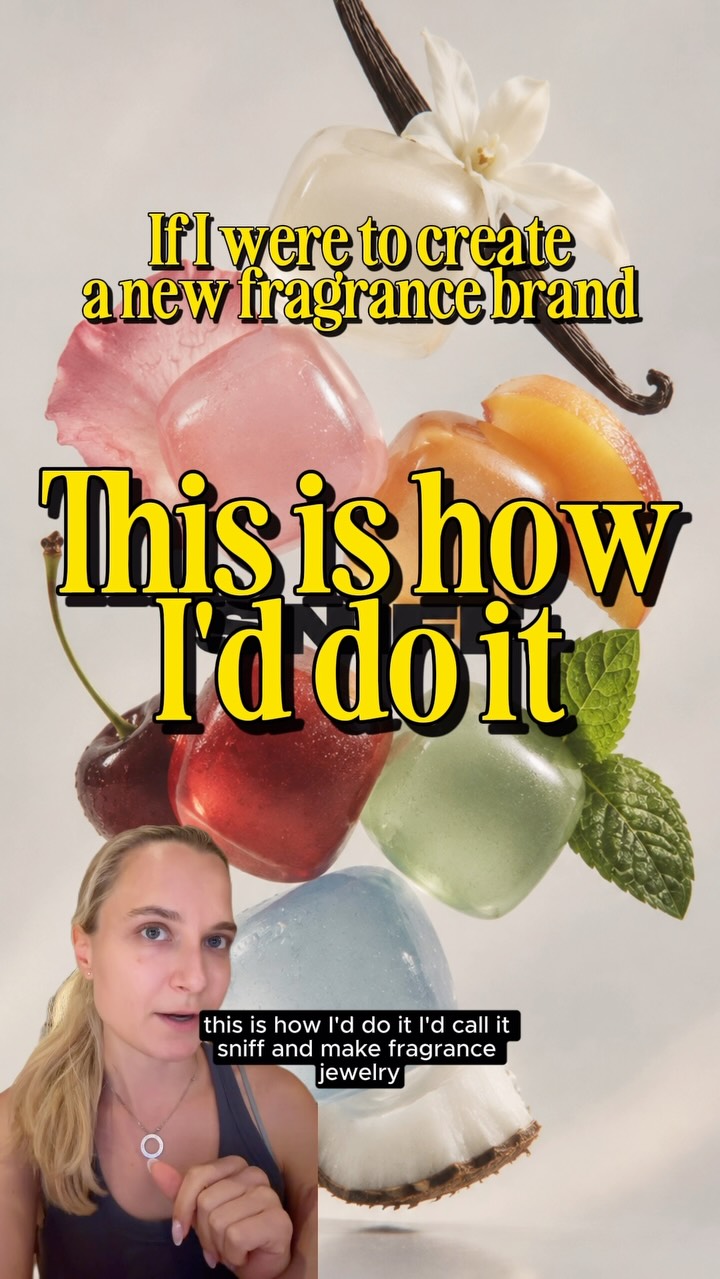 423.8K98.9×Hypothetical fragrance brand marketing pitch@girlinbluestudios · Hypothetical Case Study
 114.3K3.9×Political analysis of fragrance community@teddy.haugen · Hot Take
 315.9K14×Fragrance expert debunks marketing lies@teddy.haugen · Hot Take
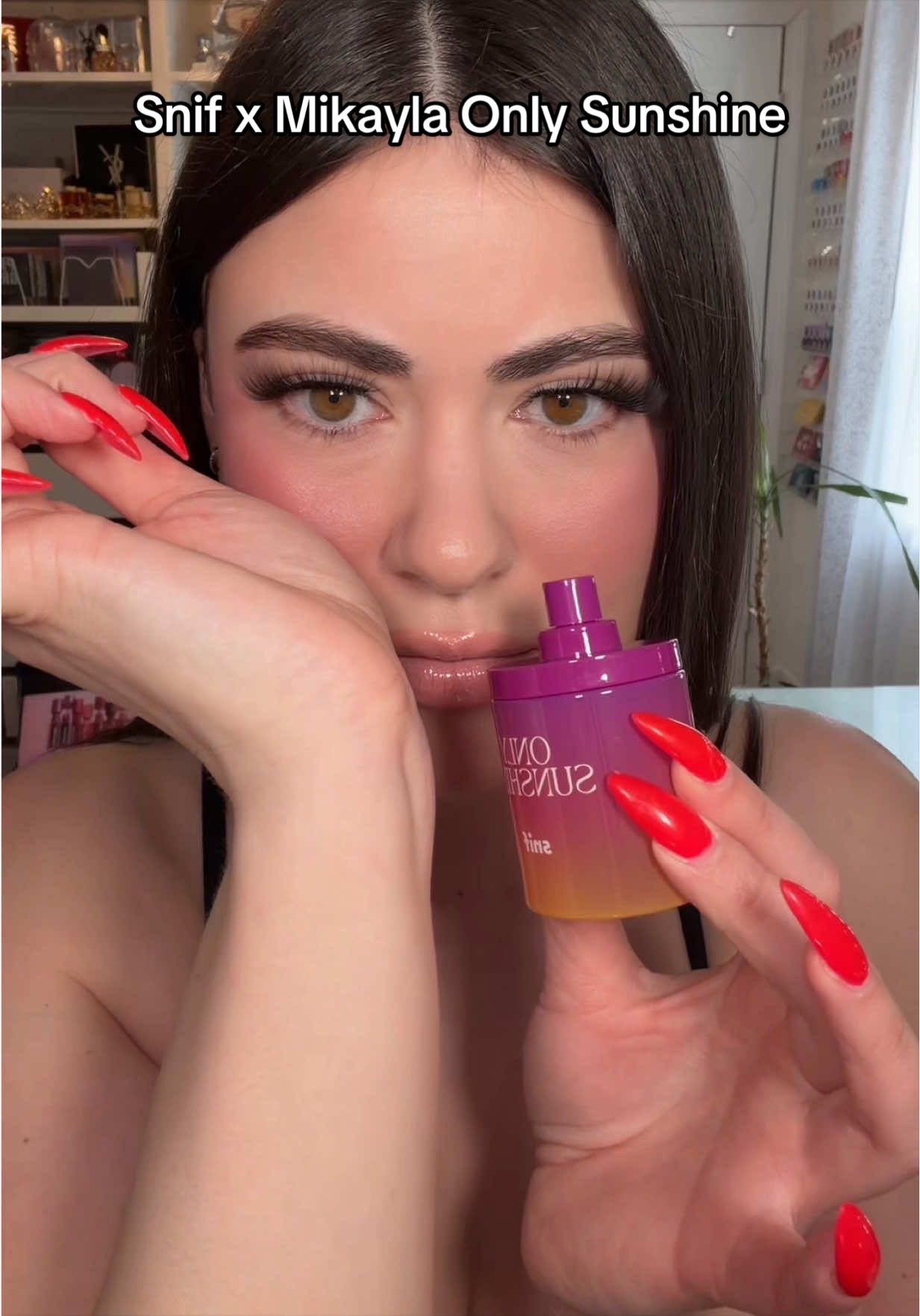 239.3K65.4×Honest talking head product review@kendallalfred · Review
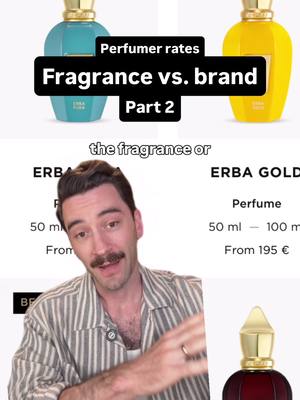 72.4K2.5×Expert rates brands fragrance vs hype@teddy.haugen · Expert Rate/Rank
 872.7K77.2×Creator rapidly lists product scents@moziwash · Rapid Fire Listicle
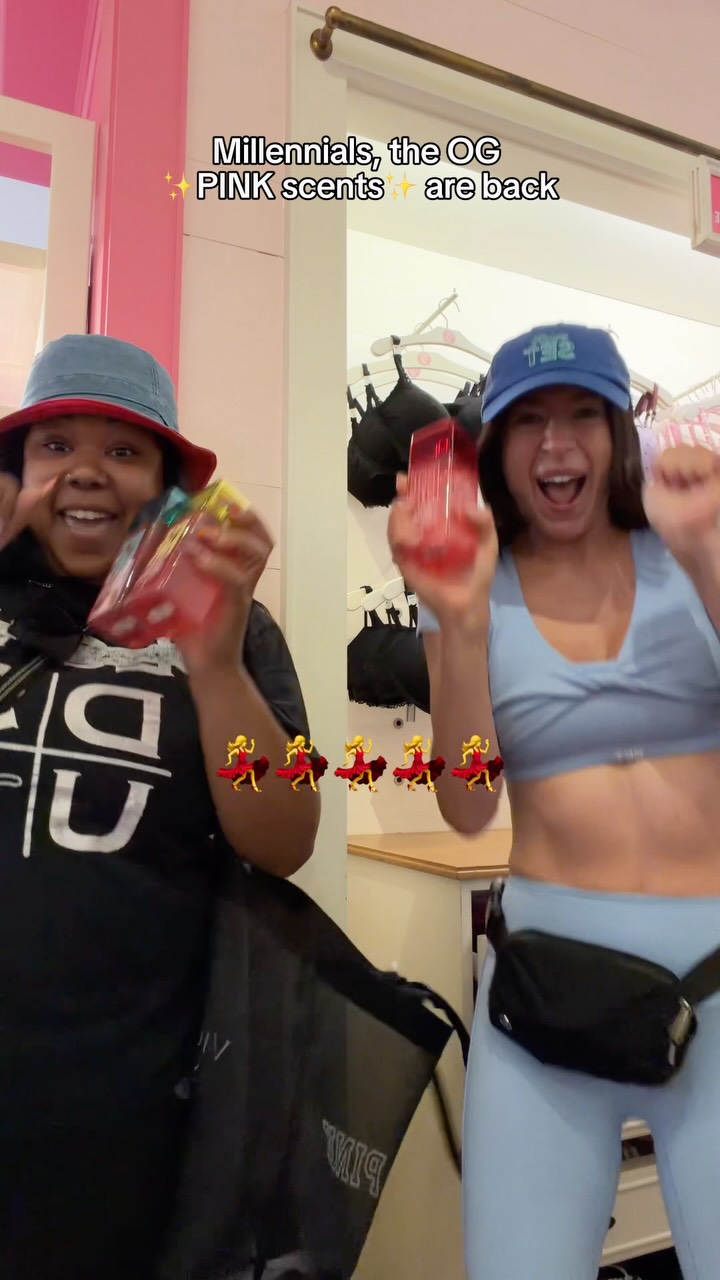 739.9K3.6×Millennial discovers nostalgic scents in-store@itskatesteinberg · Nostalgia Highlight
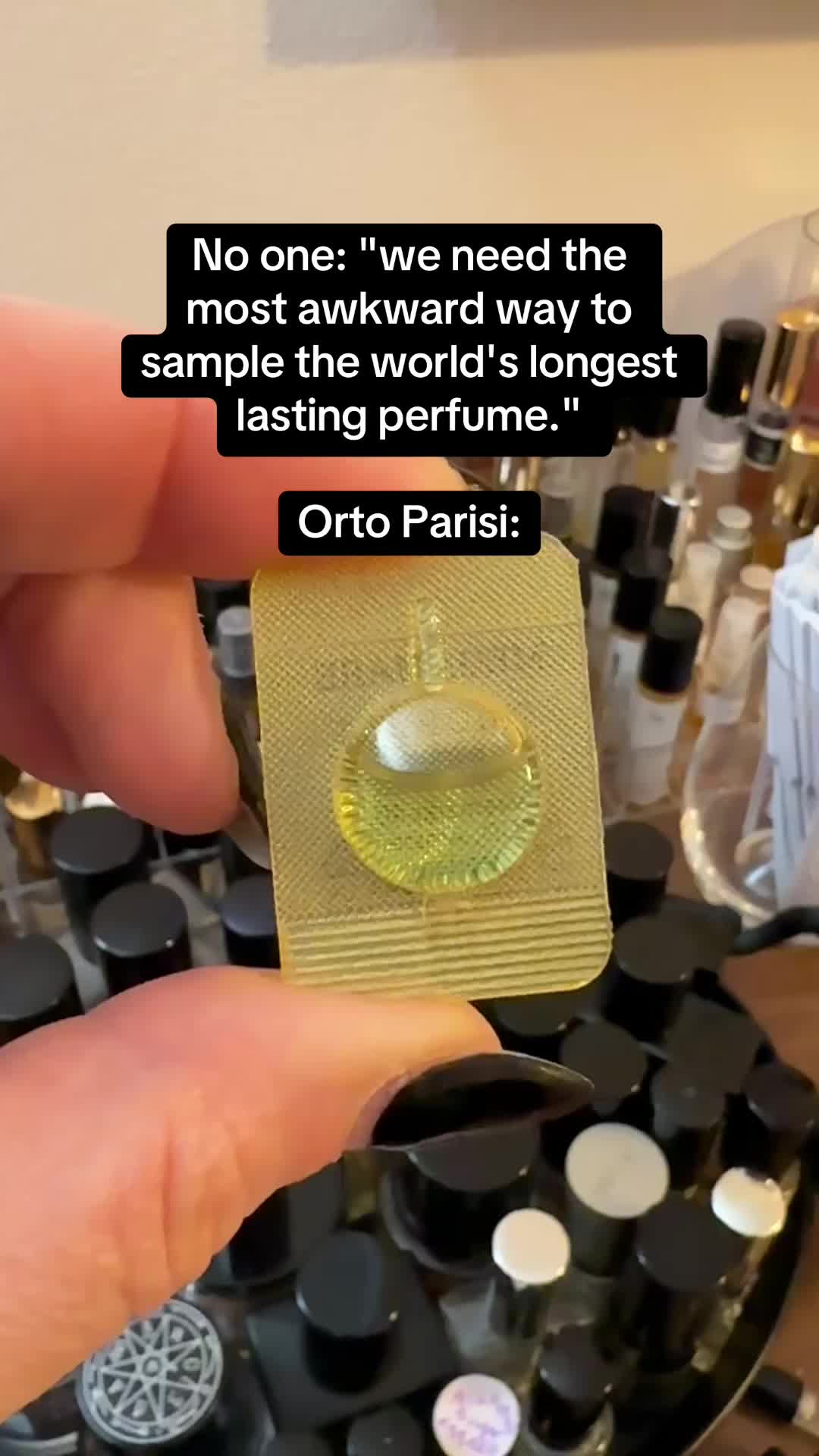 440.2KCritique of awkward perfume sample@aesthetically_zealous · Review
 4M8.9×Personal story about a perfume@paigelorenze · Show and Tell
 6M3.2×Cinematic ad for new fragrance@dieselfragrances · Brand Manifesto
 260.4K7.5×Rating perfume brands fragrance vs hype@teddy.haugen · Rapid Fire Listicle
 77.6K2.1×Creator asks audience for opinion@teddy.haugen · Anecdotal Philosophy
[04]
[05]
What stops the scroll in the first 3 seconds
Title hook · 55%
Skinny culture is back. So why food marketing?
Verbal hook · 30%
If skinny culture is back, why is there so much food in marketing?
Visual hook · 15%
A dynamic, layered digital collage of high-fashion models, magazine covers (Loewe), luxury products (Jacquemus, Rhode), and a yellow measuring tape, immediately establishing the video's themes of fashion, beauty, and body image.
[06]
Steal this for your own video
is back. So why is everyone selling ?
[07]
The promise the opener makes, and how the video pays it back
Hook
A paradoxical question that juxtaposes two contradictory cultural trends, creating an immediate curiosity gap that the viewer needs resolved.
Payoff
The Strategic Mandate. The core principle is broadened into an actionable question or framework, empowering the audience to apply this new way of thinking to any context. It transforms the observation into a tool.
[08]
The structural pattern this video runs on
Framework
The Substitution Principle Framework
The video identifies a counter-intuitive market trend, reveals a large-scale societal behavior causing it, distills this cause-and-effect into a universal principle, and then presents this principle as a strategic tool for the audience.
The Modern Anomaly
Presents a specific, current case study (a product launch, a campaign) that perfectly illustrates the opening paradox.
The Hidden Driver
Reveals the underlying, large-scale societal or technological shift that is the true cause of the anomaly, often supported by a key statistic.
The Consequential Effect
Shows the direct, measurable market outcome of the hidden driver, proving its impact and connecting it to a broader trend.
The Historical Analogy
Validates the core concept by providing historical precedents where a similar pattern occurred, proving the principle is timeless and not a fleeting trend.
The Core Principle Reveal
Explicitly states the universal law or human behavior at the heart of the argument in a concise, memorable sentence.
The Conventional Foil
Briefly describes and dismisses the standard, less insightful approach to the problem, positioning the core principle as a superior strategy.
The Synthesis
Revisits the initial case study, re-interpreting it through the lens of the newly revealed principle to create a satisfying 'aha' moment.
This isn’t sensory marketing. Miu Miu found a brand insight that everyone else is missing. Here’s the playbook. #branding #sociology #culture #genz #ozempic
title · beginning
Skinny culture is back. So why food marketing?
contextual · beginning
If skinny culture is back, why is there so much food in marketing?
contextual · beginning
Miu Miu sent influencers ice cream to launch their new milk scented perfume.
contextual · beginning
And the reason it works is because of what's happening to appetite in America right now.
contextual · middle
that chemically suppresses your appetite
contextual · middle
In that same period, gourmand fragrances or perfume that smells like food became the fastest growing scent category
contextual · middle
when prohibition banned alcohol in 1920, candy consumption grew
contextual · middle
when smoking declined in the 90s, gum absorbed the market
informational · middle
Block one outlet and desire finds the nearest available substitute.
contextual · end
Every conventional launch strategy has tried to create desire from scratch.
contextual · end
Influencer seeding, paid social, all designed to make people want something they don't care about.
contextual · end
Miu Miu read the data. Appetite suppression was creating a gap in food desire
contextual · end
and that gap was filling with gourmand scents.
contextual · end
The question that every brand should be asking is
informational · end
what feelings are being blocked right now by cost, health, regulation or culture?
informational · end
Because that demand is pre-built, emotionally urgent and looking for somewhere to go.
If skinny culture is back, why is there so much food in marketing? New Mucent influences ice cream to launch their new milk scented perfume. And the reason it works is because of what's happening to appetite in America right now. One in eight Americans is currently on a GLP one drug like Ozempic that chemically suppresses your appetite. In that same period, gourmand fragrances or perfume that smells like food became the fastest growing scent category. When prohibition banned alcohol in 1920, candy consumption grew. When smoking declined in the nineties, gum absorbed the market. Block one outlet and desire finds the nearest available substitute. Every conventional launch strategy has tried to create desire from scratch. Influencer seating, paid social, all designed to make people want something they don't care about. Miu Miu read the data. Appetite suppression was creating a gap in food desire, and that gap was filling with Gourmand scents. So the question that every brand should be asking is what feelings are being blocked right now by cost, health, regulation, or culture? Because that demand is prebuilt, emotionally urgent, and looking for somewhere to go.