@leogonzall
Instagram · Skit

@leogonzall
Instagram · Skit
Performance
Video #33604 · Skit
[01]
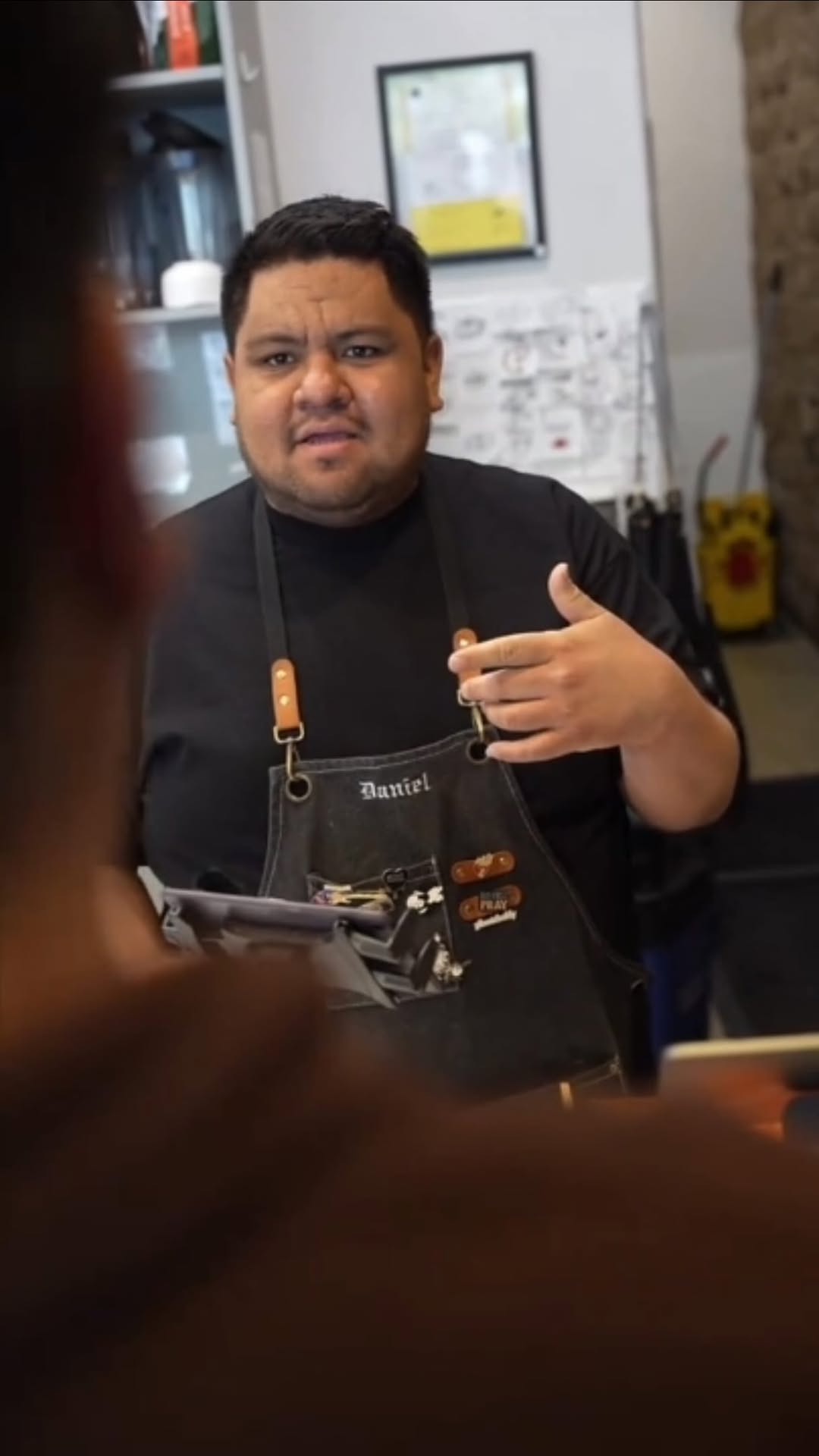
A creator, playing the role of a barista and manager, engages in a confrontational dialogue with a customer who claims he received the wrong drink. The barista argues that the customer failed to specify his order correctly, refuses to remake the drink for free, and deconstructs the 'customer is always right' mantra by explaining why the customer's mistake shouldn't result in a loss for the business.
[02]
[03]
 1.3M413.6×Comedic skit of barista frustrations@babylonbrews · Relatable Skit
 166K41.4×Skit of annoying customer types@babylonbrews · Relatable Skit
 261.9K43.1×Barista acts out annoying customers@babylonbrews · Relatable Skit
 466.4K4.2×Comedic skit about coffee shop@_devontewest · Relatable Skit
 371.3K1.3×Comedic sketch about a bad barista@roomiesroomiesroomies · Skit
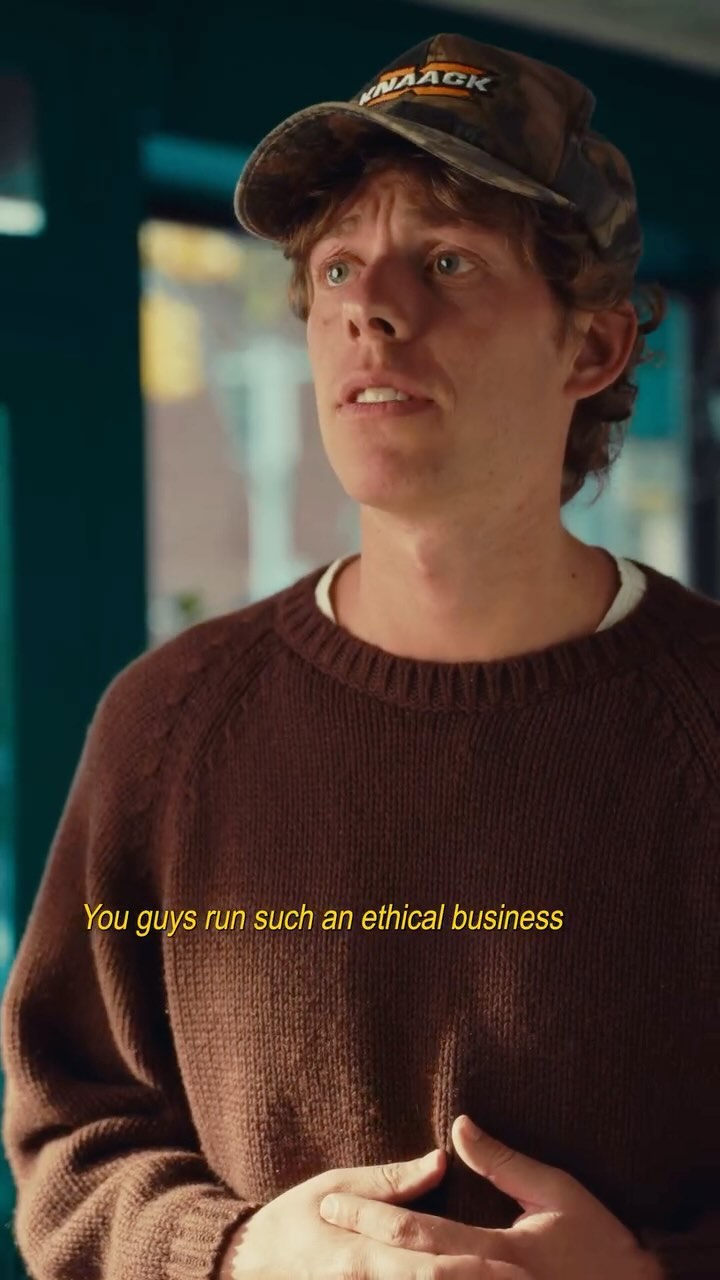 3.7M2.6×Satirical sketch on performative allyship@winnie_thepooj · Skit
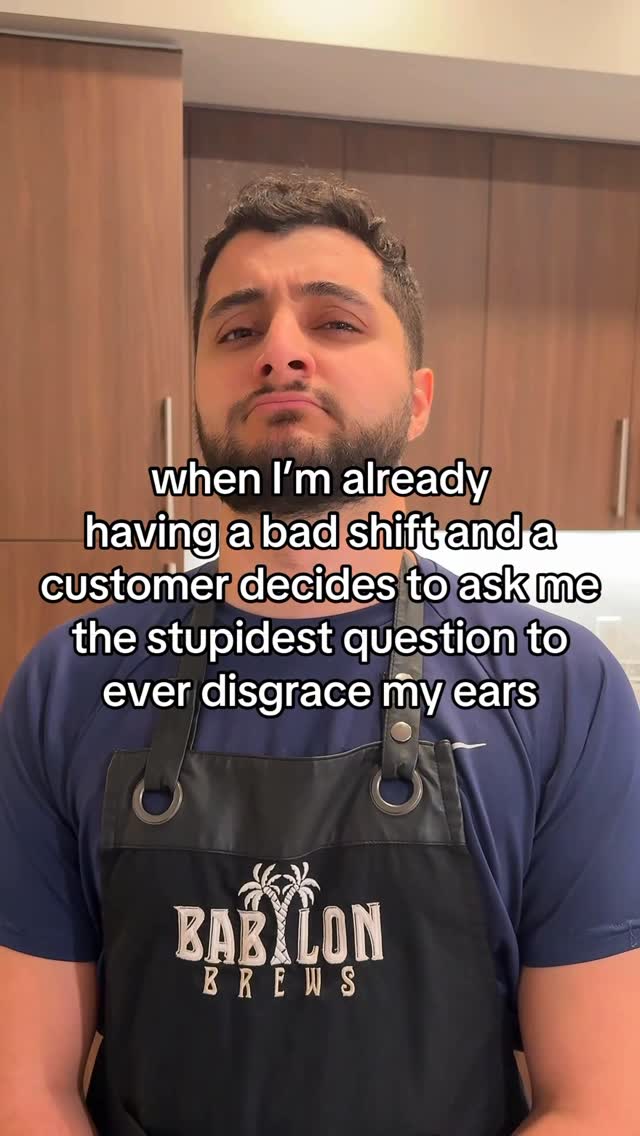 266K40.5×Relatable barista customer service meme@babylonbrews · Relatable Skit
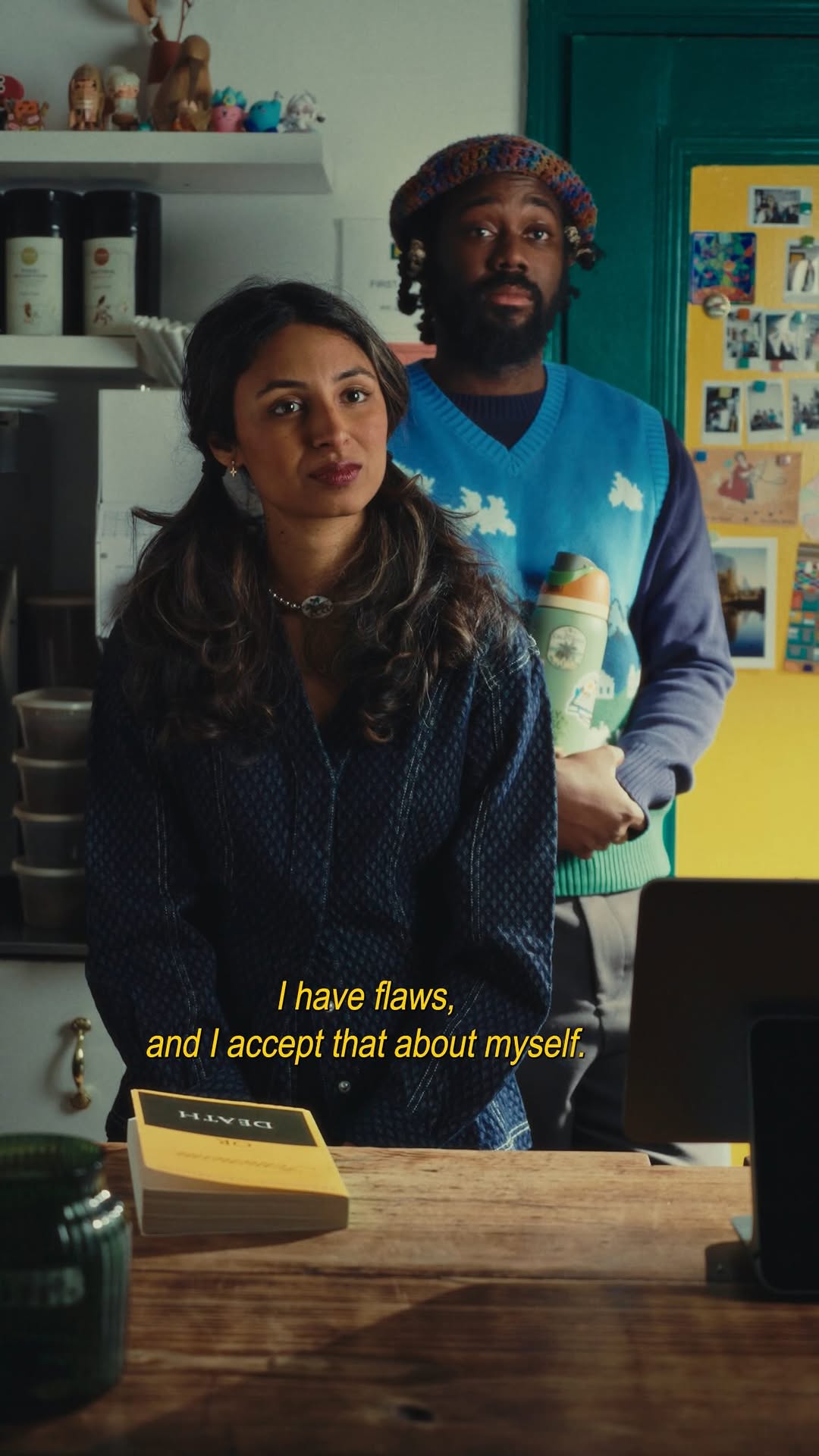 1.9M7.2×Skit satirizing woke coffee culture@bkcoffeeshop · Stereotype Satire
 3M15.9×Customer argues over receipt check@leogonzall
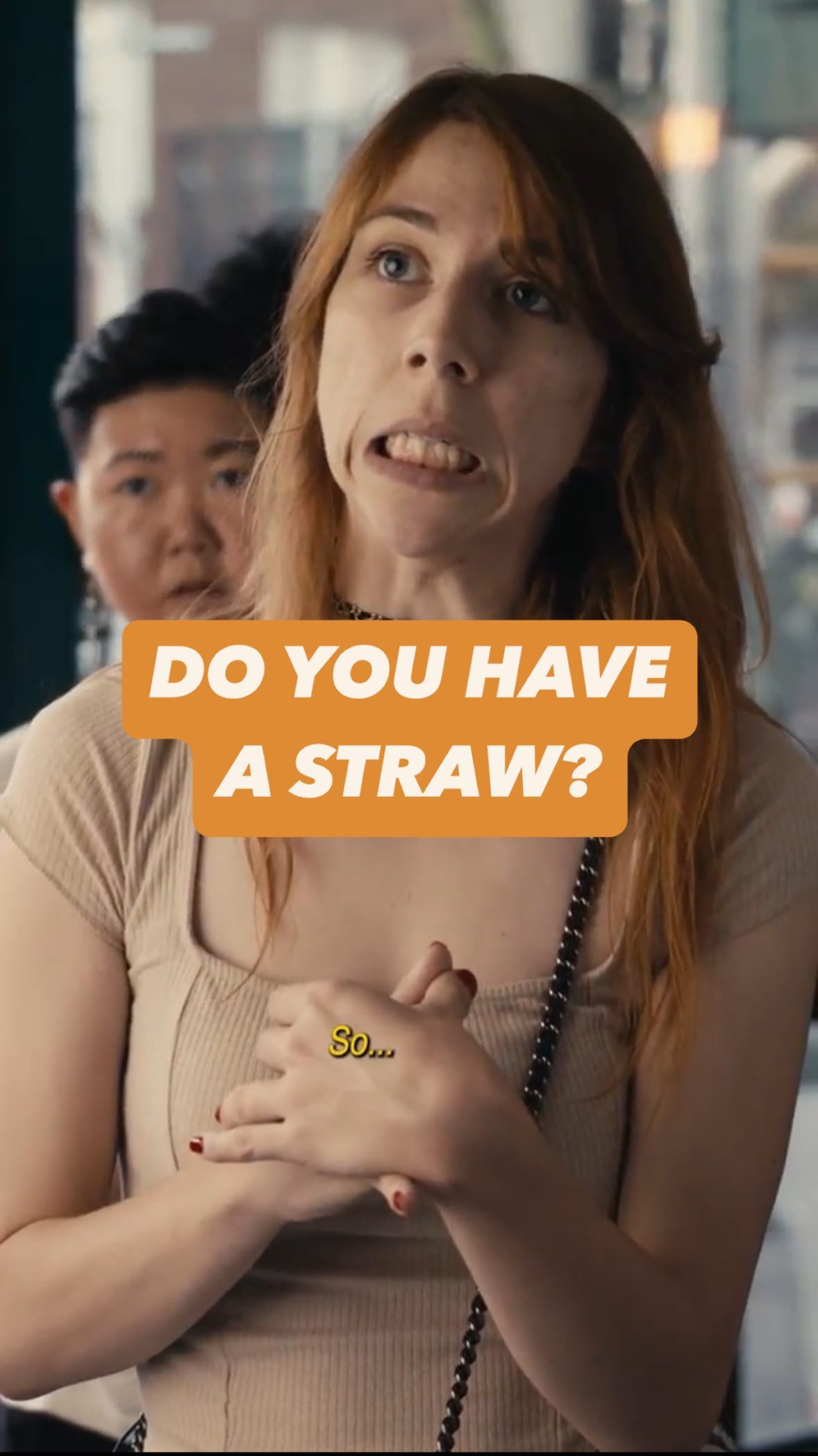 5.1M3.6×Satirical coffee shop accessibility debate@tinafriml · Skit
 2.7M786.7×POV barista denies customer purchase@drinkpoppi · Relatable Skit
 684.7K104.2×Relatable barista customer service meme@babylonbrews · Relatable Skit
[04]
[05]
What stops the scroll in the first 3 seconds
Title hook · 55%
Customer gets wrong drink
Verbal hook · 15%
Hey. What's up, bro?
Visual hook · 30%
An over-the-shoulder shot focusing on a barista, immediately establishing a confrontational point-of-view for the viewer.
[06]
Steal this for your own video
You ordered . That's exactly what you got.
[07]
The promise the opener makes, and how the video pays it back
Hook
An on-screen text overlay defines a universally relatable problem, immediately followed by a character's action that signals an attempt to escalate the situation (e.g., 'asking for the manager').
Payoff
The Logical Takedown: The authority figure systematically and calmly dismantles the protagonist's cliché-based argument, reinforcing their own position with inescapable logic and concluding the interaction with a definitive statement of their victory.
[08]
The structural pattern this video runs on
Framework
The Expert's Reversal
A common conflict scenario is presented where a protagonist challenges an authority figure. The authority figure subverts expectations by using logic to shift blame back to the protagonist, escalating the conflict with an unexpected consequence, and ultimately dismantling a common belief to win the argument.
The Authority Reveal
The person being challenged reveals they hold the highest authority in the situation, neutralizing the protagonist's initial attempt to go over their head.
The Factual Rebuttal
The authority figure uses specific facts from the initial interaction to logically transfer responsibility for the problem onto the protagonist, reframing the conflict.
The Conditional Concession
The authority figure agrees to the protagonist's proposed solution but attaches an unexpected and undesirable condition, such as a new cost, which escalates the tension.
The Cliché Gambit
The protagonist, lacking a logical argument, resorts to a widely known but often misused platitude or cliché (e.g., 'the customer is always right') to defend their position.
contextual · beginning
Customer gets wrong drink
Hey. What's up, bro? Do you think I can talk to a manager? Yeah. I'm a manager. Will you got me? I think there's a whole milk in this. Yeah. You order the vanilla latte. Vanilla latte. Yeah. Yeah. I wanted oat milk. You wanted oat milk? Yeah. Oat milk. We good Yeah. Why you didn't say that? I took your order. You didn't say that. K. So what I wanted? Right. I don't know. It didn't click for you right then and there. So you did not say that. So so what do you are you kind of like what do you mean? Like, do you want another one or Yeah. We if we can swap it out, that'd be great. Yeah. We'll do another one. Yeah. Same size? Same cup. We'll use it. I'll use a different color. I don't use it. $4.95, bro. $4.95? Yeah. For for a old milk? No. For a new you want the new drink. Right? I can't just just pull out the whole milk of that. But usually, like, the customer's always right. Who said that? You know, the You ordered the vanilla tier, and you failed to let us know that you wanted a different no. You got exactly what you paid for. Right? And so why would I lose money because you made a mistake? You know what I mean? Like, I wish I had a I had, like, a whiteboard. I could draw it out where I really could.