The creator provides a detailed breakdown of video game artist Tetsuya Nomura's career and iconic design philosophy. He begins by defining Nomura's signature style (unnecessary zippers and belts), then recounts his origin story at Square, from debugger to lead character designer for Final Fantasy VII. The creator shares trivia about Nomura's designs and game mechanic contributions, analyzes the cultural influences on his work like Visual Kei and 90s fashion, and discusses how Nomura embraced his eccentric style despite criticism, solidifying his legacy in the JRPG genre.
Transcript
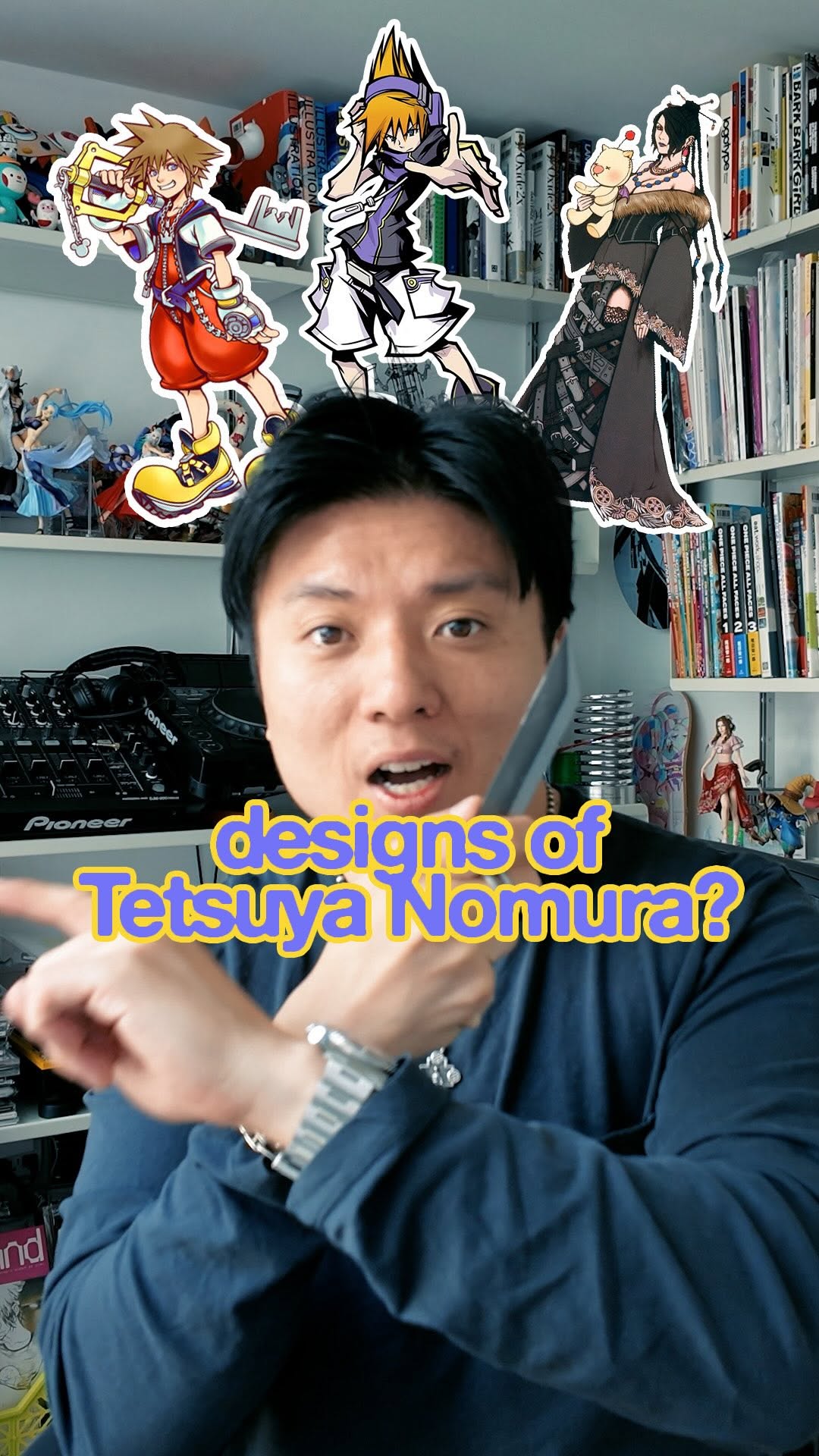
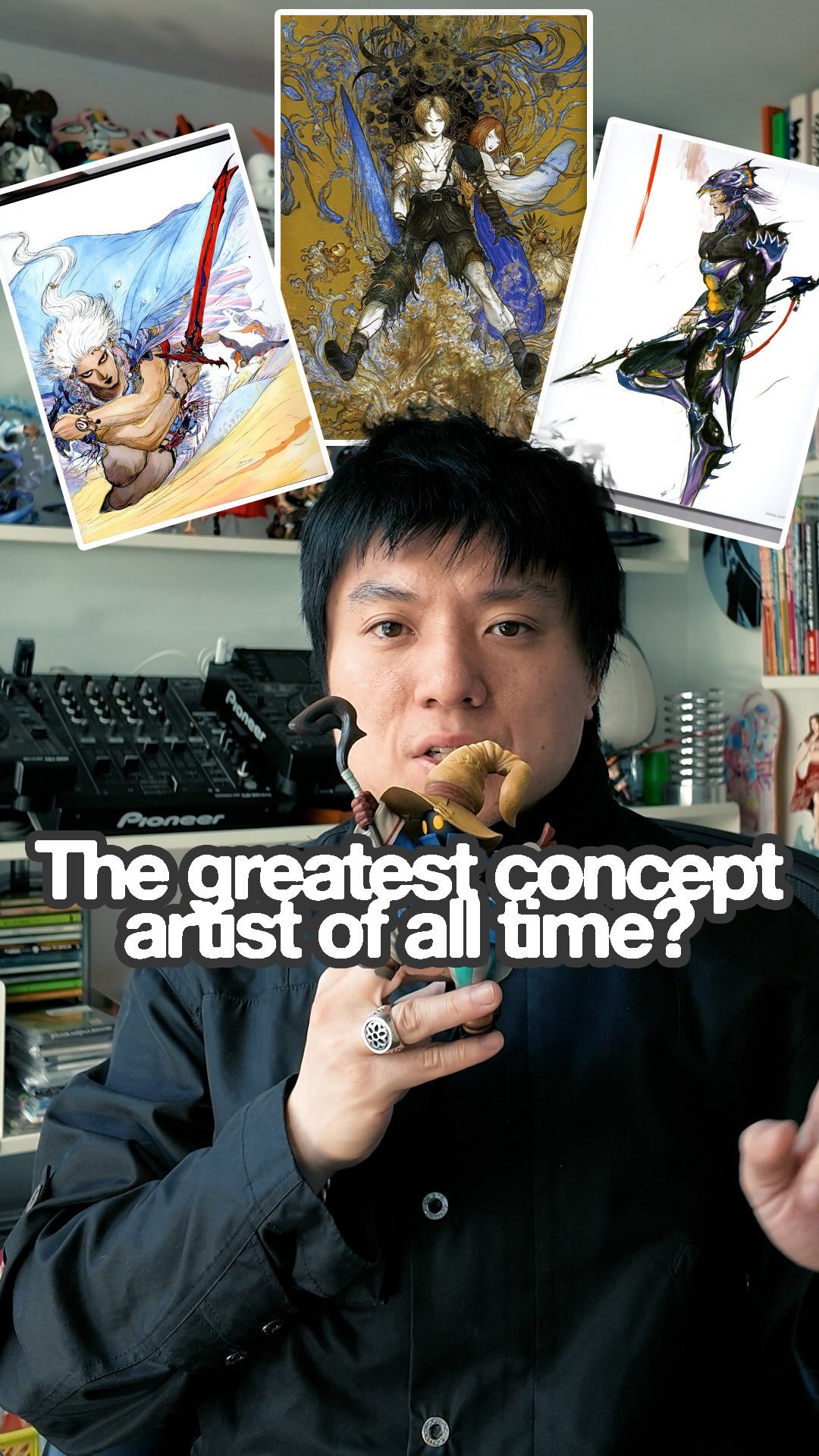
Unnecessary zippers, massive buckles, and tons of belts. Of worse, these are the character designs of Tetsuya Nomura. The visual identity of modern Japanese role playing games are inextricably tied to the design philosophy of Tetsuya Nomura. Originally wanting to be a manga artist, Nomura submitted his portfolio to Square in 1991 rank actually started as a debugger on Final Fantasy four, but quickly made his way to becoming a graphic artist for Final Fantasy five, where he worked under senior art directors to translate Yoshitaka Amano's illustrations into pixel sprites. Now, whenever a new Final Yoshitaka Amano's illustrations into pixel sprites. Now, whenever a new Final Fantasy title would come out, employees of Square were encouraged to submit proposals. Nomura used his advertising and graphic backgrounds to make a visually engaging presentation, and Sakaguchi was so impressed, he actually made him character director of Final Fantasy seven, thus succeeding his mentor Yoshitaka Amano. One cool tidbit is that Aerith and Sephiroth have the same bangs because there was an old plot where they actually would have been siblings, but that didn't make it into the story. Nomura also came up with the limit break system, which became a staple for Final Fantasies moving forward. No, Nomura is infamous for having these swaying elements that are particularly difficult for three d artists to make, constantly pushing the boundaries of the working team who has to make these models. But perhaps the most widely discussed visual artifact of Nomura's style and character designs are his excessive use of big belts and zippers that seemingly don't do anything. Some people even call this the Nomura Syndrome. And when his colleagues and the public even made fun of him for these decisions, he doubled down, giving his characters even more ridiculous costume and fashion choices, but it has totally worked making some of the most eccentric and memorable character designs. Nomura also takes influence from modern Japanese subcultures such as visual kei, a Japanese music and fashion movement with gravity defying hairstyles, leather jackets, and of course best. Males in the visual key movement also are often seen wearing makeup to make themselves look more androgynous. Of course, Sephiroth comes to mind. It was also inspired by the popularity of chrome hearts in the nineties. Big metal crosses and chains, heavy metallic hardware has become another signature of his style, but he also integrates two thousands Japanese streetwear when you think of games like The World Ends With You. And he has stated that worlds that have no connection to our world, he has a hard time connecting with, which is why you often see realistic fabrics and also locations in his game that are like Japan. His characters have even been featured in real life high fashion campaigns. Nomura could have been a fashion designer in another life. Tetsuya Nomura's legacy of extreme ornamentation, exaggerated proportions that still feel grounded in our world is what makes his designs modern masterpieces. So what's your favorite Tetsuya Nomura design? Let's have a discussion down in the comments.