@nickycbell
Instagram · Split screen

@nickycbell Hope this helps @424inc

@nickycbell
Instagram · Split screen
@nickycbell Hope this helps @424inc
Performance
Video #34656 · Split screen
[01]
The creator delivers a direct-to-camera monologue, overlaid on footage of a fashion show, to critique the designer's decision to cast a controversial model. He argues that this "rage baiting" tactic is not edgy or cool but rather embarrassing and a sign of a poor designer. He supports his argument by contrasting this brand with other respected designers who don't need to resort to such PR stunts.
[02]
[03]
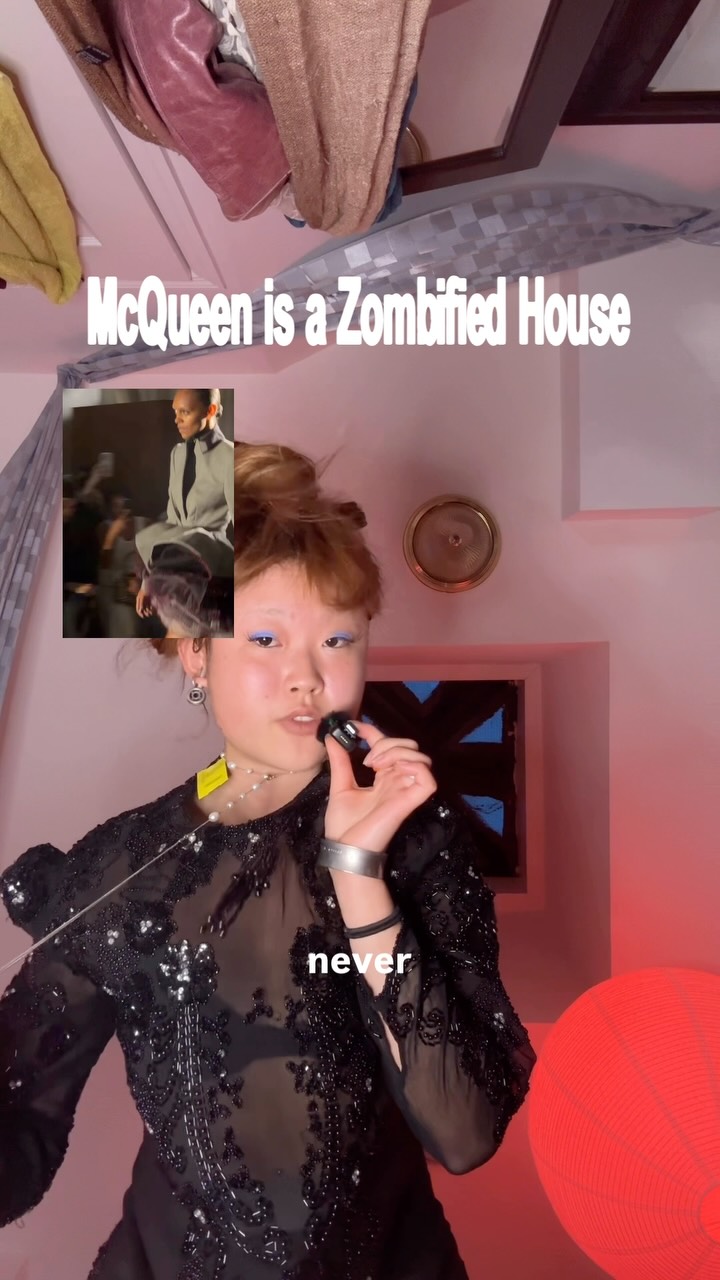 114.2K15.7×Video essay critiquing fashion brand@sarahbellekim · Breakdown
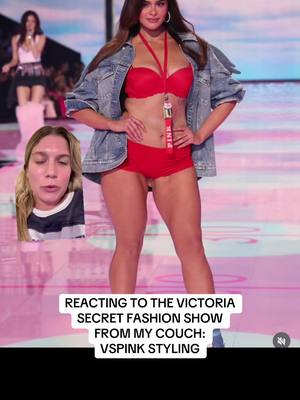 618.8K3.8×Creator critiques fashion show styling@girlbosstown · Reaction
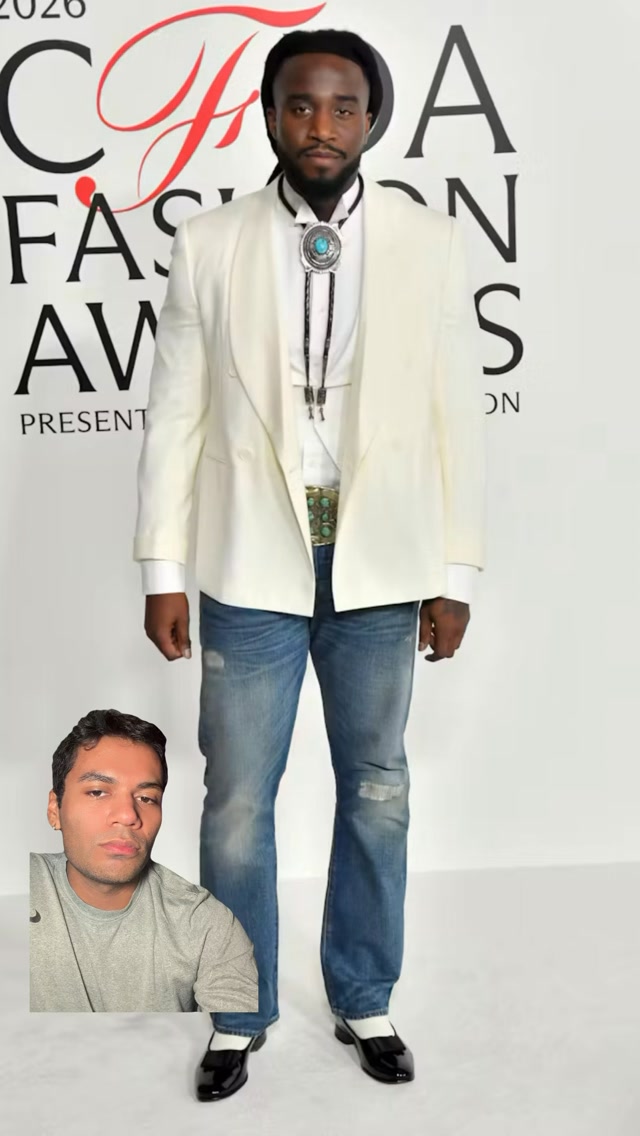 300K3.1×Rapid fire red carpet review@nickycbell · Rapid Fire Listicle
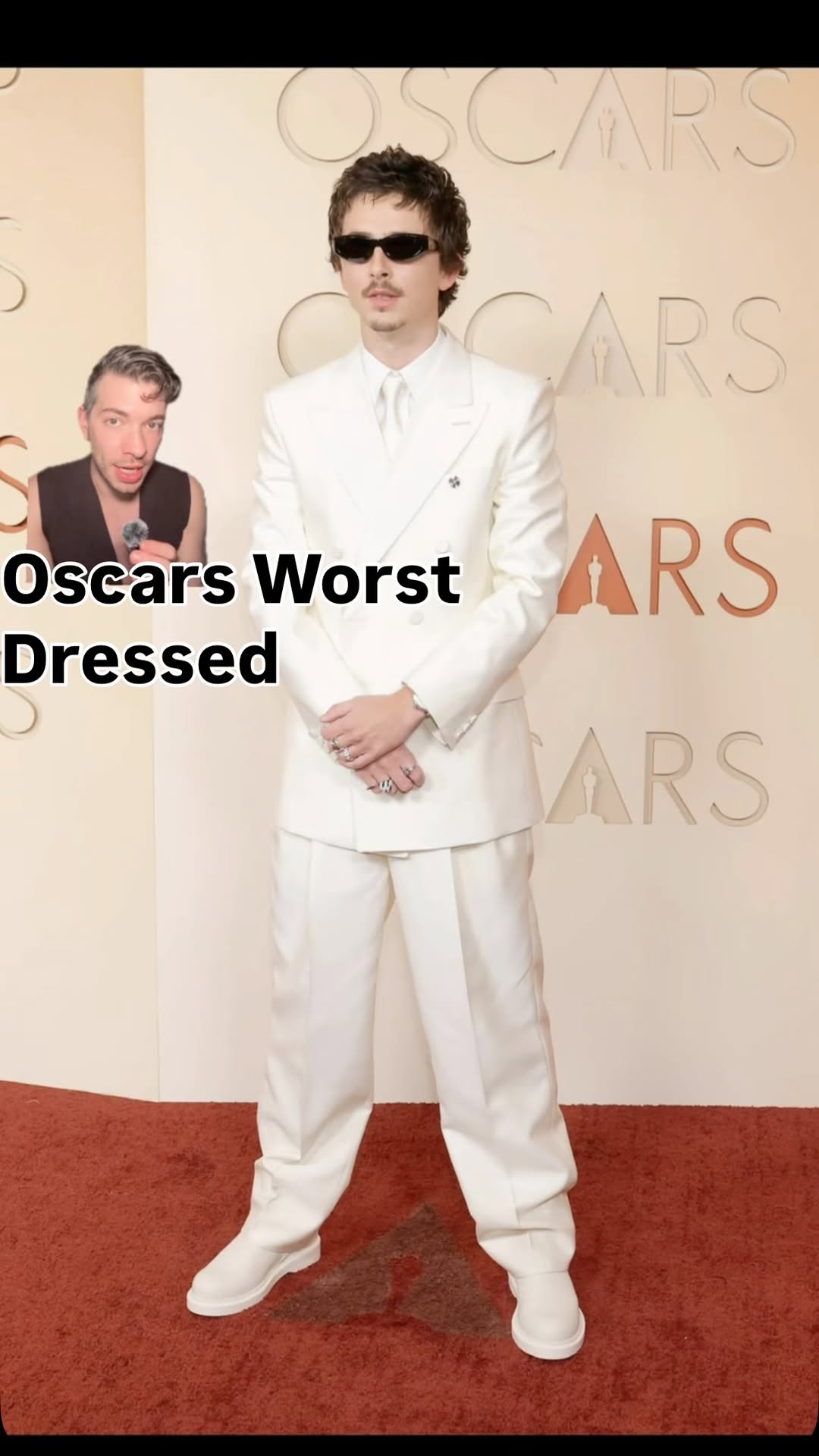 476.8K12.9×Rapid fire red carpet fashion review@johnmvilla2 · Rapid Fire Listicle
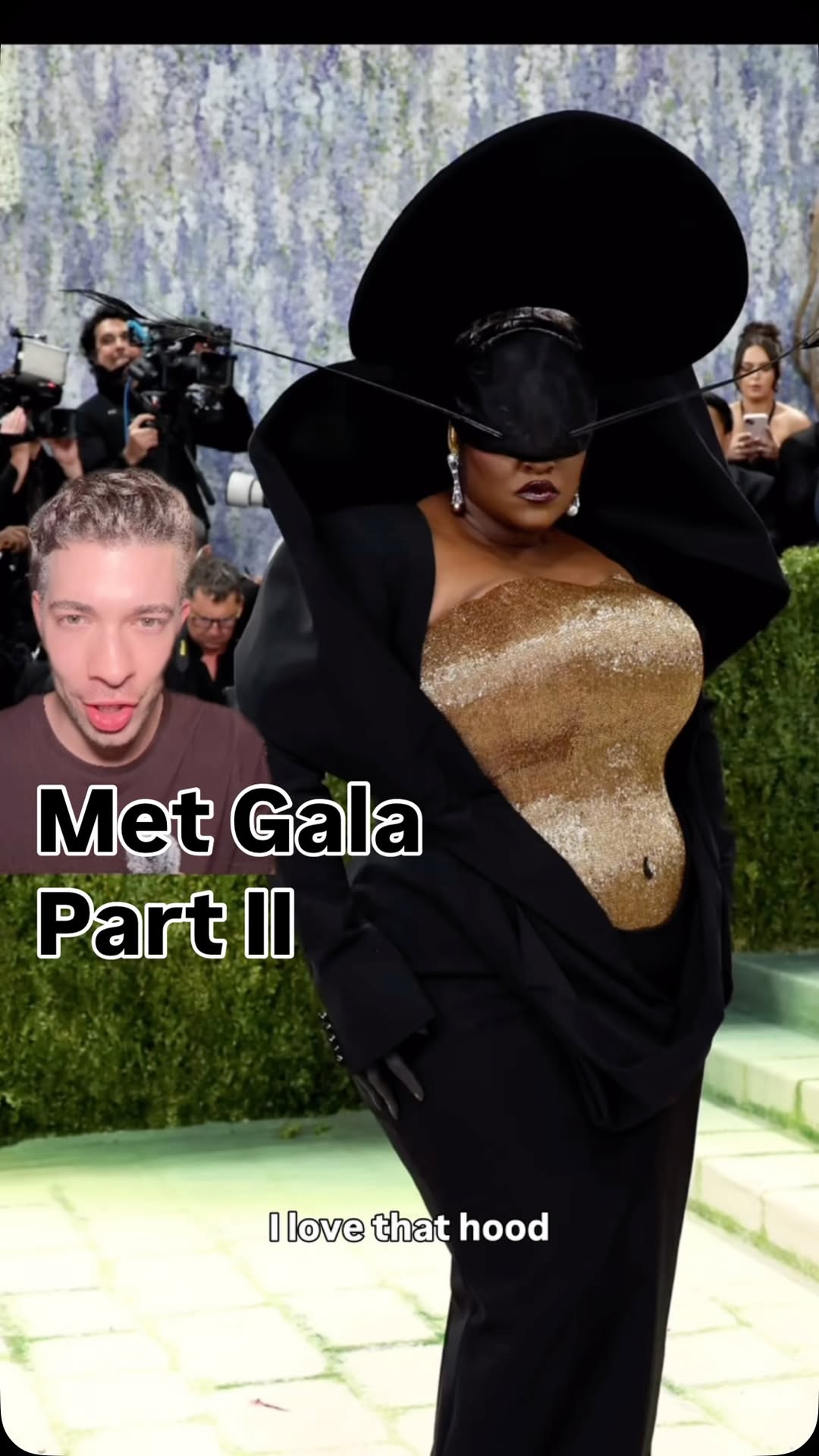 212.3K6.3×Fast-paced Met Gala fashion commentary@johnmvilla2 · Rapid Fire Listicle
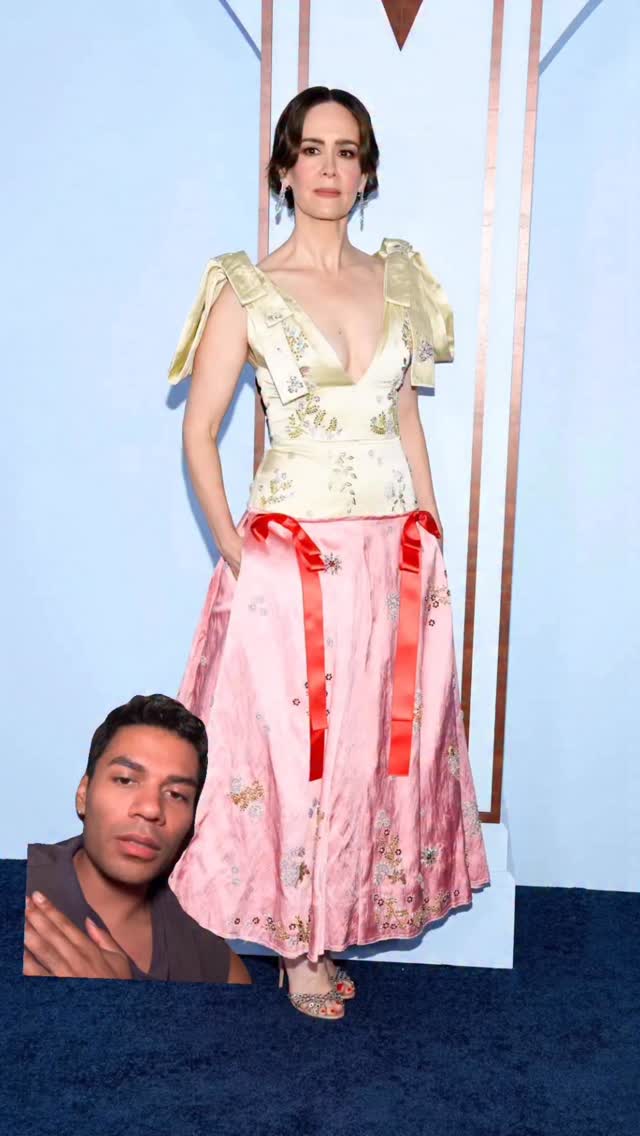 560.6K6.6×Rating celebrity red carpet looks@nickycbell · Rapid Fire Listicle
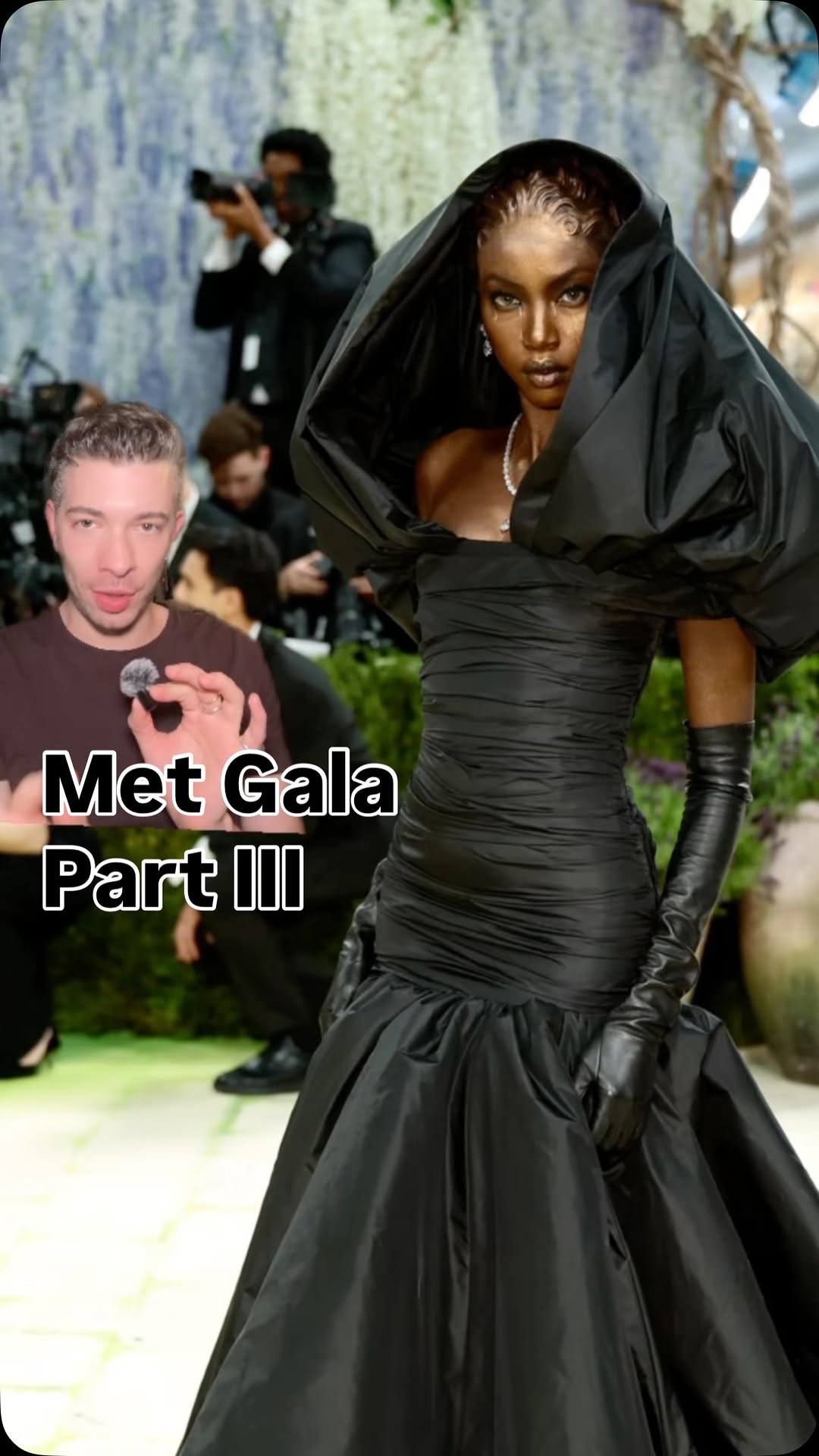 243.3K7.2×Rapid fire Met Gala reviews@johnmvilla2 · Rapid Fire Listicle
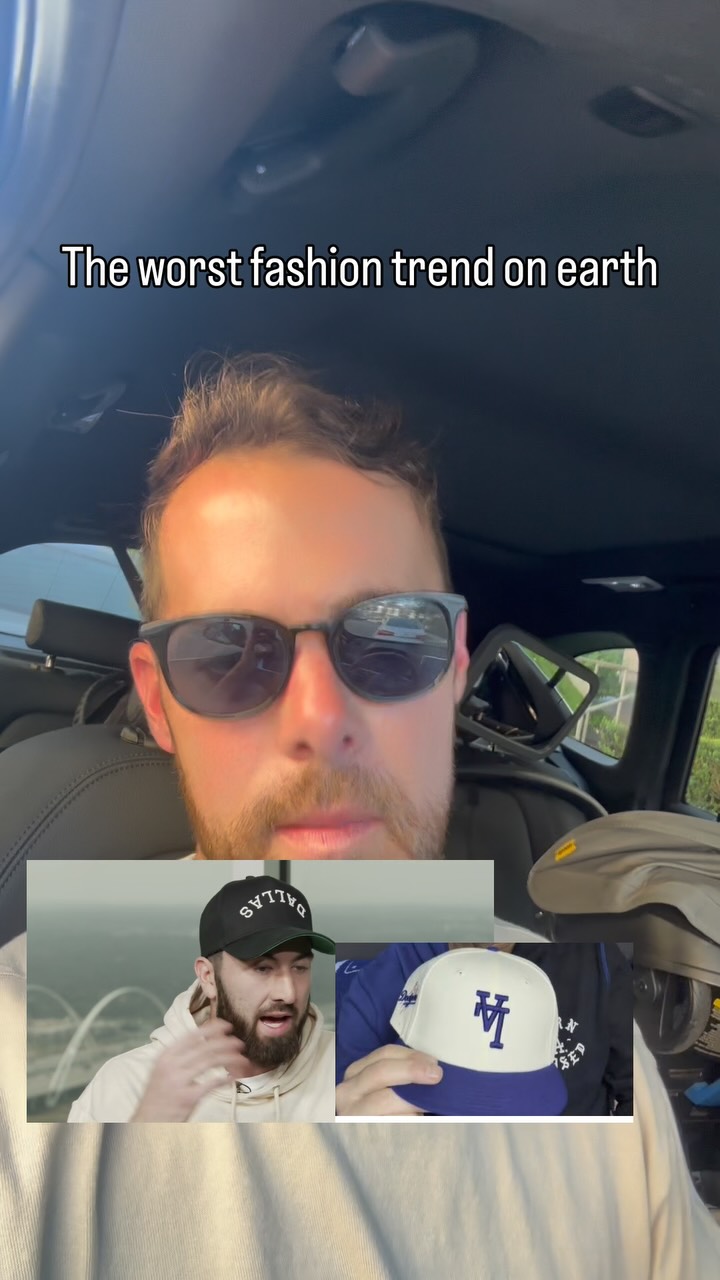 752.9KRanting about a bad trend@ericsimonsays · Hot Take
 266.7K7.1×Rapid fire fashion look commentary@johnmvilla2 · Rapid Fire Listicle
 1.1M14.2×Creator lists cheap-looking fashion trends@stylehard · Anti-Recommendation List
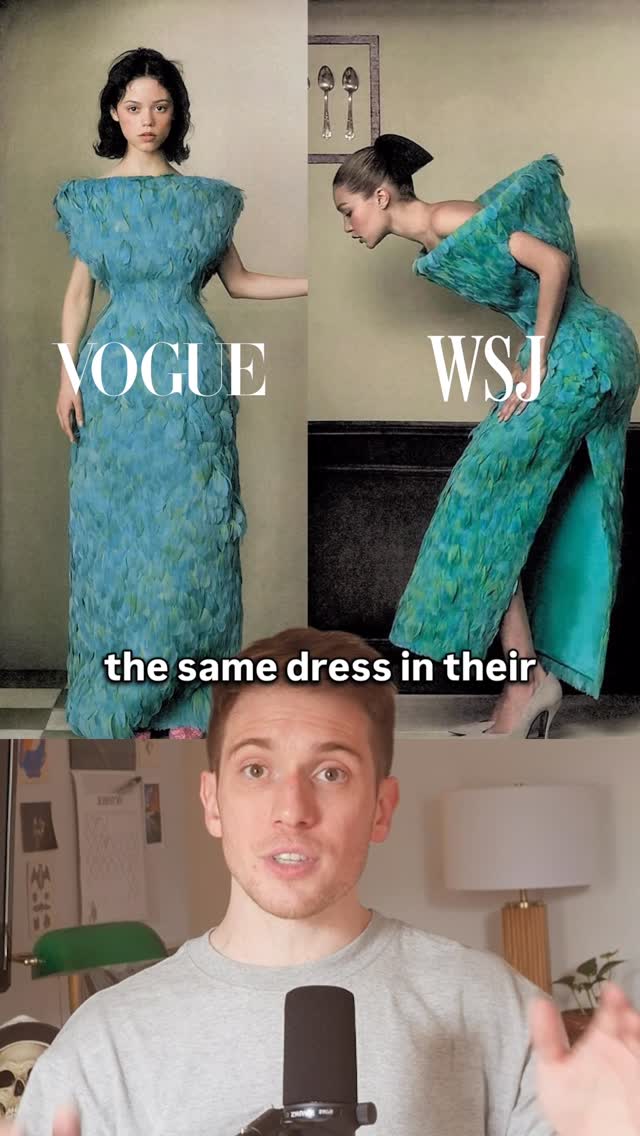 531.5KCreator explains fashion media controversy@ryanselvy · Headlines
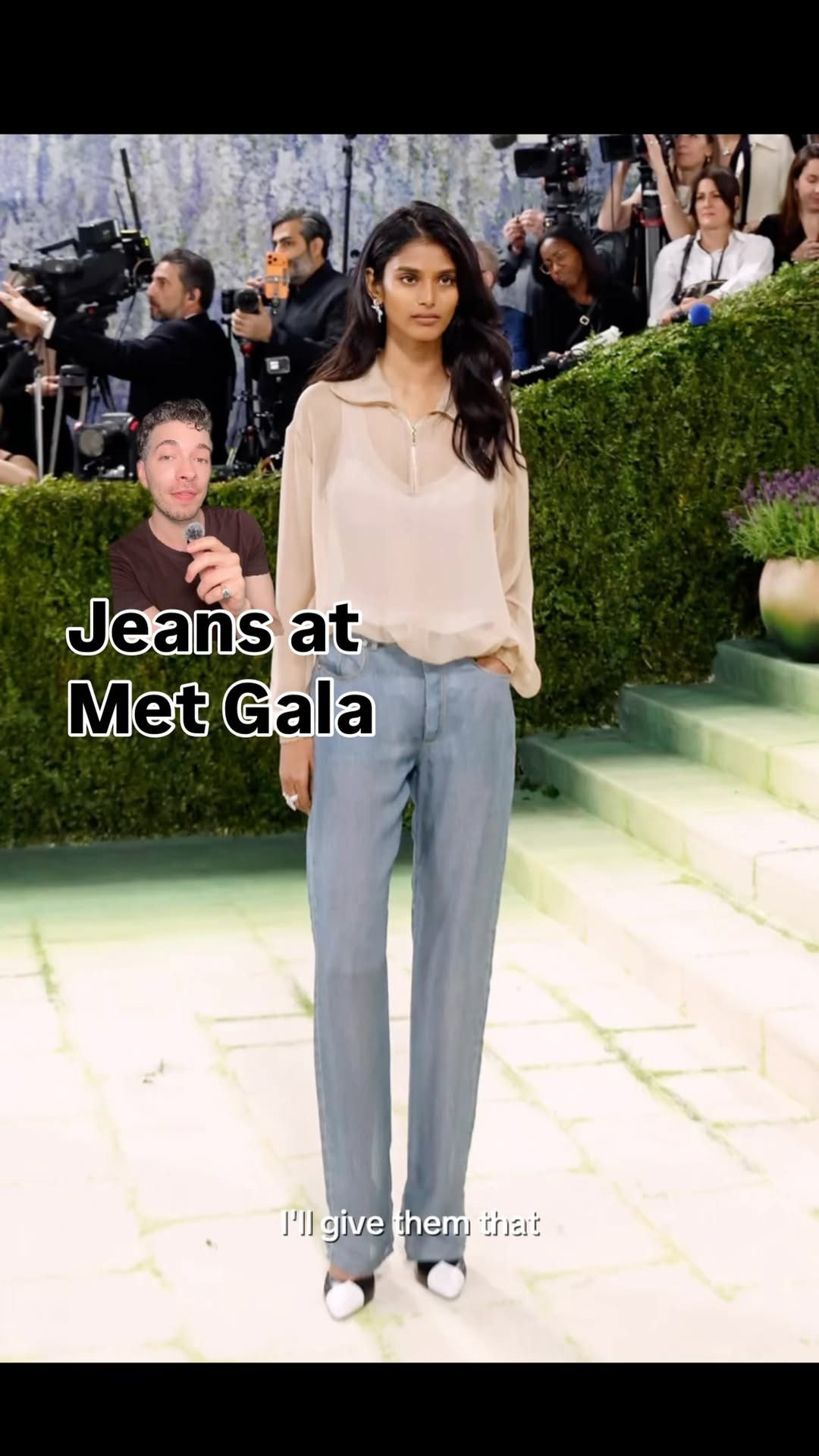 483.9K11.8×Explaining a deceptive fashion look@johnmvilla2 · Breakdown
[04]
[05]
What stops the scroll in the first 3 seconds
Verbal hook · 25%
Hey. So really quick.
Visual hook · 75%
A picture-in-picture overlay of the creator's face on a video of a model walking a fashion runway, creating visual juxtaposition and immediate curiosity about the commentary.
[06]
Steal this for your own video
A picture-in-picture of overlaid on to signal an incoming hot take.
[07]
The promise the opener makes, and how the video pays it back
Hook
Directly addresses the subject and presents their action as a flawed premise, creating immediate intrigue about why it was a bad idea.
Payoff
Issues a final, commanding call to reflection that solidifies the speaker's authority and leaves the audience with an impactful, unresolved thought, effectively ending the argument on the speaker's terms.
[08]
The structural pattern this video runs on
Framework
The Authoritative Takedown
To systematically dismantle a specific choice by escalating a critique from a simple disagreement to a fundamental attack on the creator's competence, using respected industry peers as a benchmark for failure.
The Thesis Hammer
Delivers a short, blunt, and definitive rejection of the initial premise, establishing the core argument without ambiguity.
The Devaluation Cascade
Rapidly lists negative attributes, first stating what the action isn't (e.g., 'not provocative') and then escalating to what it is (e.g., 'embarrassing, stupid, dangerous').
The Motive Accusation
Shifts the critique from the action's outcome to the creator's perceived desperate intentions (e.g., 'chasing attention'), undermining their integrity.
The Competence Indictment
Broadens the attack from a single bad decision to a fundamental judgment of the creator's overall skill and talent.
The Peer Benchmark
Cites respected figures in the same field who succeed without resorting to the criticized tactic, establishing a 'gold standard' of behavior and quality.
The Damning Contrast
A short, sharp statement that isolates the subject as inferior to the previously mentioned high-achieving peers, bringing the comparison to a powerful close.
Hope this helps @424inc
Hey. So really quick. If you thought that casting this person in your show was a good idea, it wasn't. It's not provocative. It's It's not edgy. It's not cool. It's actually just really embarrassing and stupid and dangerous. And if you need to do shit like this to chase EMV for the attention and for a PR moment, You're probably not a good designer. Rank baiting is not a strategy for building your business. Anthony Bacarella doesn't have to do that. Heidi Ackerman doesn't have to do that. Jonathan Anderson doesn't have to do that, but you do. Think about that. That's all.