Viral Hooks
Trending short videosMan explains why cheaters change
N

@nicolebehnam

Instagram · Clip

@nicolebehnam I wasn’t expecting this answer, but it was so honest and real, and I appreciate that. 🚨Comment “LINK” and I’ll send you the link to the full interview ! 🎙️ Follow @beyondtheinterview for more clips from this conversation #cheating #relationships

View original on Instagram

The edit1 shot · 2 text
Shots Text2:50

Performance

Views
2.5M
Likes
135K
Comments
2K
Engagement
5.4%
Outlier
166.1×
Length · 26 Jul 2026
2:50

Video #37471 · Clip

Man explains why cheaters changefrom @nicolebehnam

[01]

Overview

A speaker answers the question "Once a cheater, always a cheater?" by stating he believes it's false. He explains his reasoning, admitting he has cheated in the past and learned a painful but valuable lesson from it, and discusses how the "hard" but right thing to do is to have an honest conversation with a partner about feeling disconnected rather than acting on temptation.

[02]

Simple outline

  1. 1Pose polarizing question
  2. 2Deliver counter-intuitive answer
  3. 3Share personal vulnerability
  4. 4Reveal root cause
  5. 5Provide actionable alternative

[03]

Related videos

[04]

Classification

Format
Concepts
Vulnerable MonologueAnecdotal PhilosophyQ&A Response
Elements
Jump CutPodcast SetupDynamic Word-by-Word Captions

[05]

Hook analysis

What stops the scroll in the first 3 seconds

Title hook · 55%

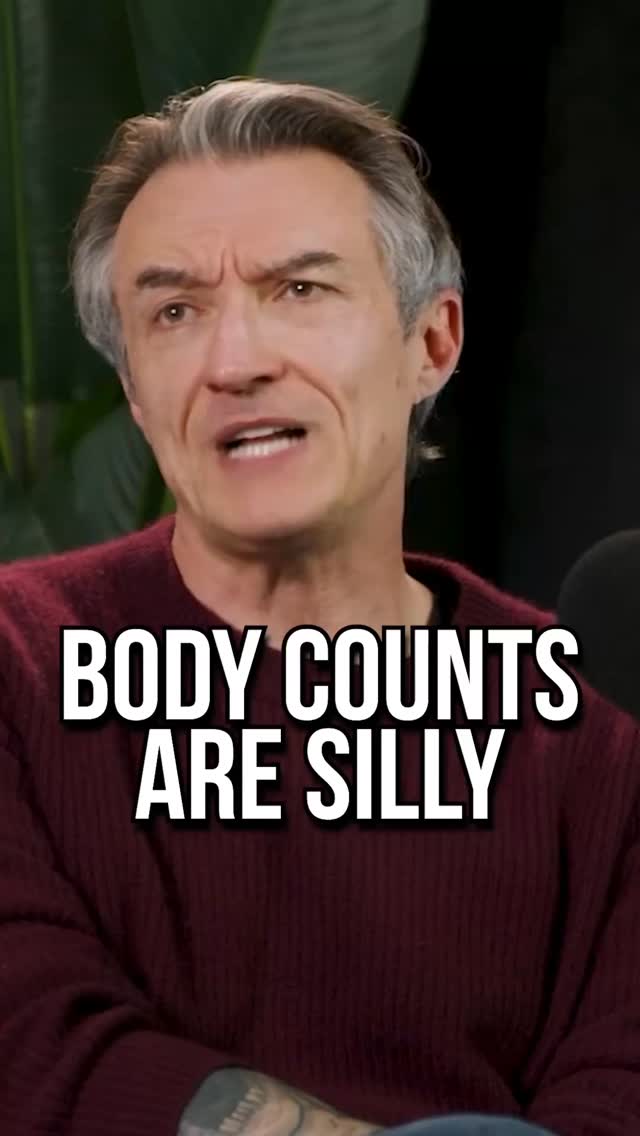
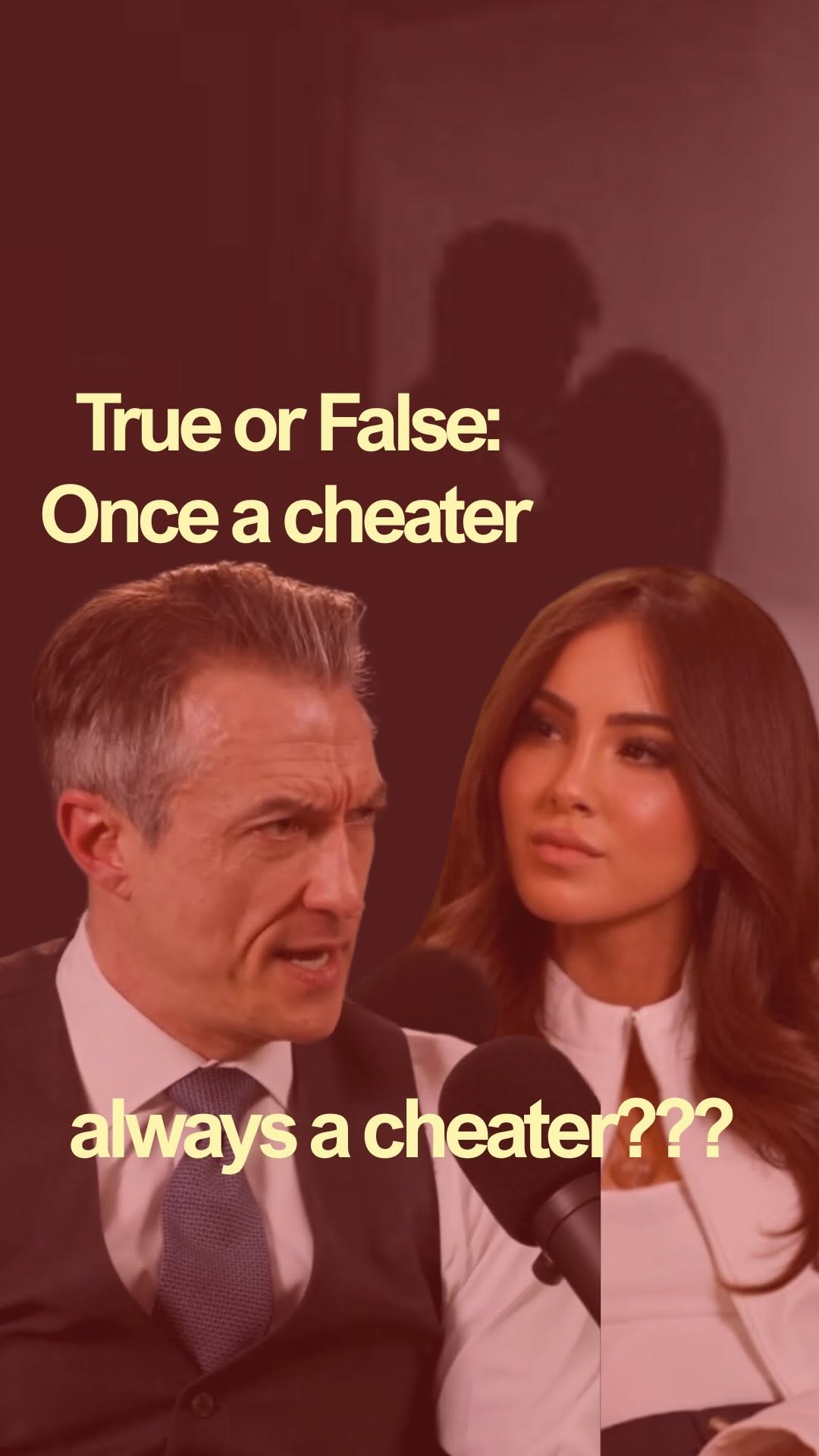
“Once a cheater, always a cheater? I think false.”

Verbal hook · 40%

Once a cheater, always a cheater. True or false?

Visual hook · 5%

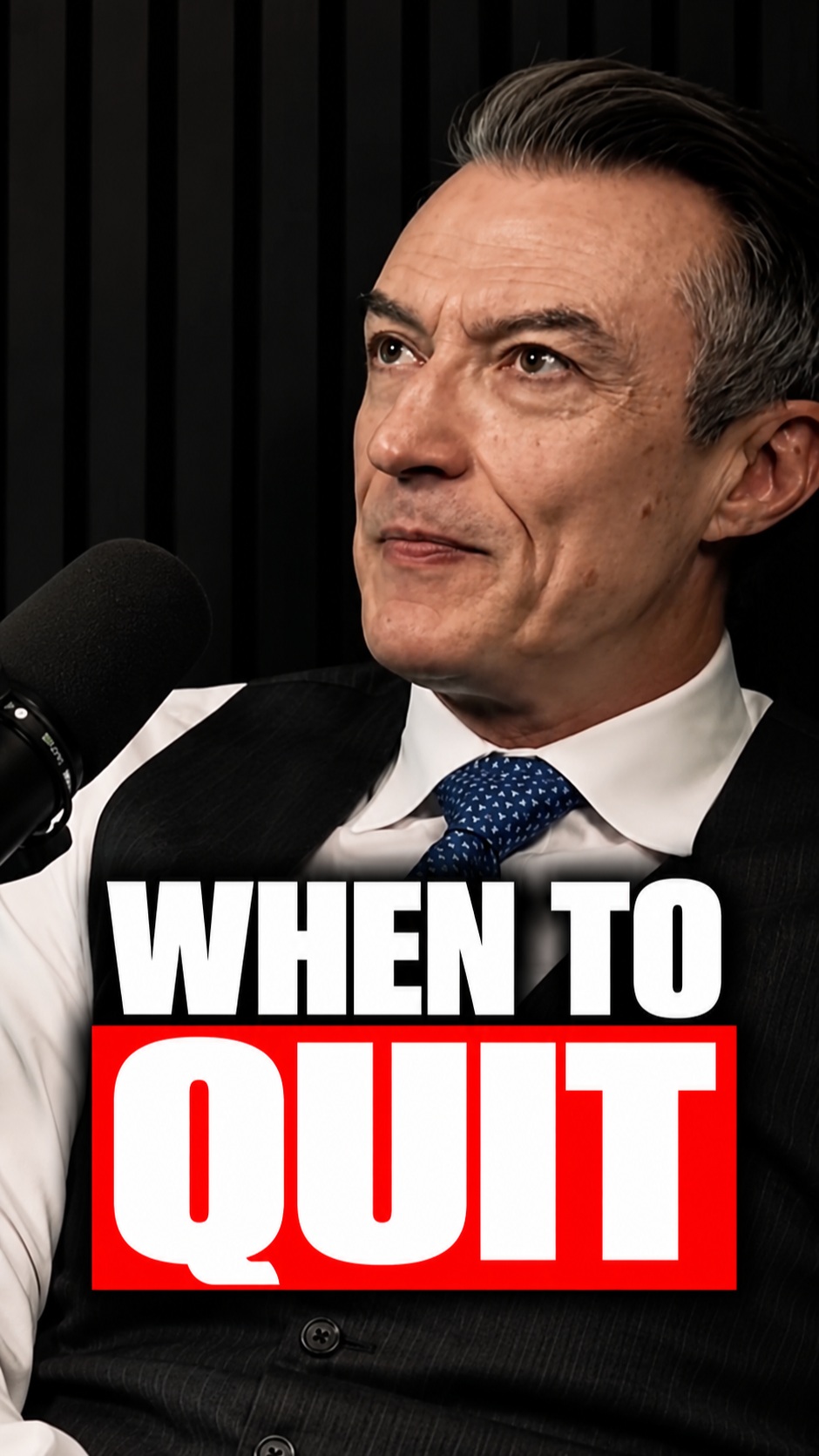
The video opens on a medium shot of an interviewer asking a direct question, then immediately cuts to the subject, creating a dynamic Q&A feel with a professional studio lighting and microphone setup.

[06]

Hook template

Steal this for your own video

[Controversial relationship belief]? I think [contrarian stance].

  • — Once a cheater, always a cheater? I think false.
  • — Opposites attract in relationships? I think myth.
  • — You can't love someone else until you love yourself? I think wrong.

[07]

Hook and payoff

The promise the opener makes, and how the video pays it back

Hook

A direct, binary (True/False) question about a widely held, emotionally charged belief is posed to immediately engage the audience and force them to take a side.

Payoff

The Psychological Deconstruction: The speaker breaks down the flawed rationalization process and the 'slippery slope' of small compromises that lead to the negative behavior, offering the viewer a final, deep insight.

[08]

Narrative framework

The structural pattern this video runs on

Framework

The Counter-Intuitive Confession

Challenge a common belief with a surprising answer, then use a personal, vulnerable story to deconstruct the underlying psychology and offer a more profound insight.

  1. 1

    The Counter-Thesis

    The speaker immediately states an opinion that contradicts the popular assumption ('False'), creating an intellectual and emotional hook that makes the audience want to know the reasoning.

  2. 2

    The Intellectual Framework

    A brief, logical rationale is provided for the counter-thesis (distinguishing between 'proclivity' and 'action') to establish authority and show this isn't just a contrarian opinion.

  3. 3

    The Vulnerability Hook

    The speaker confesses a personal experience or failure related to the topic ('myself included'), making the abstract argument personal, raising the emotional stakes, and building trust through authenticity.

  4. 4

    The Painful Consequence Doctrine

    The speaker details the universal negative outcomes of the behavior ('nothing but pain there'), proving the lesson was learned through hardship and framing the perspective as wisdom, not justification.

  5. 5

    The Root Cause Inquiry

    A pivotal question from the interviewer ('What were you looking for?') shifts the focus from the act itself to the underlying motivation, deepening the narrative.

  6. 6

    The Core Conflict Reveal

    The issue is framed as a choice between an 'easy' but destructive path (the transgression) and a 'hard' but constructive one (honest communication).

  7. 7

    The 'Hard Path' Simulation

    The speaker provides a concrete, scripted example of how to execute the 'hard' but correct path, making the advice tangible and actionable for the viewer.

Themes

  • Vulnerability
  • Accountability
  • Personal Growth
  • Communication

Techniques

  • Direct Address
  • Personal Storytelling
  • Expert Opinion

Trends

  • Podcast Clipping
  • Vulnerable Storytelling

Post caption

I wasn’t expecting this answer, but it was so honest and real, and I appreciate that. 🚨Comment “LINK” and I’ll send you the link to the full interview ! 🎙️ Follow @beyondtheinterview for more clips from this conversation #cheating #relationships

Text overlays

  • branding · throughout

    Beyond The Interview

  • title · beginning

    “Once a cheater, always a cheater? I think false.”

Transcript

Once a cheater, always a cheater. True or false? I think false. I think false. I think once a cheater, you've demonstrated you have the proclivity towards something that most people have the proclivity tier, but that you're willing to cross from idea to action. So you are proving that you are more resolved than a person who just thinks about cheating. Better know a lot of people, myself included, who have cheated and really learned hard lessons from it. Like I'm the kind of person I have to step on the rake to figure things out. I have to burn my hand. I wish that someone could share wisdom with me, and then I go, You're right. That's how I should feel. That's not how it works with me. I have to fuck up. And then I fuck up and I go, Oof. No I will tell you, when I cheated in my life, I learned very quickly how there's nothing but pain there. Like you hurt yourself, you hurt the other person, you hurt the person you cheated with. And I've now represented tons of people who cheat and have been cheated on, or worse the paramour, were the side worse, and I just see how much pain is caused in that. That. What is it that you were looking for when you did cheat? I wasn't being honest with myself about what I wanted, and I was doing the easy thing. The hard thing to do and the right thing to do are almost always the same thing, and the really hard thing to do is to say to your partner, I'm feeling disconnected from you right no. Like, my eye is wandering and I don't know why. Like, you were enough, and I was really full and happy, and now I'm not feeling that way. And I'm starting to feel pulled in other directions, and the flirtation of other women is starting to feel really appealing to me. And I don't want that. I want us. I want the depth of us. And if this is broken and I can't get that back, then we should break up, or we have to have a really serious conversation about are we going to have an open relationship or something like that, which a lot of people aren't going to want. That's a really hard conversation to have because a person's going to hear it and they're going to feel defensive and they're going to feel frightened and they're going to feel like Again, I think defensive is the first thing that most people are going to feel. No you do the easy thing, which is you're like, Wow, it's the harm. No one ever cheated because they were like, You know what I want to do today? I want to fuck my life up. I want to just fuck it up bad. No, it's like, Oh, come on, it's harmless. We're just playing. It's just fun. It's fun to play. Let's play. No not who's even watching? Let's just play a little bit. And then it turns into, like, okay. Well, we crossed that line. Better that's not so bad. That is not we kinda crossed that line, but it's, like, we're flirting. It's not a bit you And then it's like, well, we kinda like it. And then it best builds and builds and builds. And then once you cross the line, now you cross the line. And then you go, alright. We're not back.

Man explains why cheaters change | Viral Hooks