The creator presents a rapid-fire listicle of five historical aesthetics he considers 'hard' or cool. Using a greenscreen format to overlay himself onto relevant images, he explains the origins and significance of each aesthetic, including the Sardinian Mamuthones, the Orthodox Great Schema, Blackletter calligraphy, the Plague Doctor outfit, and Vanitas paintings.
Post caption
Part 1 of aesthetics throughout the centuries.
I know masks and culture are not by definition an aesthetic, but yall love that word, and need to be put onto the history of all the cool shit humans made.
Some of these are literally so niche and so insanely packed with such rich history, that you could spend years studying just one of them.
Don’t take my word for it - go research them.
Transcript
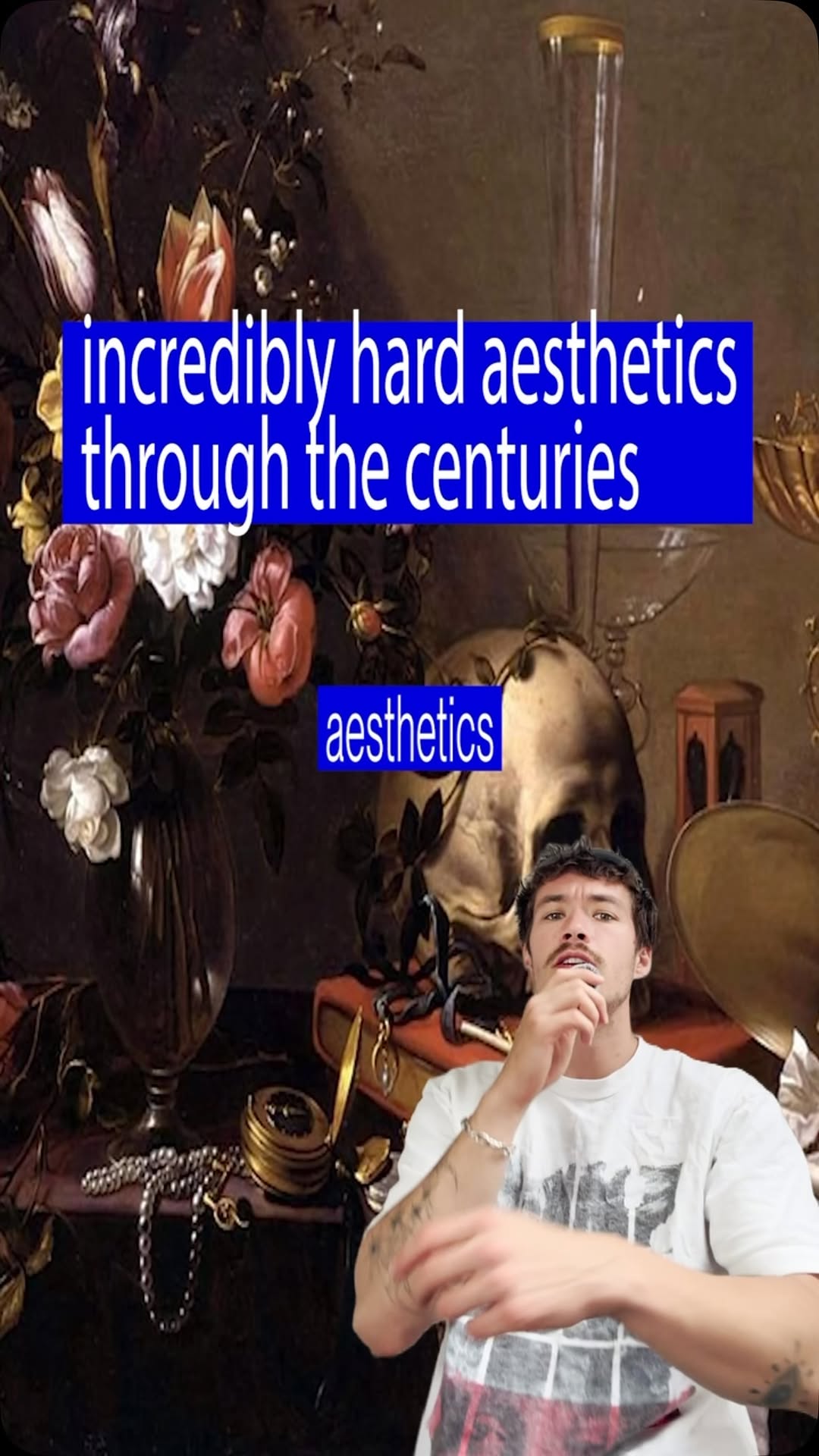
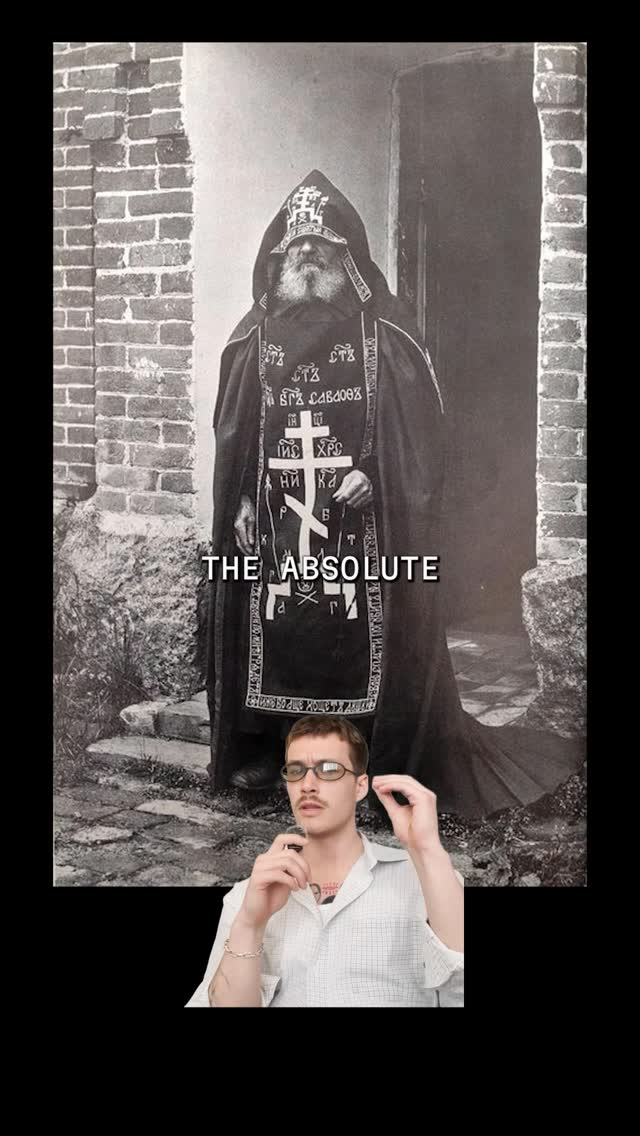
Speedrunning the darkest aesthetics for you to save as inspiration. Worse place, we have the Mammutone, a Sardinian tradition that might be over 3,000 years old. Hardcore black masks, sheepskin, and 30 kilograms of cowbells. This was worn to drive evil out of the village with pure noise. Number two, the great schema. We've talked about this before, and it deserves an honorable mention on the list. This is created by the Christian Orthodox Church, who a few hundred years ago created the great schema, a black habit embroidered with skulls reserved for the highest rank. It is an armor of surrender, and it's reserved for those who have been ritualistically declared dead. Third place, we have the black letter, also known as everything commonly gothic. Medieval scribes compressed writing onto a paper until it looked like a portcullis. Gutenberg printed the first bible in it, and metal logos from back then to this date have never let it die. Number four, we have the plague doctor. Now if I could have worn this during COVID nineteen without anyone thinking it would have killed them, that would have been perfect because this goes super hard. In 1916, a French doctor invented this crazy suit. Essentially, it's a leather beak stuffed with perfume to filter out the poisoned air. Back then, then, it was supposed to be medical equipment. Today, it's something we associate with blood borne. And finally, one of my favorite on this best, we have the vanitas. Dutch painters used to hide skulls in rich still life imagery. Vanitas serves as a warning that wealth too rots.