Viral Hooks
Trending short videosExplaining the 'alt' aesthetic trend
D

@deathtostock

Instagram · Split screen

@deathtostock After Alysa Liu took home the gold, we expect to see an uptick in smiley face piercings 😁 Alternative style, like many aesthetics born out of subcultures, now swirls through the algorithmic machine, flattened into trends divorced from their original message. But the look isn’t the whole story. Marginal identities have historically risen in moments when trust in institutions begins to fracture. If the signals are everywhere now, what are they actually signaling?

View original on Instagram

The edit1 shot · 24 text
Shots Text1:44

Performance

Views
1.5M
Likes
138.1K
Comments
962
Engagement
9.3%
Outlier
4.8×
Length · 9 Mar 2026
1:44

Video #31967 · Split screen

Explaining the 'alt' aesthetic trendfrom @deathtostock

[01]

Overview

The creator analyzes the cultural phenomenon of the 'alt' (alternative) aesthetic. They begin by questioning the term's meaning and showing its current popularity in media, then introduce the sociological concept of 'subcultural capital' from the 90s to provide historical context. The creator contrasts this with how the internet now circulates 'alt' style as a looser identity marker, arguing it has become a posture of distinction in an unstable cultural climate, before concluding with a call-to-action related to their own content.

[02]

Simple outline

  1. 1Question a popular trend
  2. 2Introduce academic framework
  3. 3Explain modern evolution
  4. 4Connect to societal shift
  5. 5Redefine the trend's meaning

[03]

Related videos

[04]

Classification

Concepts
Breakdown
Elements
Picture-in-PictureB-Roll CutawayText Overlay

[05]

Hook analysis

What stops the scroll in the first 3 seconds

Title hook · 50%

Everyone wants to be "Alt."

Verbal hook · 35%

Everyone wants to be alt.

Visual hook · 15%

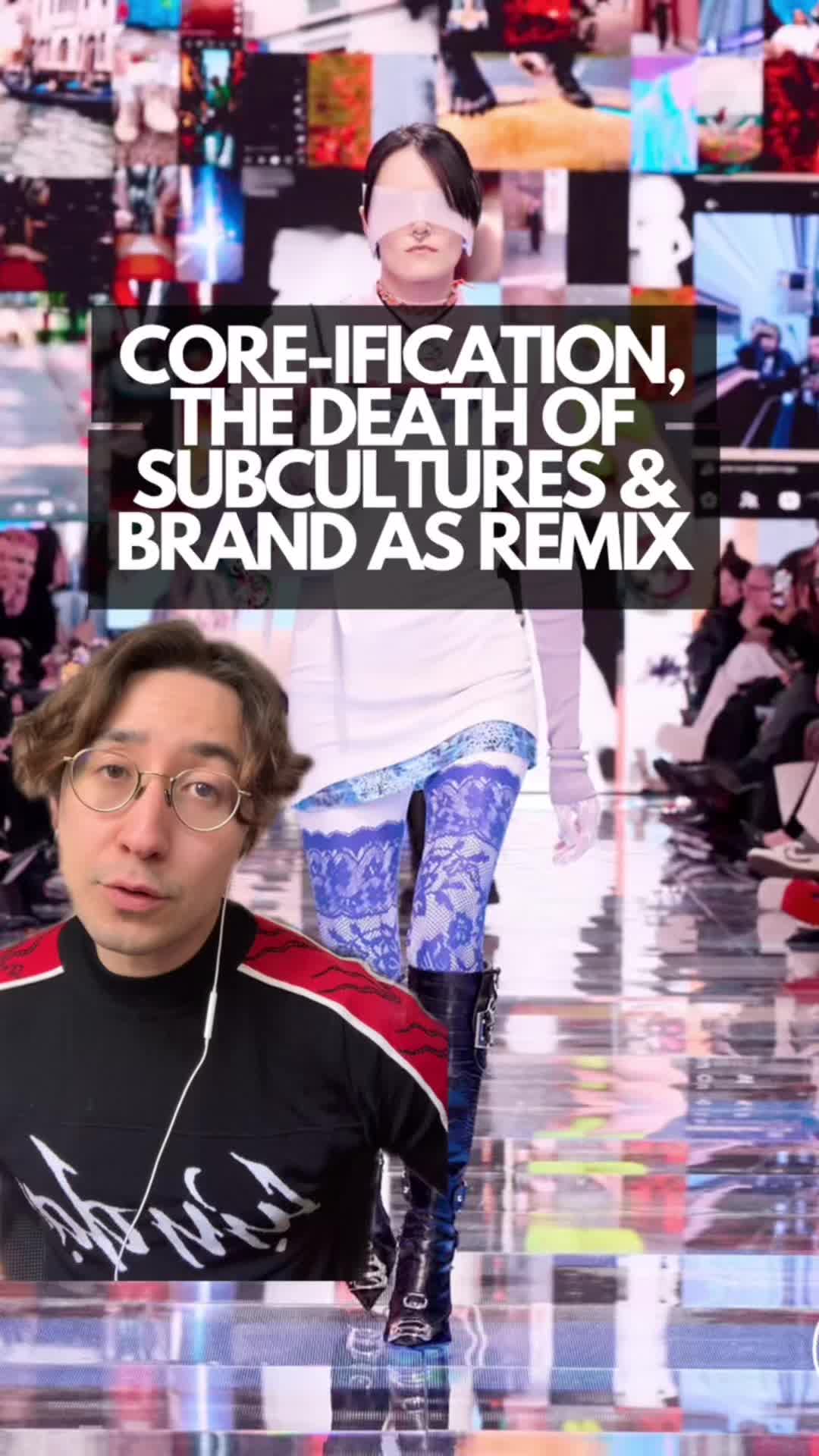
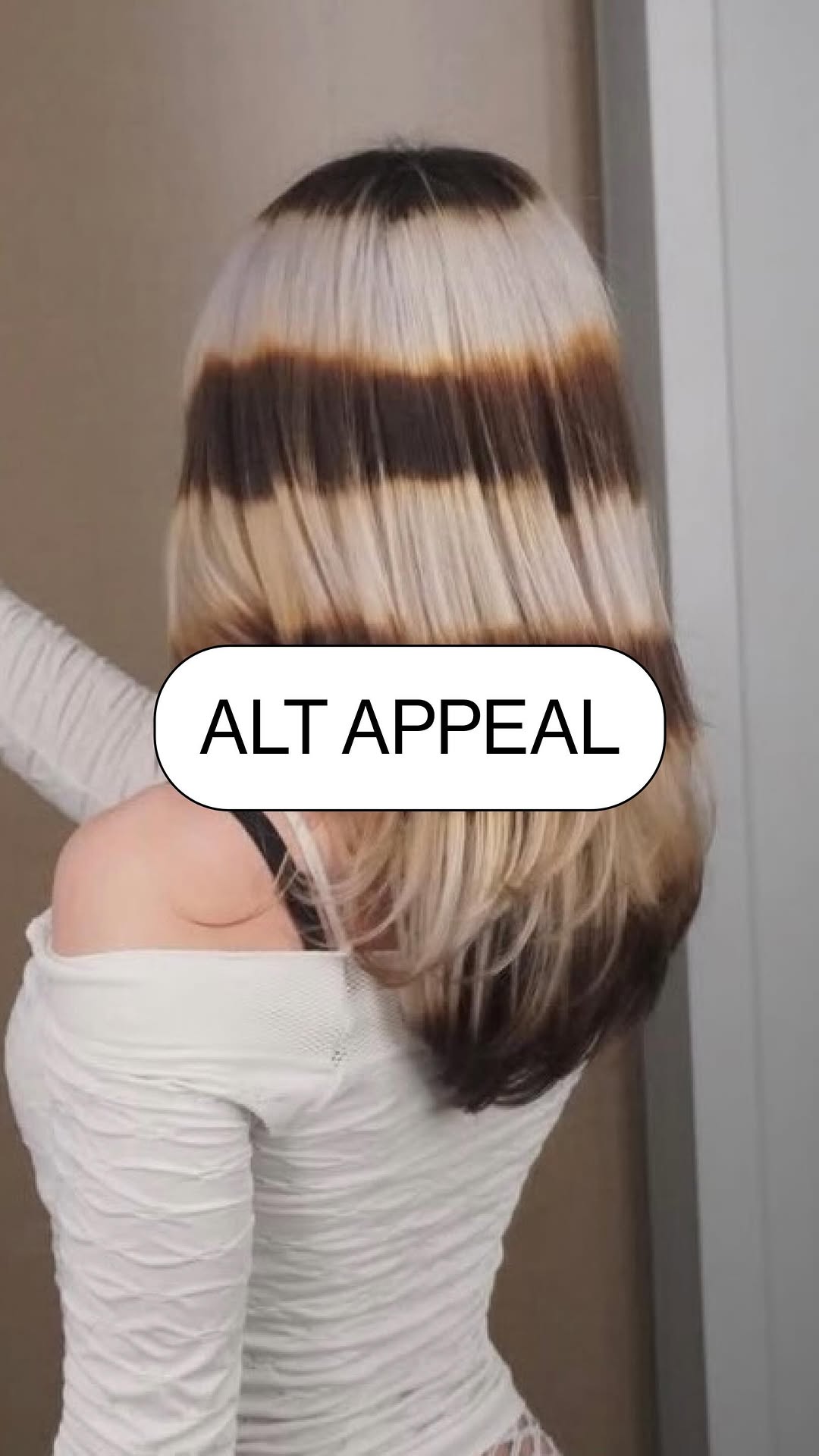
A stylized fashion photograph of a model with dramatic two-toned (blonde and black) hair and an intense, direct gaze. The narrator is also visible in a small picture-in-picture frame, creating a layered composition.

[06]

Hook template

Steal this for your own video

Everyone wants to be [coveted identity label].

  • — Everyone wants to be 'that girl.'
  • — Everyone wants to be a founder.
  • — Everyone wants to be 'old money.'

[07]

Hook and payoff

The promise the opener makes, and how the video pays it back

Hook

A provocative, universal statement about a trend, immediately followed by a challenging question that creates a knowledge gap and implies the common understanding is wrong.

Payoff

A call-to-action that seamlessly connects the entire intellectual analysis to the creator's own work or platform, positioning their content as part of the cultural conversation they just dissected.

[08]

Narrative framework

The structural pattern this video runs on

Framework

The Cultural Diagnosis

To deconstruct a popular cultural trend by establishing its historical definition, explaining its modern, internet-fueled mutation, and connecting its resurgence to a broader societal instability, thereby offering a new, more nuanced understanding of what it signifies today.

  1. 1

    The Visual Proof of Trend

    A rapid montage of contemporary examples (celebrities, runway, social media) to establish the trend's relevance and ubiquity, validating the hook's premise.

  2. 2

    The Core Thesis

    Explicitly stating the video's central argument, reframing the trend not as a simple aesthetic but as a signifier of something deeper, like status or distinction.

  3. 3

    The Academic Anchor

    Introducing a formal, academic concept or historical precedent from a credible source (e.g., a sociologist, a historical text) to ground the analysis in authority and provide a foundational definition.

  4. 4

    The Digital Mutation

    Contrasting the original, historical definition with its current form, specifically explaining how modern technology (the internet, algorithms) has altered its meaning and requirements for participation.

  5. 5

    The Societal Diagnosis

    Answering the 'why now?' question by linking the trend's popularity to a larger, abstract cultural or societal condition, such as institutional instability or a loss of authority in the mainstream.

  6. 6

    The Intellectual Reversal

    Referencing a previous, opposing trend to frame the current one as a direct reaction or 'opposite move,' demonstrating a clear cause-and-effect in cultural shifts.

  7. 7

    The Modern Redefinition

    Synthesizing the previous points to offer a new, concise definition of the trend for the current era, often describing it as a 'posture' or performance rather than an authentic identity.

  8. 8

    The Consequence & Case Study

    Elevating the argument by showing the trend's tangible, real-world impact, often using a specific, high-profile individual or event as a prime example of this new definition in action.

Themes

  • Identity
  • Mainstream vs. Subculture
  • Cultural Capital
  • Social Status
  • Rejection of Status Quo

Techniques

  • Picture-in-Picture
  • Visual Essay
  • Montage Editing

Trends

  • Alt Aesthetic
  • Y2K Revival

Post caption

After Alysa Liu took home the gold, we expect to see an uptick in smiley face piercings 😁 Alternative style, like many aesthetics born out of subcultures, now swirls through the algorithmic machine, flattened into trends divorced from their original message. But the look isn’t the whole story. Marginal identities have historically risen in moments when trust in institutions begins to fracture. If the signals are everywhere now, what are they actually signaling?

Text overlays

  • title · beginning

    Everyone wants to be "Alt."

  • title · beginning

    But does anyone know what "Alt" even means?

  • informational · beginning

    As seen in the renewed media fascination

  • informational · beginning

    with facial piercings,

  • informational · beginning

    heavy dark makeup,

  • informational · beginning

    micro bangs and dyed hair,

  • informational · beginning

    and celebrities leaning

  • informational · beginning

    reference underground scenes like this

  • informational · middle

    "Alternative" is the latest identity marker the media keeps chasing.

  • informational · middle

    Surprisingly... this has less to do with any one specific scene and more to do with distinction and status.

  • title · middle

    Let's talk about the "Alt" appeal.

  • informational · middle

    In the 90s, sociologist Sarah Thornton coined the term subcultural capital.

  • informational · middle

    Which is a status that comes from demonstrating insider knowledge within a specific scene.

  • informational · middle

    The right music. The right references. The right style.

  • informational · middle

    This signals marked belonging inside a scene before the mainstream caught up.

  • informational · middle

    But the way the internet is circulating "Alt" these days is doing something different.

  • informational · middle

    It borrows the knowledge, references, and sometimes taste of subcultural capital, without requiring strict participation in a specific scene.

  • title · middle

    So what does "Alt" even mean? And why is it so popular now?

  • informational · middle

    today it functions as more of a loose identity marker, one that collapses very different subcultures into a single term.

  • informational · end

    Marginal identities tend to surge when the cultural center feels unstable,

  • informational · end

    "Alt" has become the opposite move.

  • informational · end

    It's more of a posture, but in today's climate, it's a significant one.

  • informational · end

    "Alternative" styles tend to visibly reject the status quo,

  • call-to-action · end

    Find PLAYER TWO on the (DTS) platform and let me know what you think.

Transcript

Everyone wants to be alt. But does anyone know what alt even means? As seen in the renewed media fascination with facial piercings, heavy dark makeup, micro bangs and dyed hair, and celebrities leaning into styles that reference underground scenes like this, alternative is the latest identity marker the media keeps chasing. Surprisingly, this has less to do with any one specific scene and more to do with distinction and status. Let's talk about the alt appeal. In the nineties, sociologist Sarah Thornton coined the terms a cultural capital, which is a status that comes from demonstrating insider knowledge within a specific scene. The right music, the right references, the right style. These signals mark belonging inside a scene before the mainstream caught up. But the way the Internet is circulating out these days is doing something different. It borrows the knowledge, references, and sometimes taste of some cultural capital without requiring strict participation in a specific scene. So what does alt even mean and why is it so popular now? While the term originally emerged from music scenes tied to college radio and indie labels, today functions as more of a loose identity marker. One that collapses very different subcultures into a single term. Marginal identities tend to surge when the cultural center feels unstable. When institutions, aesthetics, and dominant tastes tier to lose their authority. Last year, I argued that the constant co option and commercialization of style references were bringing a return to basics. Art has become the opposite move. It refuses to let go of distinction without clearly committing to a subculture or a scene. It's more of a posture, but in today's climate, it's a significant one. Alternative styles tend to visibly reject the status quo, sometimes creating real shifts in who feels welcomed in different spaces. Talking about alt and mood boarding, I wonder if tier player two shoot made it to the inspo board of Alisa Liu's vocabular. Find player two on the DTS platform and let me know what you think.
Explaining the 'alt' aesthetic trend | Viral Hooks